 Search


- This project will achieve rapid access to the central urban areas of Foshan, Dongguan, and Guangzhou
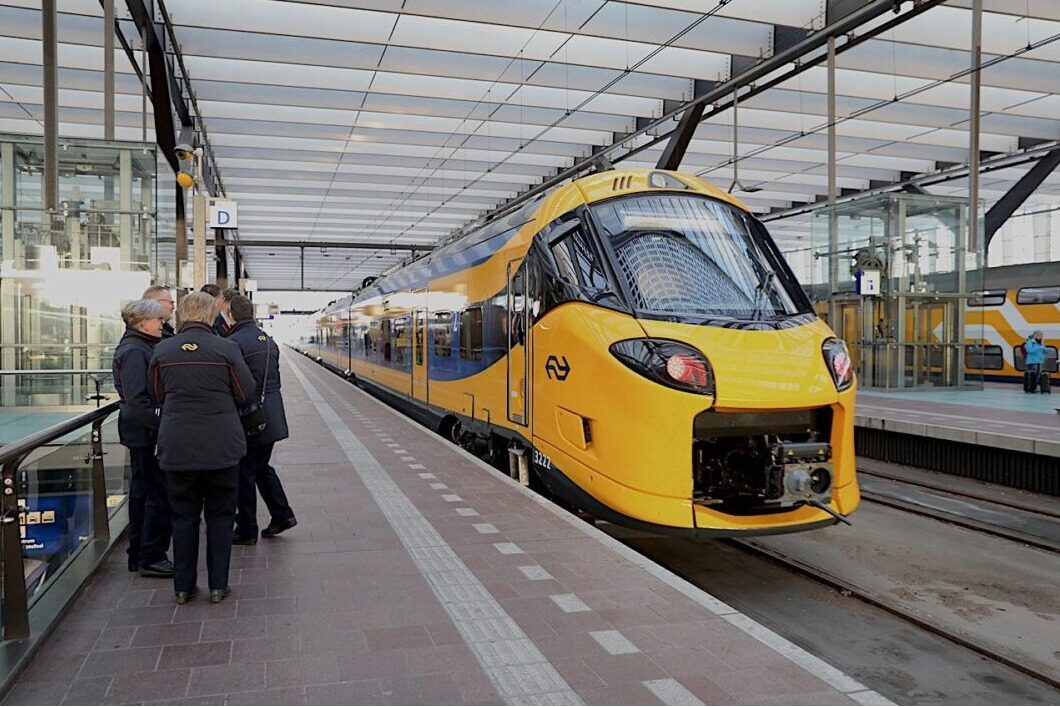
On September 16, 2025, the Foshan Guangzhou Dongguan intercity railway (Foshan Suiguan intercity railway) from Luzhou to Xintang (Guangzhou section) made landmark progress - the bidding work for multiple key projects officially kicked off, like a loud horn, injecting new impetus into the construction of rail transit in the Greater Bay Area.

At present, the Luzhou to Xintang section of the Foshan Guangzhou Dongguan intercity railway has successfully obtained approval for the feasibility study report of the project and is striving towards the goal of starting construction within the year with a strong momentum. The project launched for bidding this time covers multiple important areas such as construction drawing review, planning measurement, control measurement, and construction measurement and testing engineering, and each link is related to the smooth progress of the project. According to the bidding announcement, the project has been approved for construction by the National Development and Reform Commission's approval on the construction plan of the Guangdong Hong Kong Macao Greater Bay Area intercity line and the Guangdong Provincial Development and Reform Commission's approval on the feasibility study report of the new Foshan Guangzhou Dongguan intercity railway project from Luzhou to Xintang. The project owner is the powerful Guangzhou Metro Group Co., Ltd., providing solid support for the project construction.
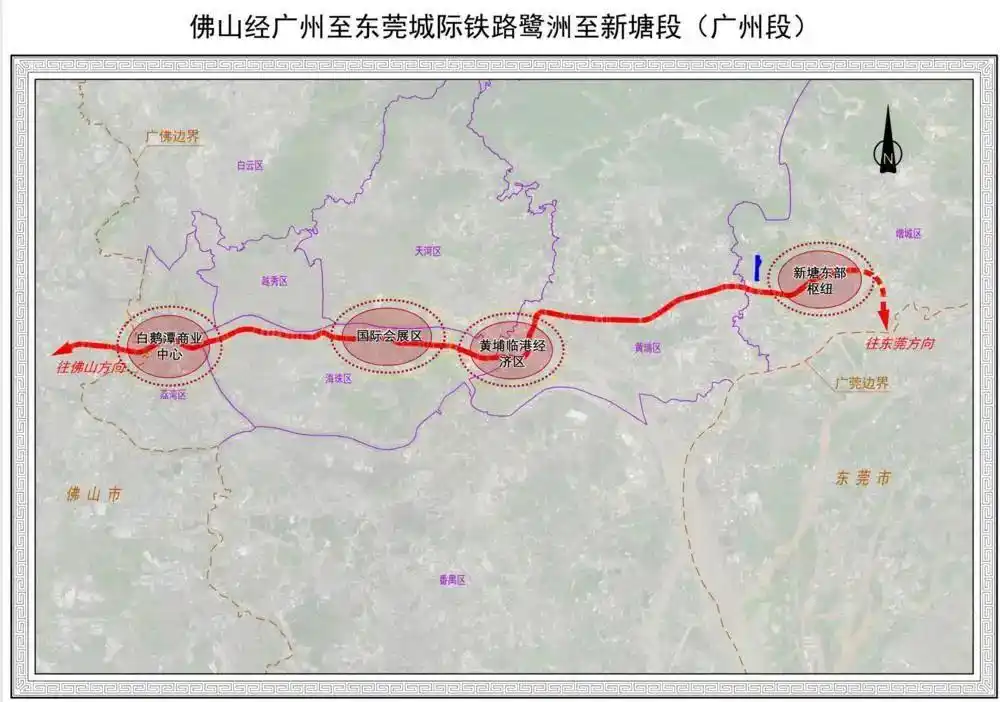
The Foshan Guangzhou Dongguan intercity railway is like a winding and twisting giant dragon, spanning the three cities of Foshan, Guangzhou, and Dongguan with great momentum. Among them, the section from Luzhou in Foshan to Xintang in Guangzhou, as the first implementation section, has attracted much attention. The route starts from Luzhou Station in Shunde District, Foshan City, extends eastward, and finally reaches Xintang Station in Zengcheng District, Guangzhou City, with a total length of 71.6 kilometers, including 45.1 kilometers in Guangzhou and 26.5 kilometers in Foshan, like a link that tightly connects the three places.
The entire line has carefully planned and set up 17 underground stations, including stations such as Luzhou, Dongping, and Wenhua Park. At the same time, there are also supporting facilities such as Chenjialin Depot and Nancun Parking Lot, providing strong support for the operation and maintenance of trains. The designed speed of the line can reach up to 160 kilometers per hour, using advanced 4/8 formation external city (suburban) high-speed trains with efficient and fast transportation capabilities. In addition, conditions have been reserved at Xintang Station to extend eastward to Dongguan, providing sufficient space for future line expansion, with a construction period of 5.5 years.
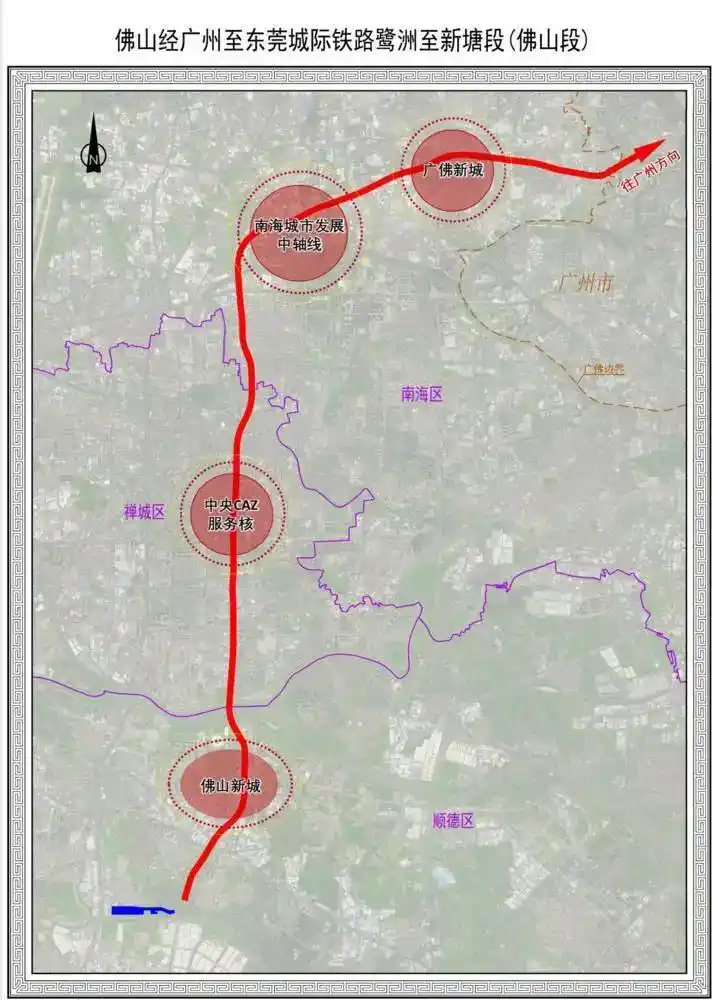
Among these 17 stations, there are 10 in the Guangzhou section, starting from the Guangzhou Foshan border and passing through Liwan District, Haizhu District, Huangpu District, and Zengcheng District. There is also a planned construction of a vehicle depot and two main substations, providing solid logistical support for the normal operation of the line; The Foshan section has 7 stations, and the line passes through multiple areas such as Lecong Town and Shiwan Town Street, cleverly connecting important nodes such as Foshan New City and the Central CAZ Service Core, effectively promoting the coordinated development between various regions of Foshan. Keywords: high-speed engineering, high-speed construction
The construction of the Foshan Guangzhou Dongguan intercity railway has profound and significant implications. It will not only achieve rapid access to the central urban areas of Foshan, Guangzhou, and Dongguan, allowing residents in the three places to easily integrate into the 1-hour living circle, greatly shortening the time and space distance between cities, but also promoting resource sharing, complementary advantages, and coordinated development between regions.Editor/Cheng Liting
Comment

 Praise
 Collect
 Comment

 Share
Share


Write something~