 Search


- The the Yarlung Zangbo River Hydropower Project, the Sichuan Tibet Railway and the Xinjiang Tibet Railway willaunched at the same time
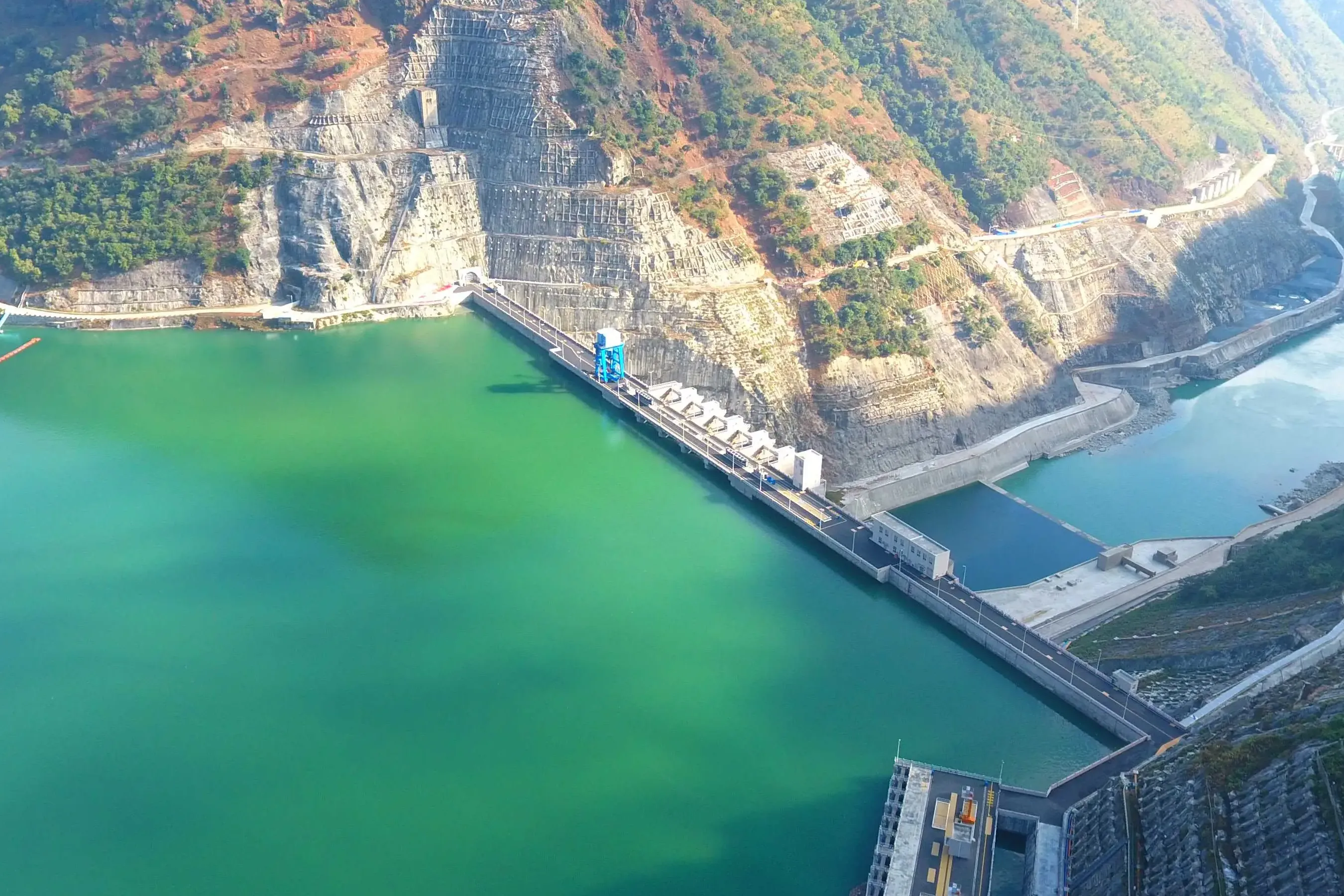
Recently, an unprecedented wave of infrastructure construction has swept across western China. Three super projects, namely, the the Yarlung Zangbo River downstream hydropower project, the Yalin section of the Sichuan Tibet Railway and the Xinjiang Tibet Railway, were advanced simultaneously, with a total investment of nearly 2 trillion yuan. This marks a new leap in China's infrastructure capacity, and the Western Development has entered a new stage. A great practice of integrating strategic layout, technological breakthroughs, and regional revitalization is being comprehensively carried out in the western region.
The total investment of the three major projects is nearly 2 trillion yuan, exceeding the annual GDP of many countries. In July this year, the hydropower project in the lower reaches of the the Yarlung Zangbo River was officially started, with a total investment of about 1.2 trillion yuan and a planned installed capacity of more than 60 million kilowatts. After completion, the annual power generation is equivalent to three Three Gorges projects, and it will become one of the largest clean energy bases in the world.
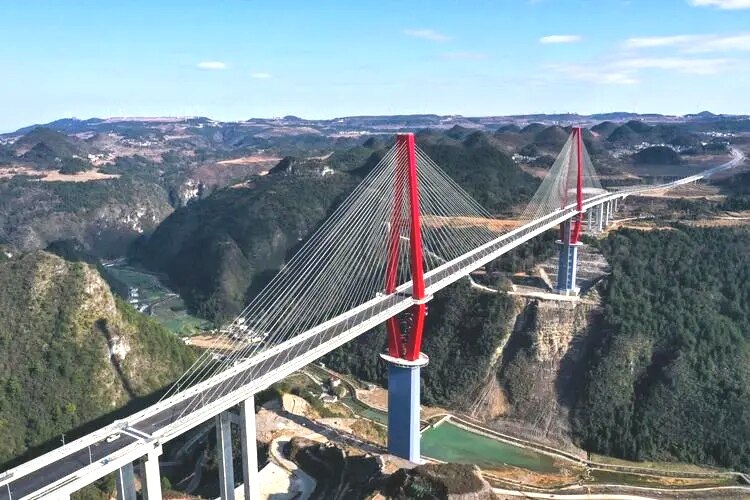
At almost the same time, the most difficult section of the Sichuan Tibet Railway, from Ya'an to Linzhi, began surveying. The total length of this railway is less than 1000 kilometers, but the total investment exceeds 300 billion yuan, with a cost of nearly 300 million yuan per kilometer. The line passes through extreme terrains such as the Hengduan Mountains and the Nujiang Canyon, with a bridge tunnel ratio of over 90%, making the construction difficulty rare in the history of world railways. After completion, the travel time from Chengdu to Lhasa will be reduced from over 30 hours to around 13 hours.
In early August, Xinzang Railway Co., Ltd. was officially established with a registered capital of 95 billion yuan, marking the substantial promotion stage of Xinzang Railway. The total length of the railway is about 2000 kilometers, with an average altitude of over 4500 meters, crossing four major mountain ranges, and an estimated total investment of about 400 billion yuan. After completion, it will directly connect Xinjiang and Xizang for the first time, becoming another milestone in China's plateau railway construction.
This round of infrastructure boom in the western region is a strategic choice to cope with profound changes in the international landscape. Energy security is the primary consideration. China imports over 500 million tons of crude oil annually, of which over 60% needs to be transported through the Strait of Malacca. By constructing the China Pakistan Economic Corridor, the Central Asia Oil and Gas Pipeline, and supporting the promotion of the Western Railway Network, future energy can be directly imported from neighboring countries by land, significantly reducing dependence on maritime transportation.
Global climate change has also prompted China to strengthen water resource regulation. Scientific research shows that precipitation in western China has been increasing in the past thirty years, and glaciers are accelerating their melting. The Yarlung Zangbo River hydropower station is not only an electric power project, but also a water resources control hub, which is related to the long-term ecological security of the country.
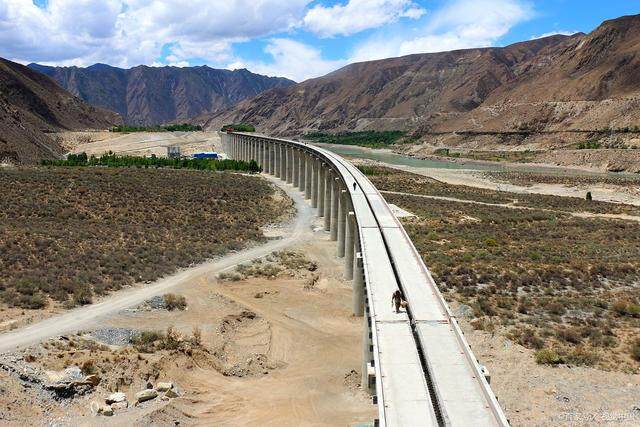
At the same time, the value of land rights is becoming increasingly prominent. As of June 2025, the cumulative number of China Europe freight trains has exceeded 110000. Once the western railway network is fully connected, China Central Asia Europe will form a complete land economic circle, rewriting the trade map of the Eurasian continent.
The massive investment brings a new round of development opportunities to the construction industry. The Yajiang hydropower station is expected to drive demand for cement of approximately 54 million tons and steel of 4.5 million tons; The Xinjiang Tibet Railway and the Sichuan Tibet Railway also require a huge amount of building materials, machinery, and manpower support. From January to July 2025, the winning bid amount for infrastructure projects increased by 31.9% year-on-year, and the construction machinery operating rate steadily increased.
The participation methods are more diverse. In addition to traditional construction general contracting, the government actively encourages private capital to join through equity participation, franchising, and other means. Most of these projects have the characteristics of long construction and operation cycles, stable returns, etc., providing long-term and reliable investment directions for private enterprises.
This wave of infrastructure construction is also driving the industry towards high technology and high standards. Projects such as high-altitude railways and high-altitude hydropower stations face challenges such as hypoxia, low temperatures, and fragile ecosystems, requiring enterprises to have stronger technical capabilities and project management levels. Digital and intelligent technologies have also been widely applied in western infrastructure construction, and the industry is ushering in a historical opportunity for technological upgrading.
For practitioners, the western region is becoming a new hot spot for employment. During the peak construction period of the Yajiang Hydropower Station, it is expected that 200000 to 500000 construction personnel will be needed; The Xinjiang section of the Xinjiang Tibet Railway alone requires tens of thousands of professional workers. Xizang's GDP growth rate will reach 7.2% in the first half of 2025, leading the country for many consecutive quarters, which is a direct reflection of the infrastructure pulling effect.
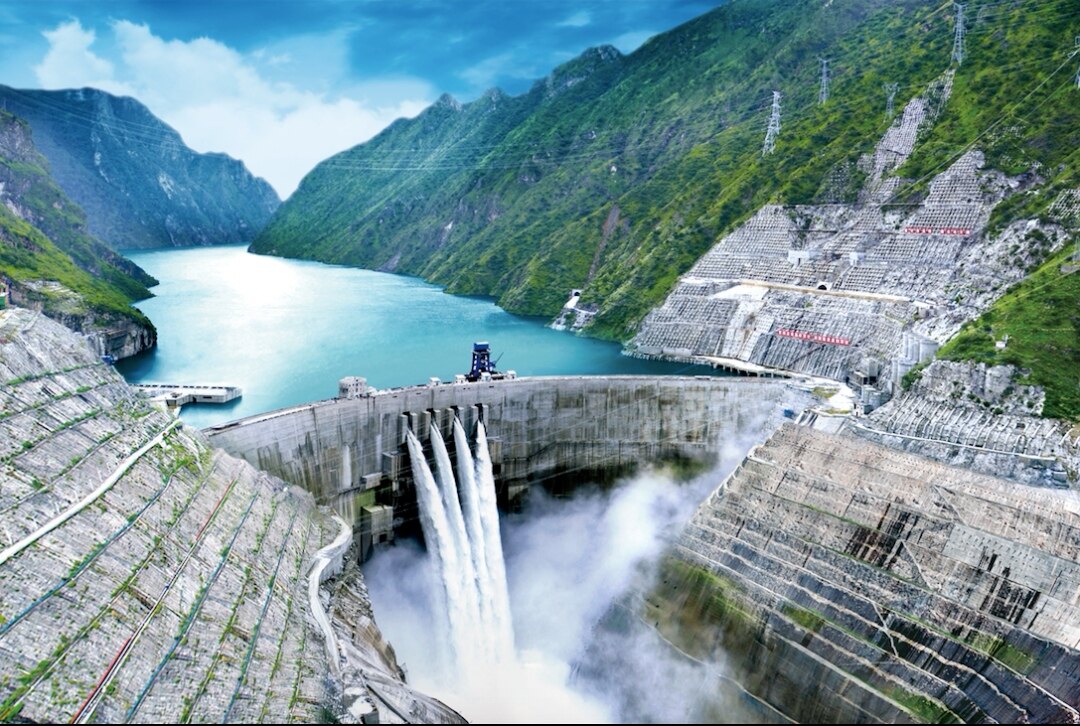
The promotion of infrastructure in the western region also drives the coordinated development of related industries. The construction machinery, steel and cement, power equipment and other industries have full orders, and the logistics transportation, catering and accommodation service industries have also experienced explosive growth. Chengdu, as the command center and talent base for western infrastructure, has become a gathering place for relevant enterprise headquarters, research and development centers, and talent training bases.
The three major projects in the western region with an investment of 2 trillion yuan are strategic responses made by China in the face of changes in the international landscape, energy challenges, and climate shifts. They are not only engineering, but also a manifestation of national will - breaking geographical barriers, activating resource potential, and ensuring strategic security. For the construction industry, this is an era full of opportunities. Orders are pouring in, job opportunities are increasing, and technology is upgrading. The industry is shifting from scale expansion to quality empowerment. For enterprises and practitioners, only by keeping up with the national pace and enhancing core capabilities can we transform this wave of infrastructure dividends into real development strength.
The West is undergoing historic changes. Railways cross snow capped mountains, highways connect border areas, and power stations guard rivers. This is not the end point, but a new starting point - China is using infrastructure as a pen to write the next chapter of development epic. On this ancient and vast land, the laying of every inch of steel rails and the construction of every bridge are laying a solid foundation for the great rejuvenation of the Chinese nation. Editor/Xu Shengpeng
Comment





 Praise
 Collect
 Comment

 Share
Share


Write something~