 Search


- Holding 33.6 billion tons of coal reserves, Kazakhstan is increasing investment to expand production
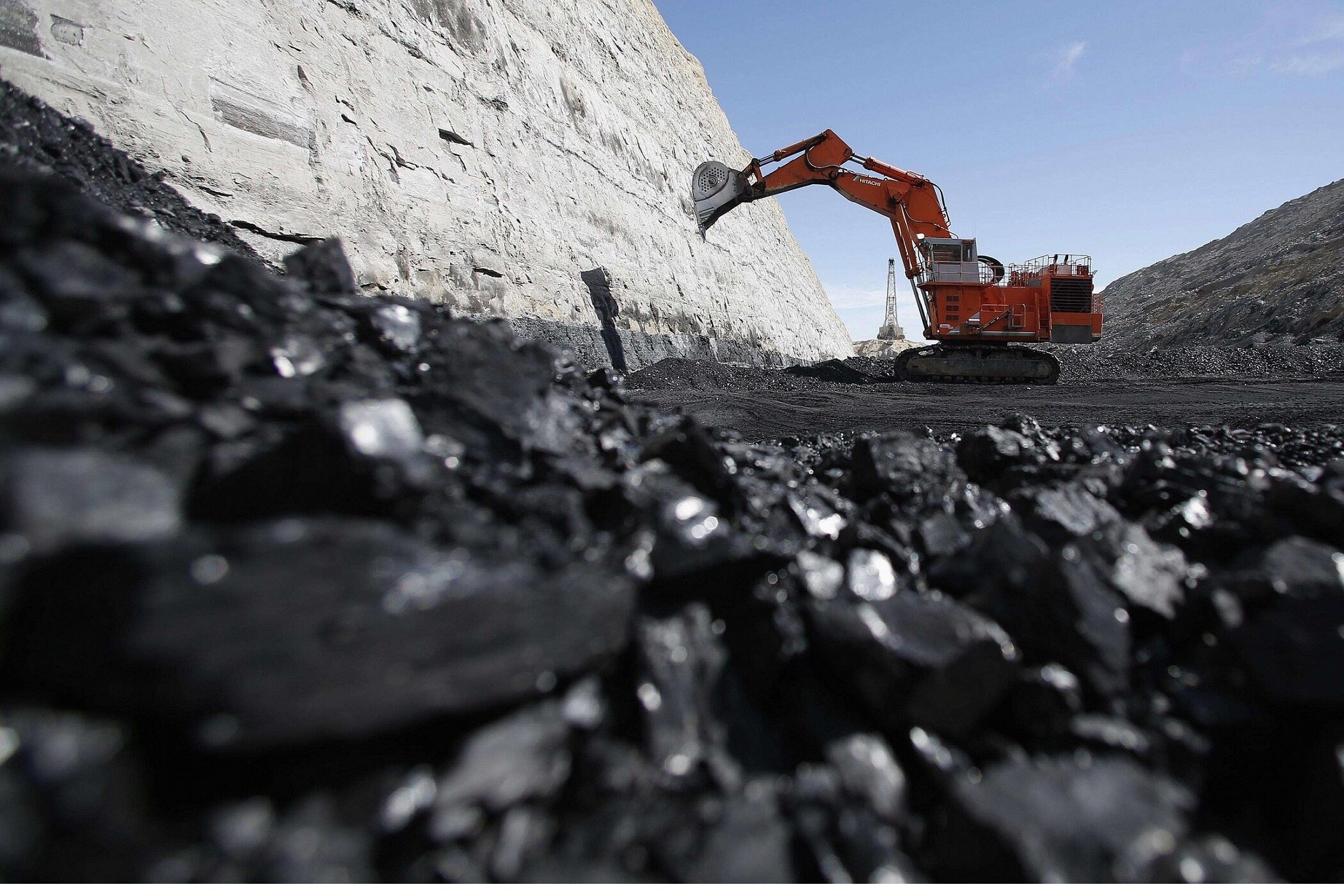
At 3am, the giant mining trucks in the Ekibastuz mining area of Kazakhstan were still roaring. Driver Alisher completed the final transportation, and the coal will be sent to a nearby thermal power station, lighting up the dawn in the capital Nur Sultan. Here, coal is not only black gold, but also the cornerstone of national energy security.
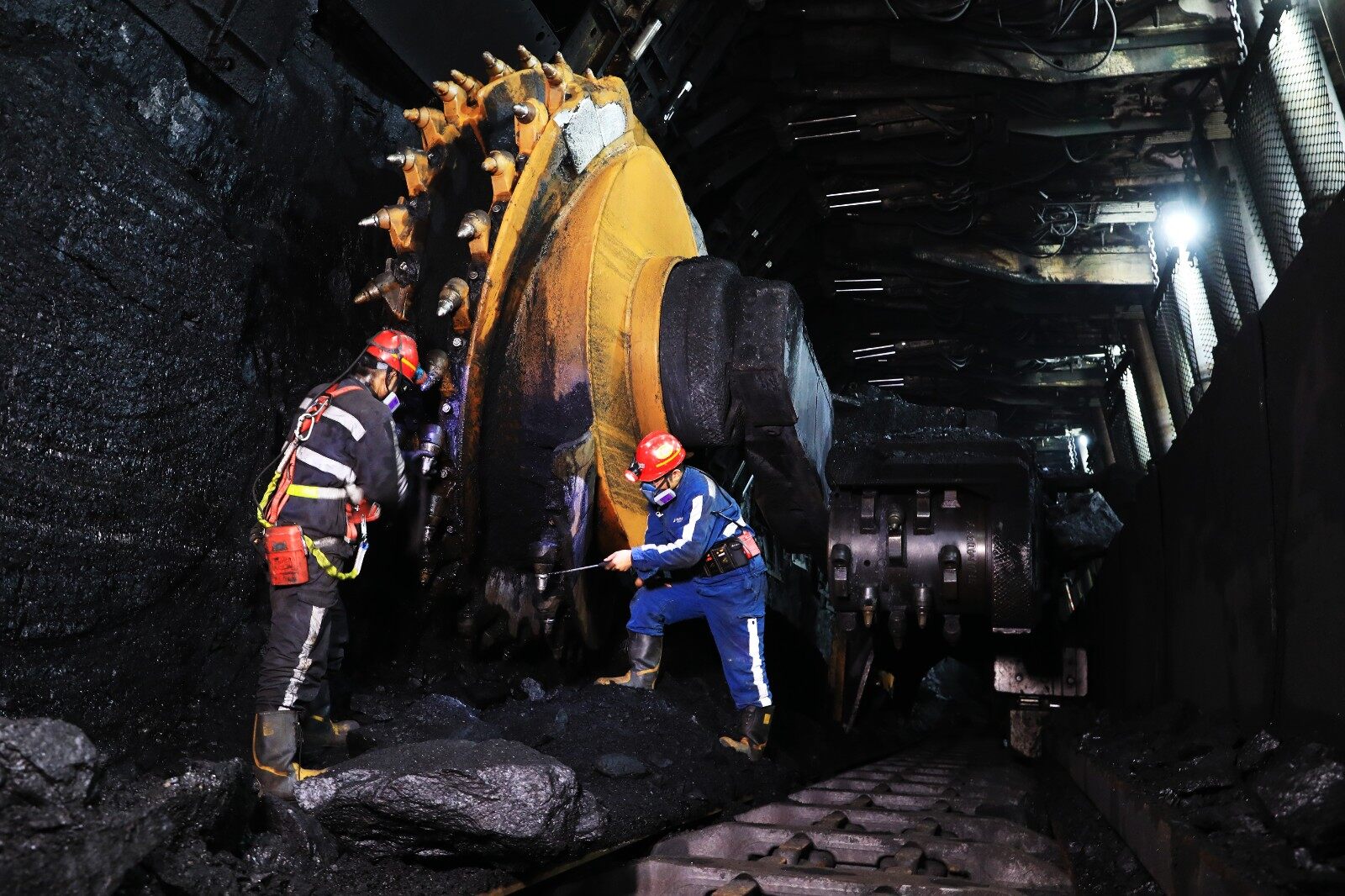
By 2025, Kazakhstan's coal production will reach approximately 115 million tons, a year-on-year increase of 7%. Among them, about 85 million tons are used for domestic power generation and people's heating, supporting about 70% of the country's electricity supply; Another 30 million tons were exported to international markets such as Russia, Poland, and Uzbekistan. At present, there are about 40 enterprises engaged in coal mining nationwide, and the industrial chain is constantly operating.
Kazakhstan's Energy Minister Yellan Akkenenov revealed at a recent government meeting that the country's total coal reserves are approximately 33.6 billion tons, which, based on the current mining scale, is sufficient to last for over 300 years. This huge reserve advantage provides a solid foundation for the long-term growth of the industry.
In the context of global energy transition, Kazakhstan has not given up its traditional advantage of coal, but has positioned it as a core pillar of energy security. The government has increased its efforts in geological exploration to continuously understand the resources and lay the foundation for large-scale mining.
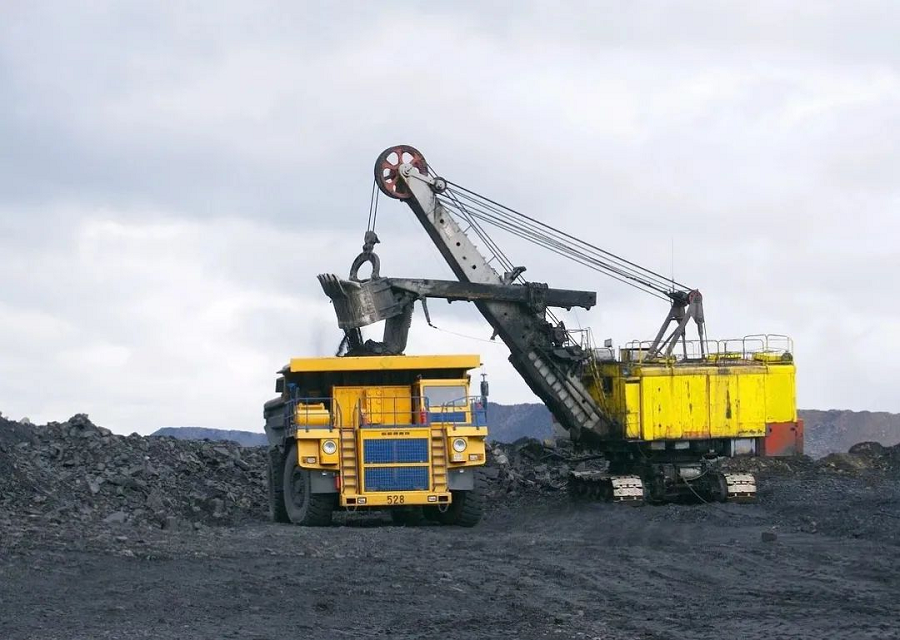
The investment of real gold and silver is the direct driving force for industrial expansion. Data shows that the investment in Kazakhstan's coal industry will reach 305 billion tenge in 2025, and this number is expected to soar significantly to 553 billion tenge in 2026. The focus of funds will be on increasing production capacity, updating equipment, and constructing mining area infrastructure.keywords:Engineering infrastructure
To further activate the market, the Ministry of Energy plans to auction off about 10 mining development rights by the end of 2026, attracting more social capital to participate. According to the plan, the national coal production target for 2026 will be raised to 128.9 million tons, continuing to maintain a steady growth momentum and further consolidating its position as an important global coal production and export country.Editor/Yang Meiling
Comment





 Praise
 Collect
 Comment

 Share
Share


Write something~