 Search


- This project will promote economic exchanges and development between the southwest region and the eastern coastal areas
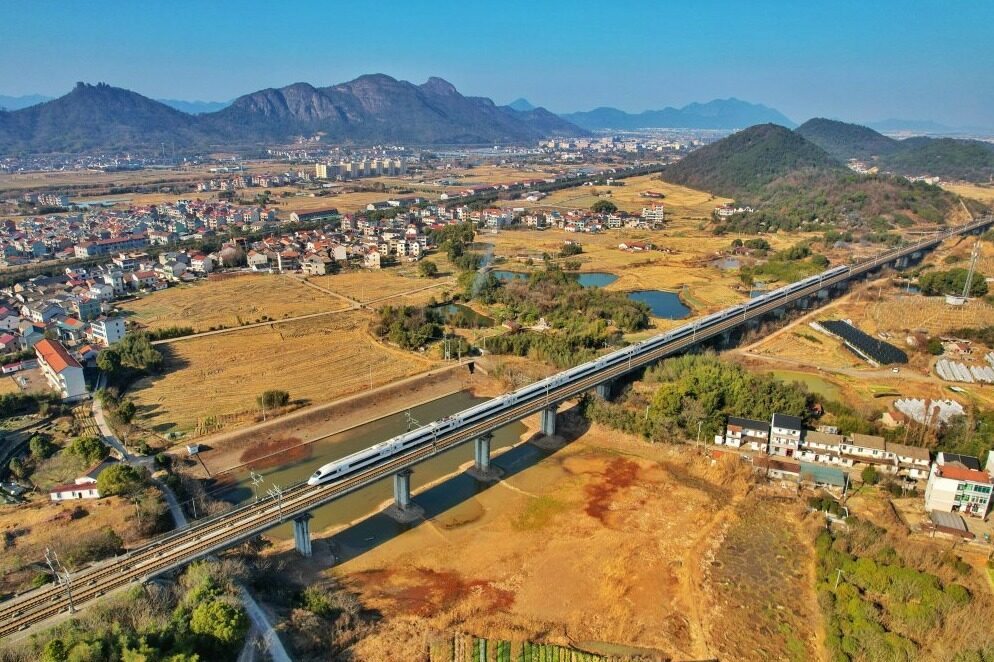
On September 26, 2025, the bidding announcement for the construction drawing design of the Guiyang Kunming section of the Shanghai Kunming Railway renovation project (under the management of Chengdu Bureau) was officially released. The project is scheduled to start on November 1 of that year, with a construction period of 54 months (1622 calendar days), and is expected to be completed on April 30, 2030. This project is located in Guizhou Province (partially in Yunnan Province) and has been included in the annual railway key project list of China Railway Group.

This renovation is of great significance, as it is a specific measure to implement the requirements of the fourth meeting of the Central Finance Committee on reducing social logistics costs and "revolving railways", and has a positive impact on improving railway operational efficiency and disaster prevention capabilities. The Shanghai Kunming Railway, as an east-west railway trunk line connecting Shanghai and Kunming in Yunnan Province, has a total length of 2690km. It is a Class I, double track, electrified railway, composed of the original Shanghai Hangzhou Railway, Zhejiang Jiangxi Railway, Hunan Guizhou Railway, and Guizhou Kunming Railway. It was officially merged on December 31, 2006 and is an important passage from the southwest region to the eastern coastal region. The original Guikun Railway was officially put into operation in July 1966. After multiple renovations, the entire line has now completed the double track electrification transformation.
The Chengdu and Kunming railway lines involved in this renovation project are located in Guizhou and Yunnan provinces, running in an east-west direction. The existing line is 916.893km long, of which the Chengdu railway section is from Dalong (inclusive) to Fenghuangshan (exclusive), with a length of 675.307km. In terms of technical standards, the main technical standards of the line should be maintained, and the standards should be appropriately raised based on the renovation and section conditions. National railway level I and double lines are adopted, and the minimum curve radius of the renovated section is generally 800 meters. In difficult sections, the existing line is maintained, with a limited slope of 13 ‰. Electric traction is used, with a traction mass of 4000 tons. The effective length of the arrival and departure lines is 850 meters series, and automatic blocking is used.
The project content is rich and diverse, with a new double track of 23.972km and a new single track of 19.940km; 1.1316 million cubic meters of earthwork has been completed, 10 new bridges totaling 3.24km have been built, 14 new tunnels totaling 32.89km have been built, and 66.0km of tracks have been laid. At the same time, in-situ remediation has been carried out, including 329 roadbed defects, 14 bridge defects, and 72 tunnel defects; Upgrade 625 kilometers of long-distance trunk optical cables, 650 kilometers of wireless communication, 3 stations of indoor and outdoor signal equipment, 40 kilometers of signal interval equipment, and 73 manual isolation switches. Keywords: Engineering Information Platform, Traffic News
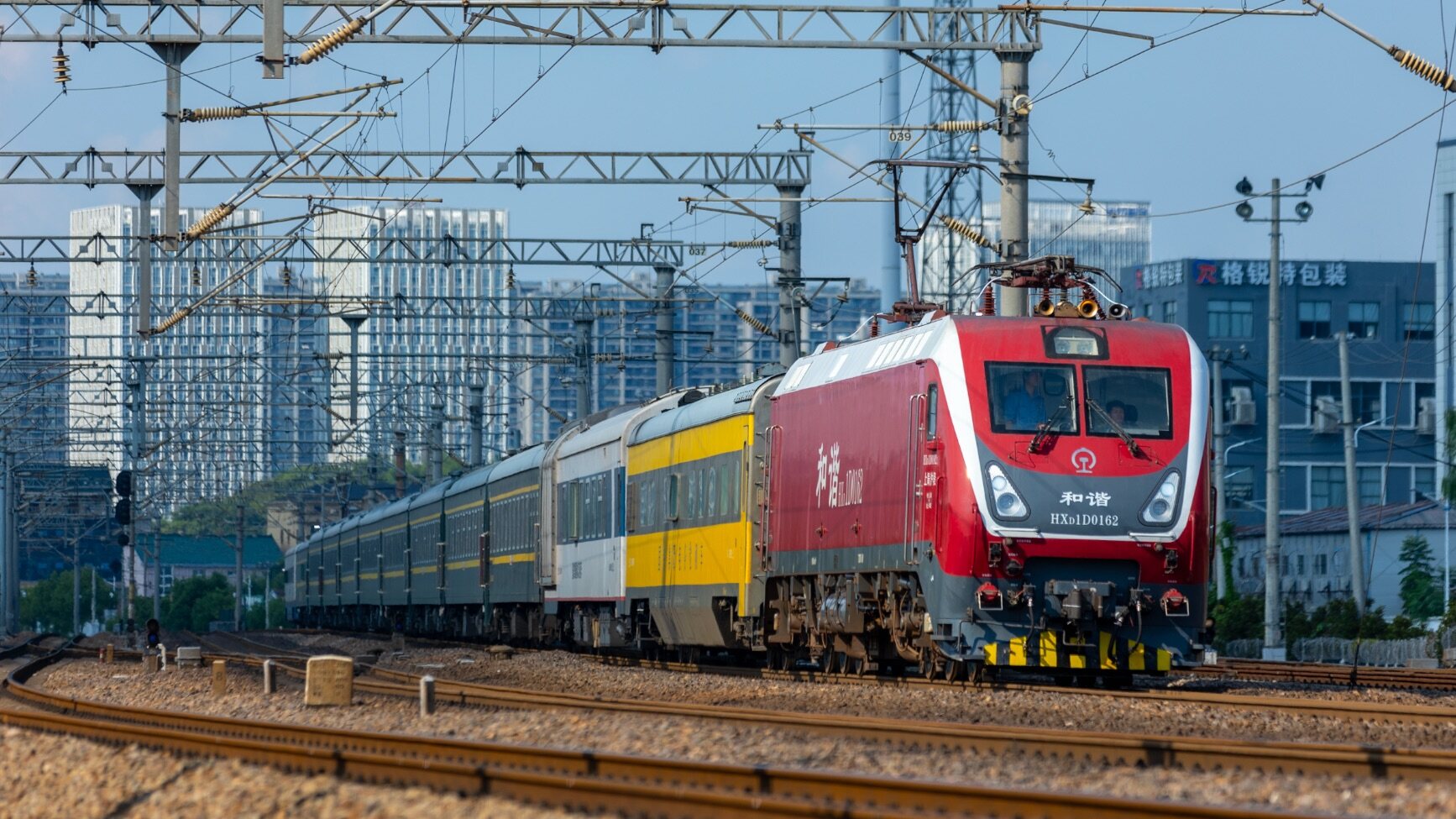
The Guiyang Kunming section of the Shanghai Kunming Railway winds through the Wumeng Mountain area of the the Yunnan-Guizhou Plateau, with steep terrain and complex geology, especially the Anshun Liupanshui section, with low design standards, bridge and tunnel connections, arduous projects and frequent geological disasters. After the completion of the new Shanghai Kunming Railway to Anliu High speed Railway Link Project in April this year, some ordinary speed trains on the Shanghai Kunming Railway have been rerouted to operate on the Anliu High speed Railway. This renovation project will inject new vitality into the Shanghai Kunming Railway, enhance its transportation capacity and safety, and better serve regional economic and social development.Editor/Cheng Liting
Comment

 Praise
 Collect
 Comment

 Share
Share


Write something~