 Search


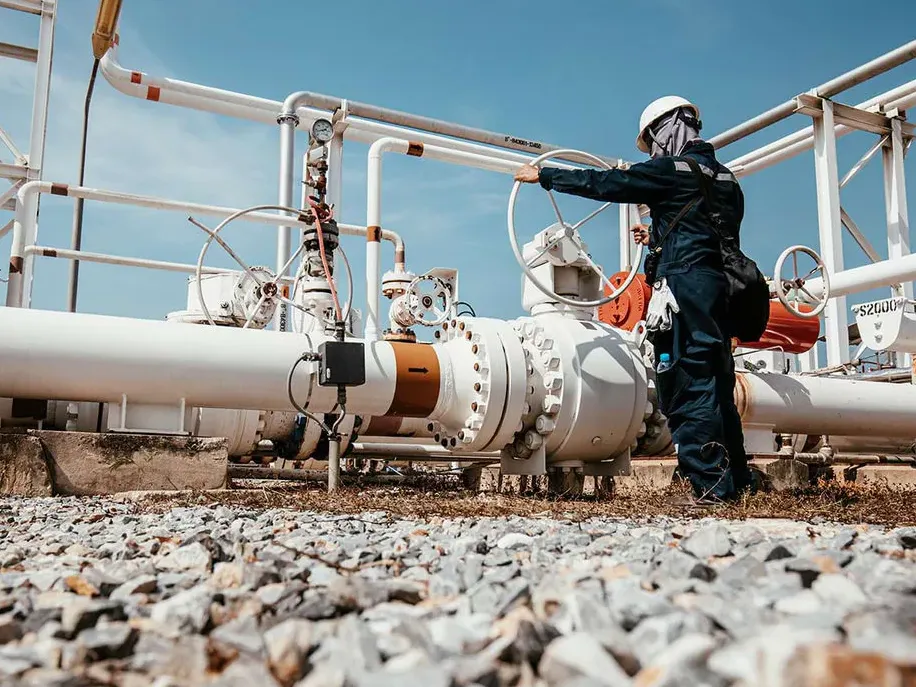
- The Middle East is rising to become a clean energy powerhouse, and its next important export market is green hydrogen energy
From an important hub of ancient trade to the forefront of future energy economy, the Middle East is re establishing its historical position - this time, it aspires to become a global powerhouse in the field of green hydrogen energy.
The Middle East has a long history as a key global player. As early as 1908, Iran first discovered important oil resources, and the subsequent production boom after World War II gradually elevated the region to an energy hub, profoundly influencing the global political landscape for decades. However, times are changing.
Saudi Arabia, the United Arab Emirates, Oman, Qatar and other countries are re planning their long-term energy and economic future, striving to build themselves as important forces in the emerging green hydrogen economy. These countries are actively shifting away from dependence on fossil fuels and towards diversified and sustainable energy exports to help achieve global decarbonization goals.
Green hydrogen energy becomes a new export commodity
Green hydrogen energy is gradually becoming a key export commodity in the energy transition. It has a wide range of applications, covering multiple fields such as electricity, heating, transportation, and industry, especially providing decarbonization pathways for industries such as steel and logistics that are difficult to electrify. According to the International Energy Agency's 2024 Global Hydrogen Assessment, global hydrogen demand will reach 97 megatons in 2023, an increase of 2.5% from 2022, but most of it will still come from unreduced fossil fuels. Truly sustainable green hydrogen energy must rely on renewable energy to drive, and currently low emission hydrogen production is still less than 1 million tons.
Although electrolysis capacity has soared to nearly 520 gigawatts and is expected to reach a potential annual output of 49 megatons by 2030, scalability and infrastructure remain major challenges. Middle Eastern countries have realized this, with policies such as Saudi Arabia's "2030 Vision" and the UAE's "National Hydrogen Strategy" positioning hydrogen as a key pillar for reducing oil dependence and attracting global investment.]
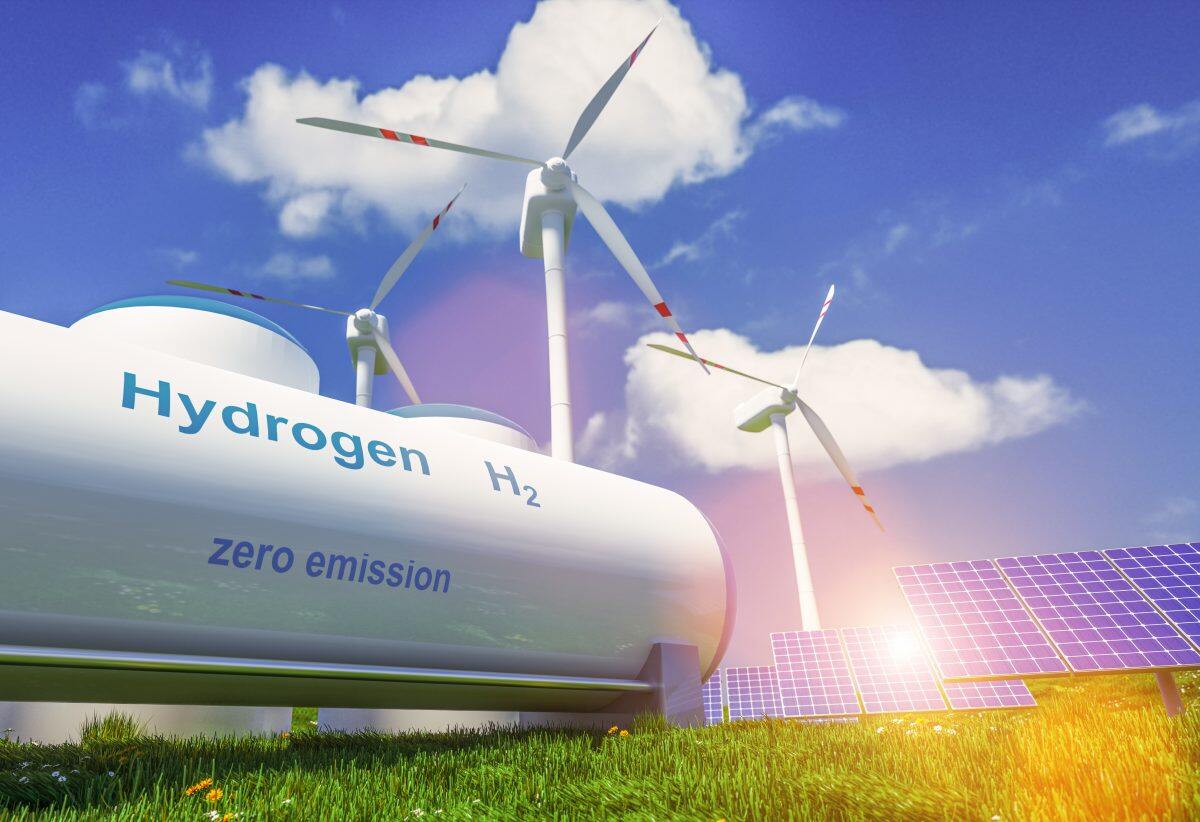
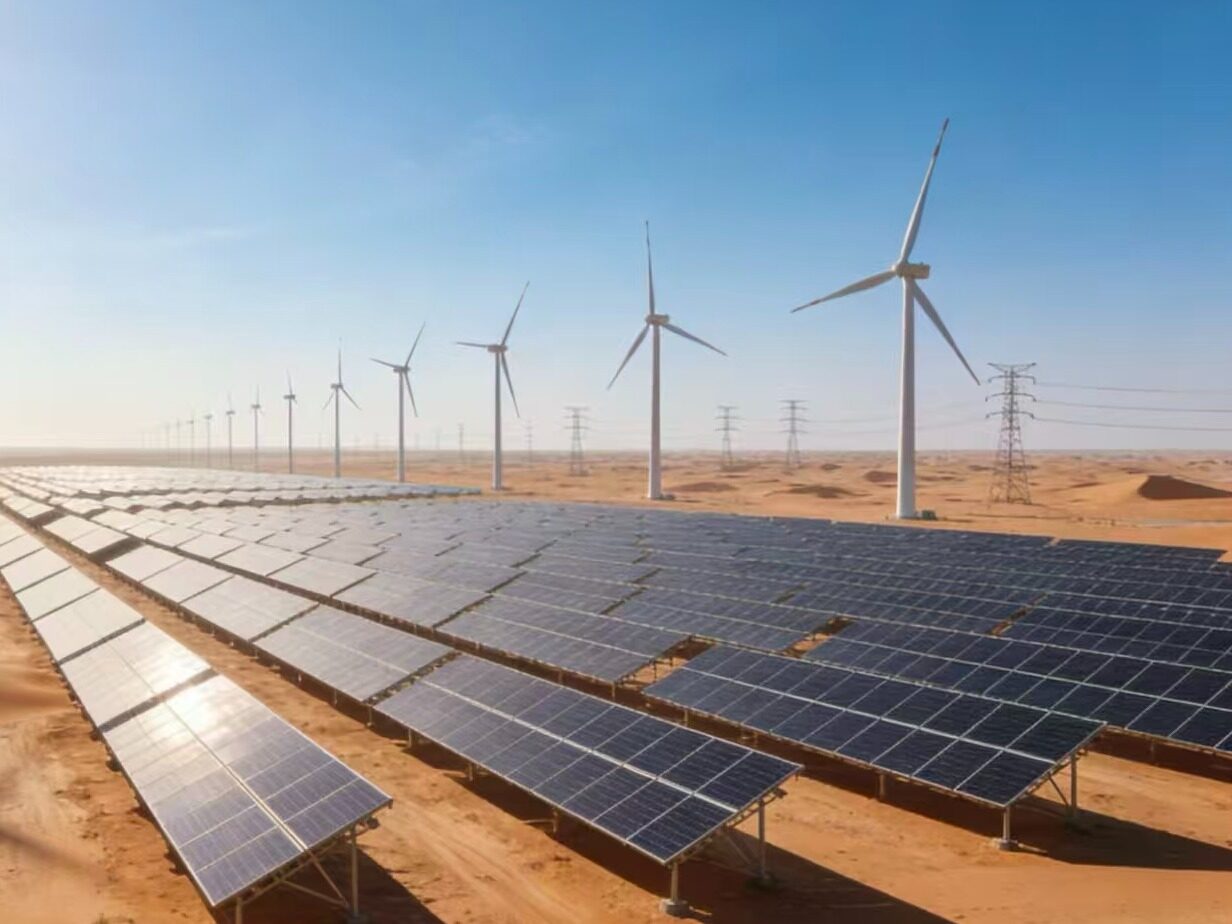
The Middle East region has the lowest cost of renewable energy in the world, thanks to its abundant sunshine resources and stable wind conditions. In 2021, Saudi Arabia set a world record for solar power purchase agreement prices of $0.0104 per kilowatt hour, and the upcoming Al Sadawi solar photovoltaic project continues this trend with a levelized electricity cost of only $0.012926 per kilowatt hour. These advantages make the Middle East one of the regions with the lowest hydrogen production costs in the world, ranging from $6.54 to $12.66 per kilogram, while Europe has a cost of $9.88 to $14.31 per kilogram.
In addition to superior natural conditions, the Middle East also has mature energy infrastructure and professional experience. Important ports such as Dubai, Suhal, and Yanbu are gradually transforming into green fuel export hubs. Meanwhile, the region is adjacent to Europe and can achieve efficient transportation through the Suez Canal and Gulf ports, further enhancing its competitiveness. In addition, strong government support has provided solid guarantees for the development of green hydrogen energy. Countries such as Saudi Arabia, the United Arab Emirates, and Oman have incorporated hydrogen production targets into their national strategies to promote financing and local capacity enhancement.
The hydrogen energy vision in the Middle East is not just empty talk, but based on practical projects and cooperation. For example, the NEOM green hydrogen plant with a total investment of $8.4 billion, supported by companies such as ACWA Power and Air Products, is expected to be fully operational by 2026; The hydrogen roadmap of the United Arab Emirates sets ambitious goals by 2050. The NEOM Helios project is planned to become the world's largest green hydrogen facility, with a daily output of 600 tons; Oman also plans to build a 25 gigawatt wind solar complementary electrolytic cell cluster as part of its "2040 Vision" energy diversification strategy.
Green hydrogen energy in the Middle East faces many challenges
The expansion of any emerging field will not be smooth sailing. The budget for the NEOM project has been increased by 70% from the initial $5 billion, mainly due to inflation, financing costs, and supply chain pressures. In addition, the shortage of water resources in the region is prominent and may require innovative solutions such as advanced seawater desalination technology or air-cooled electrolytic cells. Integrating these technologies into existing infrastructure and power grids also requires the assistance of professional intelligent software to achieve stable and reliable energy management and distribution.
At the political and geopolitical levels, the Middle East also faces risks. Immature market demand and regulatory systems make strategies vulnerable to policy changes, and regional tensions may also disrupt transportation routes. Meanwhile, international competition is becoming increasingly fierce: Australia plans to become the world's largest hydrogen supplier by 2050, while Chile is committed to achieving 1800 gigawatts of production capacity by 2040, becoming a low-cost hydrogen leader. To maintain a leading position in competition, the Middle East must act quickly, expand efficiently, and continuously optimize costs and sustainability.
Although green hydrogen is widely regarded as a climate solution, its overall environmental benefits are still controversial. To ensure that hydrogen energy is truly 'green', the electricity used in the electrolysis process must come entirely from renewable energy sources. In addition, hydrogen energy experiences significant energy losses during conversion, compression, storage, and transportation, and water scarcity issues may also bring new environmental pressures due to reliance on seawater desalination. Large scale infrastructure construction is also accompanied by a high carbon footprint, involving the use of a large amount of steel, concrete, and key minerals. Therefore, establishing strict sustainability standards and a trustworthy third-party certification mechanism is crucial for maintaining the reputation of green hydrogen energy.
The Middle East has the opportunity to not only become a low-cost hydrogen production site, but also a leader in the global hydrogen economy. Saudi Arabia, the United Arab Emirates, Oman, and other countries have reached export agreements with important markets in Europe, Asia, and other regions, where local supply may struggle to meet future demand. For example, the collaboration between NEOM and SEFE in Germany demonstrates how Gulf countries can help overseas industries achieve decarbonization through hydrogen derivatives such as ammonia and methanol.
The competition for the global hydrogen economy has begun, and the Middle East, with its scale, resources, and ambition, is fully capable of participating in the competition. But success is not inevitable. The region must demonstrate its ability to meet and lead the global hydrogen value chain with reliable investments, transparent standards, and credible technological capabilities. This is a key opportunity for the Middle East to transition from a leader in fossil fuels to a leader in clean energy. Now, momentum has formed and action is fundamental.
About the Author
Khalid Qarooni is a technical sales and business development engineer at COPA-DATA, an energy software expert in Saudi Arabia. He holds a degree in Process Operations and Maintenance from Glasgow Caledonian University. Khalid will join COPA-DATA Group from 2023 and be responsible for business in the Middle East region.Editor/Huang li Jun
Comment

 Praise
 Collect
 Comment

 Share
Share


Write something~