 Search


- The EU is attempting to accelerate the landing of AI technology in key industries and break its dependence on foreign technology

Faced with the competitive landscape dominated by the United States and China in the global artificial intelligence field, the European Union is urgently seeking ways to break through. Recently, the European Commission officially announced a "Applied Artificial Intelligence" strategy with a total investment of 1 billion euros, aimed at accelerating the landing of AI technology in its key industries and reducing external technological dependence. Although this ambitious plan has been welcomed by the industry, the significant gap in investment scale compared to China and the United States has also sparked widespread discussions about whether Europe can truly achieve its AI ambitions.
According to the "Application of Artificial Intelligence" strategy announced by the European Commission, this funding will focus on promoting the popularization and application of artificial intelligence tools in key areas such as healthcare, energy, culture, and construction. Von der Leyen, the president of the European Commission, has high hopes for this. She said: "I hope this can shape the future of artificial intelligence in Europe. We will promote the concept of" artificial intelligence first "in all key areas."
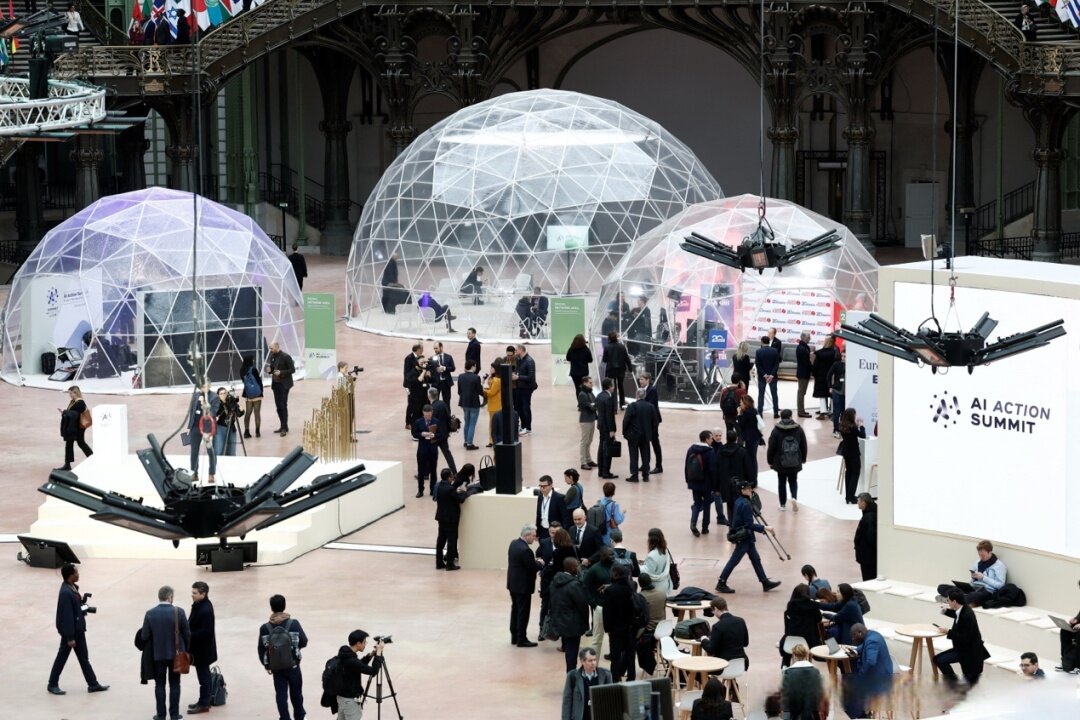
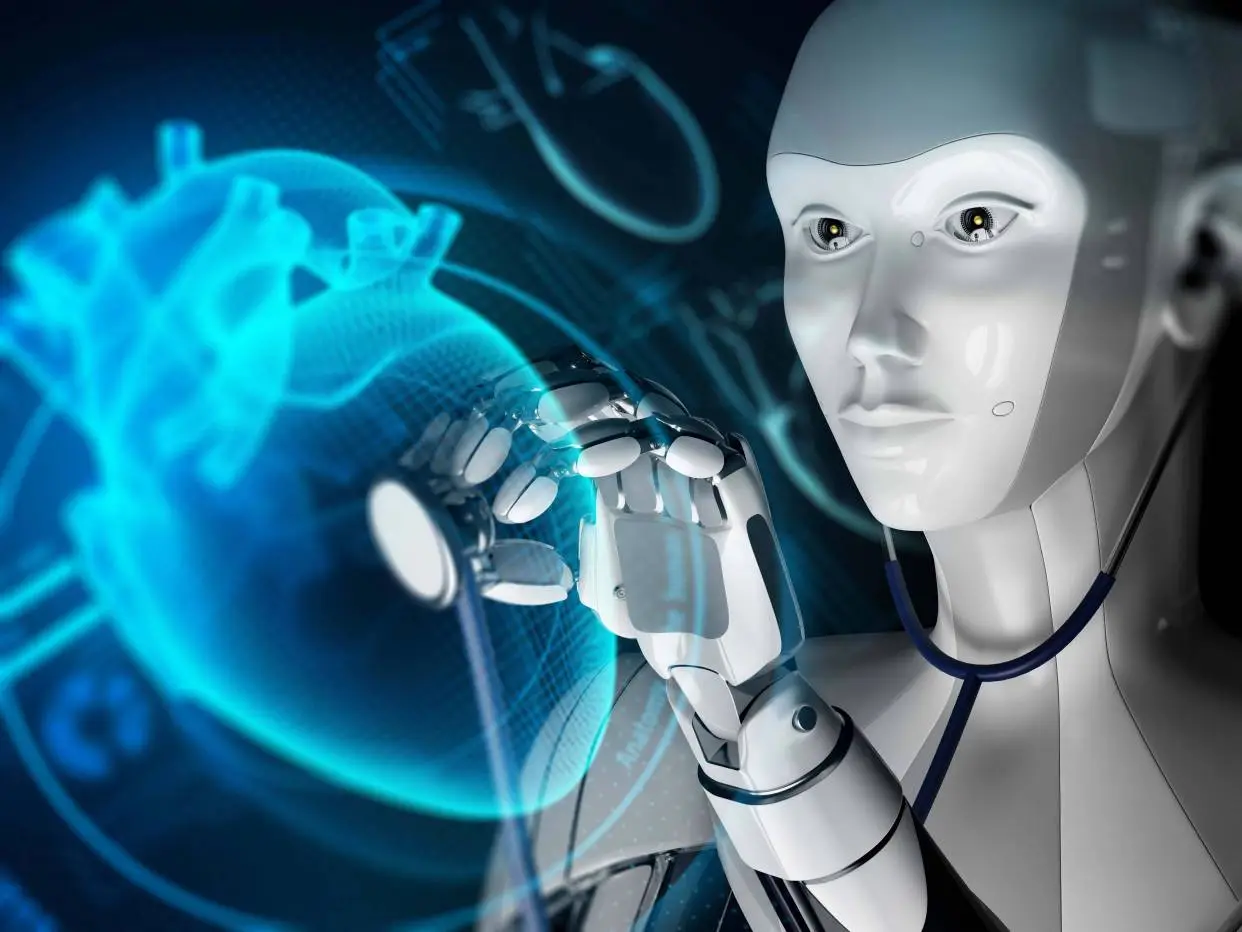
The strategy also plans specific technological paths, such as establishing a network of health screening centers supported by artificial intelligence, and exploring the application of "agent-based artificial intelligence" that can independently perform tasks in the energy sector. The relevant funding will mainly come from existing research projects in the European Union.
The German digital federation Bitkom welcomes the "mindset shift" reflected in this strategy. However, the association also openly pointed out the challenges facing Europe - the EU's 1 billion euro investment pales in comparison to the 500 billion euro AI infrastructure projects being planned by the United States and China. Bitkom Management Committee member Susanna de Maire emphasized, "Only with the support and assistance of private capital can Europe achieve its ambitious goals through public investment
The practical challenges of applying AI in enterprises cannot be ignored. According to a recent survey by Ernst&Young, almost all large companies that were the first to use artificial intelligence suffered financial losses in the early stages, with an estimated total of up to $4.4 billion. These losses mainly stem from inaccurate or biased AI results, or from companies violating compliance and sustainable development goals. Ernst&Young expert Joe Depa commented on this, "Artificial intelligence will undoubtedly improve efficiency and productivity, but value creation will lag behind because these benefits will be invested in more work rather than necessarily used to save costs or increase direct operating income
The launch of this strategy is one of the series of actions taken by the EU to build an autonomous AI ecosystem. Last year, the European Union passed a landmark Artificial Intelligence Act aimed at establishing a unified legal framework for AI applications. Subsequently, an action plan was introduced in April 2025 aimed at reducing the regulatory and cost burden incurred by startups in the compliance process. Keywords: European Union AI
The EU's 1 billion euro investment is a firm step taken by it in the midst of the competition between Chinese and American technology giants for the voice of AI. However, this path of 'technological autonomy' is destined to be full of challenges. Previously, there was a huge capital investment and first mover advantage from China and the United States, followed by the actual losses and compliance risks in the early stages of enterprise application of AI. Whether the ambition of the European Union can be realized not only depends on the precise execution of its strategy, but also on whether it can successfully leverage private capital and form a vibrant local AI innovation ecosystem. This competition about future competitiveness has just begun. Editor/Xu Shengpeng
Comment





 Praise
 Collect
 Comment

 Share
Share


Write something~