 Search


- 100% renewable energy supply is not only necessary, but also feasible and economical
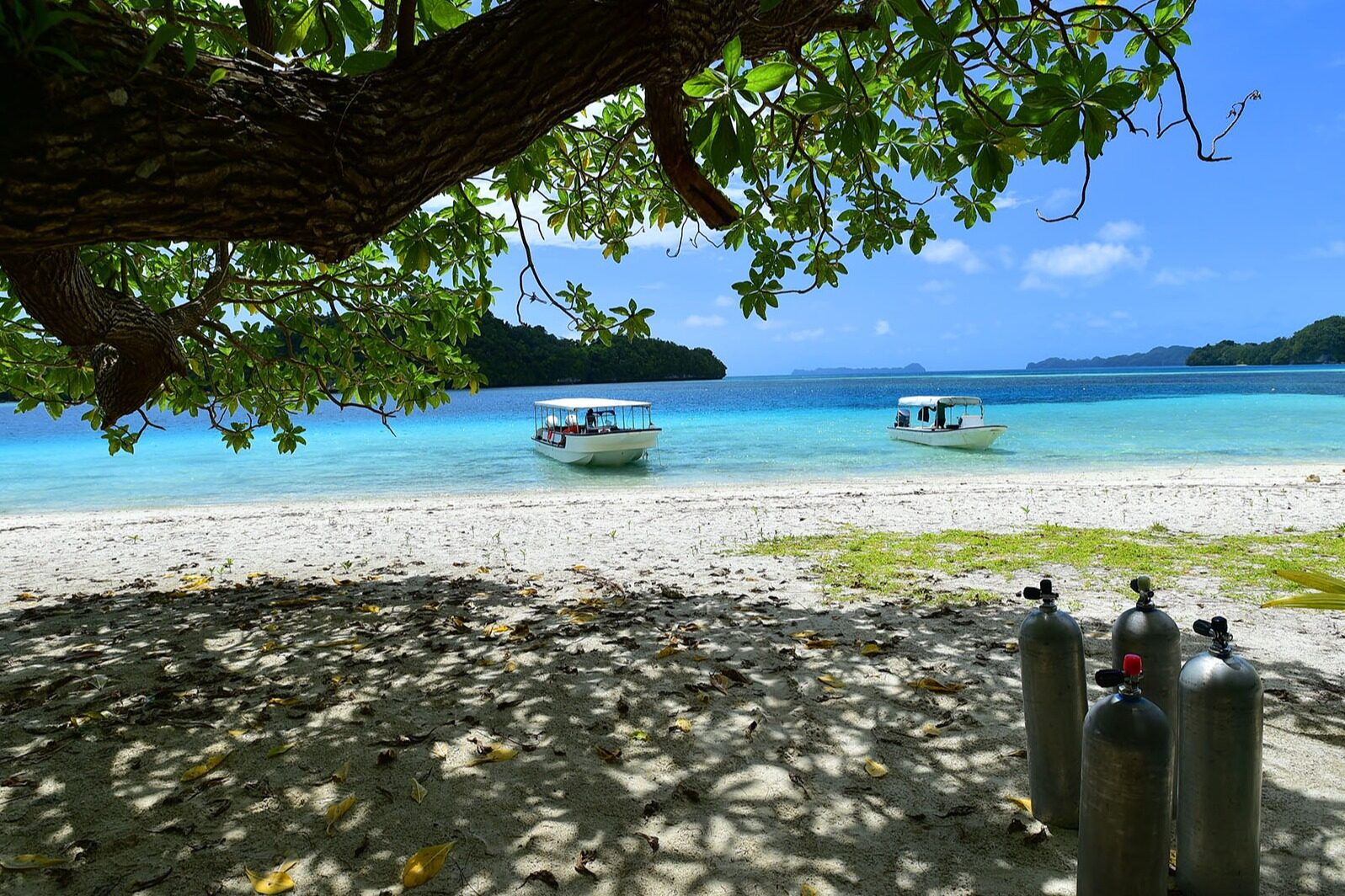
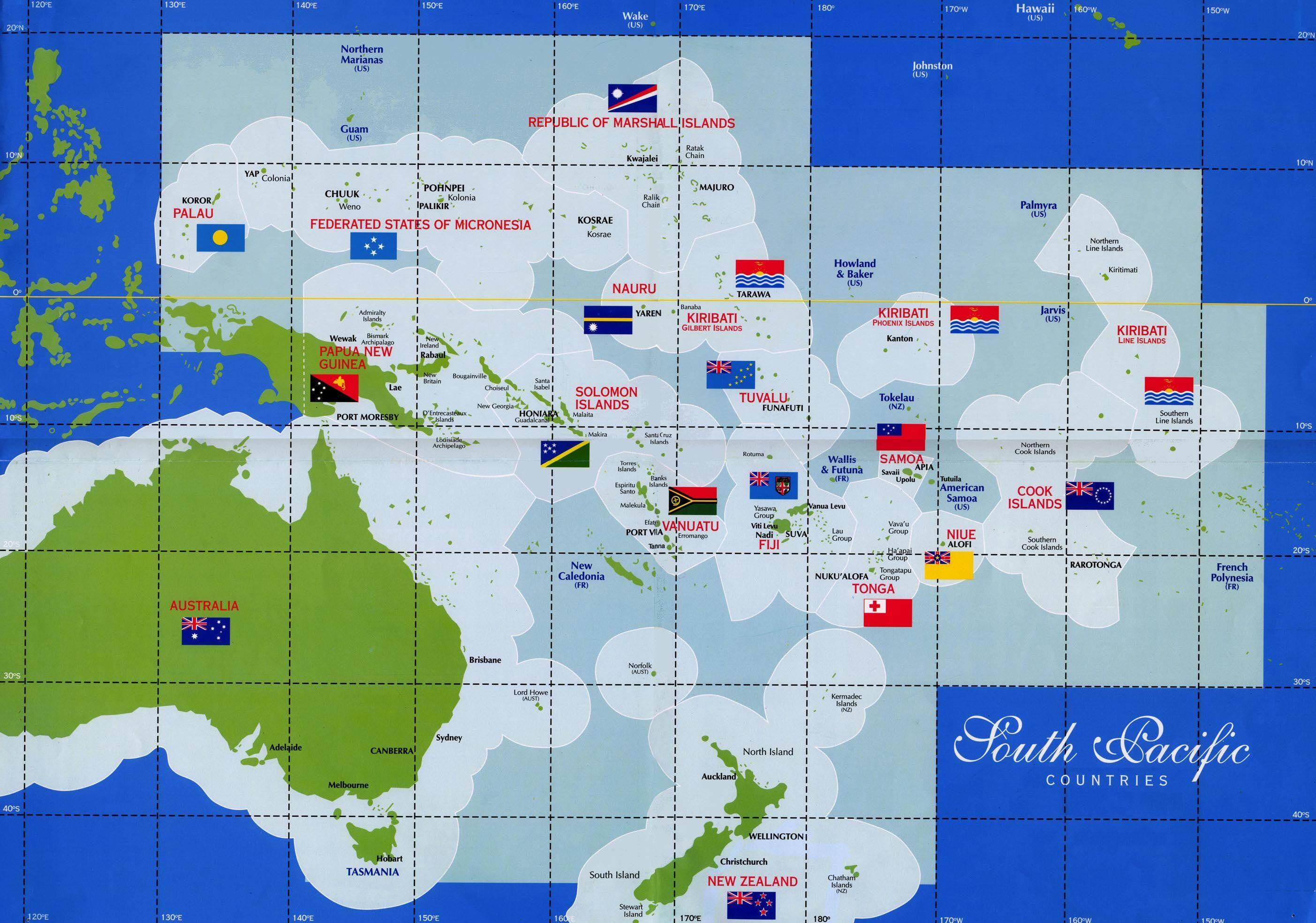
On the world map, Pacific island countries are like pearls scattered in the azure ocean. Despite their small size, they play a crucial role in global climate issues. While the world is still debating the path of energy transition, these countries are painting a blueprint for a future entirely driven by renewable energy through practical actions.
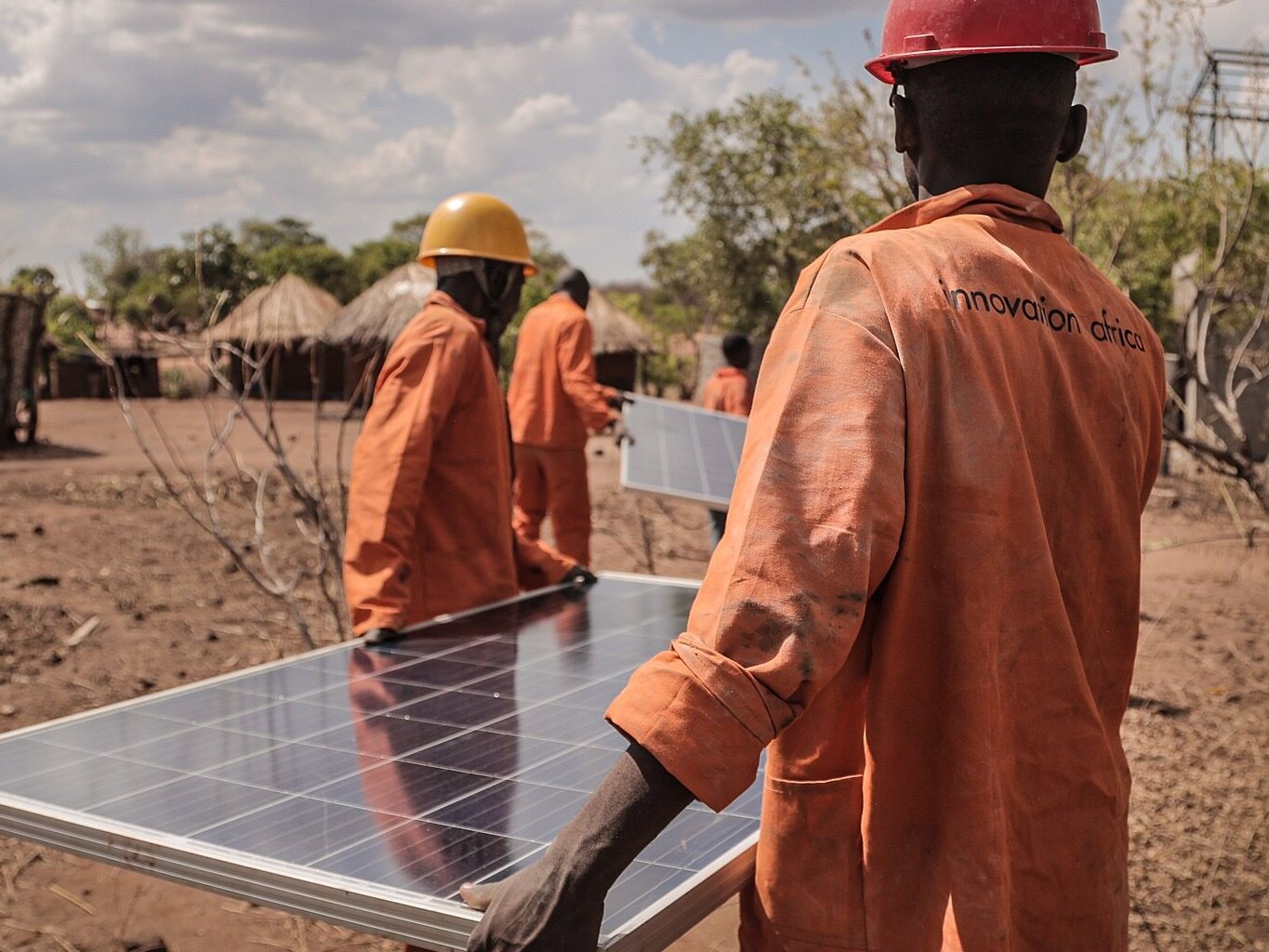
Dusk shrouded the Solomon Islands, and a fishing boat quietly returned to port with its silent electric outboard motor. The large batteries in the Cook Islands silently support the power grid, while in the highlands of Papua New Guinea, solar panels light up homes for the first time. Behind these seemingly ordinary daily lives lies the energy revolution of Pacific island countries fighting for survival.
For decades, the countries in this sea area have been at the forefront of global climate action. Faced with the threats of rising sea levels, ocean acidification, and coral bleaching, their leaders pushed for the Paris Agreement in 2015, successfully establishing a temperature control target of 1.5 ℃. Now, they are once again leading the trend - planning to create the world's first region that relies entirely on renewable energy and energy storage systems for power supply.

This ambition is not a fantasy, but a necessary choice in reality. Currently, Pacific countries have to allocate 10% to 25% of their GDP annually to importing fossil fuels. The dependence on imported energy from generators to transportation severely restricts economic development. Once energy independence is achieved, the released funds and potential will be extremely considerable.
Despite the clear vision, challenges still exist. The high transportation costs, limited financing channels, shortage of professional talents, and imperfect regulatory system have all slowed down the pace of transformation. Therefore, leaders of various countries will officially release a roadmap for the development of renewable energy at next week's COP30, and hope to seek key support for local energy transformation through the joint bid with Australia for COP31.
The economic account is now clear: Pacific countries spend AUD 9-14 billion annually on importing diesel and vehicle fuel. In contrast, the cost of solar energy and batteries has sharply decreased - since 2010, the installation cost of solar energy has decreased more than fivefold. Replacing diesel power with clean energy is expected to require an initial investment of $3 billion to $4 billion, but the annual fuel savings of $610 million to $840 million will quickly recoup the investment.
The real bottleneck lies in the financing of large-scale projects and infrastructure construction. However, many peripheral islands have shown the possibility of rapid transformation - directly replacing diesel generators with solar energy and energy storage batteries. At the same time, the promotion of electric vehicles has also made progress: Fiji has rapidly popularized electric and hybrid vehicles through government incentives, and electric outboard motors have also entered the stage of large-scale use.
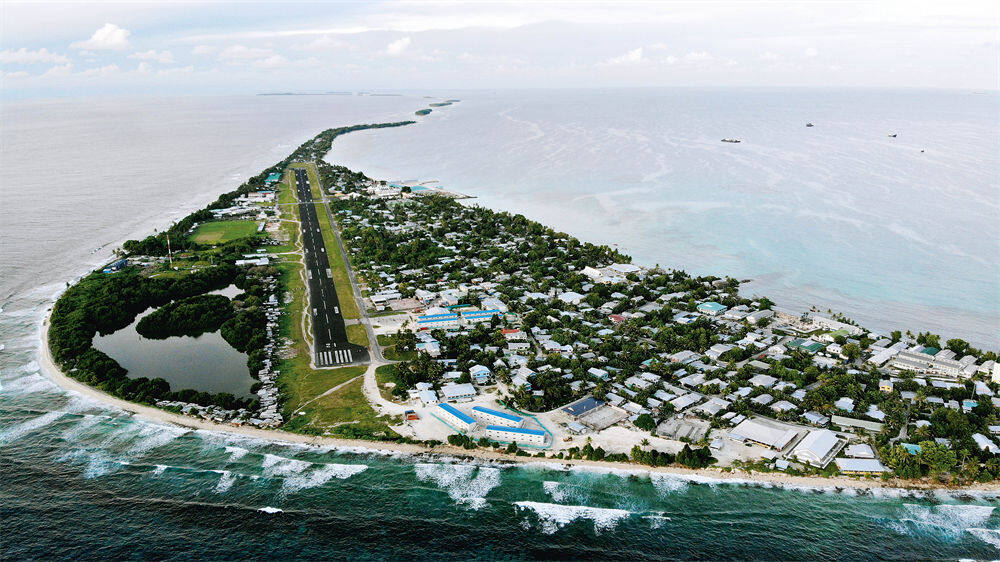
Under the framework of the Paris Agreement, each island nation has set ambitious goals: Fiji plans to achieve 100% renewable energy supply by 2035, while Tuvalu aims for 2030. To promote this process, the Pacific region will establish an energy commissioner to coordinate and coordinate the transformation work.
It is worth noting that the emissions of Pacific island countries account for only 0.02% of the global total, and even if completely eliminated, their direct impact on mitigating global warming is minimal. The deeper significance of this plan lies in demonstrating the feasibility of transitioning to 100% renewable energy. As Vanuatu's Minister of Climate and Energy, Reagan Vanu, said, "If Pacific island countries can successfully achieve rapid transformation, they will become a beacon of light for the world - this is crucial to our survival
For low-lying atoll countries, keeping the temperature rise below 1.5 ℃ is directly related to the survival of their territory. Climate migration has become a reality - Tuvaluan residents are moving to Australia by drawing lots, and multiple villages in Fiji are moving to the highlands as a whole.
Next year may become a turning point. If COP31, jointly sponsored by Pacific countries and Australia, is successful, it will attract crucial investment and technological cooperation for the region. Palauan President Wipes emphasized that hosting a climate conference in the Pacific must bring "tangible benefits". As the incoming President of the Pacific Islands Forum, he plans to promote the establishment of regional partnerships for renewable energy and hold investment promotion meetings before COP31.
Australia's supportive role is crucial. The country is accelerating its domestic transition to renewable energy and providing support for the Pacific Clean Energy Project. But Pacific leaders are also calling on Australia to "stop approving new natural gas and coal projects" and end fossil fuel subsidies.
From economic costs, energy security to climate leadership, the comprehensive shift towards clean energy in the Pacific region has demonstrated outstanding foresight. These countries have proven through their actions that addressing climate change is no longer just about mitigating disasters, but also a historic opportunity to open up more efficient and autonomous development models. Keywords: international engineering news, foreign engineering project information, foreign engineering construction news
When fishermen in the Solomon Islands gather their nets in tranquility, and children in Papua New Guinea study under solar powered lights, these tiny moments are converging into energy that changes the world. Can Pacific island countries successfully achieve this energy revolution? The answer not only concerns the fate of the island, but also provides a precious blueprint for courage, innovation, and hope for all humanity. Editor/Xu Shengpeng
Comment

 Praise
 Collect
 Comment

 Share
Share


Write something~