 Search


- The experimental reactor has been built, and China has taken the lead in conquering the next generation of nuclear energy technology
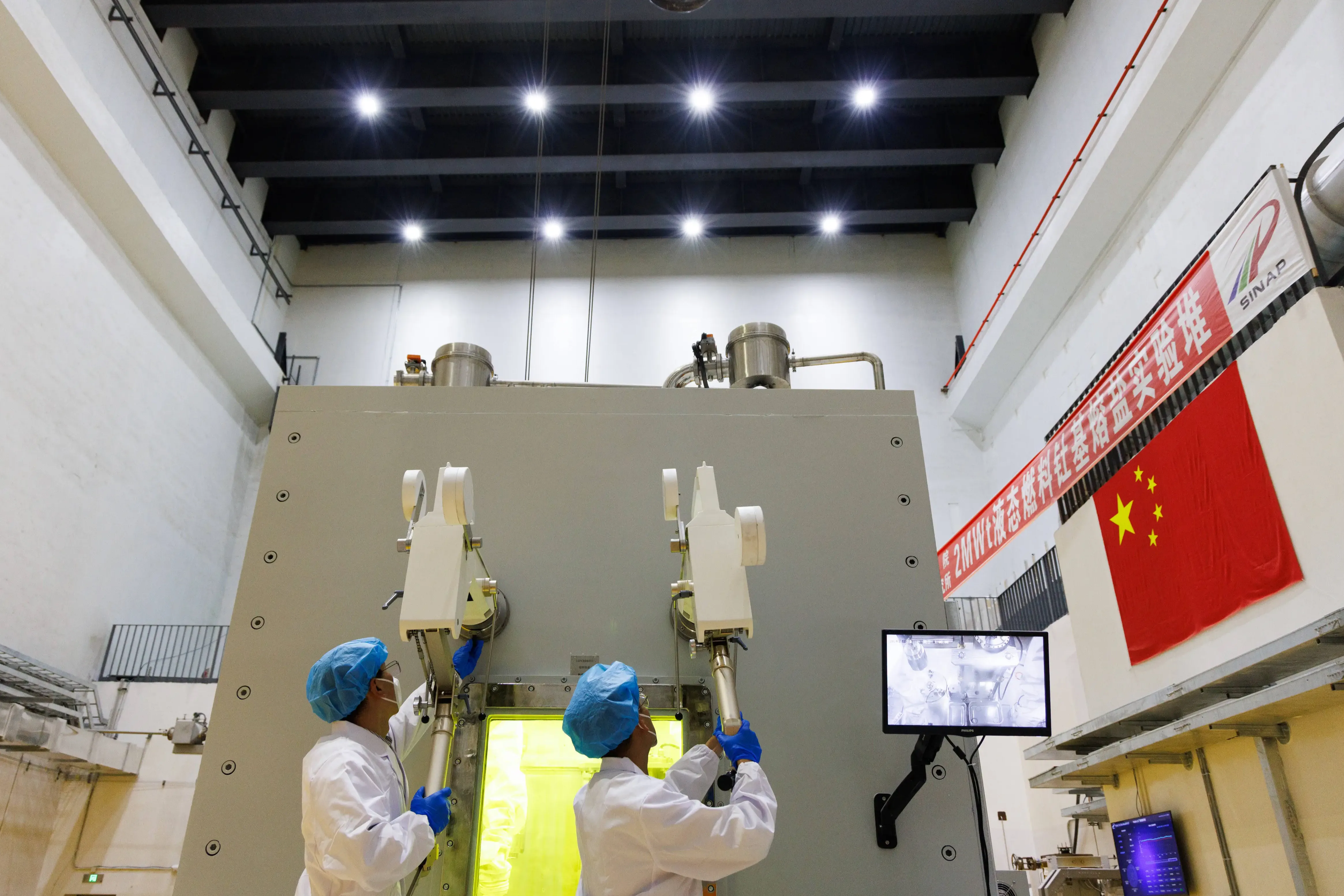
Under the dual promotion of global energy transition and carbon neutrality goals, China is actively exploring safer and more sustainable paths for nuclear energy development. The completion of a new nuclear reactor, the Thorium based Molten Salt Experimental Reactor, located on the Gobi Desert in Gansu Province, marks a crucial step for China in the field of fourth generation nuclear energy technology. This technology is not only expected to change China's long-term energy pattern of relying on uranium fuel, but also to inject new impetus into the global development of nuclear energy.
The import dependence of uranium fuel and the bottleneck of nuclear energy
The Chinese nuclear power industry has developed rapidly in recent years, but behind it lies the reality of a high dependence on imported uranium resources. At present, China's proven uranium reserves account for only 4% of the world's total, far from meeting the growing domestic energy demand. Data shows that China's dependence on uranium resource imports has exceeded 70% for a long time, which not only poses energy security risks, but also makes nuclear power development vulnerable to international market fluctuations.
In contrast, China has extremely abundant thorium resources. It is estimated that the national thorium reserves exceed 300000 tons, accounting for about one tenth of the global total, second only to India and ranking second in the world. The breakthrough in thorium based molten salt reactor technology has brought new value to these previously dormant resources. In addition, the relatively balanced distribution of global thorium resources can help change the current energy geopolitical pattern where uranium resources are concentrated in a few countries and reduce energy supply risks.
The 'nuclear transformation technique' from thorium to uranium
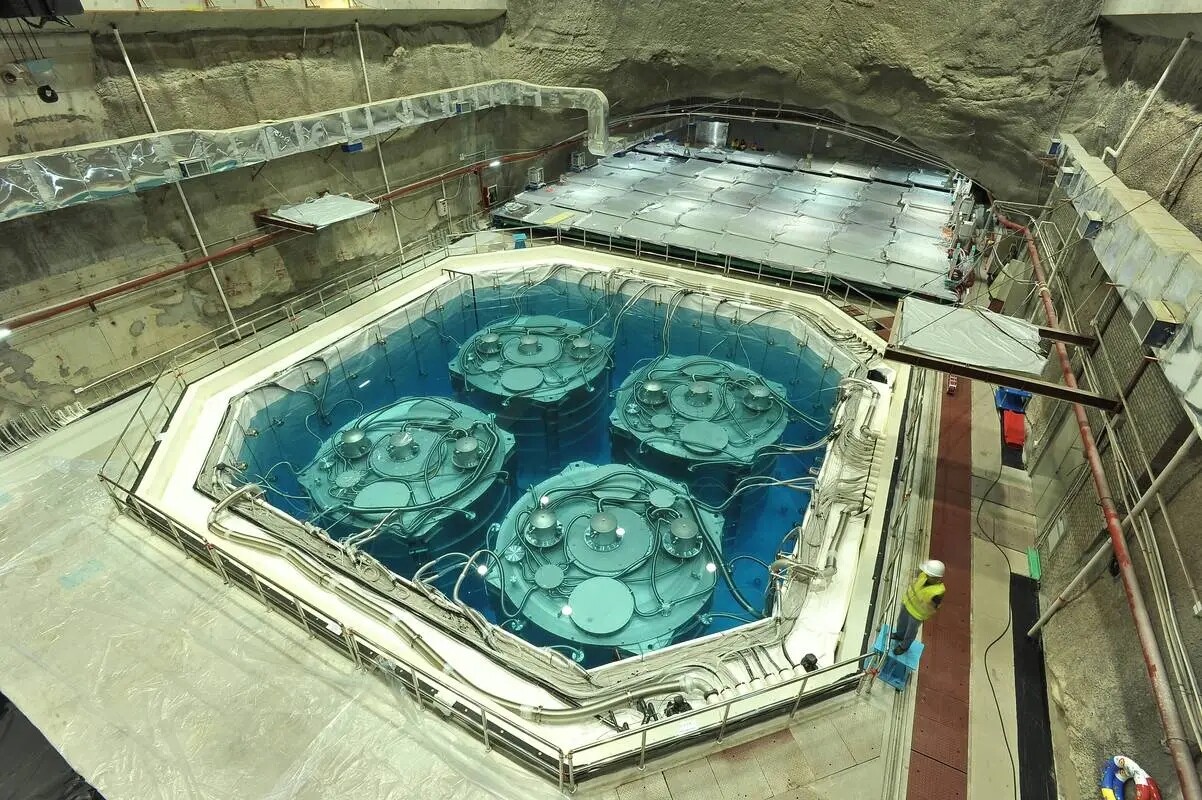
The core of thorium based molten salt reactors is to achieve efficient conversion of thorium-232 to uranium-233. Thorium-232 itself cannot undergo direct fission and needs to be converted into uranium-233 through neutron bombardment in order to become effective nuclear fuel. This process is like "turning stone into gold", converting unusable thorium into efficient energy.
The reactor uses fluoride salts as fuel carriers and coolant. At high temperatures, fluoride salts melt into liquid form, forming "molten salts" that carry both fuel and heat transfer. This design brings multiple advantages: normal pressure operation eliminates the risk of high-pressure explosions; High boiling point to avoid coolant boiling accidents; The liquid system also supports continuous feeding and online processing, greatly improving fuel utilization efficiency.
Passive safety design brings a qualitative leap forward
Thorium based molten salt reactors have achieved revolutionary breakthroughs in safety. The key lies in passive safety design, especially the mechanism for dealing with residual decay heat. Once a traditional nuclear power plant loses its cooling capacity, core meltdown may occur, and thorium based molten salt reactors have "freeze plugs" at the bottom of the reactor. In abnormal situations such as power outages, the freeze plug automatically melts, and the liquid fuel is discharged into the emergency storage tank by gravity. It can be cooled through natural heat dissipation without external intervention, thus completely eliminating the risk of core meltdown.
In addition, the long-lived radioactive substances in the nuclear waste generated by the thorium fuel cycle are significantly reduced, and the half-life of most fission products is only a few decades, significantly reducing the burden and environmental risks of long-term storage of nuclear waste.
Opportunities and Challenges from Experimental Reactor to Commercialization
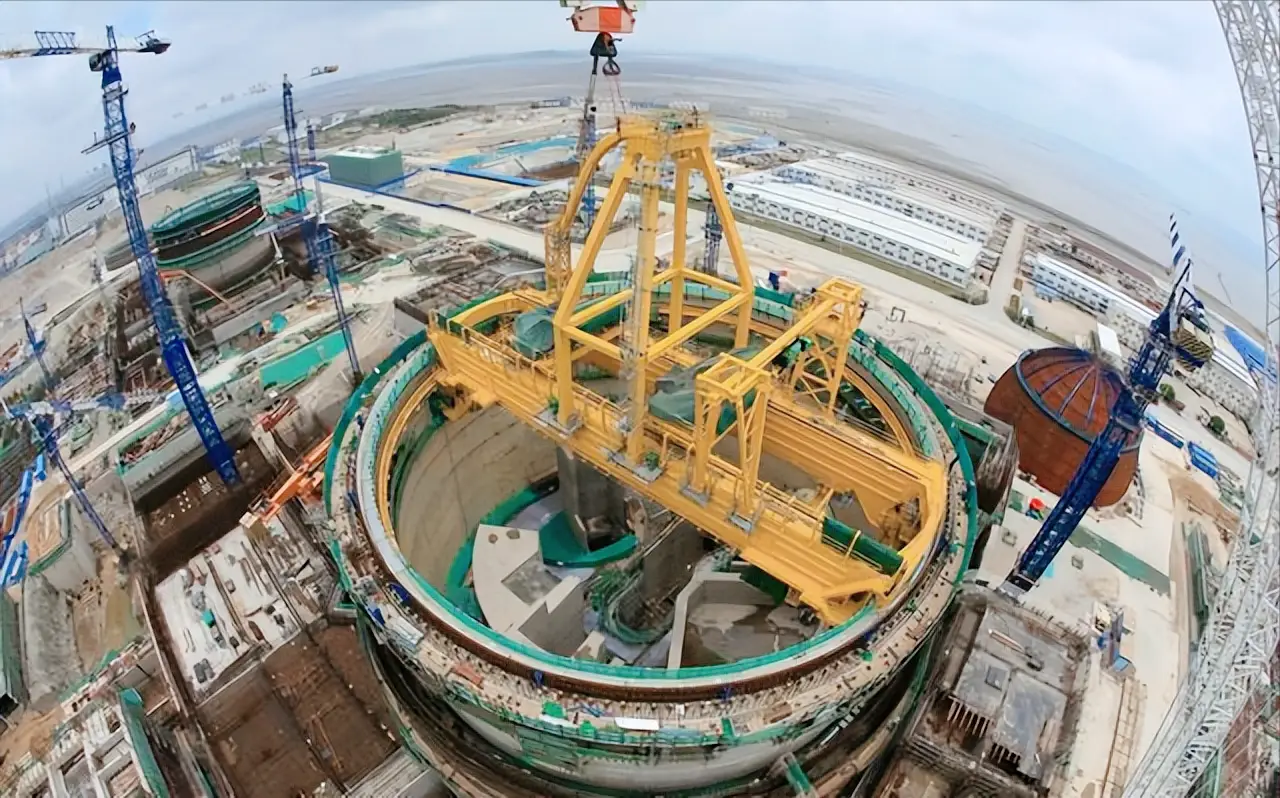
Despite the enormous potential of thorium based molten salt reactor technology, there are still many challenges in transitioning from experimental reactors to commercialization. At present, the installed capacity of the experimental reactor is only 2 megawatts, mainly used for key technology verification. The next step is to overcome challenges such as material corrosion, fuel post-treatment, and improving thorium uranium conversion efficiency.
The industry expects that commercialization of thorium based molten salt reactors may take another 10-15 years. Once successful, its application scenarios will be very extensive: in the northwest region, it can complement wind and solar energy to provide stable electricity; In coastal areas, it can serve as a base load power source to promote emissions reduction; Its high-temperature process heat can also be used in industrial fields such as hydrogen production and seawater desalination.
The International Energy Agency report points out that thorium based molten salt reactors are particularly suitable for countries with abundant thorium resources such as China and India, and are expected to become a key component of the future energy structure. If the subsequent experiments of the experimental reactor go smoothly, China is expected to achieve commercial demonstration before 2035.
The construction of thorium based molten salt reactors is not only a technological breakthrough, but also an important milestone for China to move towards energy independence. It has opened a door to the diversification of nuclear energy, showing us the possibility of getting rid of resource dependence and achieving green transformation. Keywords: infrastructure, infrastructure construction, domestic engineering news
In the next decade, as technology matures and costs decrease, more countries may join the research and development of thorium based molten salt reactors. The energy revolution that began in the Gobi Desert of Gansu may be quietly illuminating the future path of sustainable development for humanity. Editor/Xu Shengpeng
Comment






 Praise
 Collect
 Comment

 Share
Share


Write something~