 Search


- This national highway will become a connection between industrial parks and ports, injecting new momentum into the regional economy
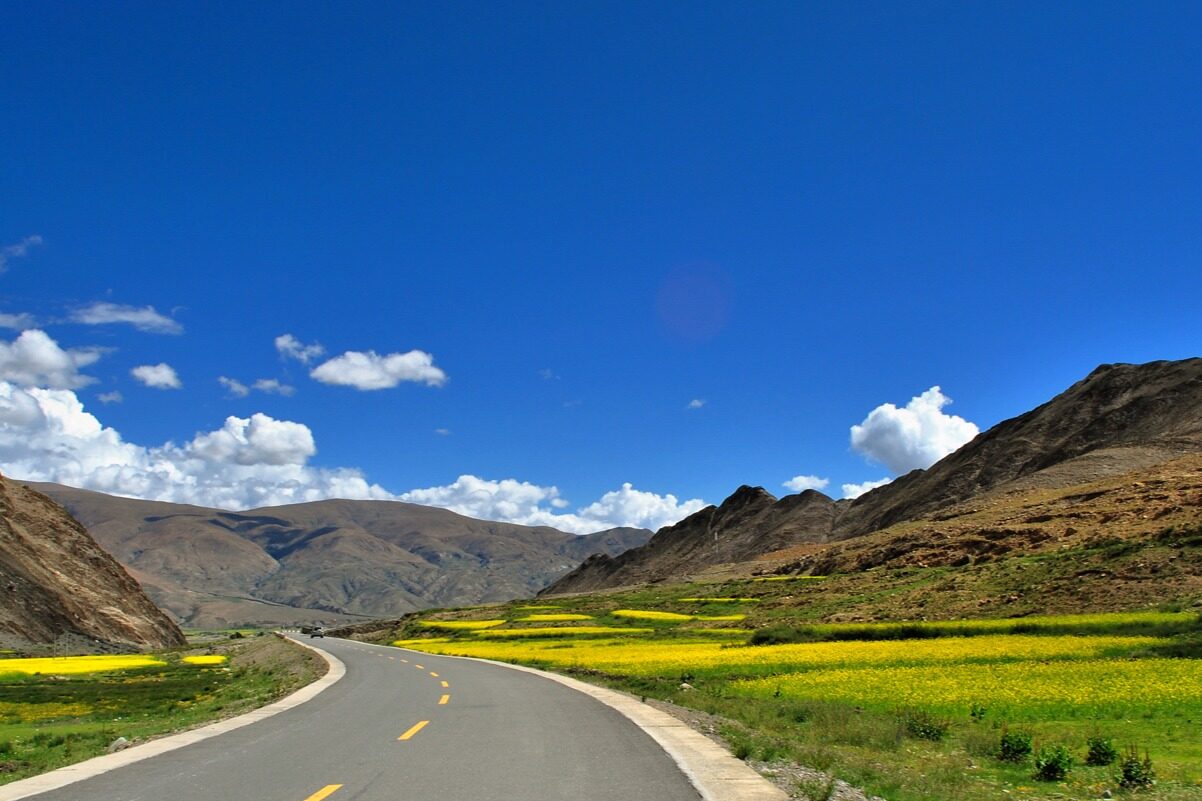
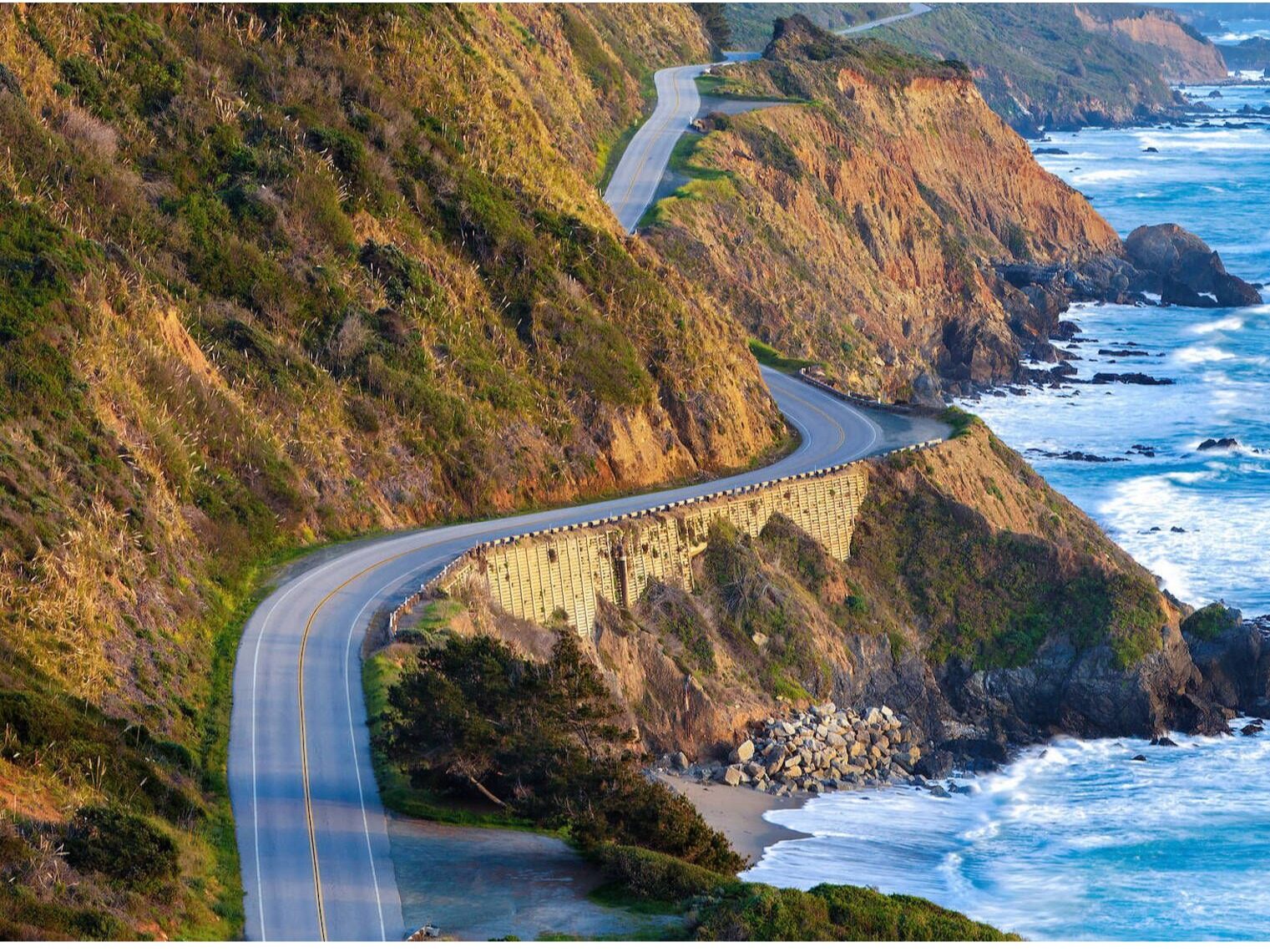
Recently, the bidding results of a key national highway upgrade and renovation project in China have been officially announced. The winning enterprise has been determined, and the total investment scale of the project has exceeded 3 billion yuan, marking that the construction of this transportation artery connecting multiple regions is about to enter the substantive construction stage.
It is understood that the total length of the national highway project is more than 80 kilometers, connecting three prefecture level cities and five county economic core areas along the line. After completion, it will adopt the standard of two-way four lane first-class highway, with a design speed of 80 kilometers per hour. The project will not only widen and renovate the existing road sections, but also build 2 cross river bridges, 3 interchanges, and simultaneously construct traffic safety facilities, greening projects, and intelligent transportation management systems. The expected construction period is 2 years.
From the perspective of functional value, the completion of the project will significantly shorten the travel time between cities along the route. The original 1.5-hour drive can be reduced to less than 40 minutes, while effectively diverting the pressure of highway freight and reducing logistics costs. For the counties along the route, this national highway will become an "economic corridor" connecting industrial parks with ports and high-speed railway stations, helping to facilitate the rapid transportation of agricultural and industrial products, and injecting new momentum into the coordinated development of regional economy. At present, the winning bidder has established a special project department and is carrying out preliminary survey, design, and construction preparation work. It is expected to officially start construction next month.
To ensure the efficient progress and construction safety of the project, the special project department has formulated a "phased attack plan": in the first phase (within 3 months after the start of construction), the completion of land acquisition and demolition along the line, as well as the laying of construction access roads, will be completed, and the pile foundation construction of the cross river bridge will be launched simultaneously; In the second phase (months 4-12), we will focus on promoting the construction of the mainline road subgrade and the main project of the interchange, while also carrying out the procurement and commissioning of smart transportation equipment; In the third stage (13th to 22nd months), the road surface paving, green planting, and installation of traffic safety facilities will be completed, and the final 2 months will be used for road condition testing and acceptance preparation along the entire line.
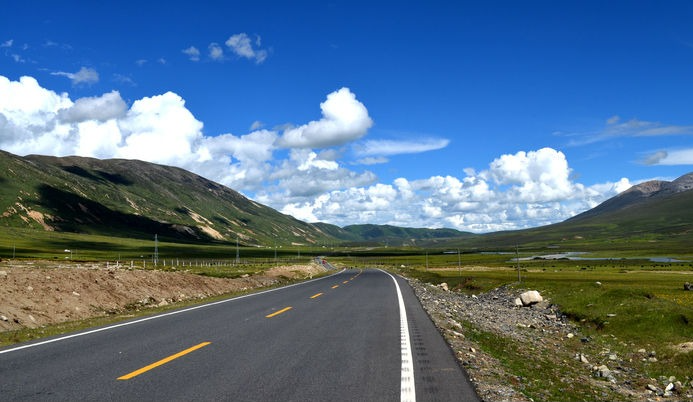
It is worth noting that ecological protection requirements will be strictly implemented during the project construction process. For the two wetland conservation areas along the way, a "bridge instead of road" design will be adopted to reduce land occupation, and a rainwater recovery system will be built for construction water and green irrigation to minimize the impact on the surrounding ecological environment. In addition, the project department has established a "co construction and co management" mechanism with towns and villages along the route, giving priority to attracting local labor to participate in the construction of the project. It is expected to provide more than 500 temporary employment positions, and at the same time, target the procurement of local building materials such as sand, gravel, cement, etc., to drive the development of related industries in the region.
At present, the preliminary approval procedures for the project have been basically completed, and the construction drawing review work is progressing. The first batch of construction machinery and materials are expected to enter the site in mid next month. After the completion and opening of the project, not only will the regional road network structure be improved, but it will also provide convenient channels for cities along the route to undertake industrial transfer and develop cultural and tourism economy, further promoting urban-rural integration and regional coordinated development.Editor/Bian Wenjun
Comment

 Praise
 Collect
 Comment

 Share
Share


Write something~