 Search


- The construction of G9904 Nanjing Metropolitan Circle Expressway will fill the gaps in regional transportation infrastructure

Recently, the winning bid for the core section of the G9904 Nanjing Urban Circle Ring Expressway project, which has attracted much attention, has been officially announced. A consortium composed of powerful central enterprises such as China Railway Tenth Bureau and China Communications Second Navigation Bureau has successfully won the relevant construction section. The total investment of this project is as high as 9.28 billion yuan, with a total length of about 288 kilometers. It is constructed according to the standard of a two-way six lane expressway, with a design speed of 120 kilometers per hour. It is expected to be fully opened to traffic in 2028 and will become a major transportation artery connecting the core cities of the Nanjing metropolitan area after completion.
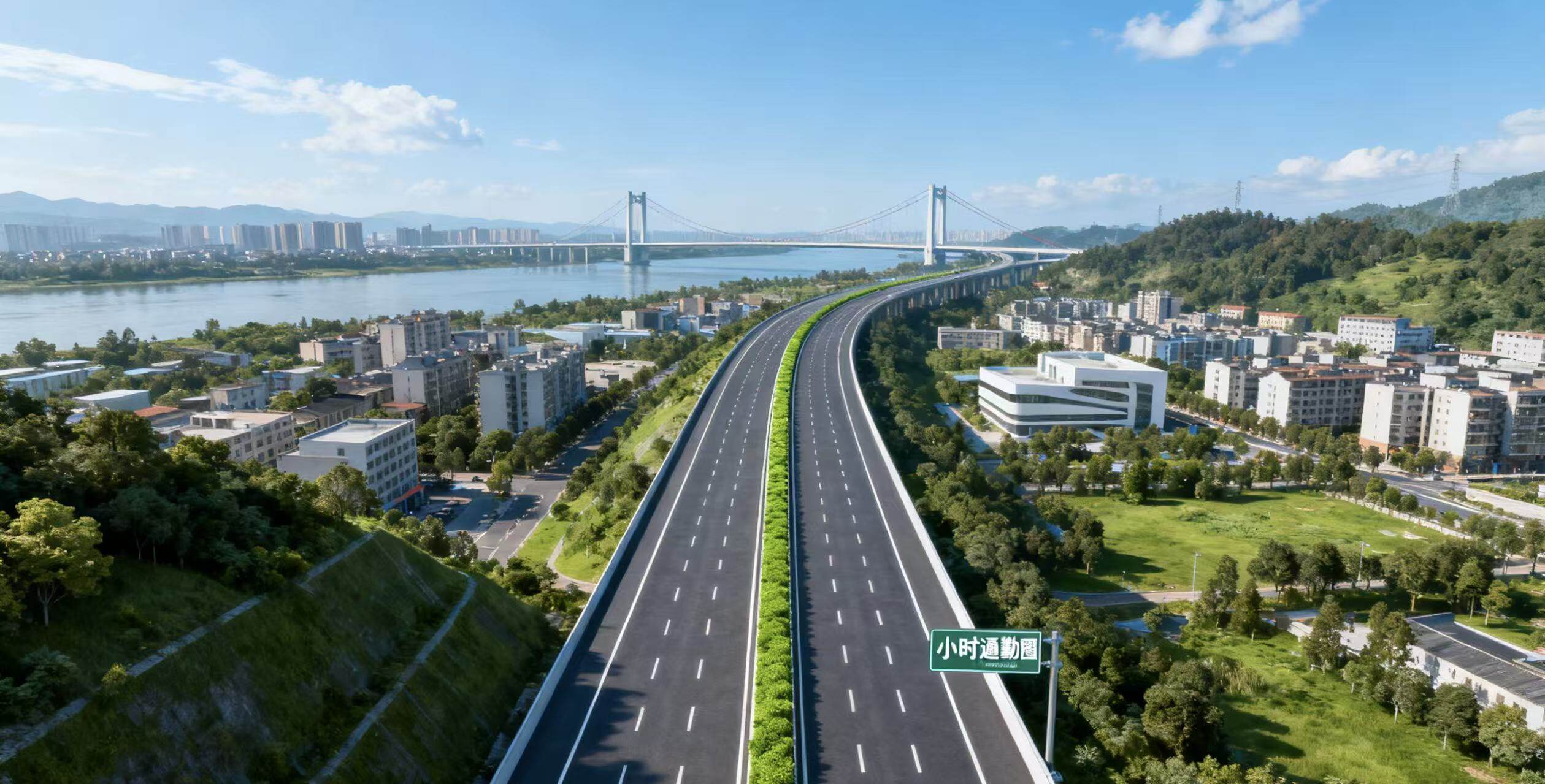
As an important component of the national comprehensive three-dimensional transportation network planning, the construction of the G9904 Nanjing metropolitan area ring expressway is of milestone significance. The project is centered around Nanjing, connecting five key cities in the metropolitan area of Yangzhou, Zhenjiang, Changzhou, and Huai'an, and precisely linking six national highways including the Beijing Shanghai Expressway, Shanghai Chengdu Expressway, and Ningluo Expressway. It will completely break the existing regional road network pattern of "excess radiation and insufficient ring lines" and build a modern comprehensive transportation system of "ring+radiation". At that time, the travel time from Yangzhou and Zhenjiang to Nanjing Lukou International Airport will be shortened to less than 40 minutes, and the direct travel time between Nanjing and Huai'an will be reduced by 30%, effectively supporting the construction of the "one hour commuting circle" in the urban area.
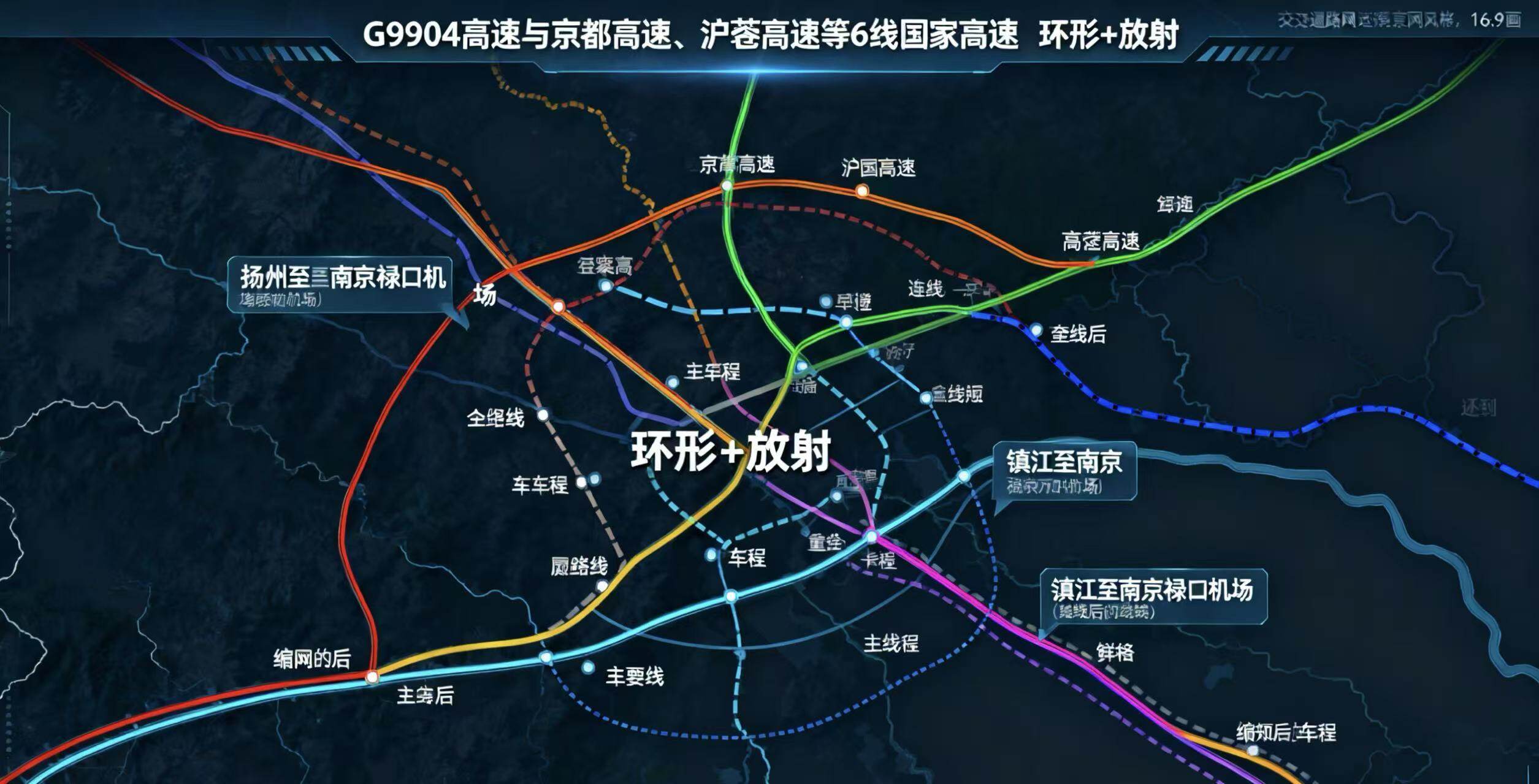
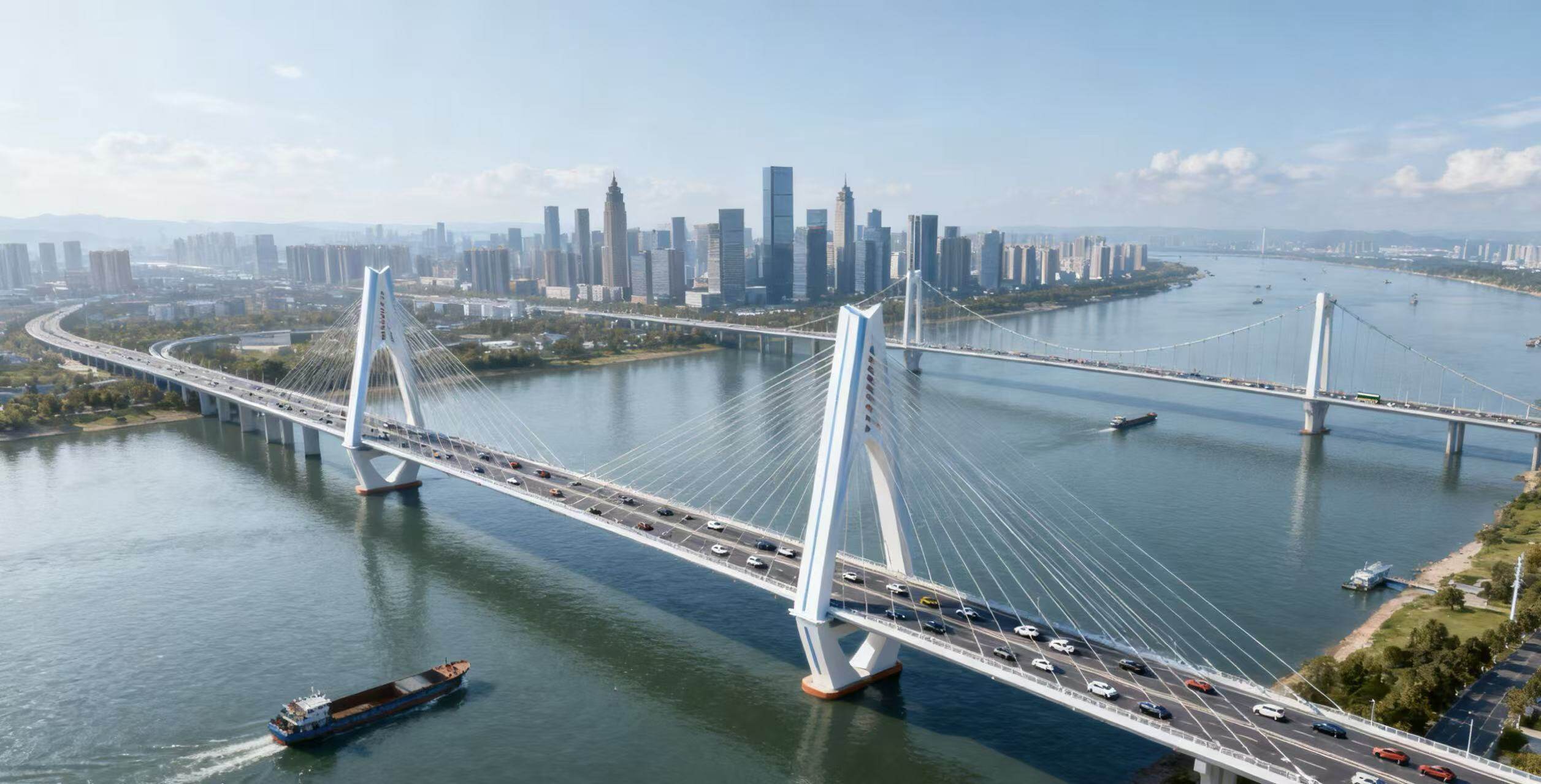
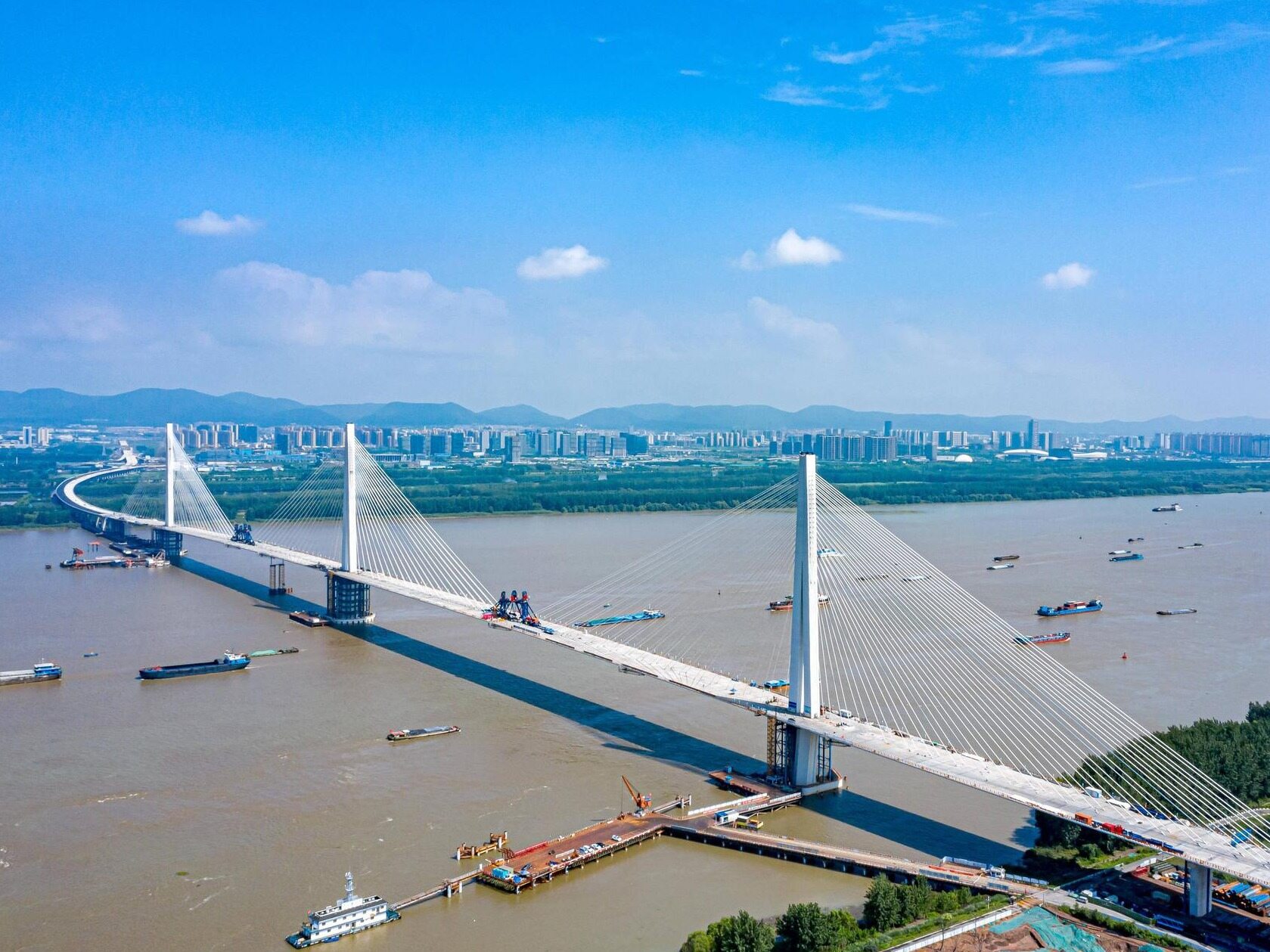
In terms of cross river traffic diversion, the project plans to construct two cross river super large bridges, connecting Pukou in Nanjing with Yizheng in Yangzhou, Dantu in Zhenjiang with Xinbei in Changzhou, and synchronously expanding the connection line of Runyang Yangtze River Bridge. According to the calculation of the transportation department, after the completion of the project, it will effectively divert 35% of the cross river traffic from Nanjing Yangtze River Second and Fourth Bridges, significantly alleviate the problem of cross river traffic congestion during morning and evening peak hours, greatly improve the traffic efficiency on both sides of the Yangtze River, and provide more convenient channels for regional personnel and material transportation.
Project Overview: The G9904 Nanjing Urban Circle Ring Expressway has a total length of approximately 288 kilometers. The winning bid covers core sections such as the Nanjing Yangzhou section and the Zhenjiang Changzhou section, with a total investment of 9.28 billion yuan. It is constructed using a two-way six lane standard and designed for a speed of 120 kilometers per hour. The project connects five cities including Nanjing, Yangzhou, Zhenjiang, Changzhou, and Huai'an, and is expected to be fully operational by 2028.
Cross river traffic diversion: The project will build two new cross river super large bridges (connecting Pukou in Nanjing with Yizheng in Yangzhou, Dantu in Zhenjiang with Xinbei in Changzhou), and simultaneously expand the existing Runyang Yangtze River Bridge connection line. After completion, it will divert 35% of the cross river traffic from Nanjing Yangtze River Second Bridge and Fourth Bridge, alleviating congestion during morning and evening peak hours.
Optimization of road network pattern: As an important component of the national "Ten Vertical and Ten Horizontal" comprehensive transportation corridor, the project will connect six national highways including Beijing Shanghai Expressway and Shanghai Chengdu Expressway, forming a "circular+radial" urban network structure, reducing the travel time from Yangzhou and Zhenjiang to Nanjing Lukou Airport to 40 minutes.
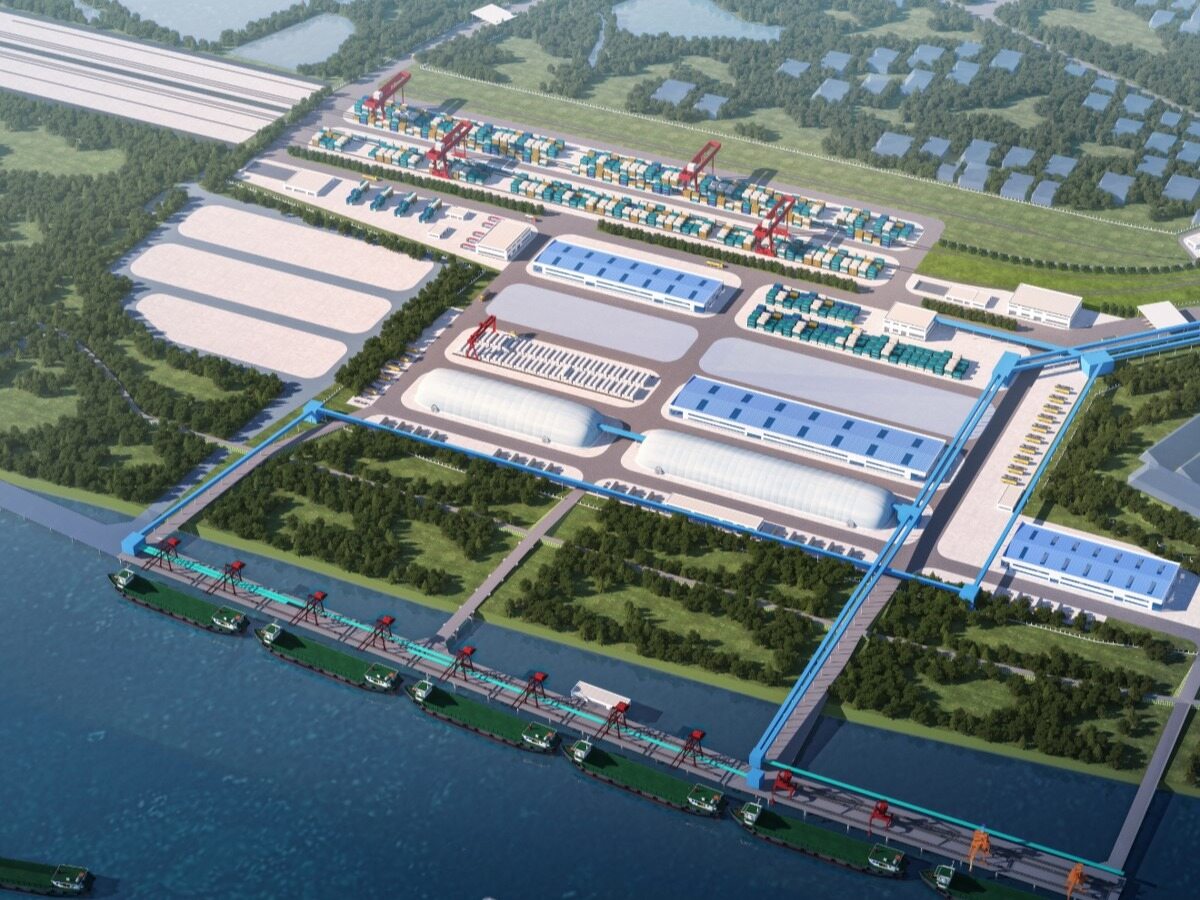
Industrial linkage effect: Five smart logistics parks and three new energy vehicle supporting industrial parks will be laid out along the route, which is expected to drive 23000 job opportunities and promote the integrated development of the "automobile manufacturing new energy high-end equipment" industrial belt in the Nanjing metropolitan area. The regional GDP is expected to increase by 120 billion yuan by 2030.
In addition to optimizing and upgrading transportation functions, this project will also deeply empower the high-quality development of regional economy. Along the route, 5 smart logistics parks and 3 new energy vehicle supporting industrial parks will be synchronously planned and laid out, which is expected to directly drive 23000 job opportunities and indirectly drive investment in upstream and downstream industries exceeding 50 billion yuan. Through a comprehensive transportation network, the "Automobile Manufacturing New Energy High end Equipment" industrial belt in the Nanjing metropolitan area will achieve optimized resource allocation and coordinated upgrading of the industrial chain. It is expected to promote a regional GDP increase of 120 billion yuan by 2030, injecting strong impetus into the integrated development of the Yangtze River Delta urban agglomeration.
At present, the preliminary preparations for the project have been fully launched, and the construction unit is working hard to carry out geological surveys, optimize construction plans, and other work. In the future, the project construction will be strictly promoted according to the planned milestones to ensure high-quality and timely completion of the project. Industry insiders say that the construction of the G9904 Nanjing metropolitan area ring expressway will not only fill the gaps in regional transportation infrastructure, but also accelerate the flow of urban elements and functional integration, providing solid support for the Nanjing metropolitan area to build a national modern urban area model.Editor/Bian Wenjun
Comment

 Praise
 Collect
 Comment

 Share
Share


Write something~