 Search


- This project has laid the foundation for building a revitalization artery that runs through Jilin and Heilongjiang provinces
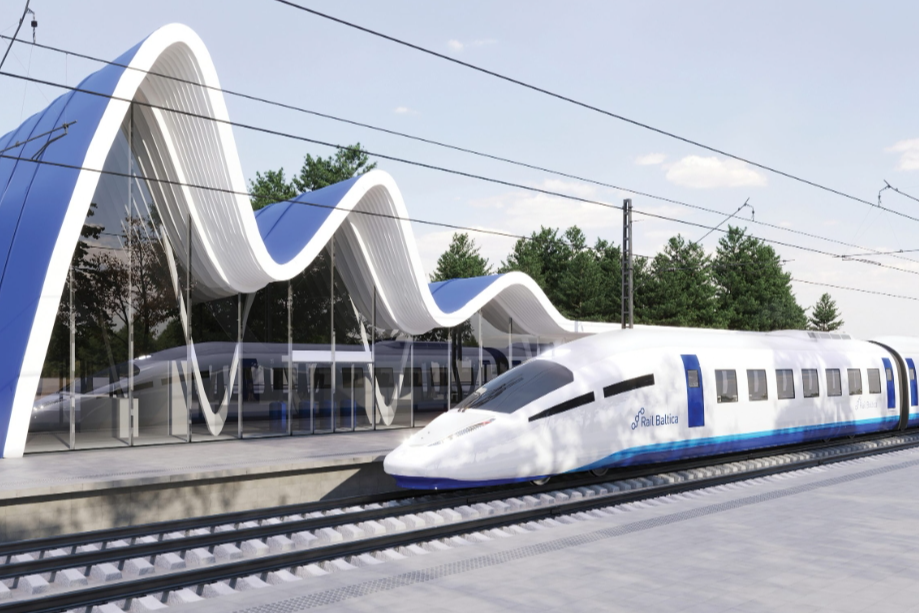
Recently, the General Office of the Ministry of Natural Resources officially issued a letter on the preliminary review opinions for the construction land of the new Mudanjiang Dunhua Railway project, marking the national level approval for the preliminary review of the land for the Heilongjiang section of the Mudanjiang Dunhua high-speed railway project, laying a solid land element foundation for the approval of the final feasibility study of the project. This progress means that this highly anticipated transportation artery in the Northeast region has finally made a breakthrough after years of planning.
According to the approval documents, the total land area of the project is controlled within 448.21 hectares, including 228.89 hectares of permanent basic farmland, highlighting the strict consideration of farmland protection in the planning and construction of the project. The opinion letter clearly requires strict control over the land use scale in the subsequent design stage, and emphasizes that the preliminary review opinion is a key prerequisite for project approval, rather than a basis for commencement. The project still needs to complete the land use approval procedures in accordance with the law in the end.
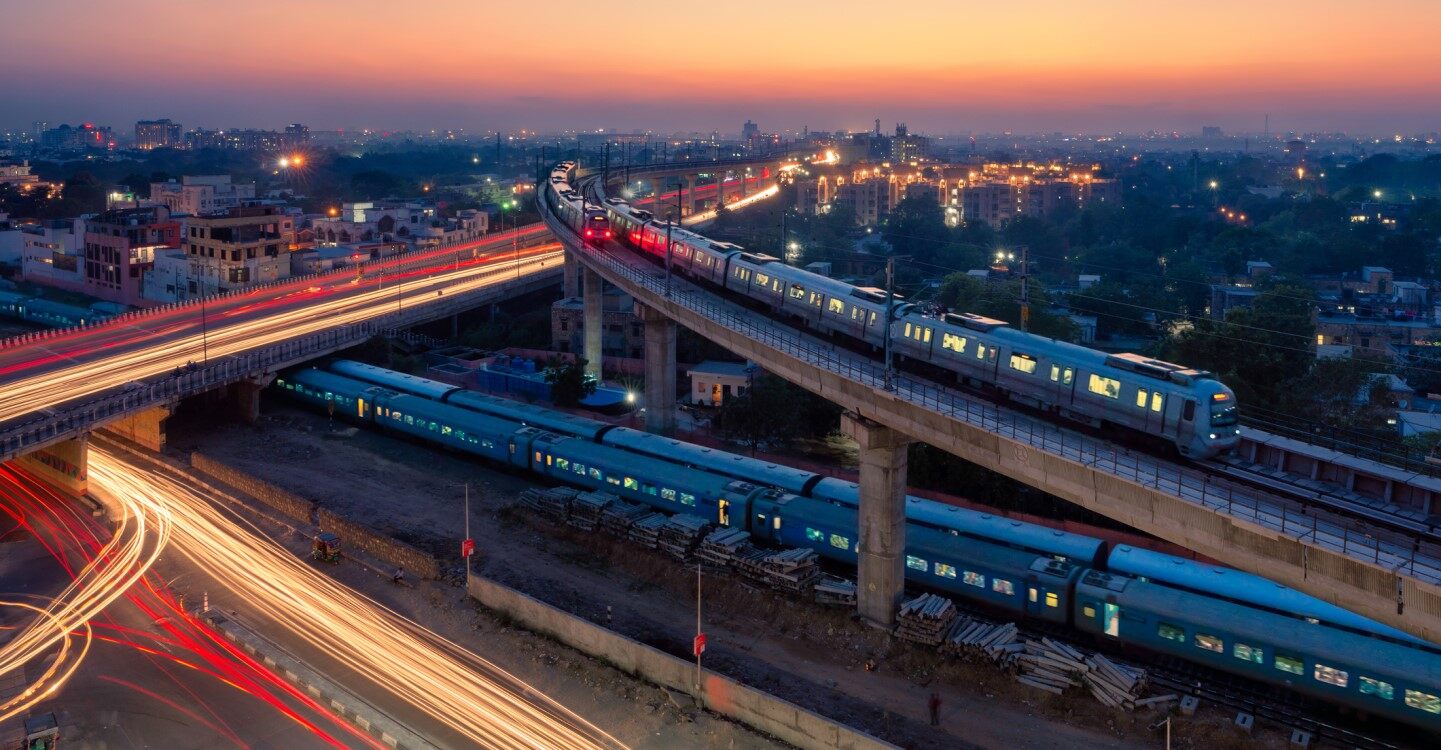
Open up regional arteries and reshape the transportation pattern in Northeast China
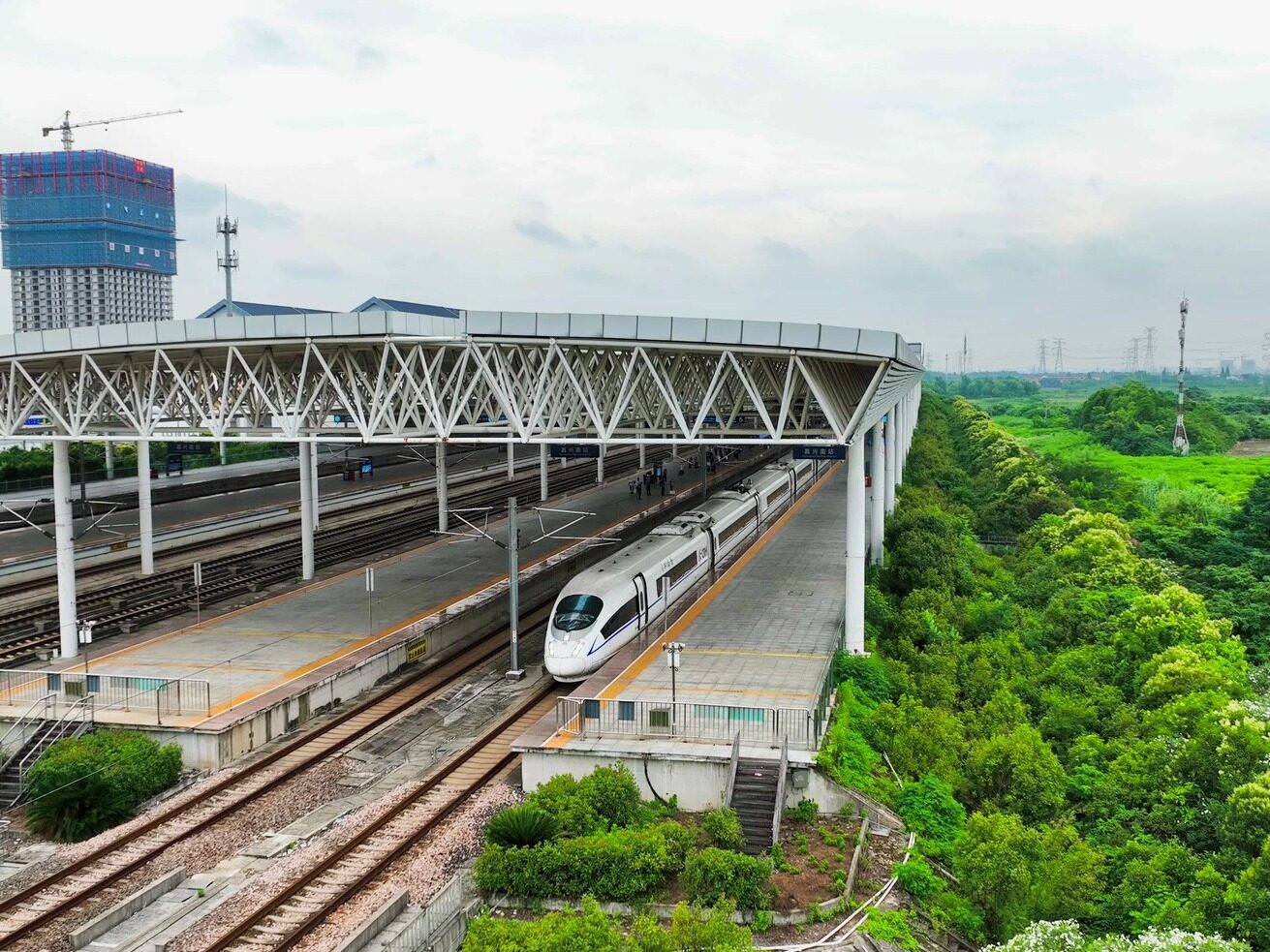
The newly built Mudanjiang Dunhua railway is far from an ordinary intercity connecting line. It is an important component of the regional connecting lines in the national "Eight Verticals and Eight Horizontals" high-speed railway network, and also a core link in opening up the southern fast track in the eastern part of Heilongjiang Province. The main line of the project is 186.92 kilometers long, connecting Dunhua City in Jilin Province and Mudanjiang City in Heilongjiang Province. The total investment of the project is about 26.68627 billion yuan, and the designed speed is 250 kilometers per hour, which is a high-speed railway standard.
Its strategic significance lies in connecting and connecting. After the completion of the project, it will be connected to the Harbin Mudanjiang high-speed railway and the Mujia high-speed railway at the Mudanjiang hub, and to the Changsha Hunkou high-speed railway and the Dunbai high-speed railway at the Dunhua hub. This means that for a long time, residents of cities in the eastern part of Heilongjiang Province, such as Mudanjiang, have been heading south to Jilin, Liaoning, and even Guannei, completely bidding farewell to the "line" dilemma of having to detour around the provincial capital Harbin, and being able to achieve a direct southward route. It will work together with the Dunbai and Shenbai high-speed railways to build a new north-south high-speed railway corridor that runs through the eastern part of Northeast China, greatly improving the operational efficiency and flexibility of the regional railway network.
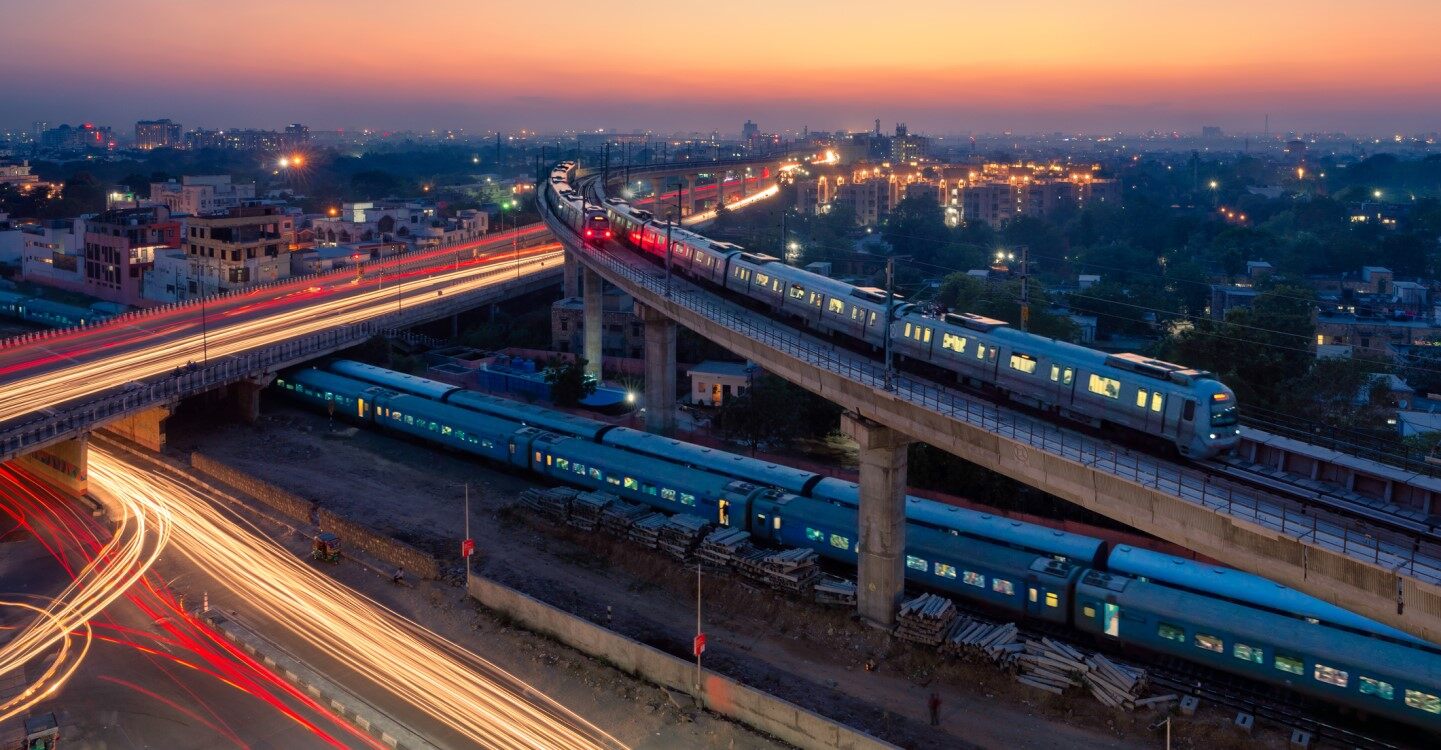
Drive development along the route and inject new economic momentum
In addition to convenient transportation, the Mudun high-speed railway is also expected to drive regional economic development. The border area between Jilin and Heilongjiang provinces where the project passes through is rich in tourism resources, but the inconvenient transportation to some extent restricts its deep development. The opening of high-speed rail will significantly compress the time and space distance, promote the integration of tourism resources along the line and increase passenger flow, and create favorable conditions for the coordinated development of famous scenic spots such as Changbai Mountain and Jingbo Lake.
At the same time, as an important infrastructure project to implement the comprehensive revitalization strategy of Northeast China, the Mudun High speed Railway will effectively promote industrial synergy and efficient two-way flow of production factors between the two places, optimize regional industrial layout, and inject strong transportation momentum into the economic integration and upgrading of the eastern region of Northeast China.
It is reported that the Mudun high-speed railway project passed the feasibility study review of China Railway Group in July this year and is currently in the stage of feasibility study and preliminary design. The preparation and approval of multiple approval requirements such as social stability risk assessment and earthquake safety assessment for the project are being accelerated simultaneously. Based on comprehensive information from all parties, the total construction period of the project is expected to be 4.5 years, and substantial construction is expected to begin before the end of 2026.Editor/Cheng Liting
Comment


 Praise
 Collect
 Comment

 Share
Share


Write something~