 Search


- 'Blank space for high-speed rail', integrating towns along the route into the 1-hour transportation circle of the Yangtze River Delta
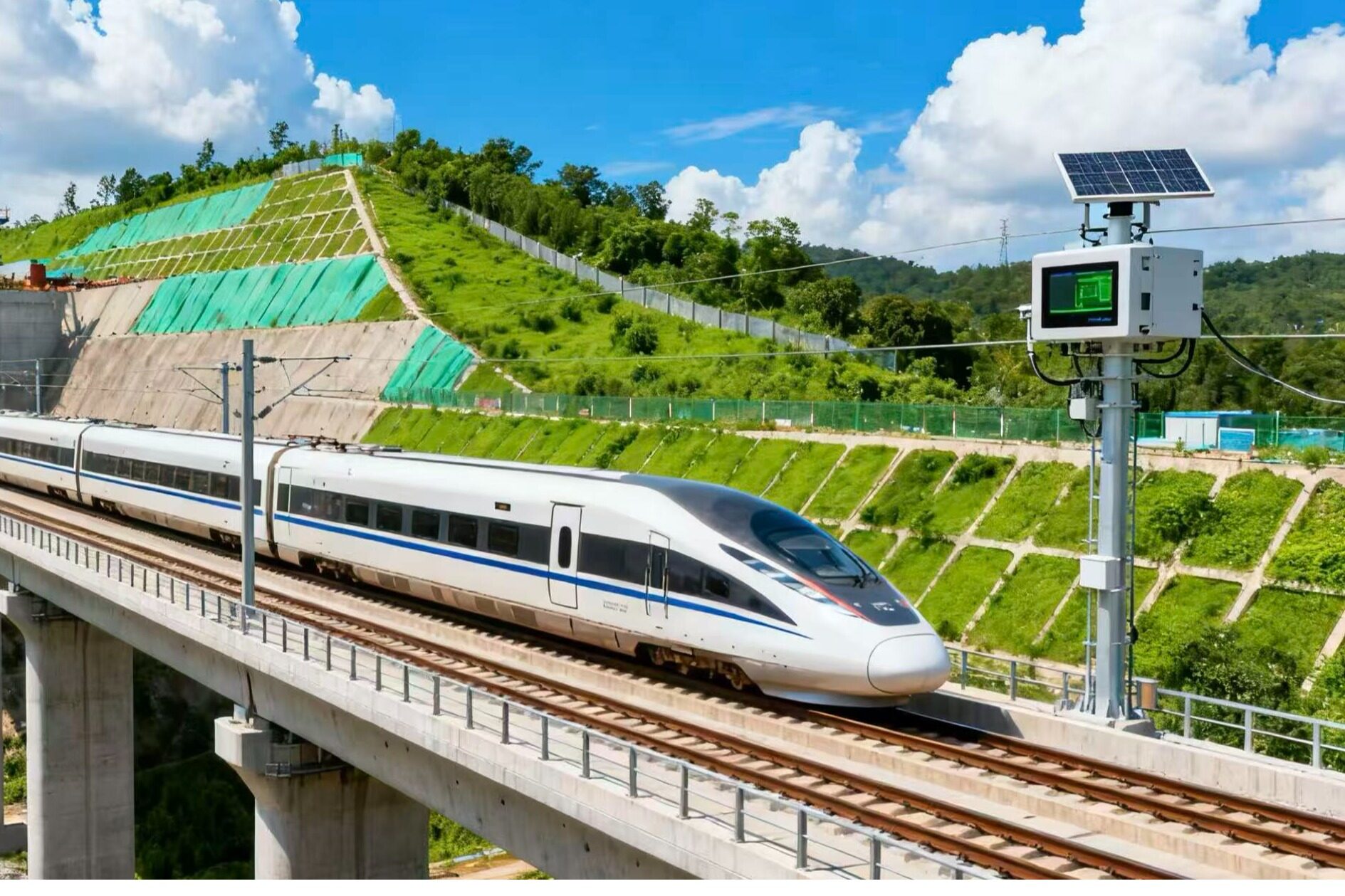
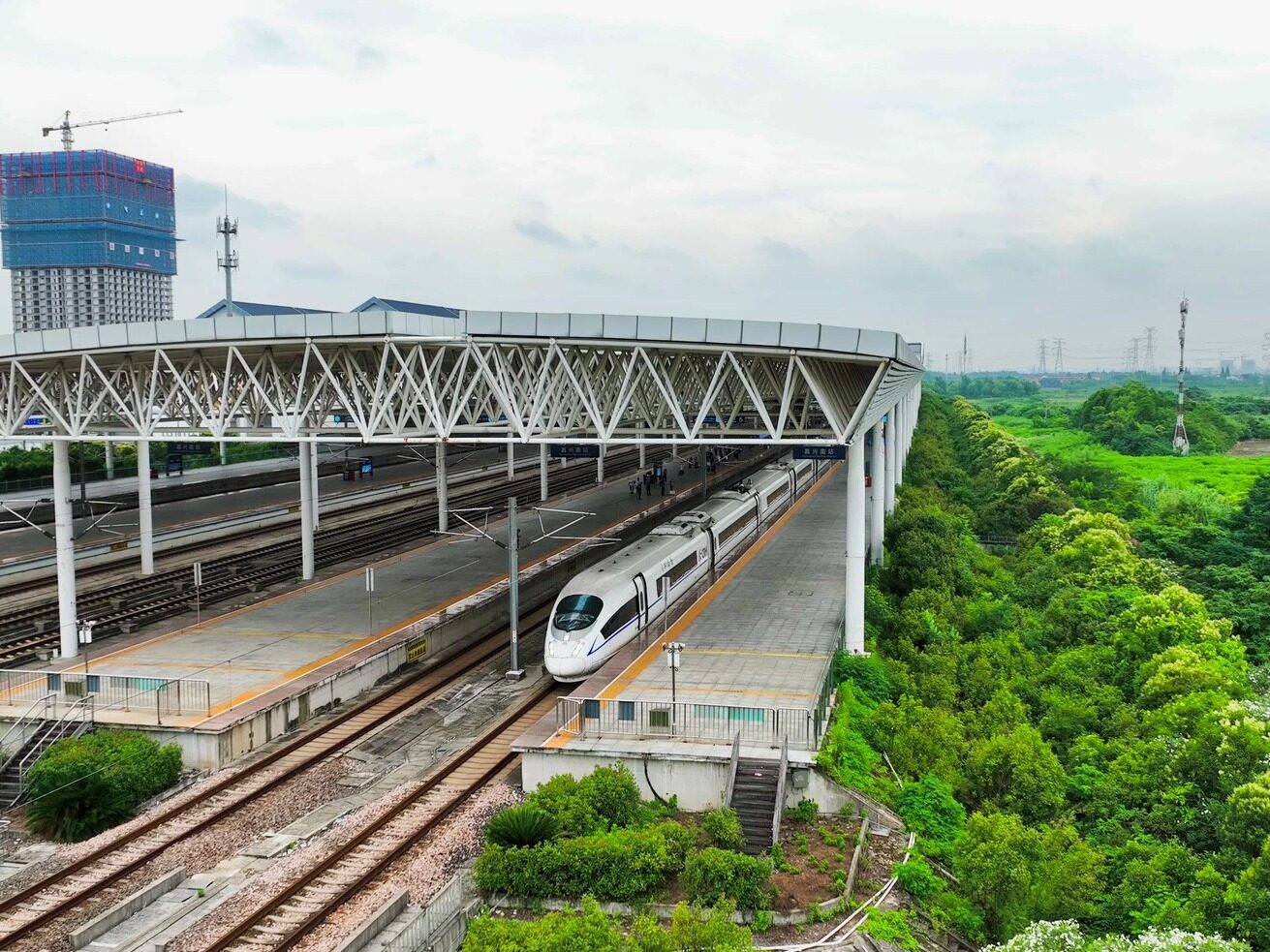
As a key upgrade project of the Yangtze River Delta rail transit network, the Shanghai Hangzhou new high-speed railway project with a total investment of about 67 billion yuan has been officially approved by the state, marking a new stage for the Shanghai Hangzhou twin cities to move from "interconnectivity" to "high-quality and efficient" collaboration.
This new high-speed rail line will not only fill the "high-speed rail gap" in areas such as Fengxian and Jinshan, but also be designed at a speed of 350 kilometers per hour to build a fast track from Pudong to Hangzhou West in one hour and a 40 minute commute to the core areas of the two cities. Unlike existing lines, the new high-speed rail will deeply connect the airport cluster and urban cluster in the Yangtze River Delta, achieving seamless air rail intermodal transportation between the two major hubs of Shanghai Pudong and Hongqiao and Hangzhou Xiaoshan Airport, opening up the "traffic dead end road" from Pudong southward, and injecting key momentum into the coastal corridor.
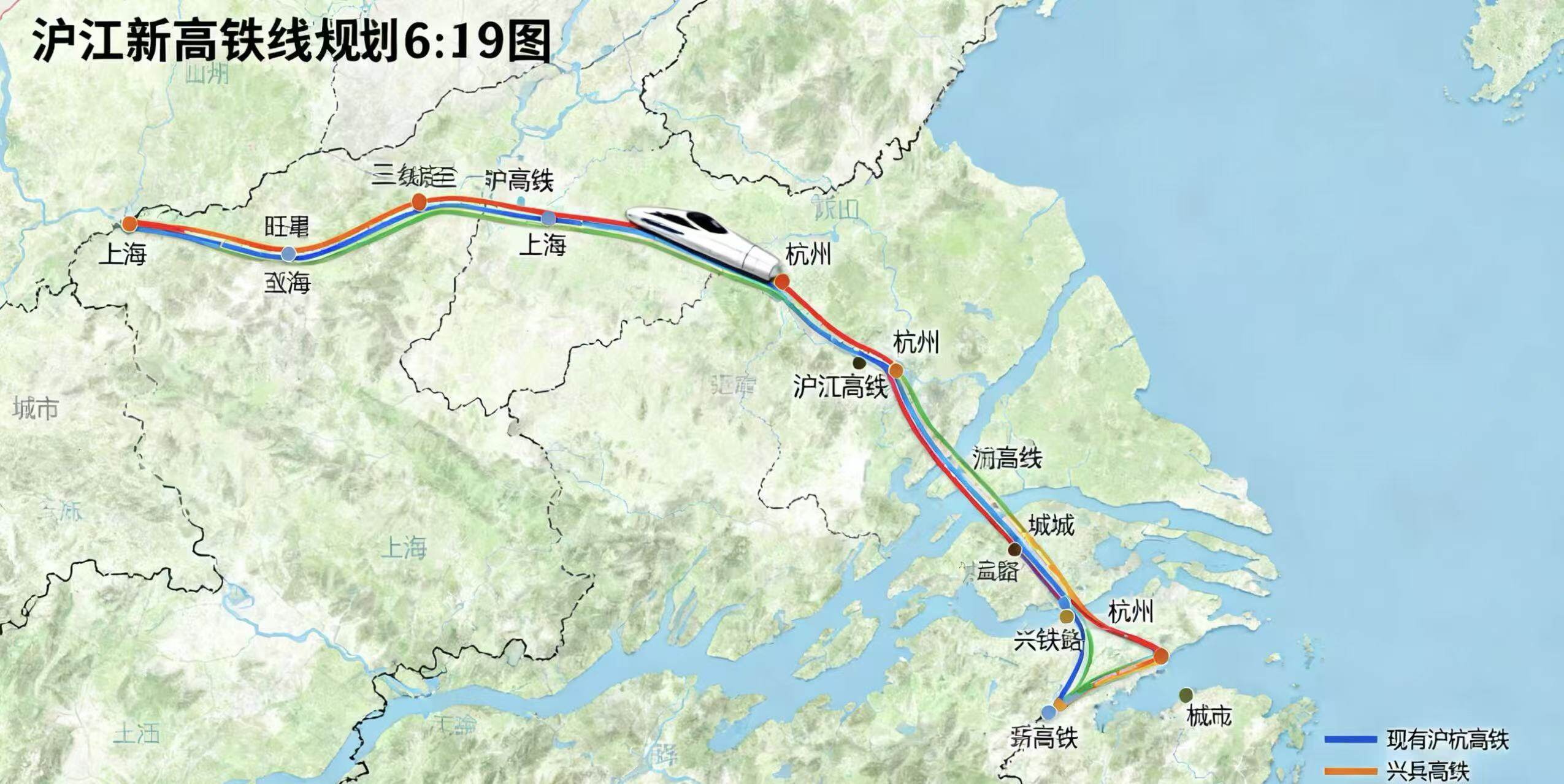
Behind the 67 billion investment is the wisdom of China's infrastructure "regional deep cultivation": the route planning not only focuses on alleviating the transportation pressure of the existing Shanghai Hangzhou high-speed railway, solving the pain point of "one ticket difficult to obtain" during holidays, but also more accurately connects the demand for industrial synergy in the Yangtze River Delta, linking emerging industrial parks, scientific and technological innovation carriers, and consumption scenarios in the two cities, making talent flow, resource allocation, and industrial cooperation more efficient. As the project progresses, the "urban agglomeration on the track" of the Yangtze River Delta will add another golden artery, injecting lasting momentum into the high-quality integrated development of the region.
From the perspective of the deep integration of line functions, the approval of the Shanghai Hangzhou new high-speed railway is not the landing of a single transportation project, but a strategic layout for the coordinated development of "transportation industry livelihood" in the Yangtze River Delta urban agglomeration. As the third high-speed railway corridor between Shanghai and Hangzhou, it will form a "three line parallel" pattern with the existing Shanghai Hangzhou high-speed railway and Shanghai Kunming high-speed railway. It can not only divert more than 40% of cross city passenger flow, but also achieve precise adaptation of "commuting flow, business flow, and tourism flow" through differentiated division of labor - the existing lines focus on high-frequency short distance commuting, while the new lines focus on efficient medium to long distance transportation and air rail intermodal connection, making the flow of resources between the two cities more hierarchical.
At the level of regional balanced development, the value of this high-speed railway is particularly prominent. For a long time, the southern regions of Shanghai, such as Fengxian and Jinshan, have had shortcomings in their linkage with the core cities of the Yangtze River Delta due to the lack of direct high-speed rail channels. The planning and construction of the new line will completely end the "high-speed rail gap" in these areas, allowing the towns along the line to be included in the 1-hour transportation circle of the Yangtze River Delta. It will not only drive population agglomeration and industrial upgrading in Fengxian New City and Jinshan Binhai area, but also provide a broader talent hinterland for the western science and technology innovation corridor of Hangzhou, forming a two-way empowerment pattern of "Shanghai R&D+Hangzhou Manufacturing" and "Shanghai Consumption+Hangzhou Cultural Tourism".
The 67 billion investment also hides the "green smart code" of China's infrastructure. The project will fully adopt energy-saving and environmental protection technologies, and the route planning will avoid ecologically sensitive areas. Bridges and tunnels account for over 80%, minimizing the occupation of land resources to the greatest extent possible; At the same time, integrating the concept of intelligent construction, realizing the full process digital management of train operation, passenger flow scheduling, and equipment maintenance, not only reduces operating costs, but also dynamically adjusts transportation capacity according to changes in passenger flow, allowing "high-quality and efficient" to run through the entire construction and operation cycle.With the gradual implementation of this golden artery, the "urban agglomeration on the track" of the Yangtze River Delta will achieve a leap from "interconnectivity" to "deep integration". The industrial synergy between Shanghai and Hangzhou will break geographical boundaries, and the integration of scientific and technological resources, manufacturing capacity, and consumer markets will be accelerated through the high-speed rail network, promoting the formation of more competitive regional industrial clusters; For ordinary people, the formation of a 40 minute commuting circle and the direct high-speed rail to more areas will make "working in Shanghai, living in Hangzhou" or "weekend short trips" the norm, truly realizing the universal sharing of the "infrastructure dividend". This is not only another witness of China's infrastructure hard power, but also a vivid practice of empowering regional high-quality development with transportation as the first priority.Editor/Bian Wenjun
Comment

 Praise
 Collect
 Comment

 Share
Share


Write something~