 Search


- Sydney Railway installs a secondary system aimed at replacing traditional signals with internationally validated intelligent technology
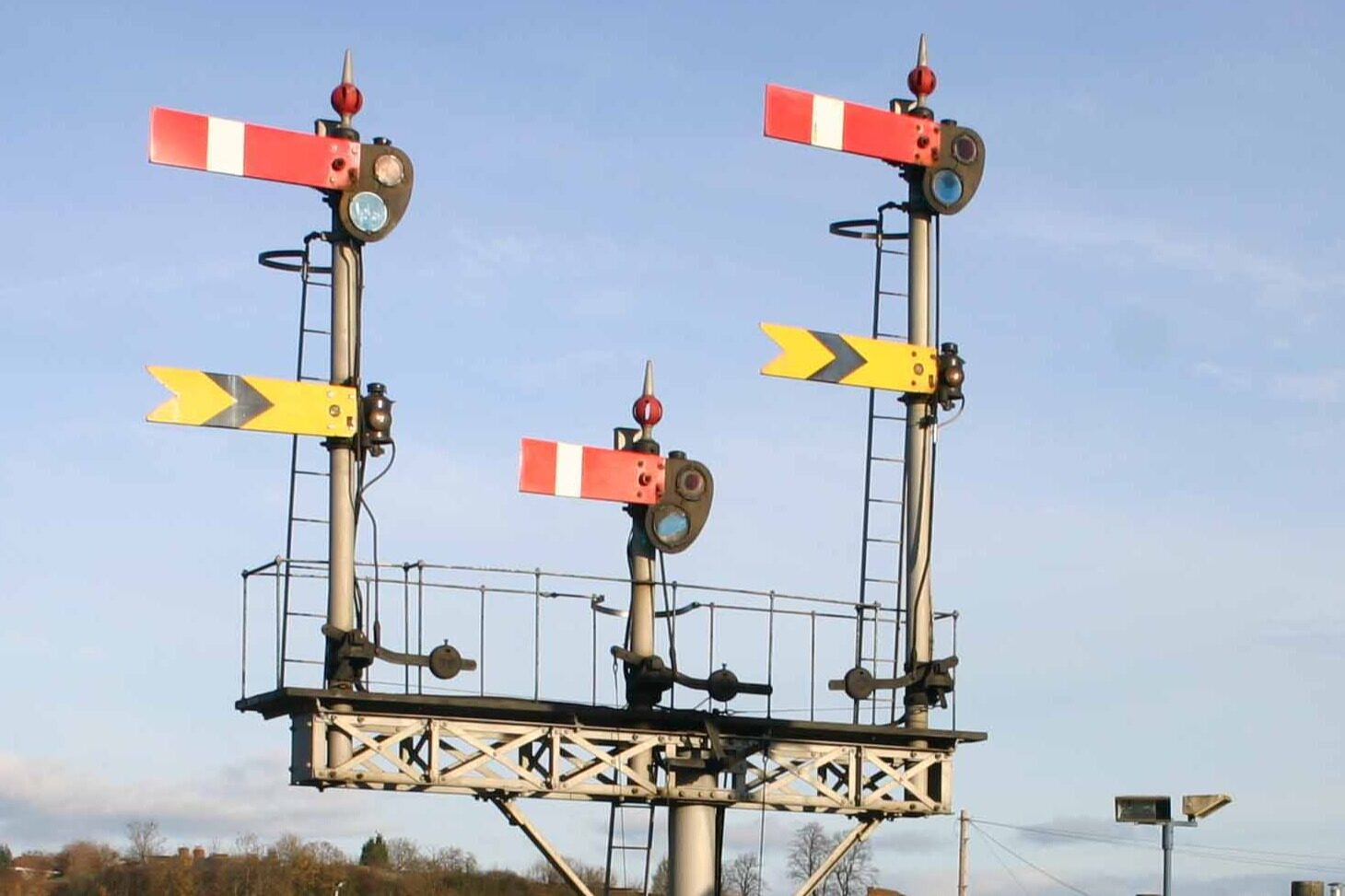
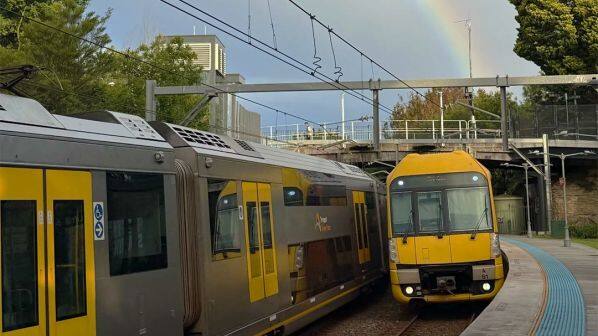
One of Sydney's busiest railway corridors, the 24 kilometer double track section connecting Hornsby and City Hall, is about to undergo a significant technological upgrade. The New South Wales Transport Authority has officially awarded Siemens Mobility a contract to install the European Train Control System Level 2 for the T1 North Shore Line, marking a crucial step in the modernization of Sydney's railway network.
The contract, referred to as' Phase 2 Orbital 2A ', covers the deployment of Trainguard Radio Block Center, Westrace Mk2 interlocking system, and enhanced network security measures. Although the specific value of the contract has not been disclosed yet, the project will be designed, tested, and debugged in stages through eight sections to ensure steady progress while minimizing the impact on daily train services.
This is another important project in which Siemens Mobility is involved in Sydney. As early as 2020, the company won the first phase promotion contract for the ETCS secondary signaling system from Sutherland to Kronola, which is expected to be put into use in the near future.
Raphael Gallino, CEO of Siemens Australia and New Zealand, said, "This contract is a milestone in the modernization of Australia's railway network. Our gradual delivery approach places special emphasis on customer collaboration and local signal expertise, ensuring the implementation of reliable and innovative signal solutions while minimizing the impact on Sydney train operations
This project is part of the New South Wales government's Digital Systems Program, which aims to replace current signal and train control technologies with internationally validated modern intelligent systems. This transformation will help improve the reliability of railway operations, increase line capacity, and ultimately enhance the overall travel experience for Sydney railway passengers. Keywords: traffic news, international engineering news
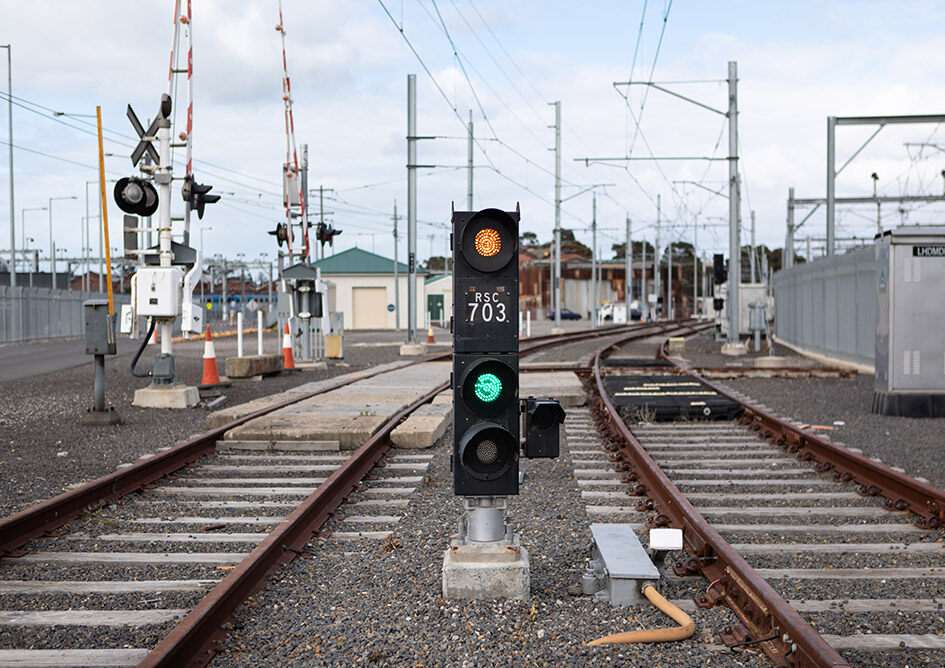
With the gradual promotion of digital signal systems, Sydney's railway network is steadily developing towards a safer and more efficient direction, laying a solid foundation for the continuous improvement of future urban rail transit.Editor/Cheng Liting
Comment




 Praise
 Collect
 Comment

 Share
Share


Write something~