 Search


- Lin Zexu's life was full of hardships and achievements, and behind it was a deep sense of patriotism and humanistic care

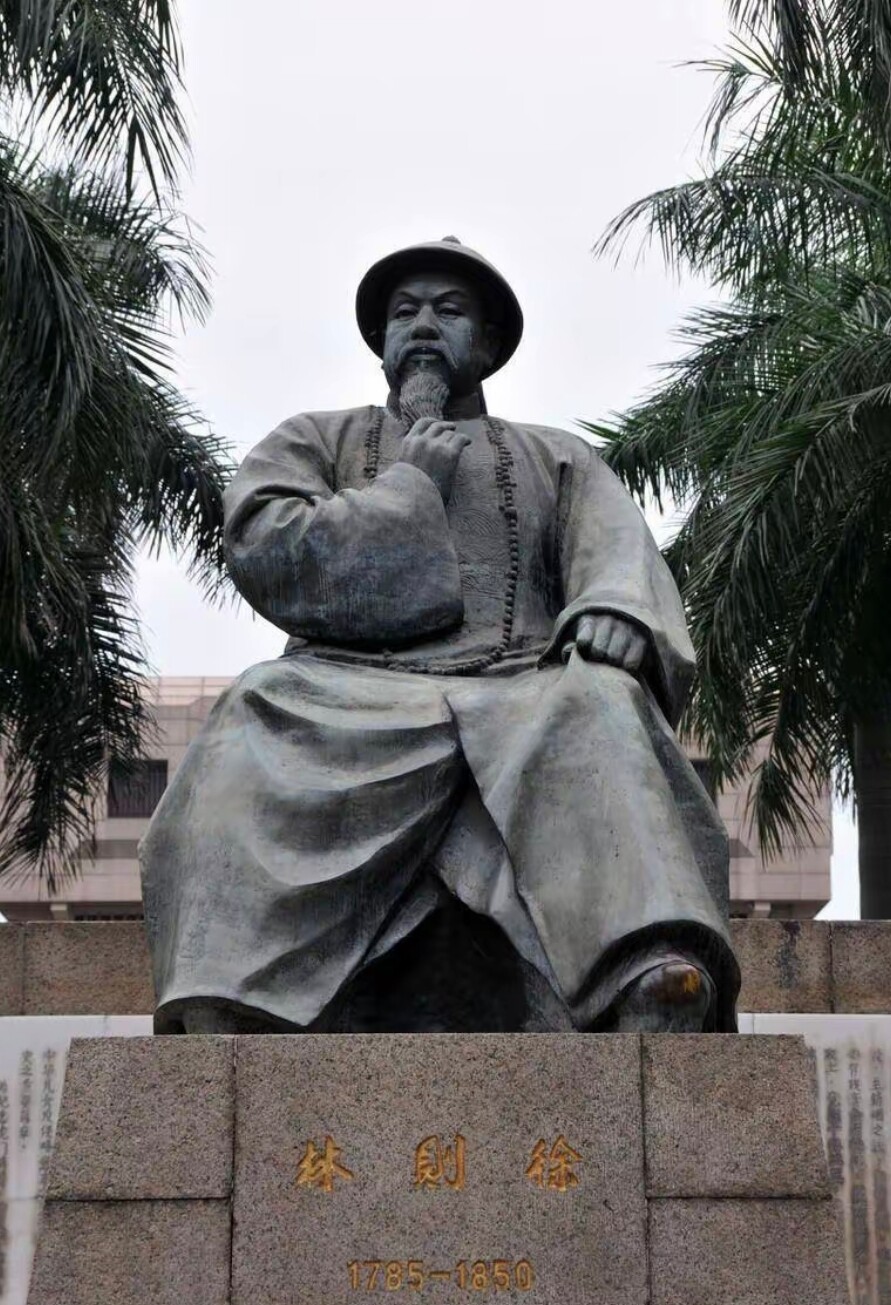
In the starry sky of history, the light of some characters travels through time and space, illuminating the spiritual journey of a nation. In 2025, we look back at the 240th anniversary of Lin Zexu's birth, not only to commemorate a historical figure, but also to pursue a humanistic spirit that thrives in the rivers and land.
Symphony of Water and Human Destiny
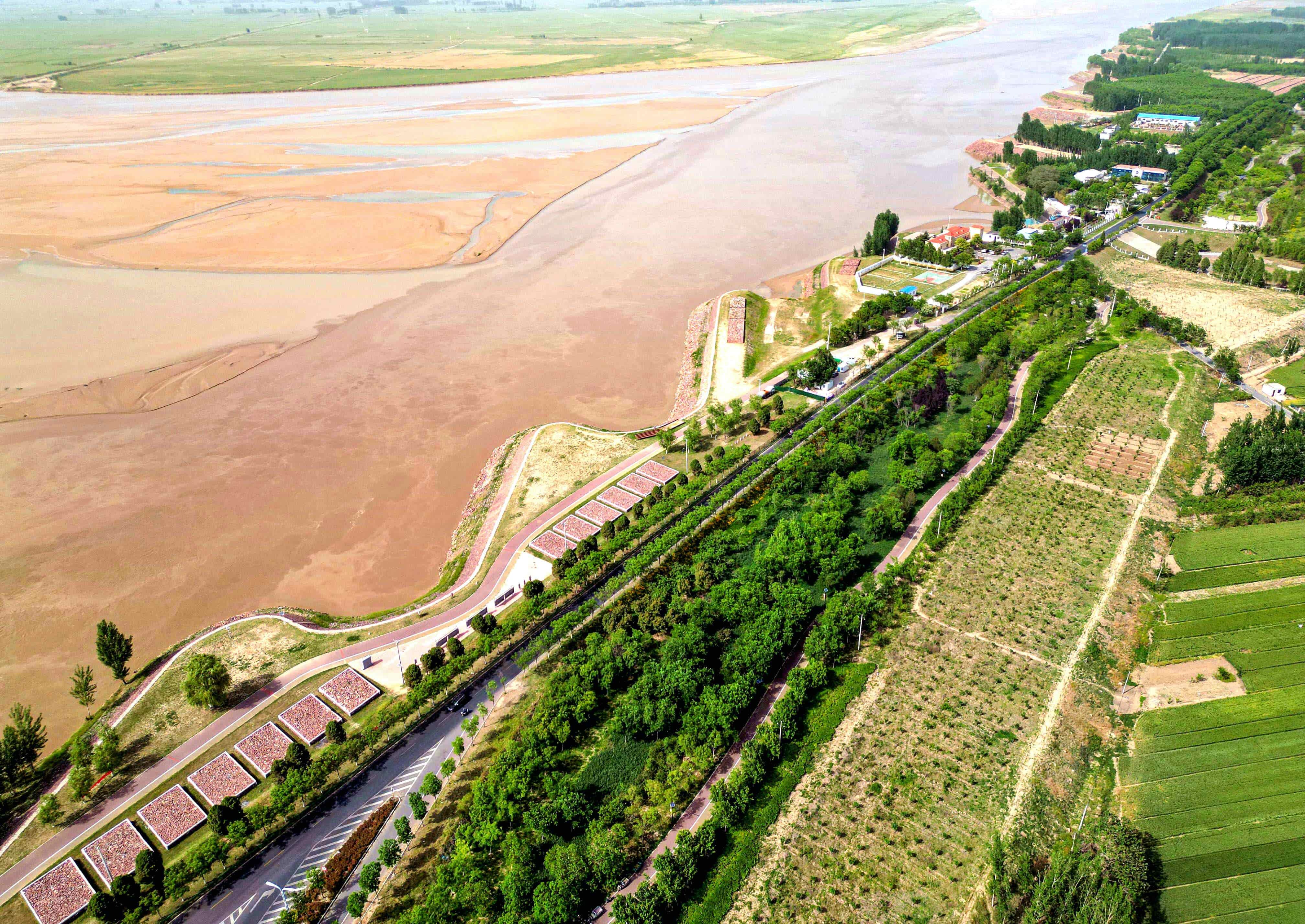
The Yellow River breach in 1841 was a dual test of nature and humanity. When the flood ravaged the Central Plains, Lin Zexu's choice of being a "scapegoat" demonstrated the spiritual background of Chinese scholars that "every man has a responsibility for the rise and fall of the world". His figure on the embankment, who goes to work with five drums and returns with three shifts, is not only a display of water control technology, but also a manifestation of moral power - even if he encounters injustice personally, he still chooses to take responsibility for the people.
The people of Kaifeng named the repaired embankment "Lin Gong Causeway", which is a simple act that expresses the highest praise of the people for their conscience. In traditional Chinese culture, water conservancy is not just a technical issue, but also a manifestation of moral governance. Dayu passed through his family three times to control the flood, and Li Bing and his son built Dujiangyan Irrigation Project Fuze for thousands of years. These stories together constitute the unique humanistic view of water conservancy of the Chinese nation - to control the flood is to govern the world, and to benefit the people is the supreme virtue.
Cultural Integration in the Western Regions
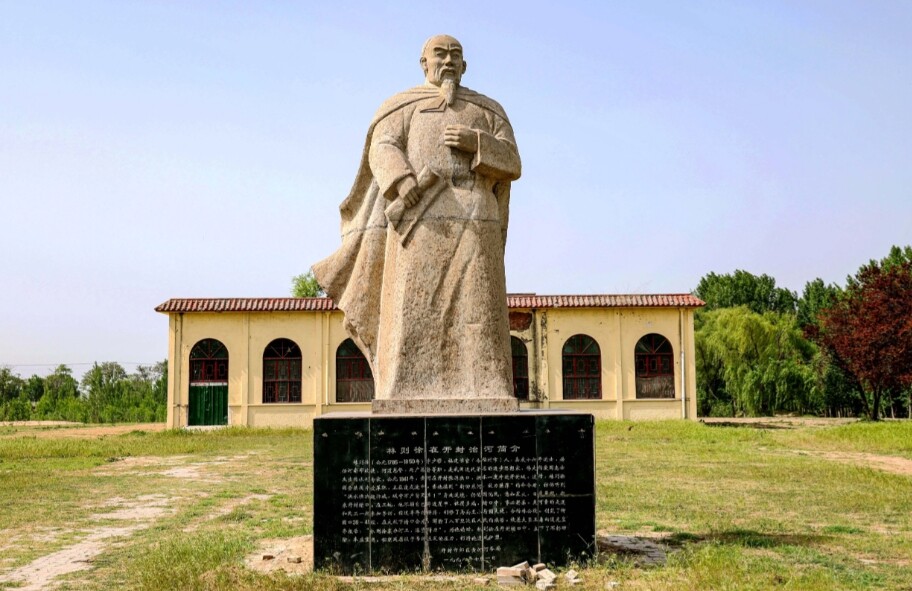
When Lin Zexu set foot on the land of Xinjiang, his identity changed from a feudal official to a frontier criminal, but his spirit was elevated in this vast world. In Yili, he donated funds to repair the canal; In Turpan, he promoted Karez; In southern Xinjiang, he traveled to eight cities to survey water conservancy. These seemingly concrete technical tasks are actually a profound cultural practice.
He combined the water management wisdom of the Central Plains with the natural conditions of the Western Regions, applied the experience of "using embankments to control water" along the Tarim River, and promoted river dredging technology in Hotan. This cultural fusion and innovation reflects the inclusive spirit of Chinese civilization's "harmony in diversity". The Karez well improved by him is known as the "Lin Gongjing", which is not only a commemoration of individuals, but also an emotional resonance achieved by different ethnic groups in the wisdom of common survival.
Spiritual transcendence in hardship
What makes Lin Zexu special is that he always maintains spiritual transcendence in adversity. He succeeded in blocking the mouth of the Yellow River but did not receive forgiveness. He did not blame the heavens or others; Despite the harsh environment in Xinjiang, he still cares about people's livelihoods. This state of "not being pleased by things, not being sad by oneself" is the embodiment of the ideal personality of Chinese intellectuals to "benefit the world if they reach their goals, and be self-sufficient if they are poor".
In a letter to his family, he wrote, "To live and die for the benefit of the country, one should not avoid it for the sake of misfortune and fortune." These two lines of poetry are able to travel through time and space and still shock people, precisely because they reveal the secret of how a person can maintain spiritual independence under the heavy pressure of fate. This humanistic spirit is more precious than any concrete achievement.
A Spiritual Dialogue Through Time and Space
Today, as we admire the power of technology in front of modern water conservancy projects, Lin Zexu's story reminds us that the humanistic care behind technology is the eternal soul. In the new era of ecological civilization, the concept of "green mountains and clear waters are as valuable as mountains of gold and silver" echoes Lin Zexu's water management wisdom of respecting nature and adapting to local conditions across time and space.
From the Yellow River to the Western Regions, Lin Zexu's lifelong journey tells us that true monuments are not recorded in history, but in the hearts of the people; Immortal achievements do not lie in the rank of official positions, but in the actual results of serving the people. The sentiment of integrating personal destiny into the earth and the people, the courage to stick to one's original intention in adversity, and the wisdom to bridge and pave the way between different cultures together constitute the unique humanistic landscape of Chinese civilization.
When we commemorate Lin Zexu, we are actually in dialogue with a noble spirit, seeking the same sense of responsibility and emotion that this era also needs. This may be the greatest significance of history - to let the light that has illuminated the past continue to warm our present and guide our future.Editor/Cheng Liting
Comment






 Praise
 Collect
 Comment

 Share
Share


Write something~