 Search


- This major project worth 2.3 billion US dollars will build a new regional mineral transportation channel, effectively promoting resource
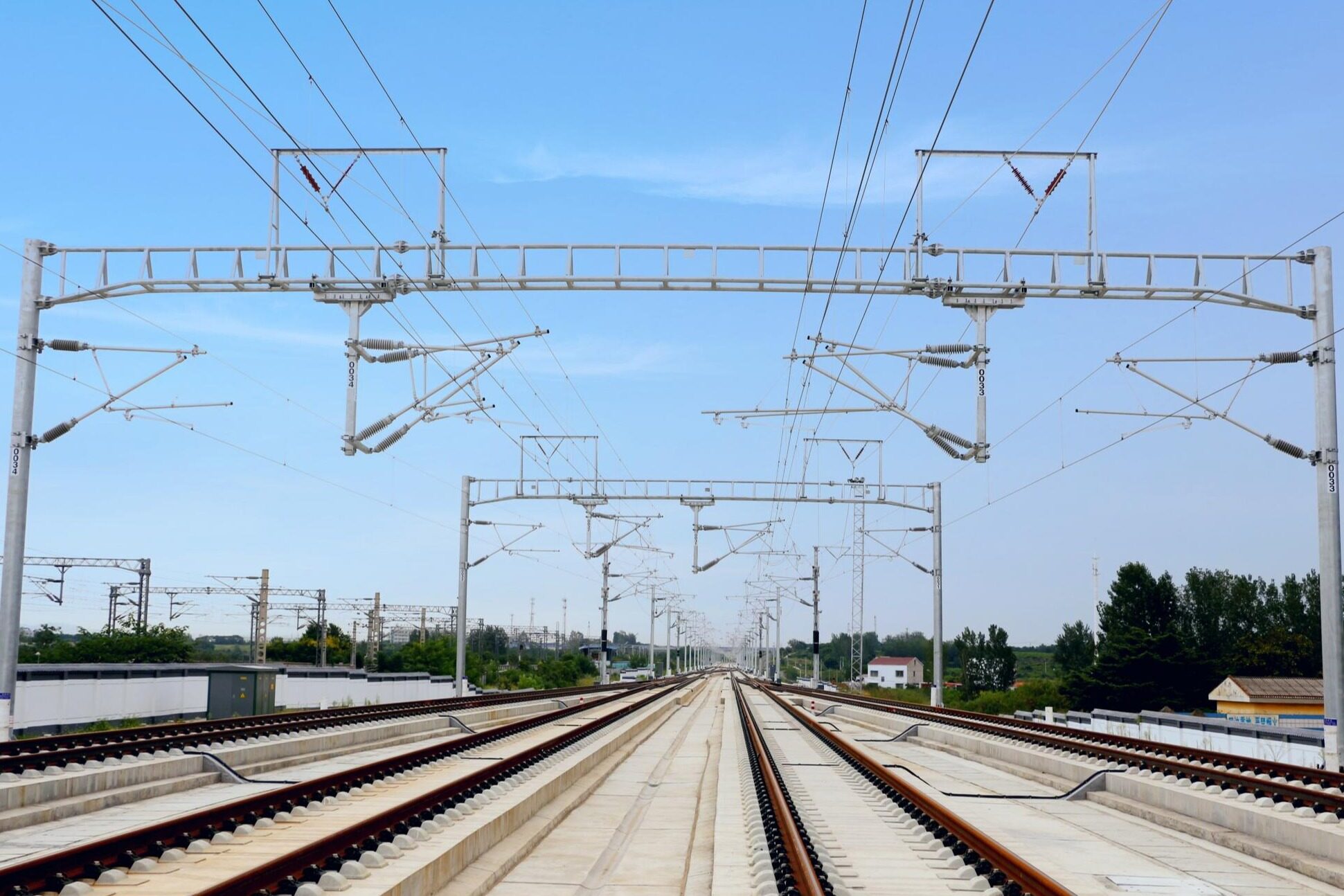
The Abu Dhabi National Infrastructure Construction Company plans to officially launch the bidding process for the construction of the Jordan Phosphate Railway Phase II in mid November, marking a new stage for this major infrastructure project with a total investment of 2.3 billion US dollars.
The scope of this bidding includes multiple professional fields such as civil engineering, tunnel construction, as well as mechanical, electrical, and pipeline engineering. The project can be traced back to the Xidia branch line planning in 2015, when a consortium composed of China Communications Construction and local contractors won the bid for the 21 kilometer branch line project, but it was stalled due to funding issues. The newly restarted phosphate mine railway plan has a total length of 360 kilometers and is seen as an extension and expansion of the original plan.
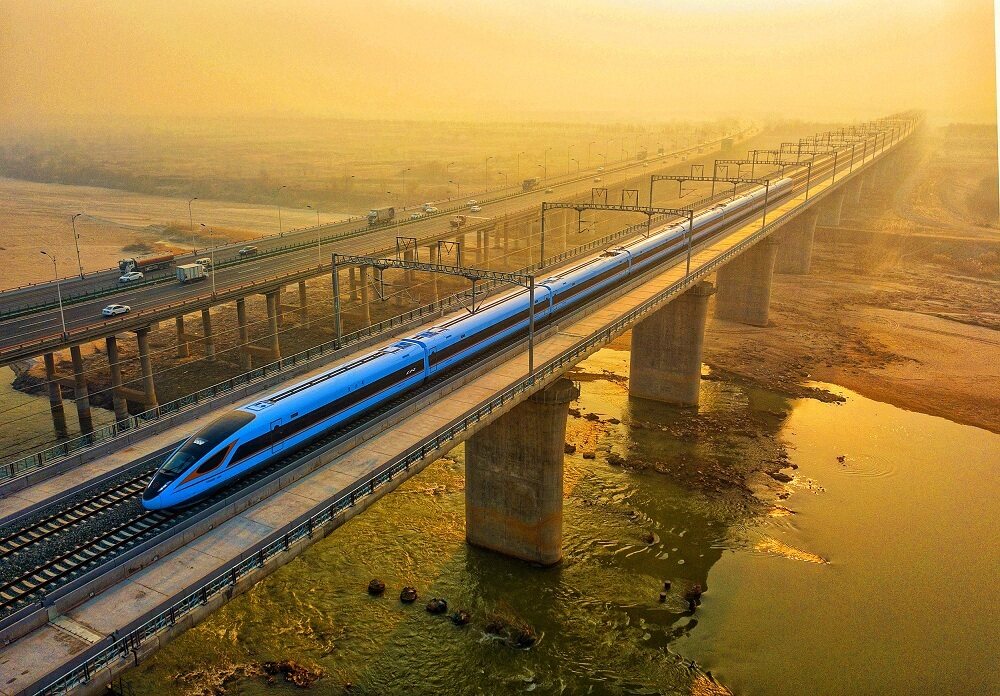
In September 2024, Etihad Railway Company signed a memorandum of understanding worth $2.3 billion with relevant departments in Jordan to jointly develop this strategic railway. The project is planned to be completed and put into operation by 2030, which will significantly enhance the regional mineral transportation capacity.
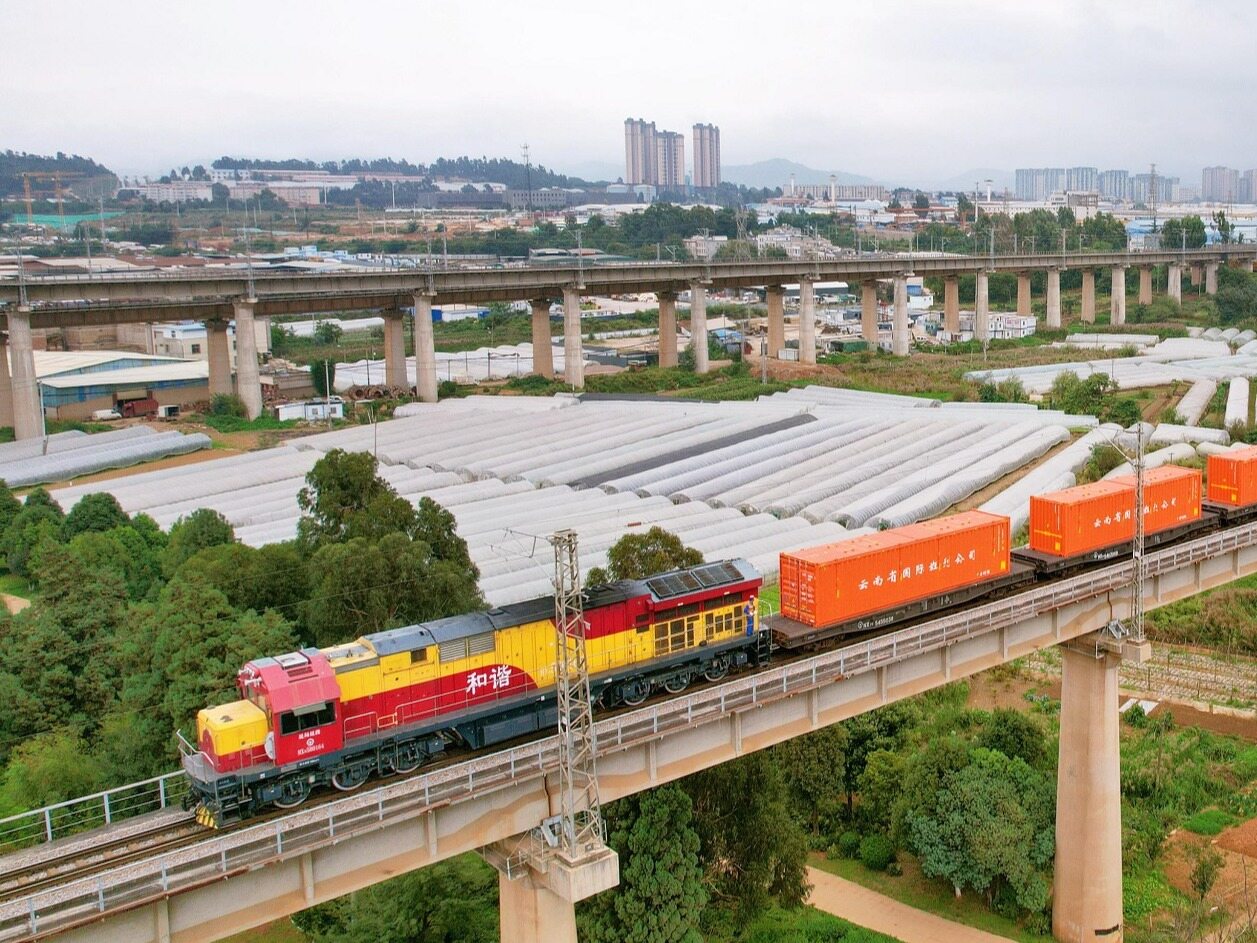
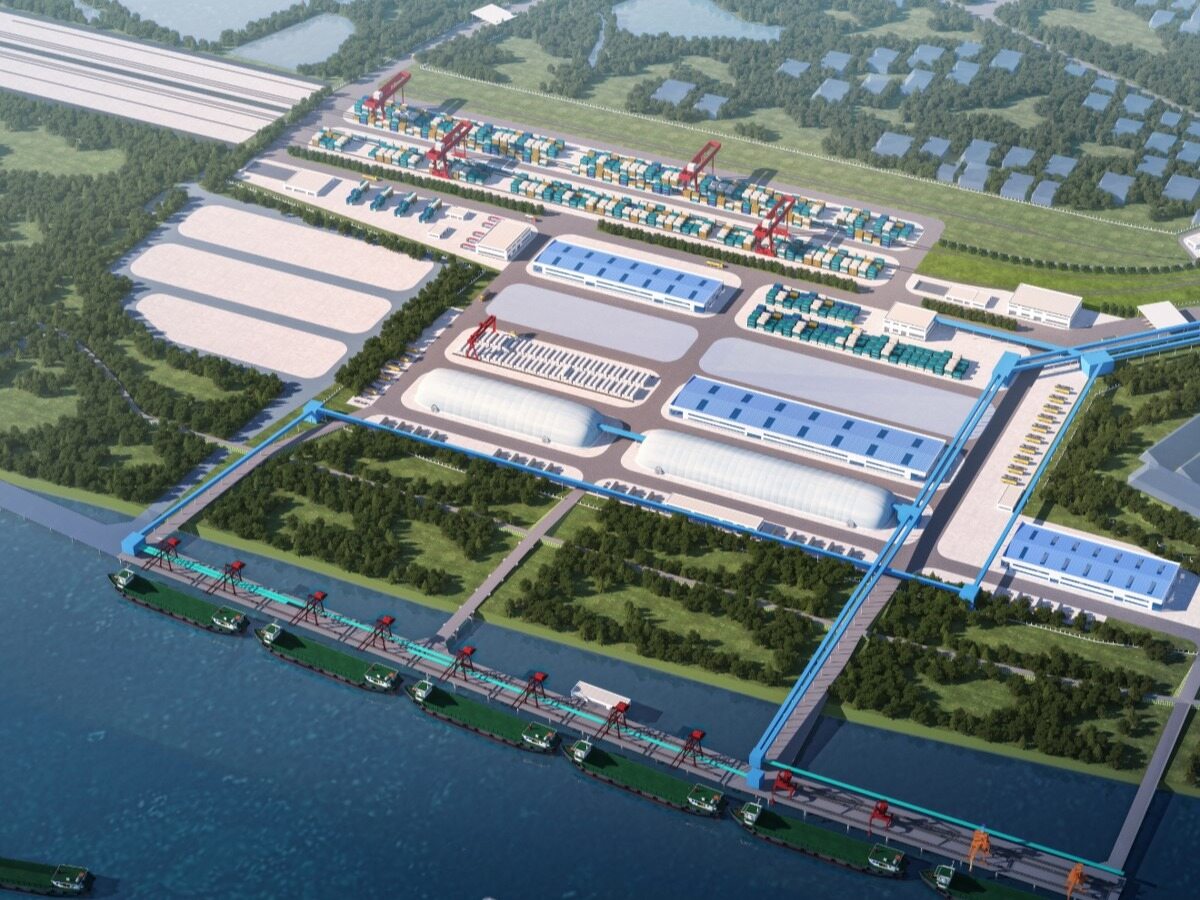
According to the plan, the project will also support the construction of modern freight stations in Aqaba, Golsafi, and Sidia, covering the entire industry chain services such as locomotive and vehicle manufacturing and supply, railway maintenance and repair, and operation management. After completion, approximately 16 million tons of phosphate and potassium fertilizers can be transported annually to the only seaport in Jordan, Aqaba Port. Keywords: Traffic Engineering Construction News, Traffic Engineering Information Platform
As an important hub of the Red Sea route, Aqaba Port has been a strategic hub in the Middle East region since ancient times. The promotion of this project will further strengthen Jordan's position in the regional logistics system and provide a more convenient and efficient transportation channel for the export of mineral resources in the Middle East. Editor/Yang Beihua
Comment



 Praise
 Collect
 Comment

 Share
Share


Write something~