 Search


- The project funds mainly come from national investment, and the bidding work has been successfully completed
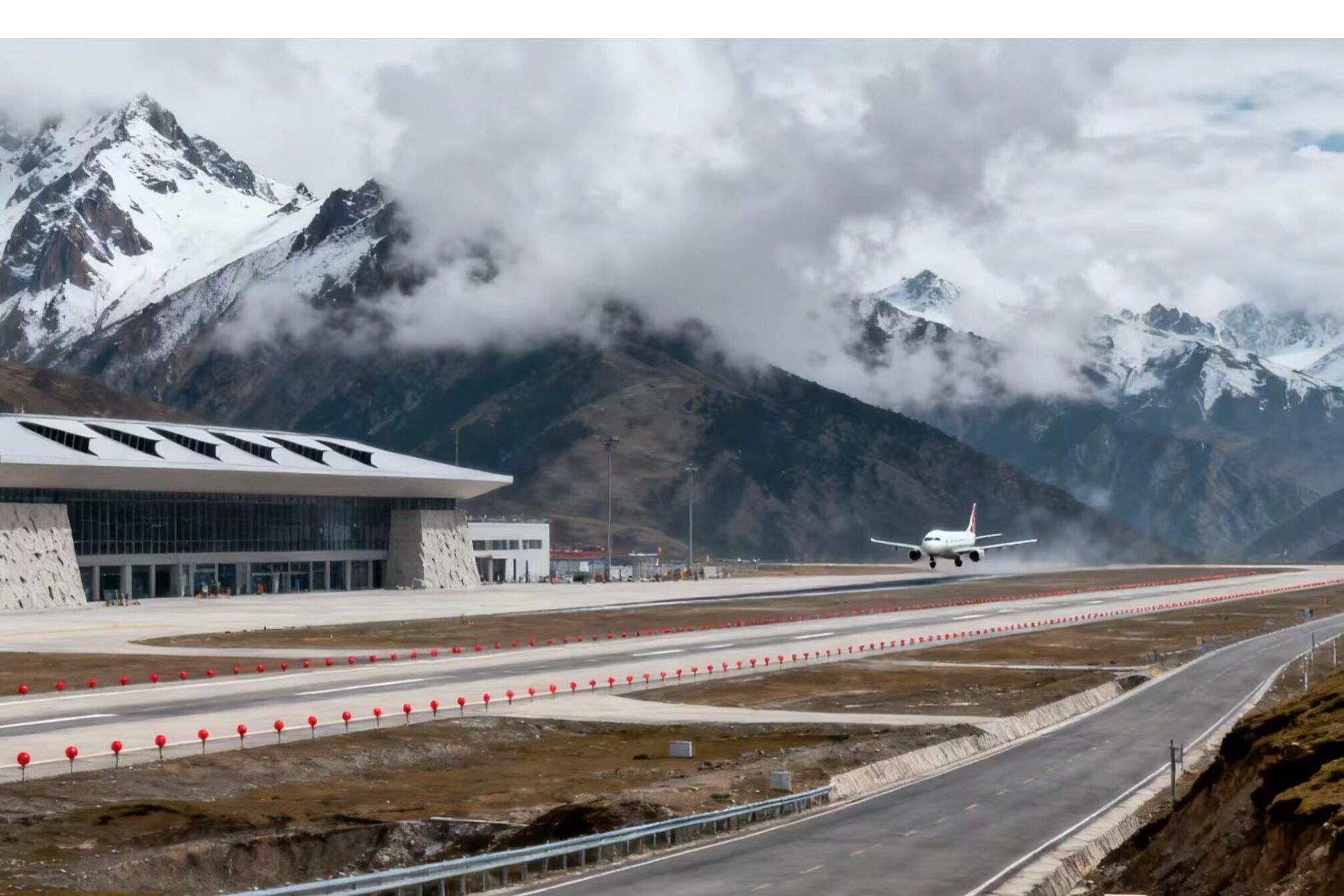
The total investment is 6.4 billion yuan! The construction of the new reconstruction project of the Jiaka Bangda Airport section of the G214 line in Xizang has officially started, marking the substantive stage of the upgrading of the transportation infrastructure in eastern Xizang. As a key project in the mid-term adjustment of the national "14th Five Year Plan", this transportation artery connecting the core area of Changdu City and Bangda Airport will completely break the bottleneck of the original road and inject strong impetus into the economic and social development of eastern Tibet.
The project is located in Changdu, Xizang Autonomous Region, with outstanding geographical significance and strategic value - it is not only a key part of the national highway G214 in eastern Tibet, but also a core hub connecting the economic belt of G317 in the north of Changdu and G318 in the south. At the same time, it undertakes the important mission of consolidating the southwest border defense and promoting ethnic exchanges and exchanges. The project starts from Jiaka Village in Karuo District, connects with the completed G214 line from Changdu to Jiaka, and ends at the north side of Bangda Airport in Niqiong Village, Basu County. The total length of the main line is 70.79 kilometers, and a 6.047 kilometer Jitang connecting line will be constructed simultaneously, with two interchanges at Sola and Bangda airports. The line crosses high altitude areas from 3100 meters to 4700 meters above sea level, and is designed differently for different road sections: the Gaka Langla Mountain section adopts the standard of second-class highway, with a design speed of 60 kilometers per hour and a subgrade width of 12 meters; The section from Langla Mountain to Bangda Airport has been upgraded to the standard of first-class highway, with a design speed of 80km/h and a subgrade width of 24.5m. Asphalt concrete pavement is used throughout the line to ensure traffic stability in high altitude areas.

The commencement of this new renovation project is due to many limitations of the original road. Previously, the travel distance from Changdu District to Bangda Airport was over 120 kilometers, with a road technology level of only level three. The roadbed was narrow, the bends were dense, and the disaster resistance was weak. Frequent geological disasters led to normalized traffic congestion, and the two-hour drive severely restricted personnel and material flow. After the completion of the project, the travel distance will be shortened to 97.8 kilometers, and the driving time is expected to sharply decrease to about 1 hour. At the same time, the mileage of high-grade highways in Changdu City will leap from 27.1 kilometers to 97.8 kilometers, achieving a qualitative leap in transportation accessibility.
During the construction process, the focus will be on overcoming the construction difficulties caused by high altitude and complex geology, strictly following the principle of "ecological protection priority", and minimizing the impact on the ecological environment along the line. The project funds mainly come from national investment, and the bidding work has been successfully completed, covering key links such as civil construction, supervision, and material procurement. The evaluation process strictly adopts the comprehensive scoring method to ensure the selection of high-quality participating units. The follow-up construction team will synchronously promote land acquisition and demolition, on-site survey, and construction organization, and efficiently promote project construction while ensuring project quality and construction safety.
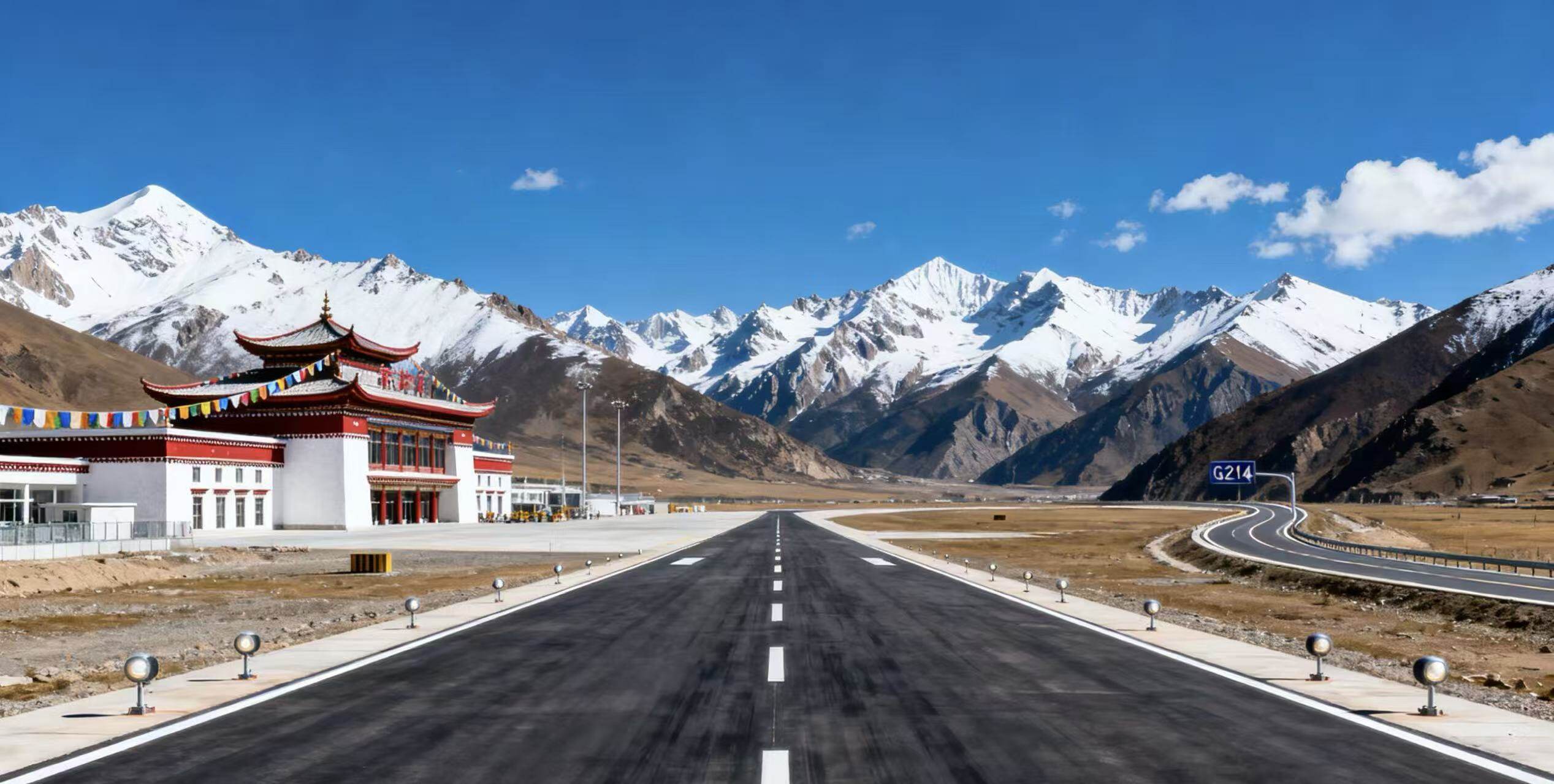
In the long run, this highway is not only a "convenient road", but also a "development road" and a "happiness road". On the one hand, it will significantly enhance the radiation capacity of Banda Airport and adapt to the rapidly growing demand for passenger and freight transportation at the airport; On the other hand, it will connect tourism resources and characteristic industries along the route, reduce logistics costs, expand export channels for agricultural products, and directly drive the development of related industries such as building materials supply and labor employment. At the same time, the improvement of road grades will significantly enhance disaster resistance capabilities, make the transportation network in eastern Tibet more perfect, and provide solid support for promoting rural revitalization and regional coordinated development. At present, all the participating units have entered the site, and the project construction is progressing steadily as planned. It is expected that after completion, it will become an important link to cast a strong sense of the community of the Chinese nation and promote the leapfrog development of Xizang.Editor/Bian Wenjun
Comment




 Praise
 Collect
 Comment

 Share
Share


Write something~