 Search


- This move marks the official implementation of a key regional connectivity project in Colombia
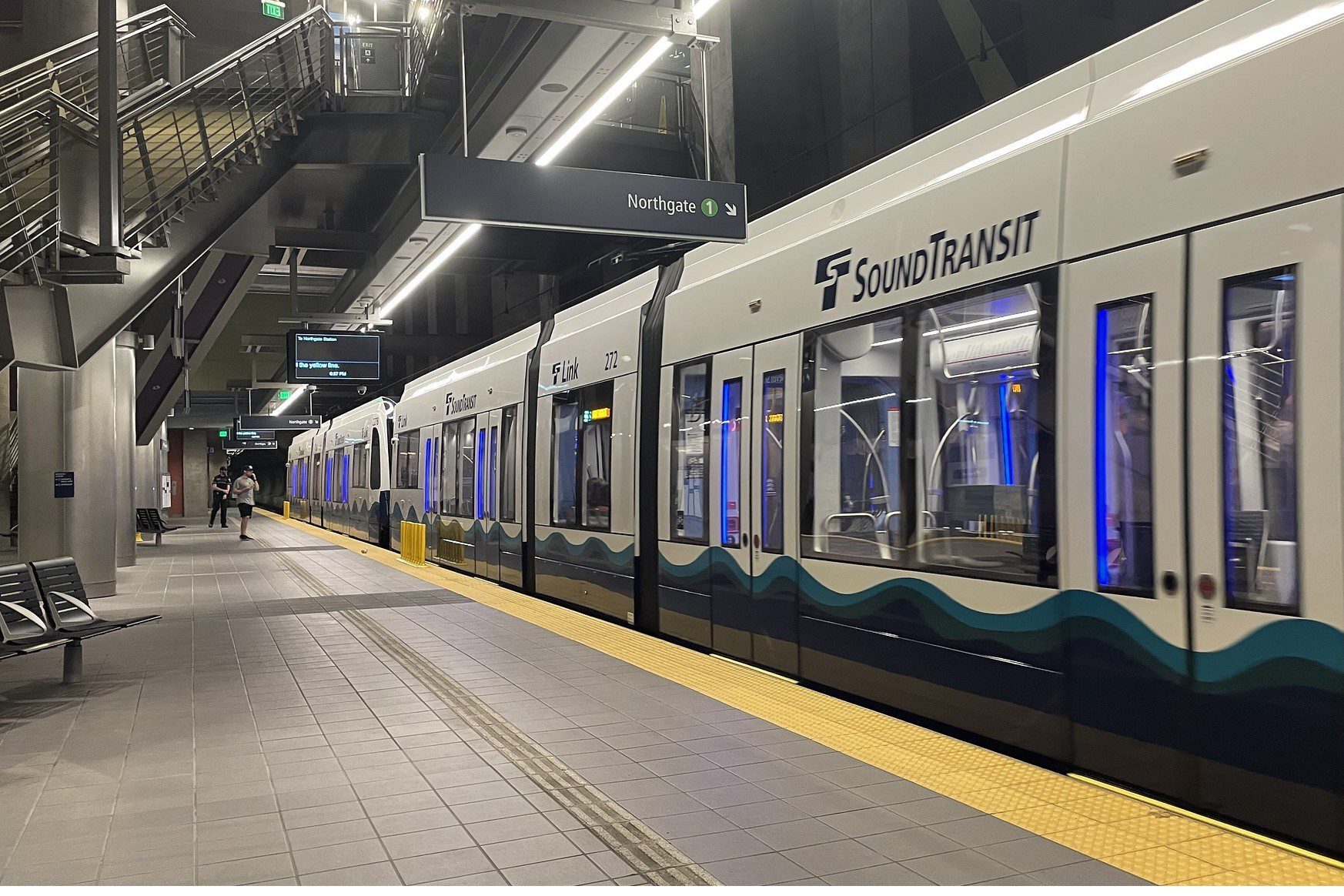
After several years of delay, the province of Cundinamarca, where the Colombian capital Bogota is located, is experiencing significant transportation benefits. Recently, Maria Fernanda Rojas, the Minister of Transport of Colombia, and Jorge Emilio Rey Angel, the Governor of Cundinamarca Province, signed a cooperation agreement to jointly fund a northern regional light rail project with a total investment of up to 15.4 trillion pesos (approximately 4.1 billion US dollars). This breakthrough marks a crucial step in the country's "Regional Railway Plan" aimed at connecting the capital with surrounding cities through a modern tram system.
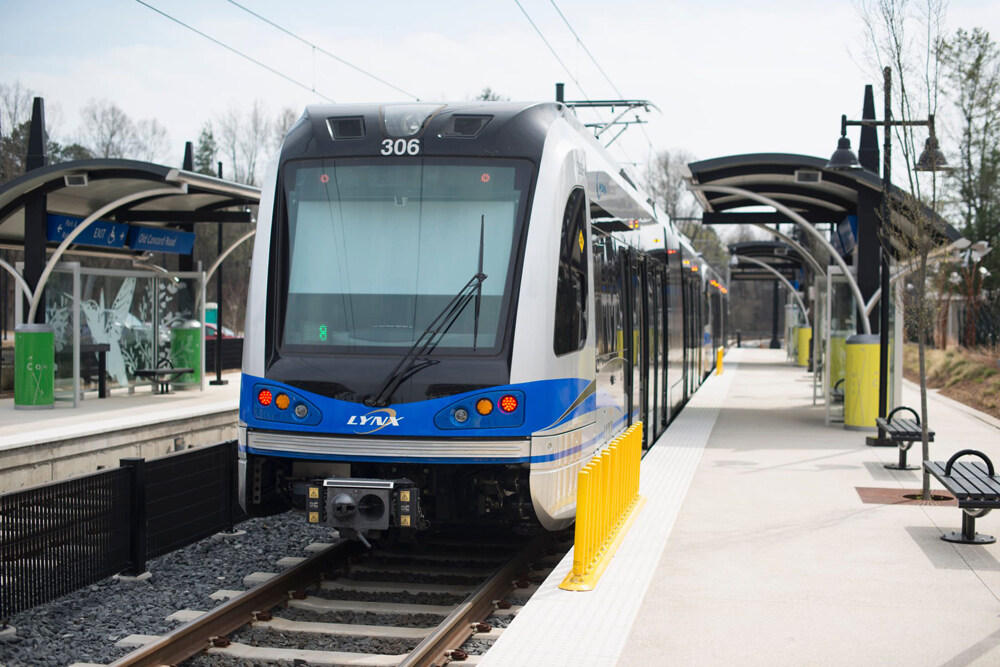
The Northern Regional Light Rail Project has been stalled and deadlocked due to funding issues since the feasibility study was jointly completed by the UK government's Prosperity Fund and the Kundinamarca Regional Government in 2019. The agreement clarifies the funding allocation ratio: the central government of Colombia will bear 80% of the total project investment through the Ministry of National Planning, the Ministry of Transport, and the National Infrastructure Agency, while the government of Cundinamarca province promises to provide the remaining 20% through future budget appropriations from 2026 to 2040. To ensure the efficient progress of the project, the agreement also establishes a strict regulatory mechanism, stipulating that if the construction progress is delayed by more than 20%, national funding will be temporarily suspended to strengthen technical and financial discipline.
According to the plan, the total length of the light rail in the northern region is 49 kilometers, and the main line will continue to use the currently underutilized Bogota Savannah railway corridor. The starting point of the project is located in Chipakila, Cundinamarca Province, and the endpoint leads directly to the center of Bogota. The entire journey has 17 stations and an underground section is planned in the core area of the capital. After completion, the end-to-end travel time from Chipakila to downtown Bogota is expected to be shortened to 1 hour, significantly improving efficiency compared to the current 2-hour rush hour travel, which will greatly alleviate regional commuting pressure.
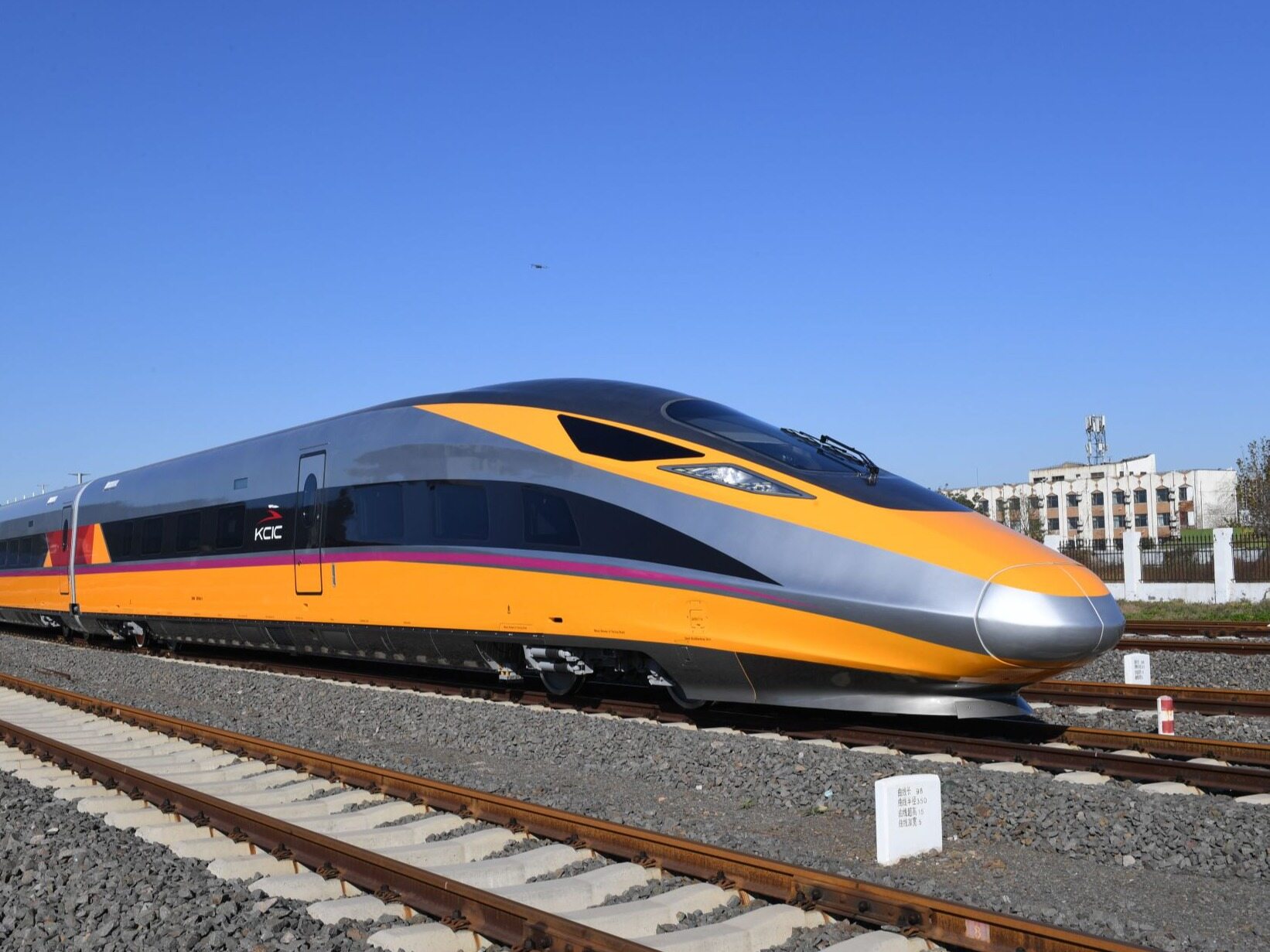
The light rail in the northern region will become the second regional tram line in Colombia. As a reference, the first line - the 39.6-kilometer western regional light rail connecting Bogota and Facatativa - has been constructed by China Civil Engineering Construction Corporation and is currently under construction. It is planned to be put into operation in stages from the end of 2027 to 2029. The first batch of 18 trams manufactured by China Railway Construction Corporation, ordered for this line, have also arrived in Colombia and undergone testing by the end of 2024.
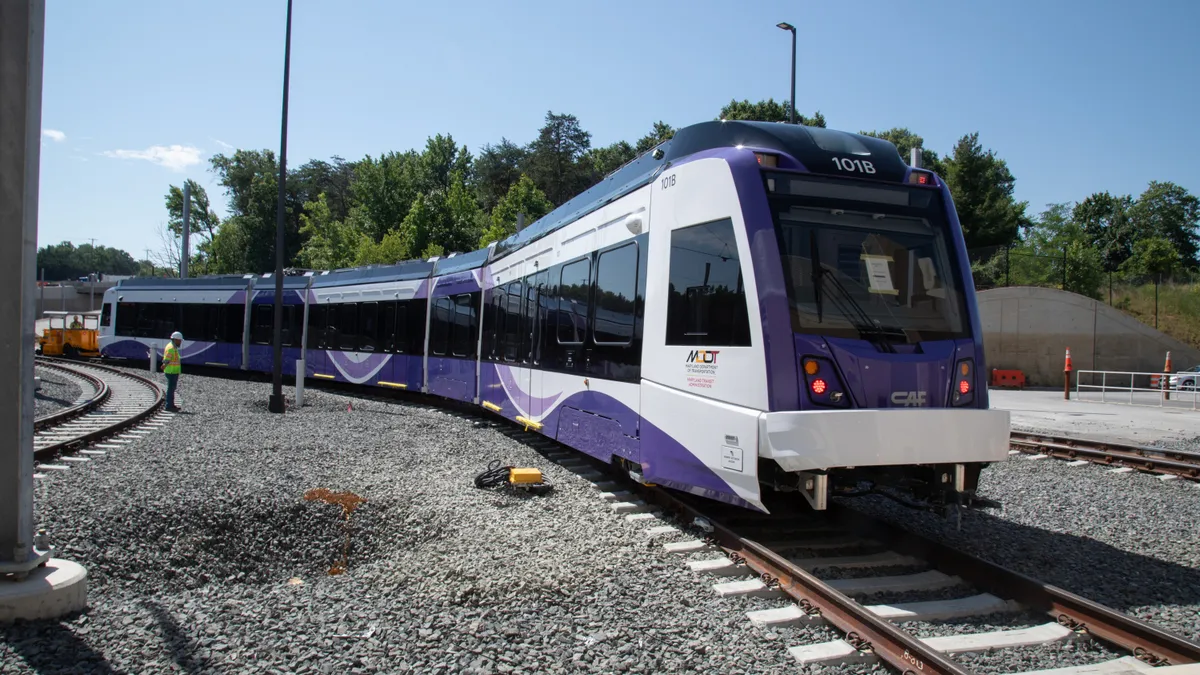
It is worth noting that the two RegioTram lines, the West Line and the North Line, will intersect at a newly built multimodal transport hub in the center of Bogota in the future. The hub will achieve seamless transfer with the Bogota metro system, TransMilenio rapid transit network, and local bus services, thus weaving into an efficient and convenient comprehensive regional public transportation network. Keywords: international news and information, traffic news
With the formal implementation of the financing agreement, the bidding process for the northern regional light rail project is about to begin, expected to commence in the first quarter of 2025. According to local media reports, the project construction is expected to start in 2030 and officially open for operation in 2034. This series of measures will not only reshape the transportation landscape of Bogota and its surrounding areas, but also inject strong momentum into Colombia's sustainable urbanization development.Editor/Cheng Liting
Comment


 Praise
 Collect
 Comment

 Share
Share


Write something~