 Search


- This project aims to build a strong water safety barrier for the high-quality development of Sichuan
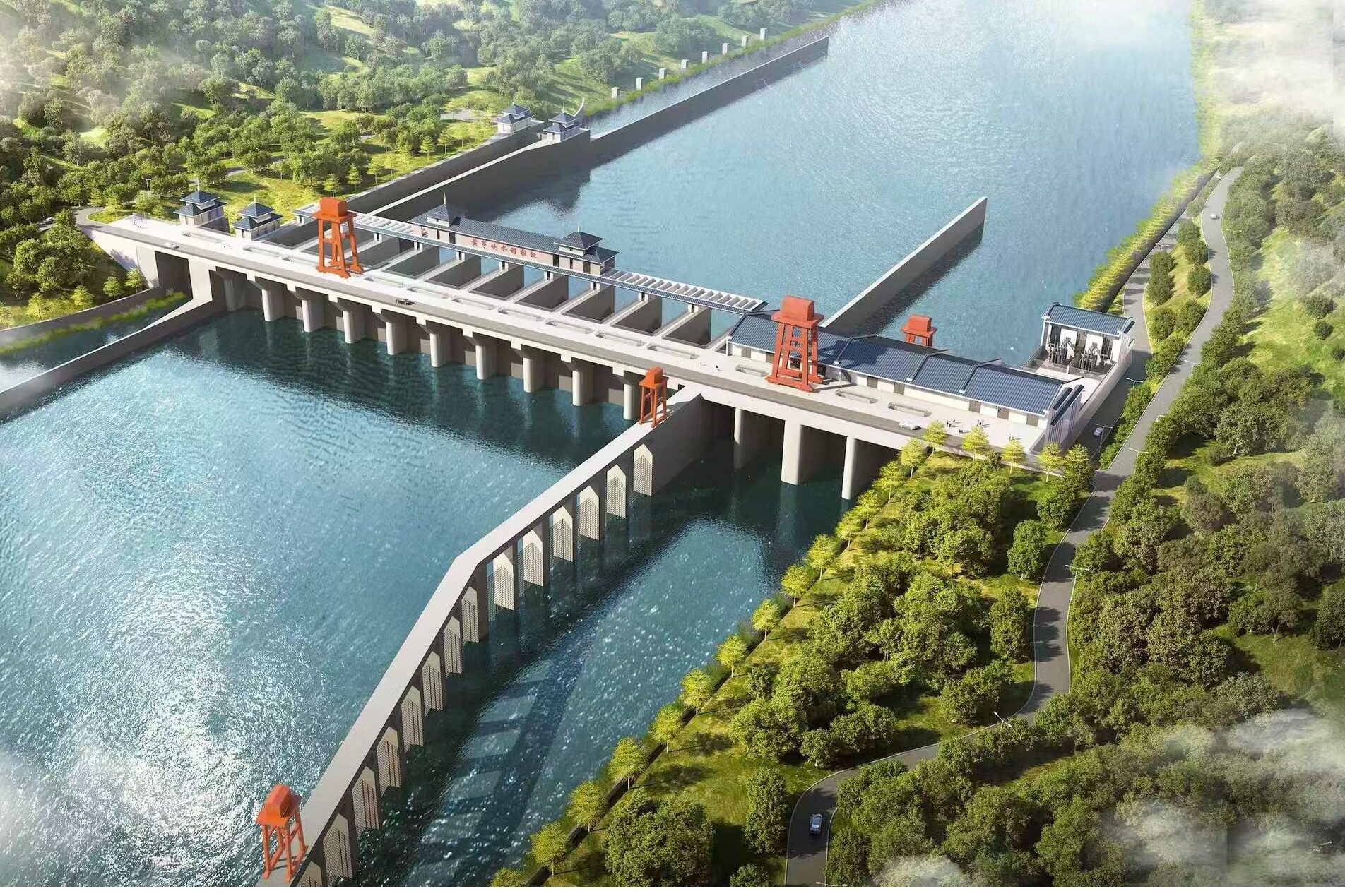
In November 2025, Sichuan Province's water conservancy construction received another good news - the feasibility study report for the water resource allocation project in the hilly area of central Sichuan, with a total investment of 5.72 billion yuan, has been approved. It is planned to officially start construction in the first quarter of 2026, with a construction period of 5 years, and is expected to be fully completed and put into use by 2031. As a key backbone project of the "14th Five Year Plan" for water conservancy development in Sichuan Province, this project will focus on "combining water diversion and storage, and balancing abundant and dry seasons" to construct a regional water resources optimization network, providing solid guarantees for flood control and drought resistance, agricultural irrigation, and urban and rural water supply in the hilly areas of central Sichuan, and building a strong water security barrier for the upstream of the Yangtze River.
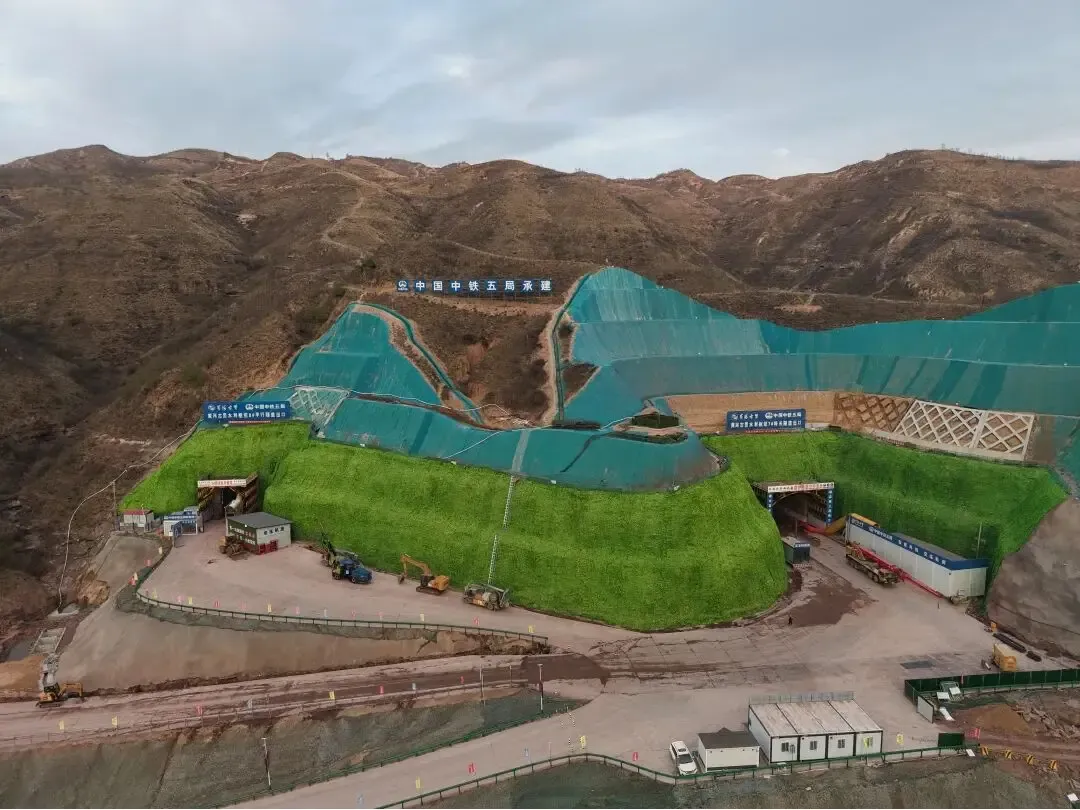
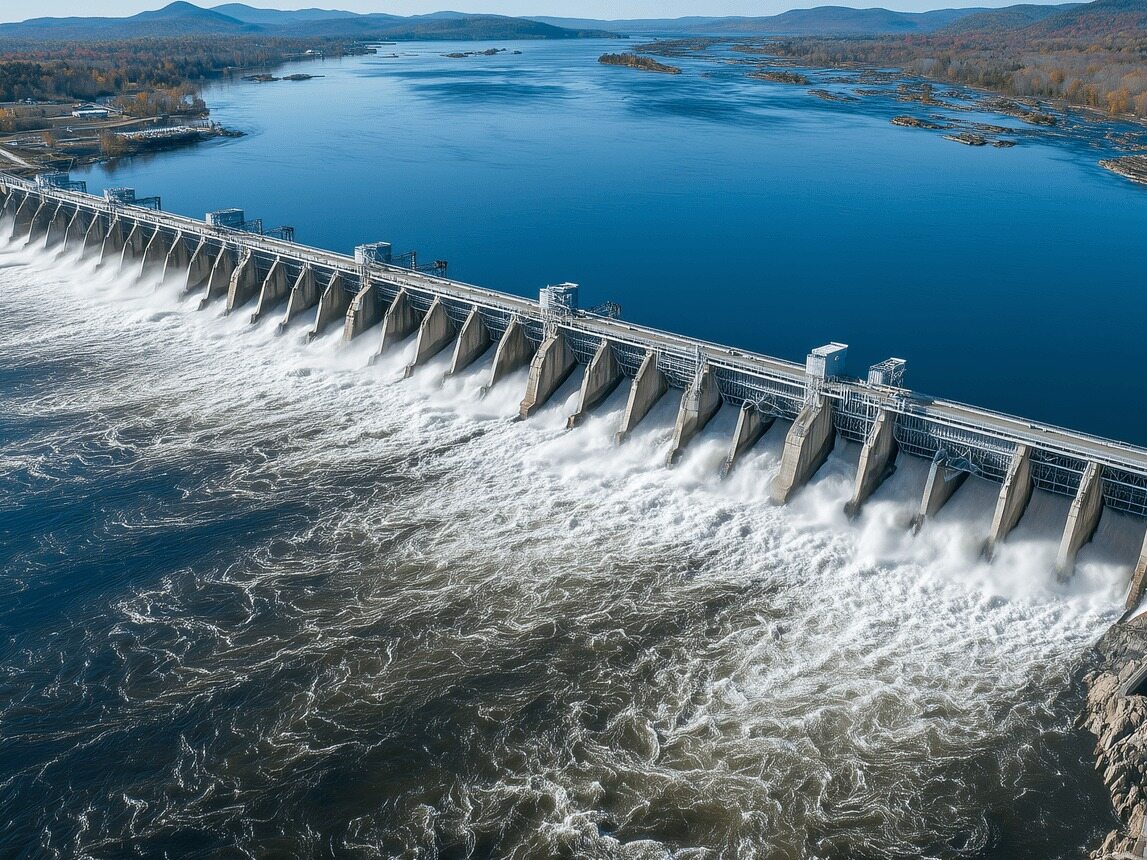
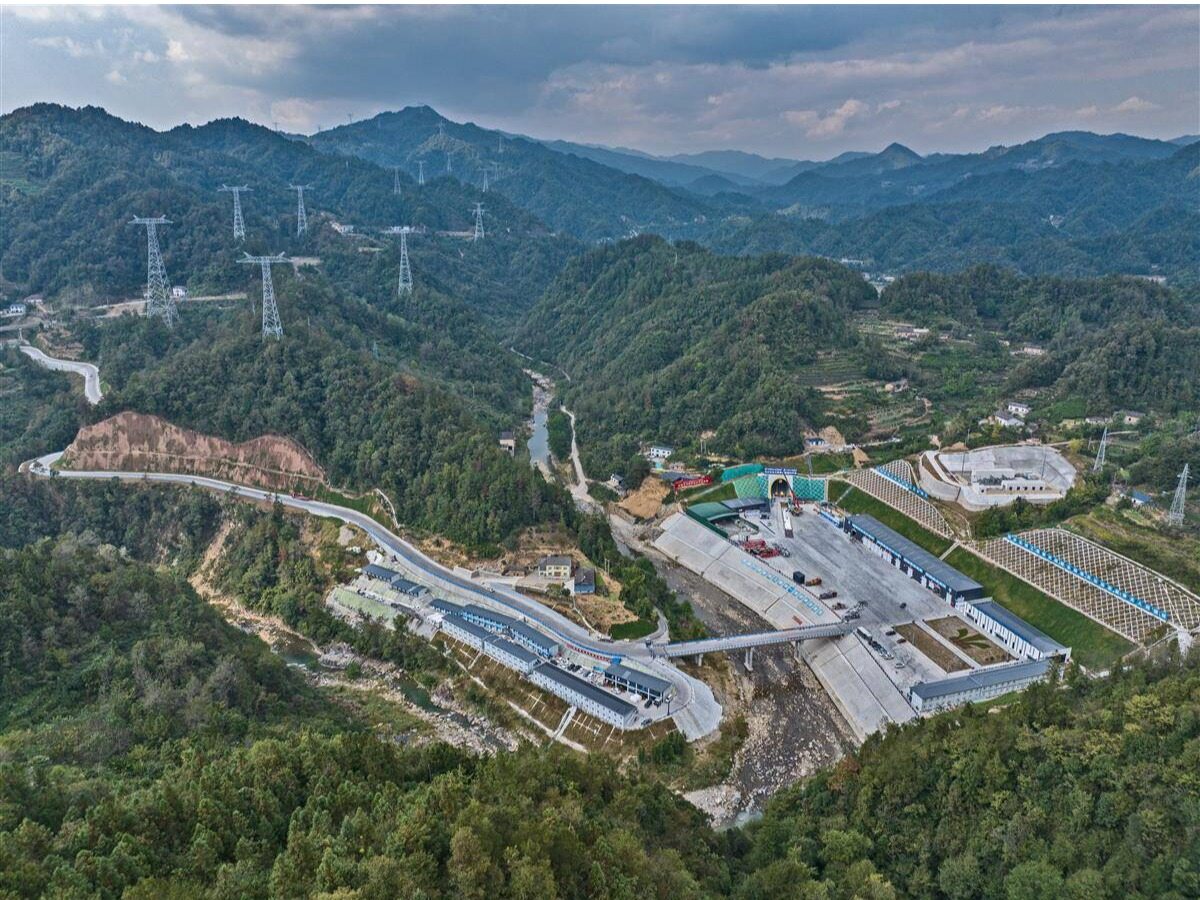
The project is located in the hilly area of the central Sichuan Basin, involving seven counties (districts) in Suining, Ziyang, and Neijiang cities. The core construction content includes the construction of three new main water diversion canals and twelve branch canals, with a total length of 286 kilometers, as well as the construction of two medium-sized reservoirs, five pumping stations, and 138 various water conservancy buildings. The annual water diversion capacity of the engineering design is 230 million cubic meters, including 150 million cubic meters of agricultural irrigation water and 80 million cubic meters of urban and rural domestic and industrial water. It will form a "one core, multiple points, interconnected" water resource allocation system by connecting existing water conservancy facilities in the region. In response to the climate characteristics of "nine droughts in ten years" in the hilly areas of central Sichuan, the project adopts a "long-distance water diversion+cascade water storage" model, which can effectively intercept floods during the flood season and store them in the reservoir, alleviate the pressure of water shortage during the dry season, and increase the regional water supply guarantee rate from the current 75% to over 95%.
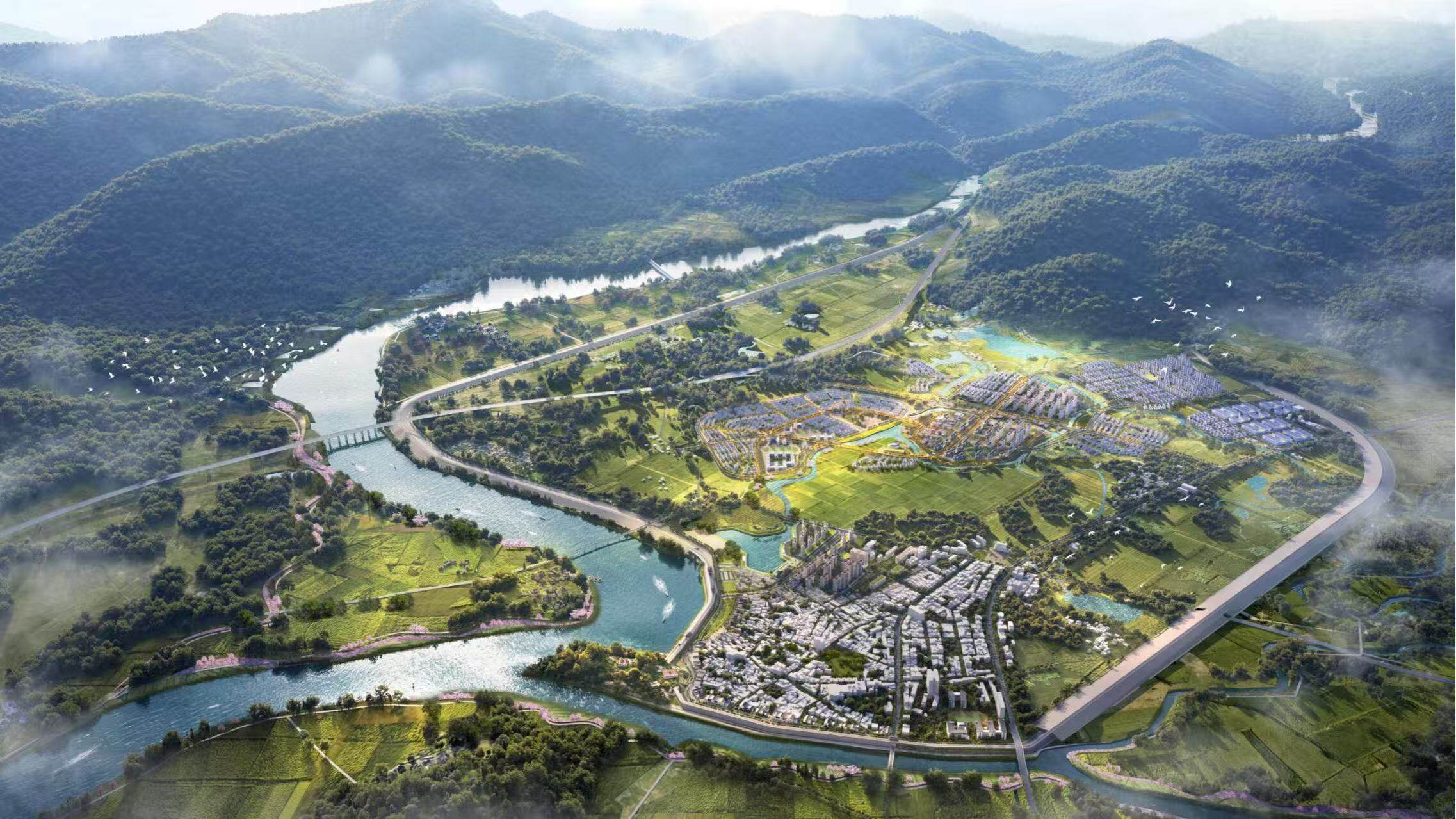
As a comprehensive project that combines livelihood security and ecological restoration functions, the project construction will focus on the three major goals of "safety, efficiency, and green". In terms of flood control safety, by expanding and dredging existing river channels, building new flood control embankments and other facilities, the flood control standards for small and medium-sized rivers along the line can be raised from once every 10 years to once every 20 years, protecting a population of over 800000 people and approximately 650000 acres of arable land; In terms of agricultural irrigation, an additional irrigation area of 1.2 million mu will be added, and the irrigation area will be improved by 850000 mu. It is expected to reduce agricultural losses caused by drought by more than 300 million yuan per year, and help stabilize and increase the yield of grain warehouses in central Sichuan; In terms of urban and rural water supply, stable water sources will be provided for 32 townships and 210 administrative villages along the route, solving the drinking water safety problems of about 1.3 million people, while meeting the water demand of regional industrial parks, injecting "water power" into industrial development.
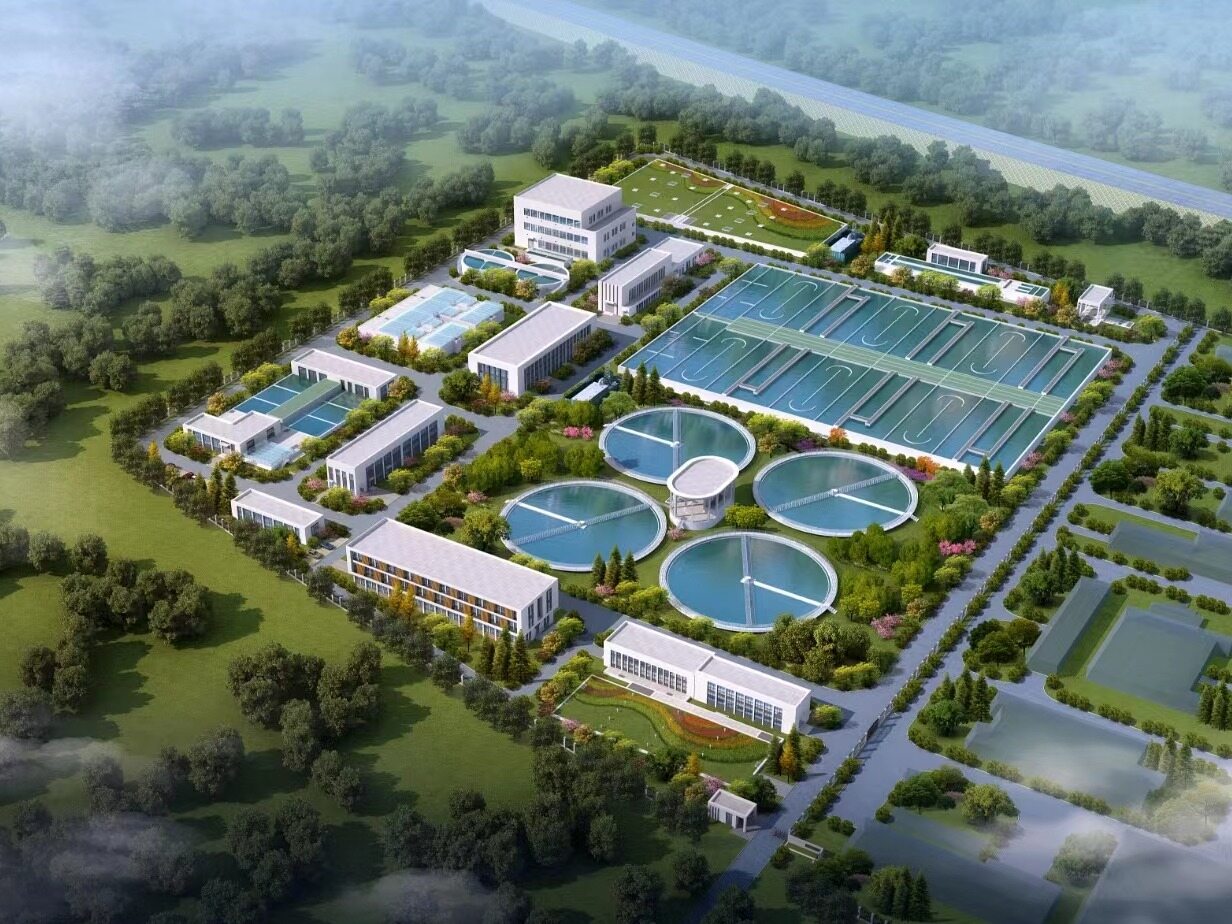
In terms of ecological protection, the project will strictly follow the principle of "synchronous promotion of water conservancy construction and ecological restoration", and adopt technologies such as ecological channel lining and vegetation buffer zone construction during construction to reduce damage to surface vegetation; During the operation period, scientific scheduling of water resources is used to improve the ecological flow of rivers along the route, restore wetland ecosystems, and enhance regional soil and water conservation capabilities. In addition, the project will also be accompanied by the construction of a smart water management platform, integrating functions such as hydrological monitoring, water volume scheduling, and engineering operation and maintenance, to achieve refined management of water resources and promote the transformation of traditional water conservancy into smart water conservancy.
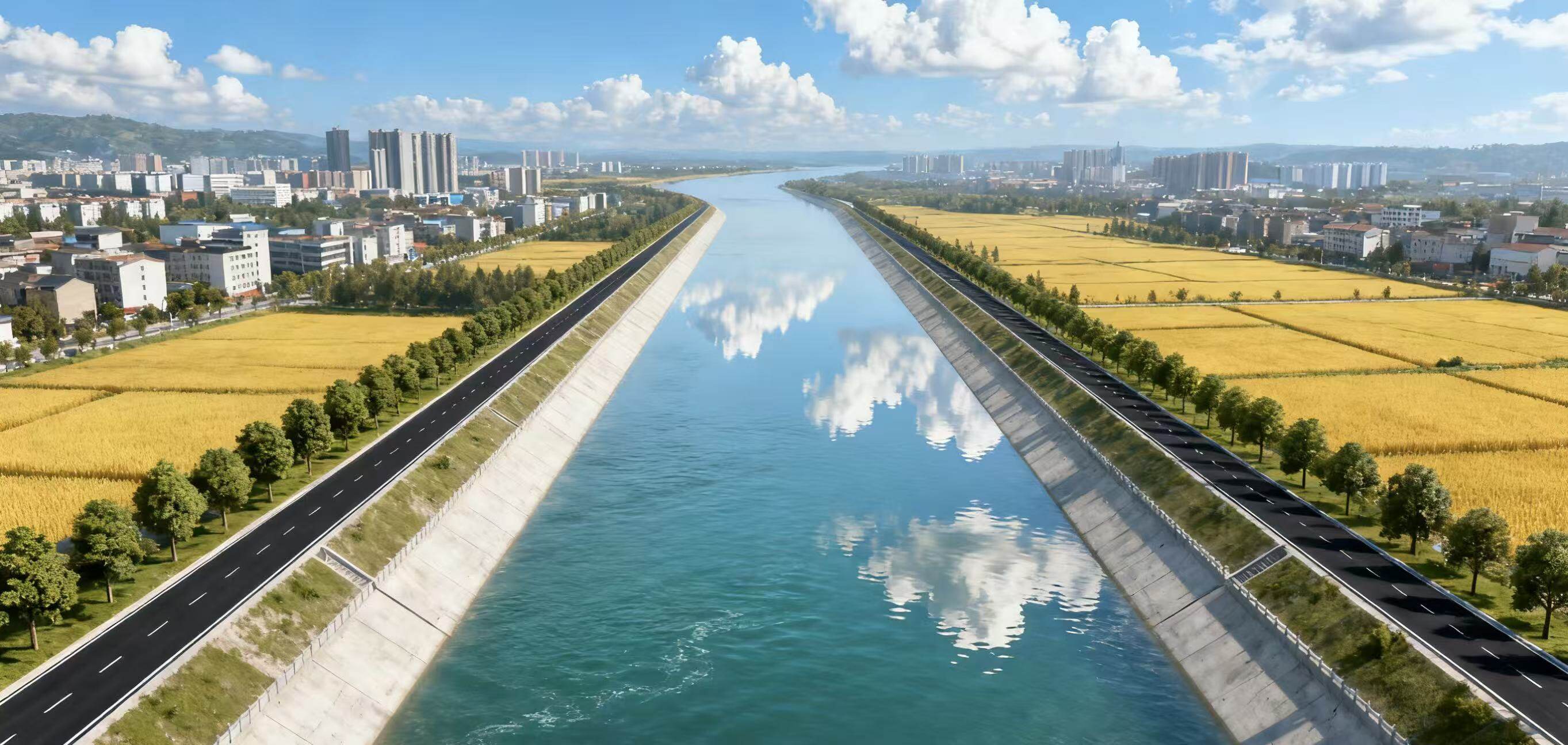
Against the backdrop of accelerating the construction of the Chengdu Chongqing economic circle, the construction of this water conservancy project holds significant strategic importance. The project will not only fill the gaps in water infrastructure in the hilly areas of central Sichuan and solve the problem of "engineering water shortage", but also promote the coordinated development of regional agricultural modernization, new urbanization, and ecological protection through optimized allocation of water resources, providing a solid water security guarantee for the twin city economic circle. At present, the project has completed preliminary work such as land pre-approval and environmental impact assessment approval, and construction drawing design and equipment procurement are progressing in an orderly manner.
Next, the Water Resources Department of Sichuan Province will work with various cities along the route to establish a collaborative promotion mechanism, strictly control the quality, safety, and environmental protection of the project, and ensure that the project is completed and effective as soon as possible. This water conservancy heavy equipment with a total investment of 5.7 billion yuan will eventually become a "livelihood project" that benefits millions of people, a "safety project" that safeguards local security, and an "engine project" that promotes regional development. It will build a strong water security barrier for the high-quality development of Sichuan and write a new chapter in the ecological protection and high-quality development of the upper reaches of the Yangtze River.Editor/Bian Wenjun
Comment

 Praise
 Collect
 Comment

 Share
Share


Write something~