 Search


- Following the trajectory of history, Armenia is about to open a new transportation artery
- Indicating that the transportation and geopolitical landscape in the Caucasus region may undergo significant changes
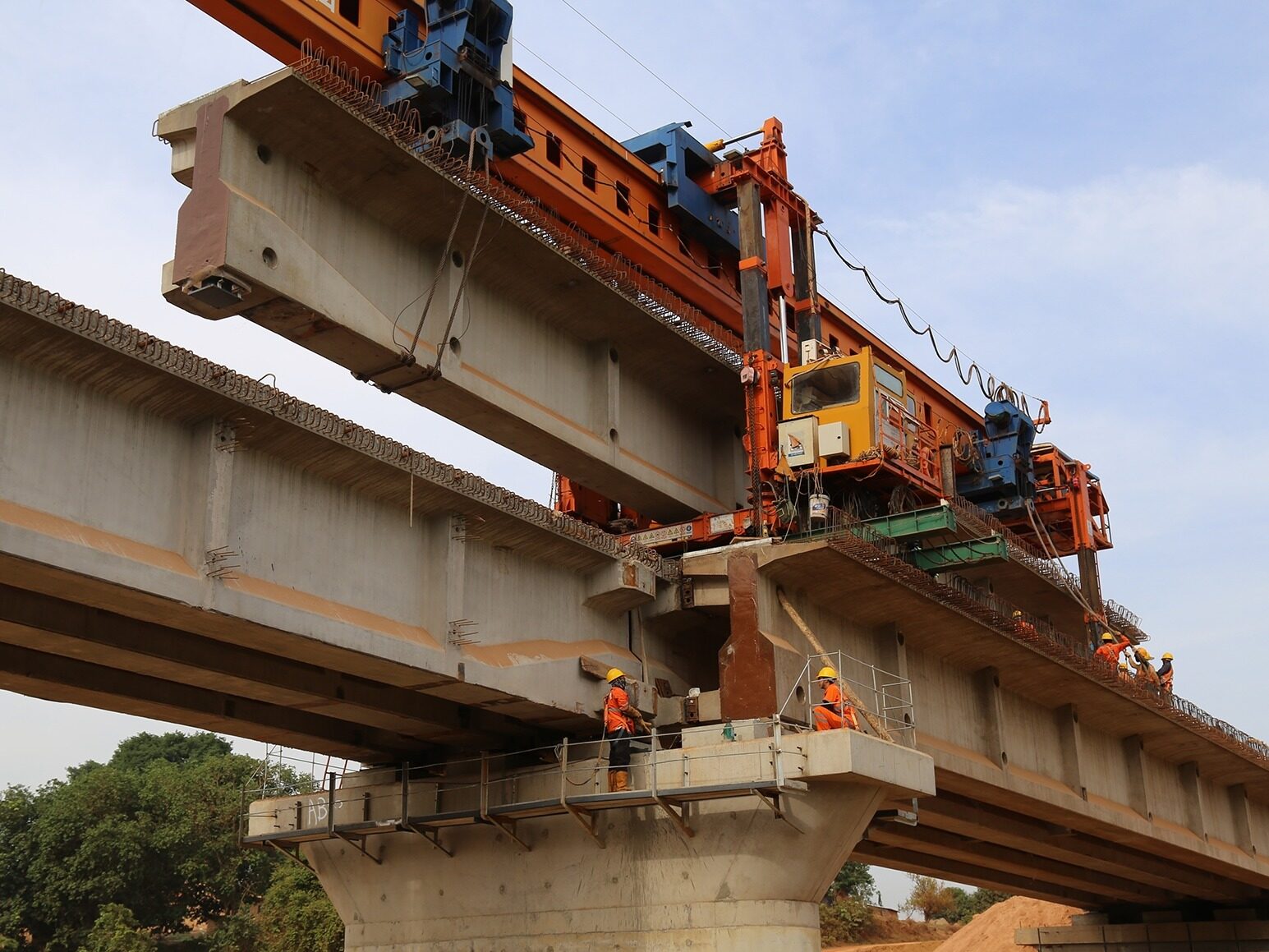
Recently, Armenian Prime Minister Nikol Pashinyan announced at a parliamentary meeting that the highly anticipated TRIPP railway project, known as the Zangezur Corridor, is expected to officially commence construction in the second half of 2026. This major infrastructure plan will not only reshape Armenia's transportation pattern, but also involve the extension of energy pipelines and power lines, and receive support from international partners, marking a new step in regional cooperation and economic development.
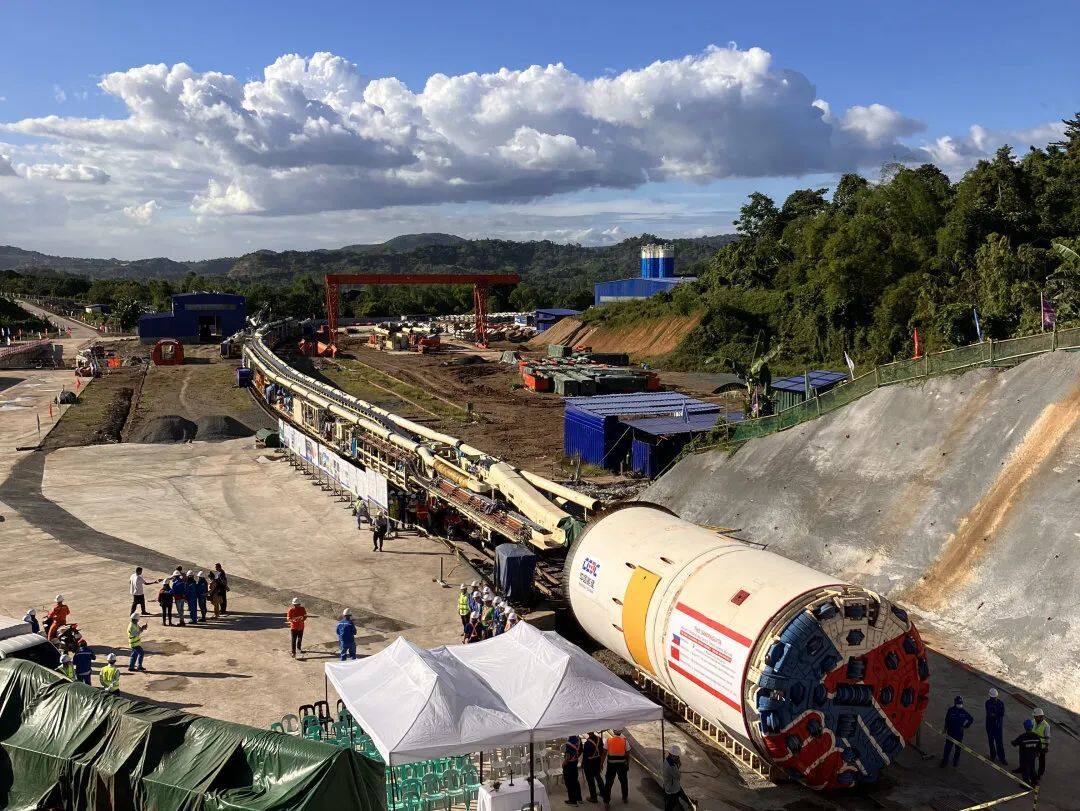
Project schedule and route planning
Armenian Prime Minister Nikol Pashinyan revealed at a parliamentary meeting that the construction schedule for the TRIPP railway project has been preliminarily determined. He said, "We need to finalize all the details before the end of this year. We plan to sign the agreement in the first half of 2026 and officially start construction in the second half." Pashinyan emphasized that the railway will be strictly laid along the existing Soviet era route, and other sections cannot be constructed due to technical or geographical factors, which will help reduce project complexity and accelerate progress. At the same time, he also added that natural gas pipelines and power lines supporting the railway will be extended northward to further strengthen regional infrastructure connectivity.
Progress in International Support and Regional Cooperation
In addition, Armenia also said that it was ready to guarantee the freight transit from Türkiye to Azerbaijan, and planned to establish a railway freight channel from Russia to Armenia via Azerbaijan. It is worth mentioning that Azerbaijani President Ilham Aliyev announced during his visit to Kazakhstan that restrictions on the transportation of goods from Azerbaijan to Armenia will be lifted, creating favorable conditions for regional trade facilitation. Keywords: overseas engineering, international engineering construction, foreign engineering construction news
Overall, the advancement of the TRIPP railway project is not only a crucial step towards modernizing Armenia's infrastructure, but also promotes economic integration and stability in the Caucasus region through international cooperation and regional coordination. With the start of construction in 2026, this project is expected to become another important hub connecting Europe and Asia, bringing long-term development opportunities to Armenia and neighboring countries, while strengthening its strategic position in the global transportation network. In the future, the implementation of the project will receive close attention from the international community, and its results may have a profound impact on the regional geopolitical and economic landscape. Editor/Xu Shengpeng
Comment


 Praise
 Collect
 Comment

 Share
Share


Write something~