 Search


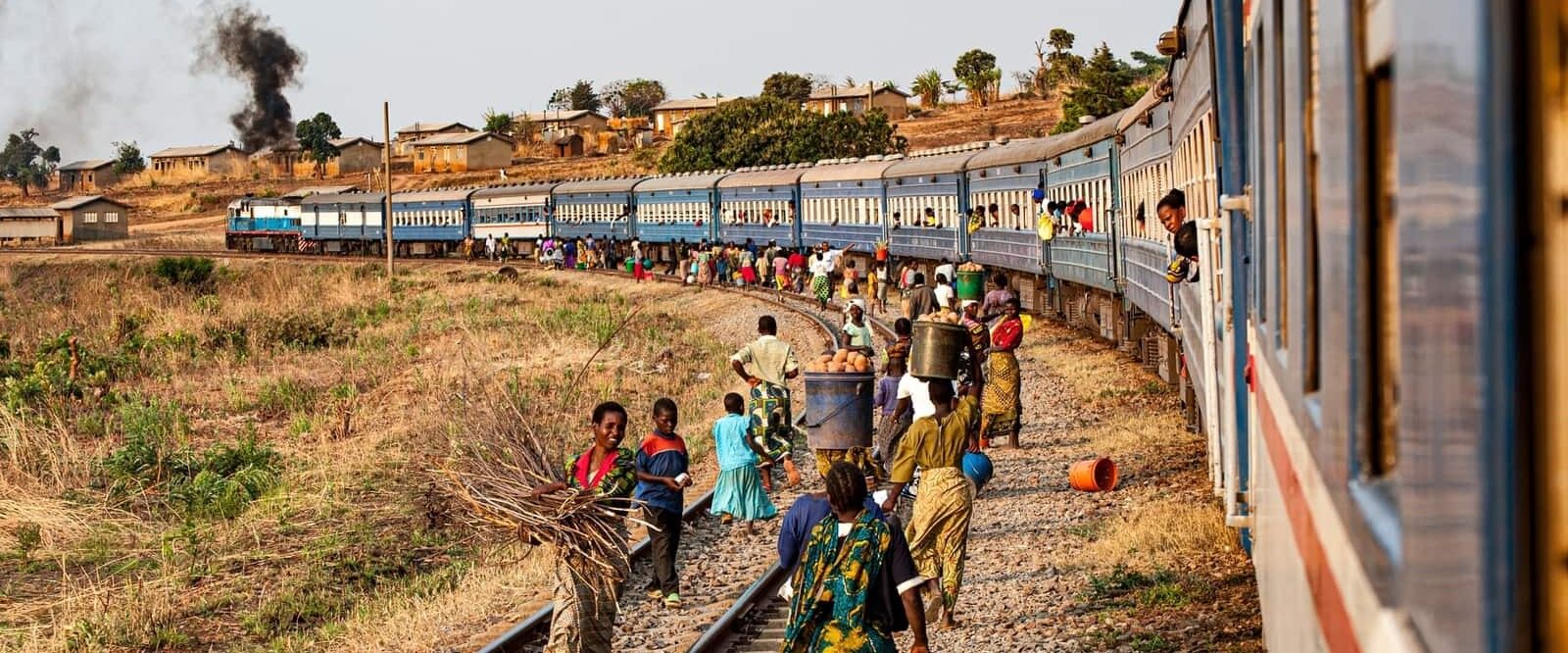
- This project lays a solid foundation for the long-term sustainable development of Zambia's economy
- The project aims to reduce logistics costs, decrease carbon emissions, and lay a solid foundation for the long-term sustainable development of Zambia's economy
Recently, the European Union signed a key grant agreement worth 50 million euros with Zambia, aimed at supporting the Zambia Railway Company in updating its core network's tracks and modernizing its signaling system. This funding will be primarily used for the renovation project of the Livingstone Ndola mainline, marking a substantial step forward for Zambia in reshaping its strategic layout as a regional transportation and logistics hub.
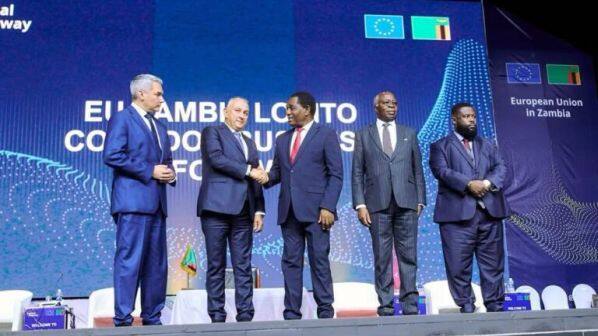
At the opening ceremony of the EU Zambia Lobito Corridor Business Forum held in Chongwei, the agreement was jointly signed by EU Commissioner for International Partnership Yuta Ulpilinen, Zambian Minister of Transport and Logistics Frank Tayali, and the General Manager of Zambia Railways. The joint attendance of Zambian President Hakainde Hicklema, Vice President of the European Investment Bank, and EU Ambassador to Zambia and other high-level officials demonstrates the high importance both sides attach to this project.
Comprehensive reform beyond infrastructure
This cooperation goes far beyond the improvement of hardware facilities. According to Zambia Railways, the EU grant will also be used to promote systematic reforms in its railway sector, with the core goal of enhancing industry competitiveness and operational transparency. More importantly, the project will pave the way for the introduction of an open access system in Zambia's railway network, which means that in the future, more private operators will be allowed to use railway infrastructure under fair conditions, thereby breaking monopolies and stimulating market vitality.
Dual goals of empowering the economy and promoting emissions reduction
The modernization of railway networks will directly lead to an improvement in transportation efficiency and a decrease in costs. This will not only alleviate the severe congestion on highways, but also significantly reduce carbon dioxide emissions through the transformation of the transportation mode of circular rail, in line with the global trend of green development.
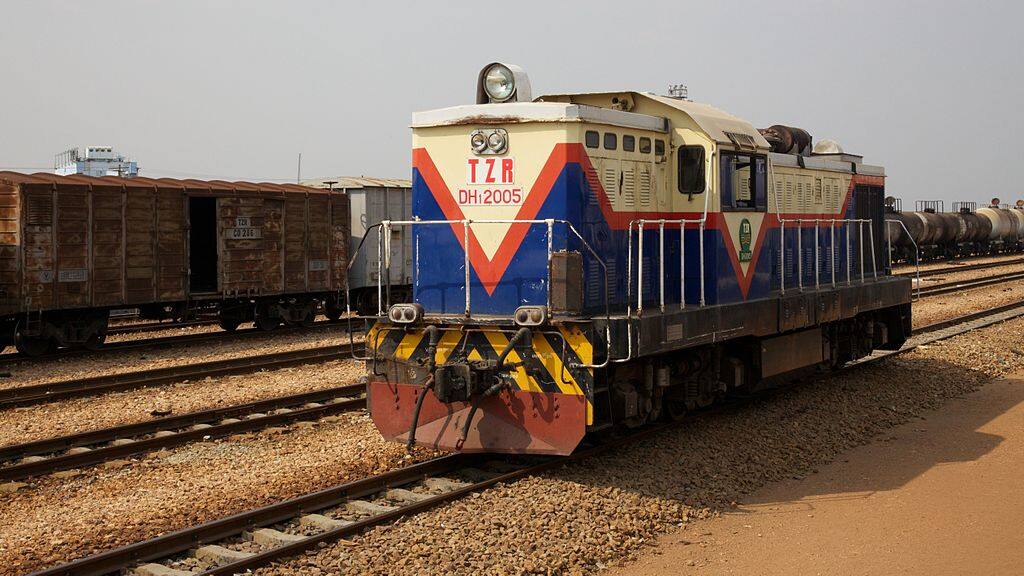
More importantly, an efficient and reliable railway system will strongly support Zambia's core economic development goal of increasing annual copper production to 3 million tons. The Ministry of Transport and Logistics pointed out that the renovated Zambia railway network will strengthen its role as the central hub of the Lobito Corridor, not only better serving the mining industry, but also opening up new growth opportunities for fields such as agriculture and logistics. Keywords: international news, transportation news
The massive grant from the European Union this time is like injecting a shot in the arm into Zambia's railway arteries. It will not only upgrade its outdated infrastructure, but also activate Zambia's regional connectivity potential as a landlocked country through deep institutional changes, injecting strong impetus into its sustainable economic development.Editor/Cheng Liting
Comment


 Praise
 Collect
 Comment

 Share
Share


Write something~