 Search


- This budget is expected to achieve a fiscal surplus of 5% of GDP and significantly increase Dubai's social and development expenditures
- Dubai solidifies its long-term competitiveness as a global logistics, trade, and innovation hub by investing nearly half of its record breaking budget into infrastructure through advanced investments
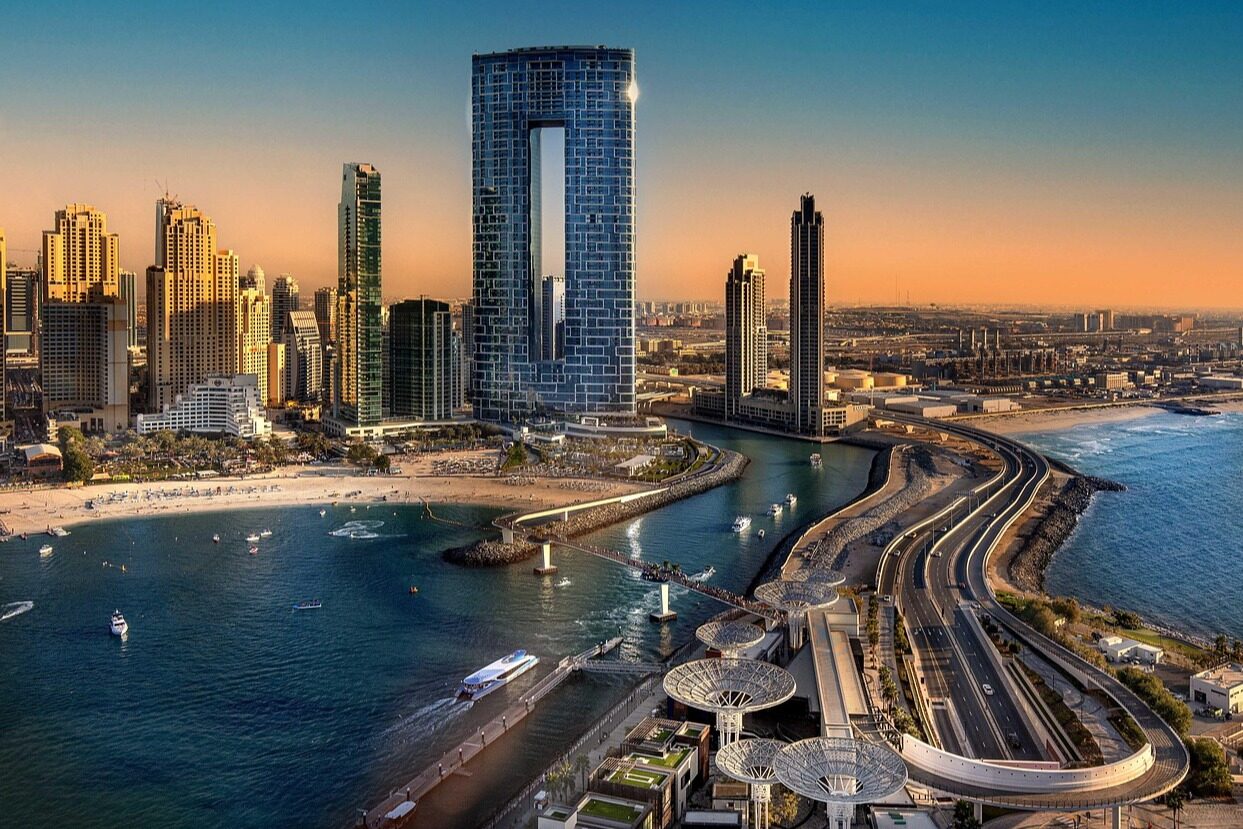
The Dubai government recently officially approved a record breaking annual budget of 99.5 billion dirhams for 2026 and simultaneously established the largest comprehensive budget framework for the 2026-2028 three-year period in the country's history. In this fiscal plan, infrastructure investment has become the most dazzling highlight, with its expenditure proportion increasing to 48% and a total of 47.8 billion dirhams, a significant increase of 20% compared to the previous year, demonstrating Dubai's firm determination to consolidate its global hub position.
Infrastructure investment accounts for half of the market share

According to the plan, this nearly $48 billion infrastructure funding will comprehensively cover key areas such as roads, bridges, tunnels, public transportation, sewage systems, parks, renewable energy facilities, waste management, and service buildings. This investment has further expanded compared to 2023 (accounting for 46%, 39.7 billion dirhams), reflecting the government's clear direction of making infrastructure the core of long-term development strategy.
Mega projects drive future vision
Behind the huge budget are several ongoing mega government projects that together form the future urban backbone of Dubai:
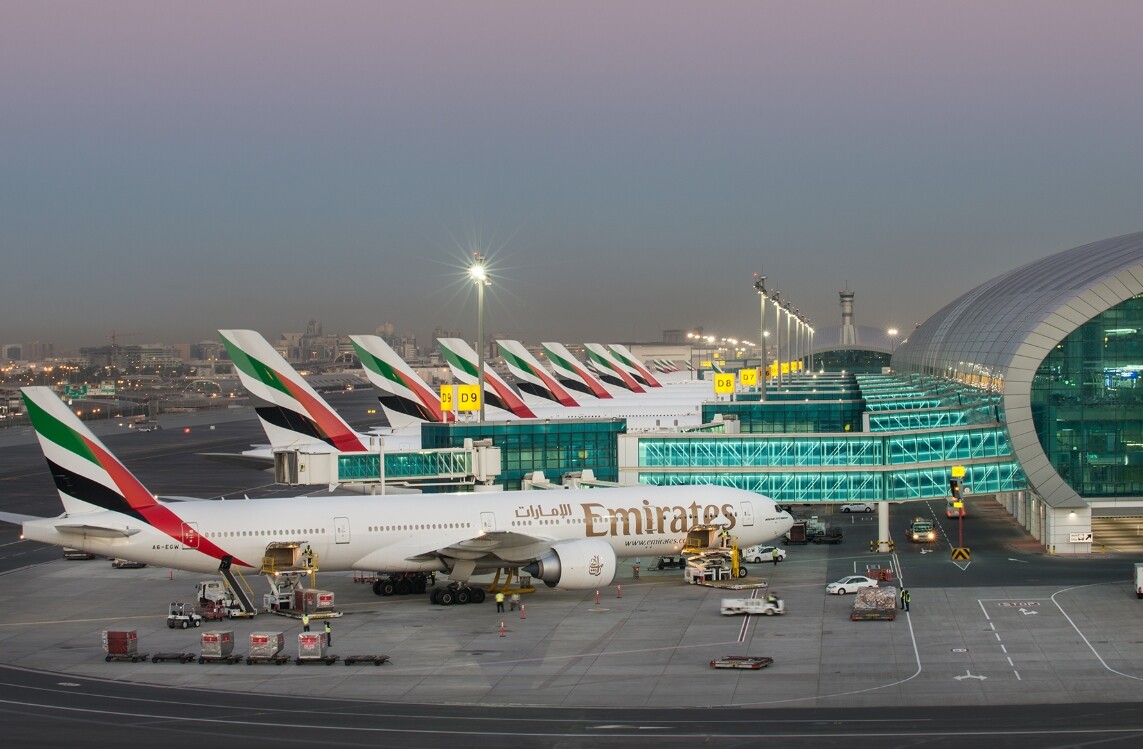
Al Maktoum International Airport expansion: costing $35 billion, aimed at creating the world's largest aviation hub;
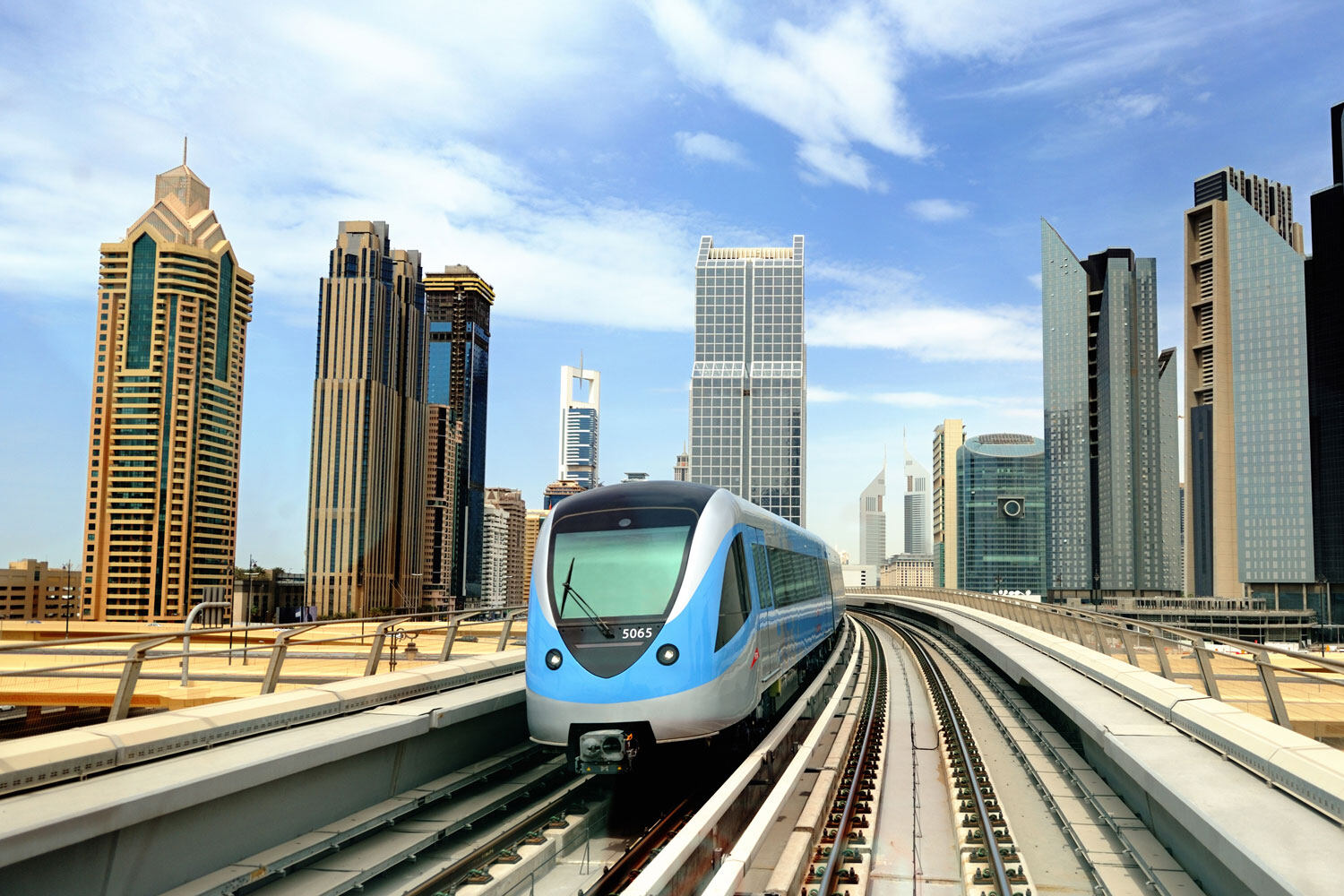
Dubai Metro Blue Line Extension: Investing $4.9 billion to continuously expand world-class public transportation network;
Dubai Strategic Sewer Tunnel: Developed based on a public-private partnership model for $22 billion, to build the next generation of urban sewage systems.
Give equal importance to stable finance and balanced development
Despite a significant increase in expenditure, Dubai's financial situation remains robust. The expected revenue for 2026 is 107.7 billion dirhams, including a general reserve of 5 billion dirhams. The Dubai Ministry of Finance expects to achieve an operating surplus of up to 5% of the emirate's GDP that year.
This three-year budget (2026-2028) has a total expenditure set at 302.7 billion dirhams and a total revenue of 329.2 billion dirhams, making it the largest budget cycle in Dubai's history and reflecting the forward-looking nature of its mid-term fiscal planning.
In addition to infrastructure, the budget also focuses on balanced social development. In 2026, social development expenditure will account for 28%, covering areas such as health, education, scientific research, housing, and social welfare, an increase of 20% compared to 2024. Another 18% of the budget is allocated to the security and justice sectors, and 6% is used for government development projects to promote innovation and a culture of excellence in the public sector.
Through this largest budget in history, Dubai is transforming its global ambitions into solid financial commitments aimed at maintaining a leading position in increasingly fierce international competition through strategic investments and laying a solid foundation for prosperity in the post oil era.Editor/Cheng Liting
Comment


 Praise
 Collect
 Comment

 Share
Share


Write something~