 Search


- Saudi Aramco, which controls all of this, sits firmly on the global energy throne with 92 years of accumulation, 250 billion barrels
- Saudi Aramco wrote the energy legend in 92 years. As a comprehensive energy giant spanning 50 countries, it is not only a pillar
Recently, Saudi Arabia's visa policy has suddenly tightened, requiring business visa applicants to reach the level of "manager" or above, which has caught many business people planning to travel to Saudi Arabia off guard. A local friend revealed that this may be a temporary measure taken by the government to reduce the influx of labor from specific countries. In this country that relies on labor from India, Pakistan, the Philippines, and Nepal to support social functioning, policy changes always attract attention.
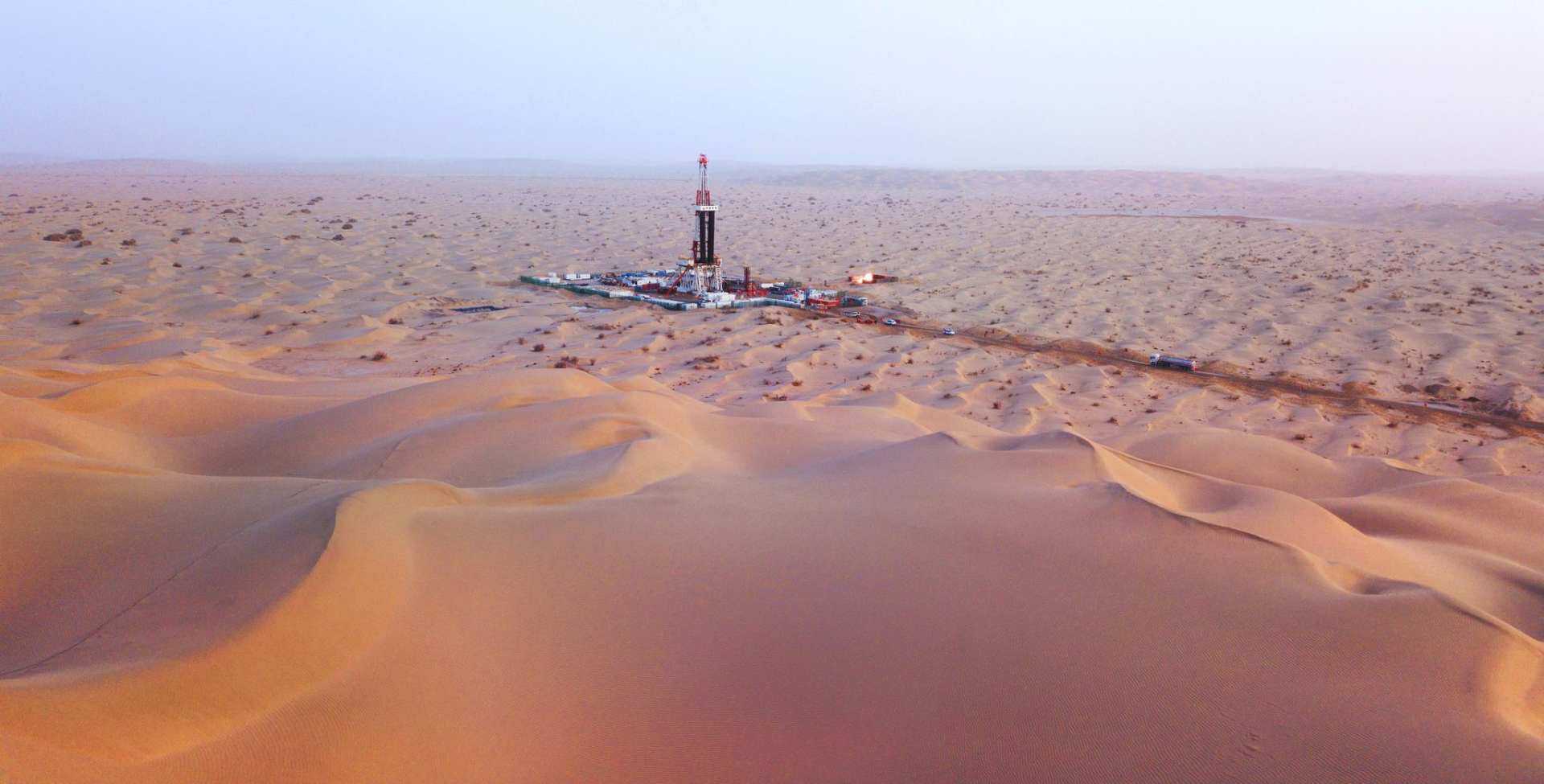
However, beneath this vast desert lies the black gold that will change the fate of Saudi Arabia, and it is none other than the global energy giant - Saudi Aramco.
From Desert to World: The Rise of Ami
The origin of Saudi Aramco can be traced back to 1933, when Saudi Arabia signed a concession agreement with Standard Oil of California. To manage this agreement, a subsidiary, California Arabian Standard Oil Company, was specifically established.
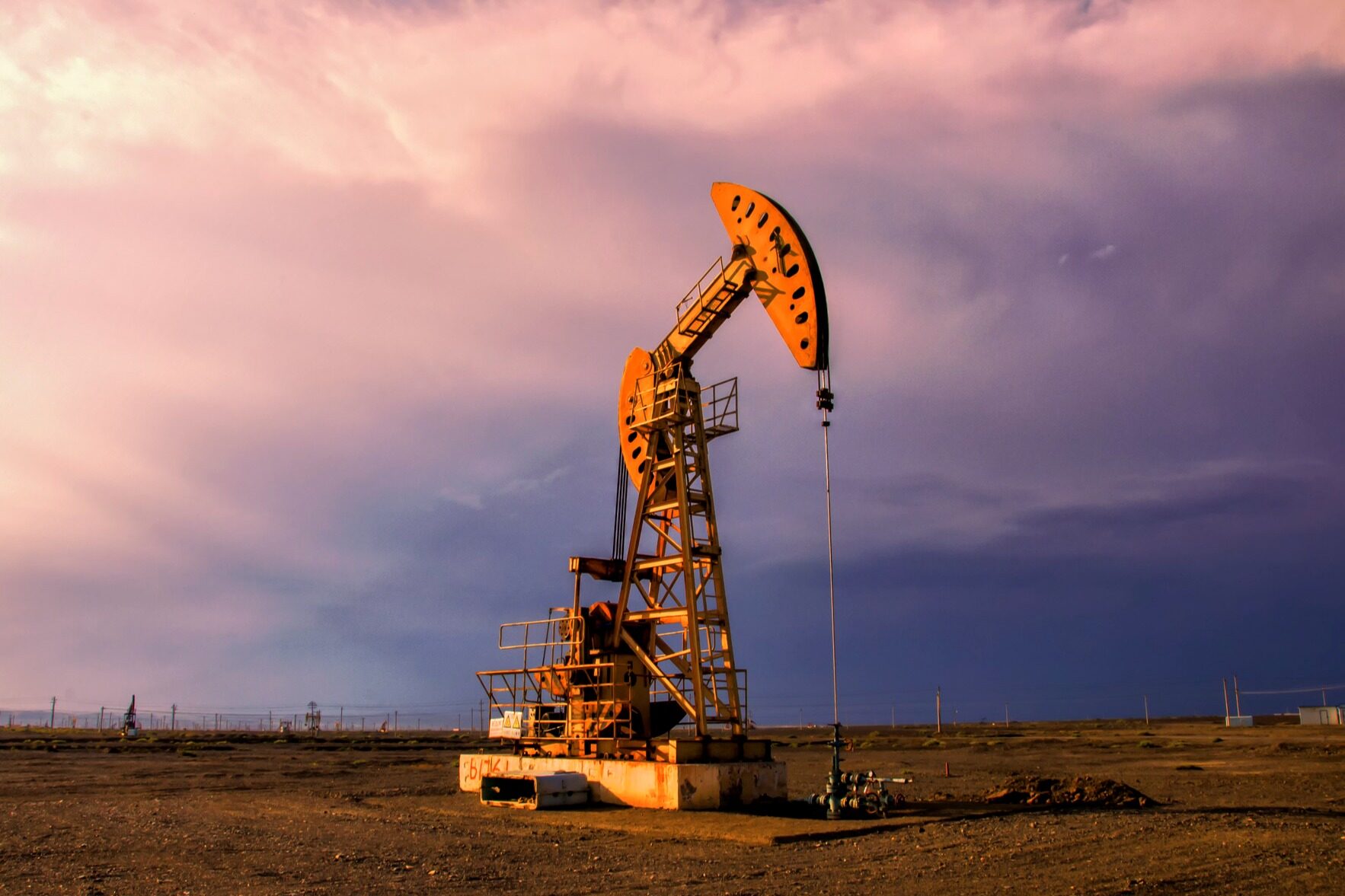
Exploration work immediately began. After years of unsuccessful exploration in the desert, the company's chief geologist Max Steineke insisted on continuing drilling in 1937. This persistence finally paid off in 1938 when the Dammam 7 well began commercial crude oil production. This oil well, named the "Prosperity Well," opened the curtain on Saudi Arabia's oil industry.
With the company's renaming to Arab American Oil Company, the daily crude oil production reached 500000 barrels in 1949. In 1950, the company built the 1212 kilometer Trans Arab Oil Pipeline, which was the longest oil pipeline in the world at that time. In 1951, the company discovered the Safanian oil field in the Arabian Gulf, which was later confirmed to be the world's largest offshore oil field. By 1958, the company's daily crude oil production had exceeded the milestone of 1 million barrels.
Nowadays, Saudi Aramco has 92 years of industry experience, over 75000 employees, manages 250 billion barrels of oil reserves, and operates in more than 50 countries. In 2024, its domestic natural gas production will reach 10.8 billion standard cubic feet per day, and the annual petrochemical production capacity will reach 57.6 million tons.
Full Industry Chain Layout: Business Map of Energy Empire
Saudi Aramco's business runs through the entire industry chain of upstream, midstream, and downstream, forming a complete energy ecosystem.

In the upstream field, Aramco focuses on crude oil exploration, extraction, and natural gas development and production, including the development of conventional and unconventional oil and gas resources. This sector is the core business of Aramco, with the world's largest crude oil reserves and one of the lowest extraction costs.
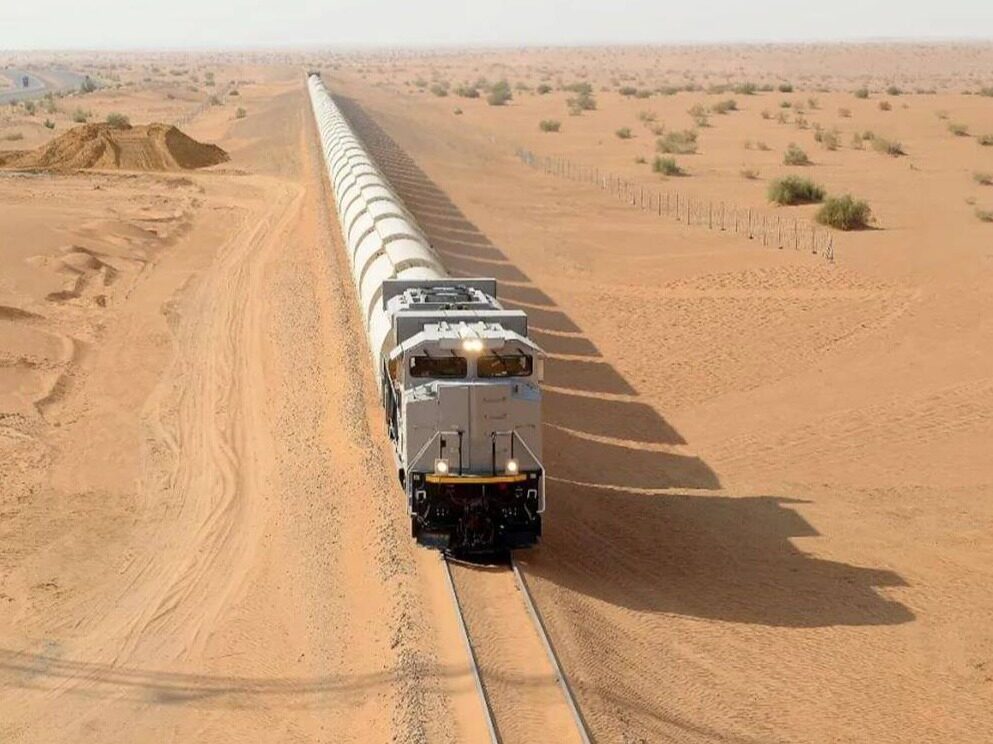
The midstream business includes the transportation of crude oil, natural gas, and natural gas liquids, pipeline network construction and operation, as well as the operation of storage tanks, terminals, and export ports. The long-standing trans Arab oil pipeline and modern transportation network together form the backbone of this sector.
The downstream business covers refining, chemicals, and marketing. By acquiring 70% equity of SABIC, Aramco actively promotes the "crude oil chemical conversion" strategy, achieving the transformation from traditional oil products to high value-added chemical products. The company is building large-scale integrated refining and chemical bases worldwide to expand its sales and retail network for refined oil products.
The Gate of Cooperation: How to Become an Aramco Supplier
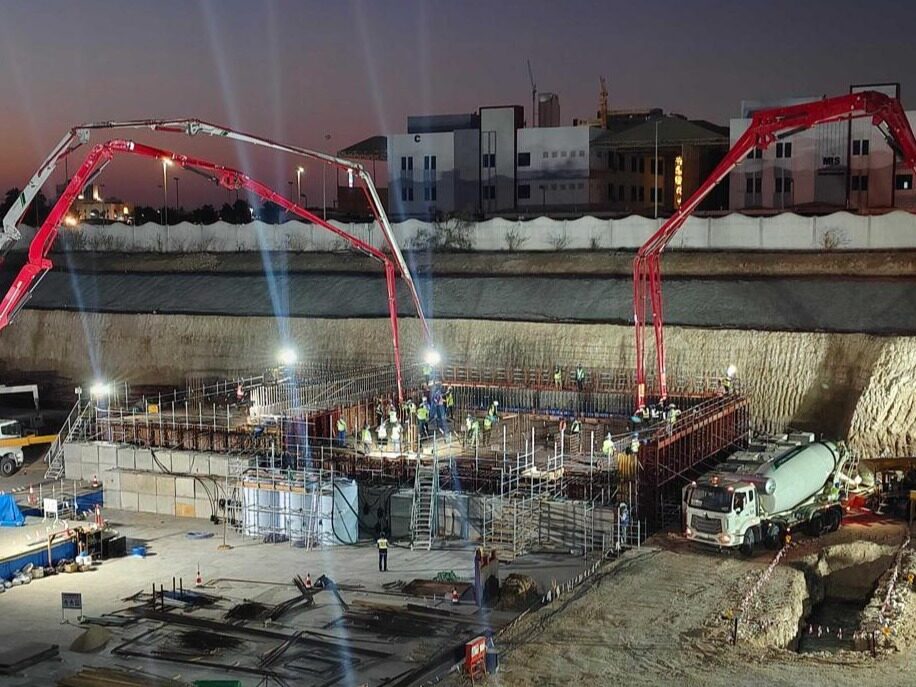
For power equipment suppliers, Saudi Aramco represents a stable and long-term market opportunity. The company continues to construct and expand oil and gas stations, compression stations, and power supply stations every year, with a strong demand for various types of power equipment.
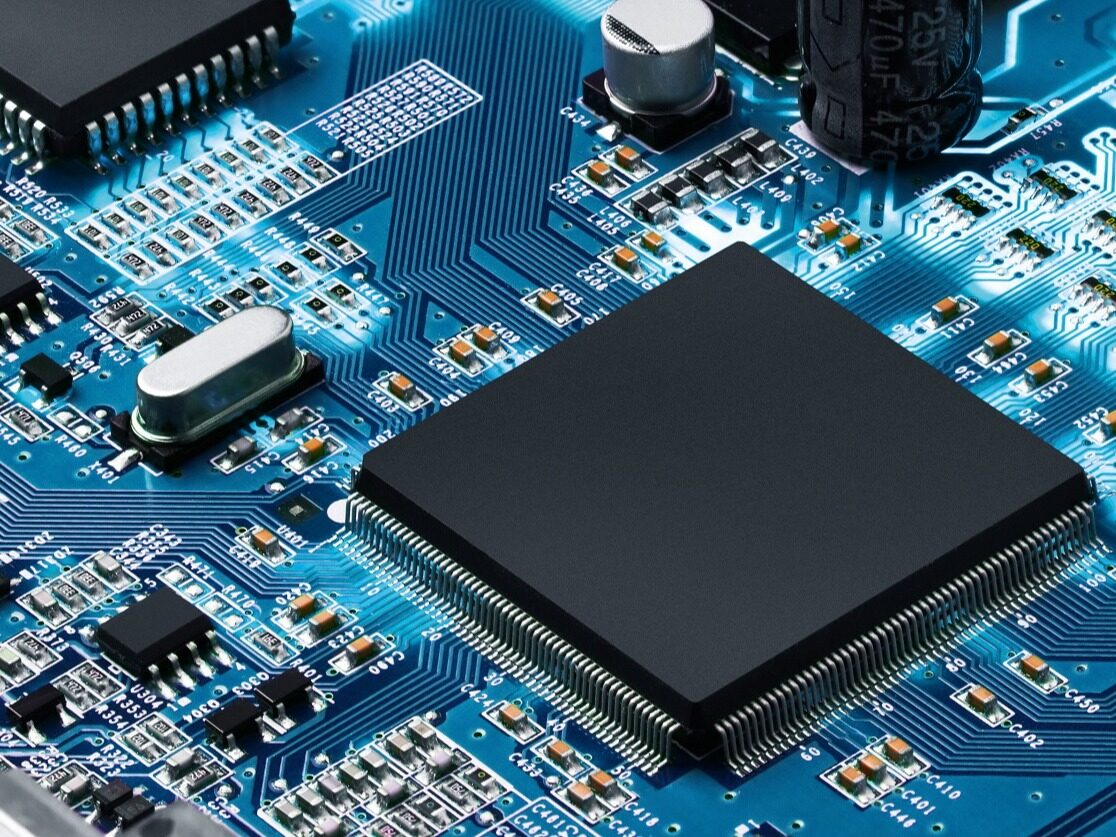
In the field of medium voltage switchgear, Aramco extensively uses 13.8kV distribution systems, requiring medium voltage switchgear, ring main units, and GIS products. In terms of high-voltage switches, equipment such as 132kV to 380kV substation GIS, high-voltage circuit breakers, and isolating switches are required. Transformer products include oil immersed transformers and dry-type transformers, while explosion-proof electrical requirements cover a full range of products such as explosion-proof motors, starter cabinets, control boxes, and lighting fixtures.
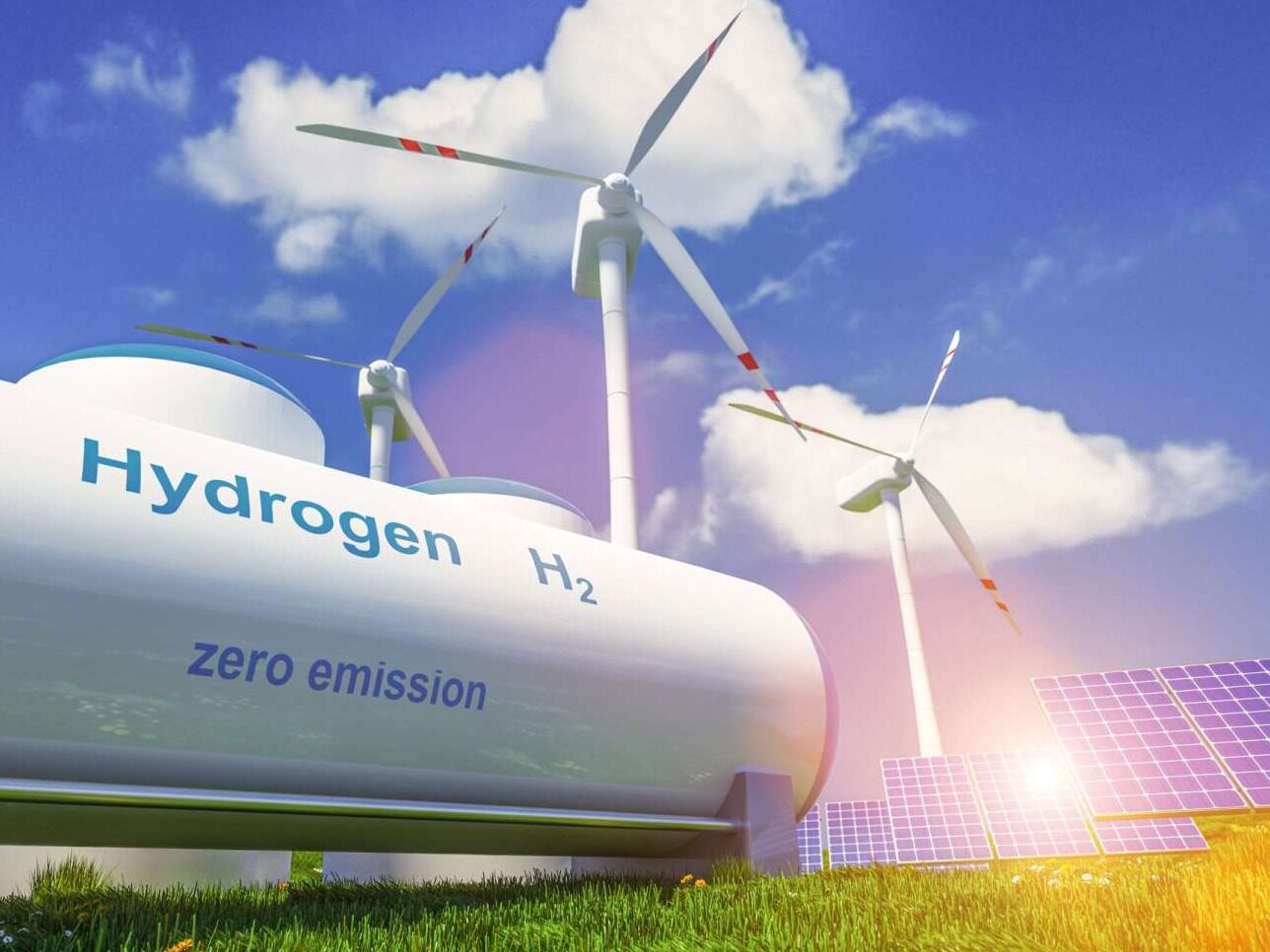
In addition, Aramco is also one of the world's largest cable purchasers, with a single refinery project potentially purchasing thousands of kilometers of cables. At the same time, the company is actively expanding into the field of renewable energy, with increasing demand for photovoltaic modules, inverters, energy storage systems, and microgrid systems.
To become a supplier of Saudi Aramco, the company must complete the registration process. Dalan's office is responsible for company registration in Saudi Arabia, the Gulf Cooperation Council region, and multiple neighboring countries. Suppliers need to complete a four step registration process through the Aramco Electronic Marketplace platform.
Registration requires providing government required documents such as business registration certificate, industrial license, Tianke certificate, value-added tax certificate, as well as materials specific to Aramco such as supplier code of conduct confirmation letter, bank service letter, and company ownership structure document. During the approval stage, detailed information such as company profile, product catalog, production facility overview, and user list must also be submitted.
As the undisputed leader in the global energy sector, Saudi Aramco has not only changed the fate of Saudi Arabia itself, but also profoundly influenced the global energy landscape. With the arrival of 2025, this energy giant with nearly a century of history is steadily advancing on the path of exploration, discovery, and innovation. Editor/Yang Beihua
Comment

 Praise
 Collect
 Comment

 Share
Share


Write something~