 Search


- Over the past four years, the China Laos Railway has delivered more than 62.5 million passengers and 72.5 million tons of goods
- Over the past four years, the China Laos Railway has delivered more than 62.5 million passengers and 72.5 million tons of goods
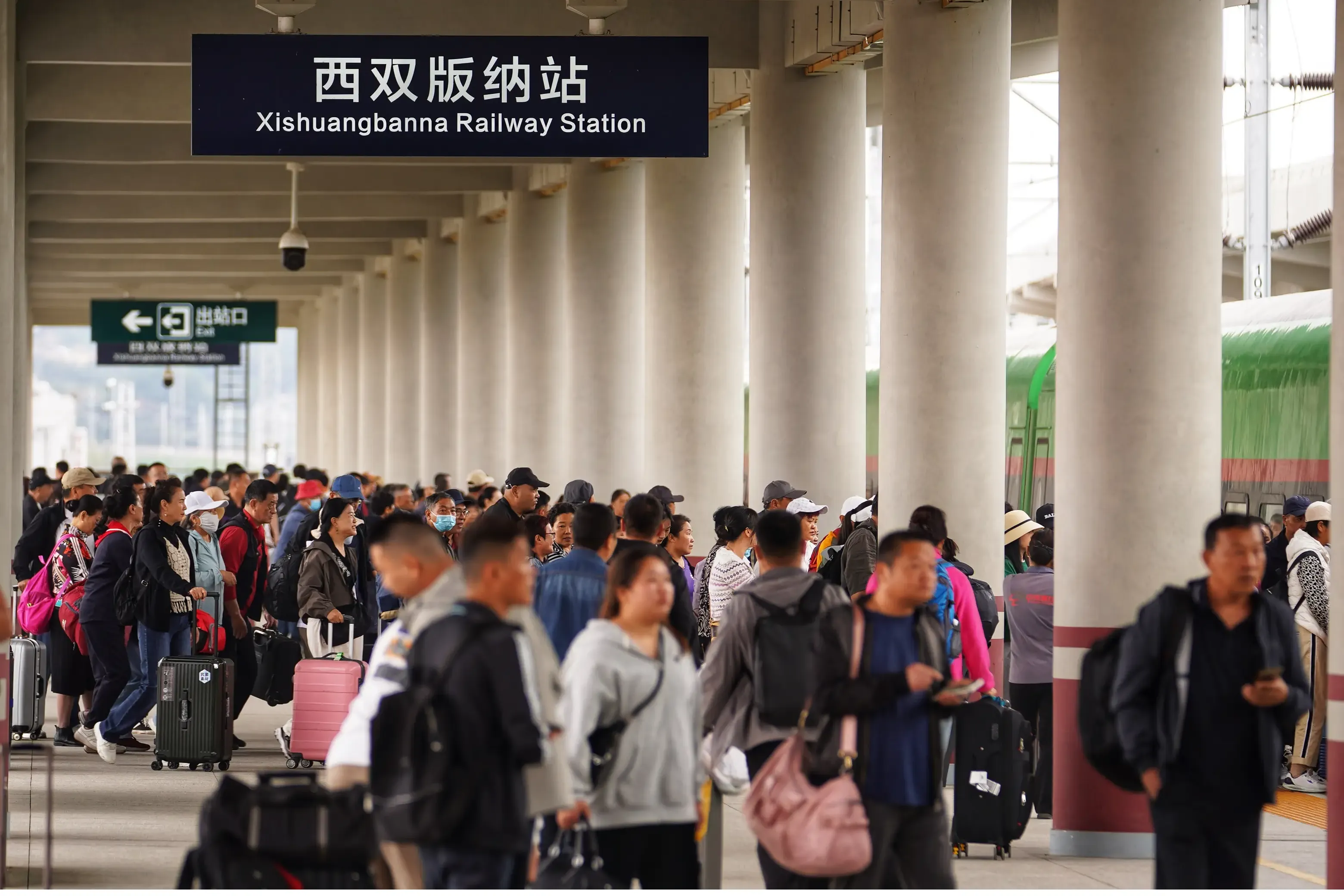
A cold chain special train loaded with Thai durians is speeding through the green mountains and waters, reducing the transportation time from Vientiane, Laos to Kunming, China by more than half. This 1035 kilometer railway not only connects geographical coordinates, but also weaves an increasingly close economic network between China and ASEAN countries.
On December 2, 2023, the China Laos Railway will celebrate its fourth anniversary of operation. This international railway, which starts from Kunming, China in the north and ends in Vientiane, Laos in the south, has transported over 62.5 million passengers and 72.5 million tons of goods in four years. Behind the continuous increase in passenger and freight volume data lies the story of how this steel artery activates regional economic potential and changes people's lifestyles.
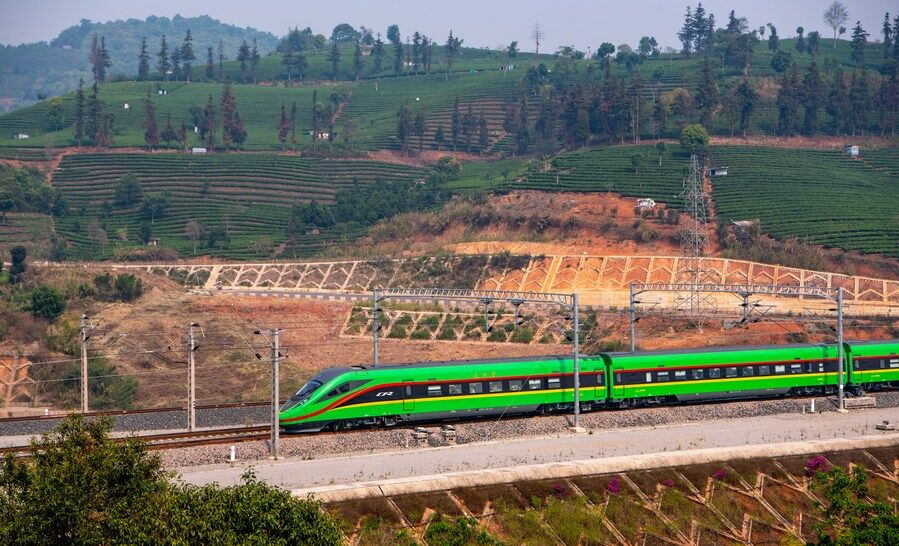
The golden channel effect is highlighted
The passenger and freight transport volume of the China Laos Railway has achieved an astonishing growth in the past four years. The monthly passenger volume of the entire line has rapidly increased from about 600000 in the initial stage of opening to a maximum of 2.2 million, an increase of over 267%.
Within the territory of China, the daily number of passenger trains has surged from the initial 8 to a maximum of 86; In the Laos section, the daily operation of trains has been increased from 4 to a maximum of 18, and the number of regular speed passenger trains has been expanded to more than 10.
The freight data is equally impressive. The daily number of cross-border freight trains has increased from 2 in the initial opening period to a maximum of 23, a growth of over 10 times; The traction tonnage of the train has also increased from 2000 tons to 2800 tons.
More noteworthy is that the cumulative shipment volume of cross-border goods has exceeded 16 million tons, covering 31 provinces, regions, and cities in China, as well as 19 countries and regions such as Laos and Thailand. The types of transported goods have expanded to more than 3800.
Significant reduction in transportation costs
After the opening of the China Laos Railway, the transportation cost between regions has decreased significantly. Data shows that the freight cost from Kunming to Thailand via Laos has decreased by 30% to 50%, while the transportation cost within Laos has decreased by 20% to 40%.

Cost reduction and efficiency improvement complement each other. The clearance time for goods at Mohan Railway Port has been significantly reduced from about 40 hours in the initial opening period to 2 to 5 hours currently. This change is particularly important for cold chain transportation, allowing fresh products such as Thai durian to be delivered to the Chinese consumer market within 24 hours after harvesting.
Efficiency improvement also brings about a tangible increase in economic benefits. Mohan Port has become the largest railway port in China facing ASEAN, with an import and export freight volume of 4.26 million tons in 2023. Among them, the number of imported fruits, especially durian, has set a record for the largest land port in the country.
Cross border tourism brings new vitality
The China Laos Railway is not only a transportation channel, but also a cultural tourism link. Over the past four years, a total of 640000 tourists from more than 120 countries and regions, including Laos, Thailand, Malaysia, the United States, and the United Kingdom, have traveled by cross-border international passenger trains.
The deep integration of railways and tourism has driven the vigorous development of cultural and tourism industries in the areas along the line. The Chinese railway department has cooperated with tourism institutions in Laos, Thailand and other countries, and has opened a number of tourism routes relying on the China Laos railway. Traveling to China and Laos by train has become a reality.

Along the railway line, various integrated products such as railway+tourism, railway+culture, and railway+agriculture have been launched based on their own resource advantages. Xishuangbanna Prefecture is cultivating the cultural, tourism, health and wellness tourism industry around the advantages of railways, while Pu'er City is focusing on the layout of high-altitude characteristic agriculture and biopharmaceutical industry clusters.
As night falls, a brightly lit train travels through the rugged mountains of the China Laos border. The car is full of tourists from all over the world, enjoying the exotic night scenery through the windows and looking forward to their journey the next day.
This train not only carries passengers and goods, but also the increasingly close ties between China and ASEAN countries.
From the Thai orchard to the Chinese market, from Laos villages to international tourism routes, the China Laos railway has created more than just growth in transportation data in the past four years, but also a vivid epitome of the process of regional economic integration. Key words: the Belt and Road, the Belt and Road latest information
This steel artery is rapidly connecting countries that were originally geographically adjacent but have inconvenient transportation, opening up a broader development path for regional cooperation.Editor/Cheng Liting
Comment




 Praise
 Collect
 Comment

 Share
Share


Write something~