 Search


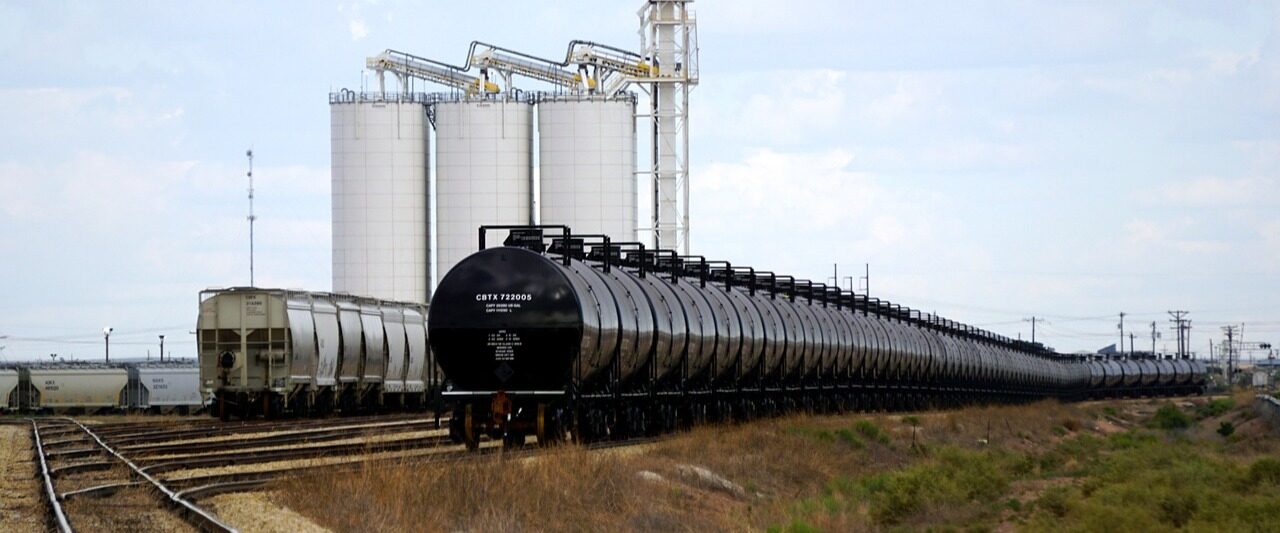
- This production regulation is a strategic choice in the process of global energy power restructuring
- Eight major oil producing countries including Saudi Arabia and Russia have jointly decided to suspend production increases in the first quarter of 2026
Against the dual backdrop of accelerated energy transition and profound geopolitical restructuring, the international oil market is entering a critical decision-making moment. Recently, eight major oil producing countries, including Saudi Arabia and Russia, reached a consensus through online meetings and announced that they will comprehensively suspend their production increase pace in the first quarter of 2026, maintaining the same production level as December 2025. This decision not only reflects the cautious attitude of the oil producing countries alliance towards market balance, but also reflects that in the complex environment of increasing global economic uncertainty and intensified competition in new energy, traditional energy producing countries are recalibrating their long-term market strategies.
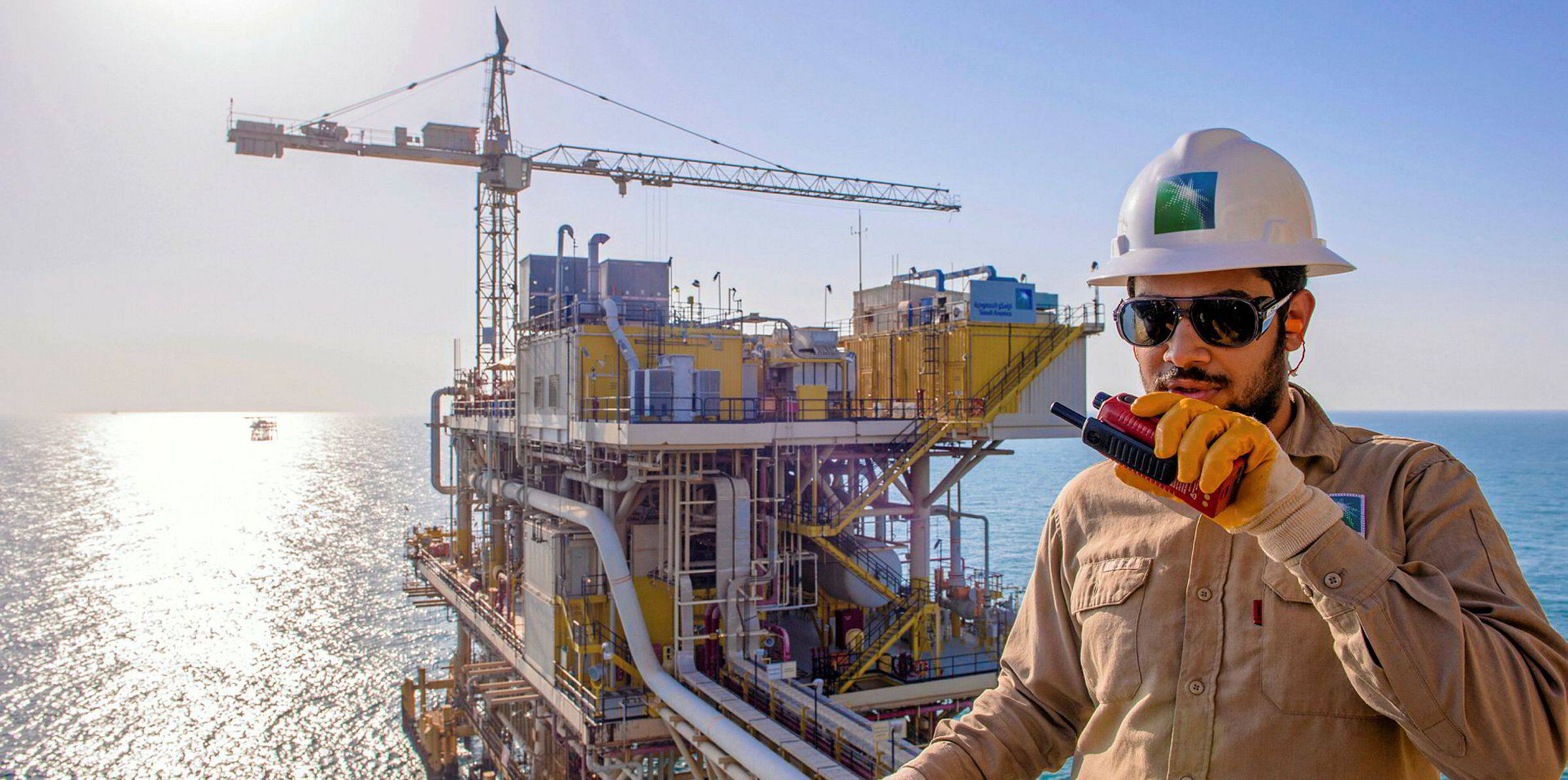
Composite decision-making of seasonal adjustment and strategic defense
The OPEC statement clearly states that the production freeze at the beginning of 2026 is mainly based on considerations of seasonal demand changes. Historical data shows that the first quarter is usually a relatively low season for global crude oil consumption, with a decline in heating demand in the northern hemisphere and the summer travel peak yet to arrive. However, behind this decision lies a deeper strategic logic.
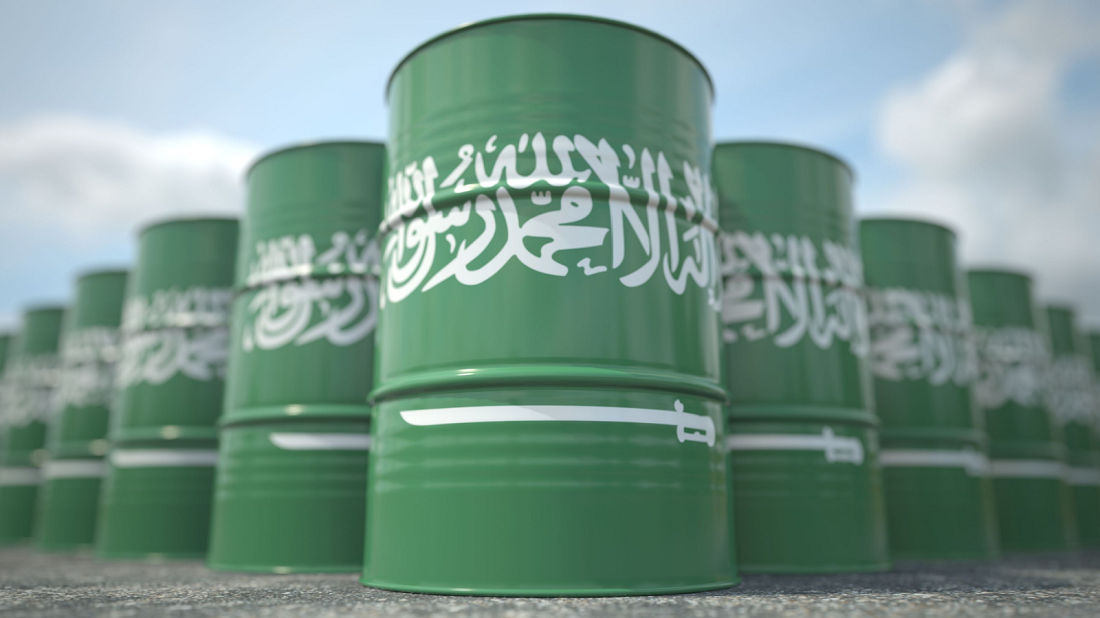
Although the voluntary production reduction measures implemented since 2023 have been extended multiple times, the sustained increase in production by non OPEC oil producing countries such as the United States, Canada, and Brazil has quietly changed the market landscape. According to data from the International Energy Agency, the daily crude oil production in the United States has exceeded a historical high of 14 million barrels in 2024, resulting in an increase of about 4 percentage points in its global market share compared to three years ago. In this context, OPEC's suspension of production can be seen not only as a response to seasonal fluctuations, but also as a defensive posture in the market share game - by controlling supply to maintain the oil price range and avoid falling into a price war vortex during the off-season of demand.
New paradigm of market governance under dynamic equilibrium mechanism
It is worth noting that the statement emphasizes that "the pace of production increase will be flexibly adjusted according to market conditions", which marks the evolution of the regulatory strategy of the oil producing countries alliance from rigid production reduction to flexible management. In fact, since the decision to gradually increase production in March 2024, the alliance has demonstrated refined regulatory capabilities: an average daily increase of 411000 barrels from May to July, rising to about 550000 barrels in August and September, and then rebounding to a moderate increase of 137000 barrels from October onwards. This gradual and adjustable path of increasing production not only responds to the demand of consumer countries for stable supply, but also maintains the fiscal balance needs of oil producing countries themselves.
The current global economy presents a pattern of Eastern growth and Western differentiation: emerging economies in Asia maintain strong growth momentum, while many European and American countries are still constrained by inflation and high interest rates. The latest forecast from the International Monetary Fund shows that the global economic growth rate is expected to remain around 3.2% in 2026. This relatively stable but weak expectation makes the outlook for oil demand lack strong driving factors. At this time, oil producing countries choose to suspend production increases, essentially to reserve policy space for observing economic trends.
Long term strategic game under the background of energy transformation
Upon deeper observation, this decision occurred at a historic juncture of accelerated energy transition. According to Bloomberg New Energy Finance report, the proportion of global new energy vehicle sales has exceeded 18% in 2024, and investment in renewable energy generation has surpassed fossil fuels for the third consecutive year. Traditional oil producing countries are facing a dual challenge: in the short term, they need to maintain oil revenue to support economic transformation, while in the long term, they need to find a new positioning in the restructuring of the energy landscape.
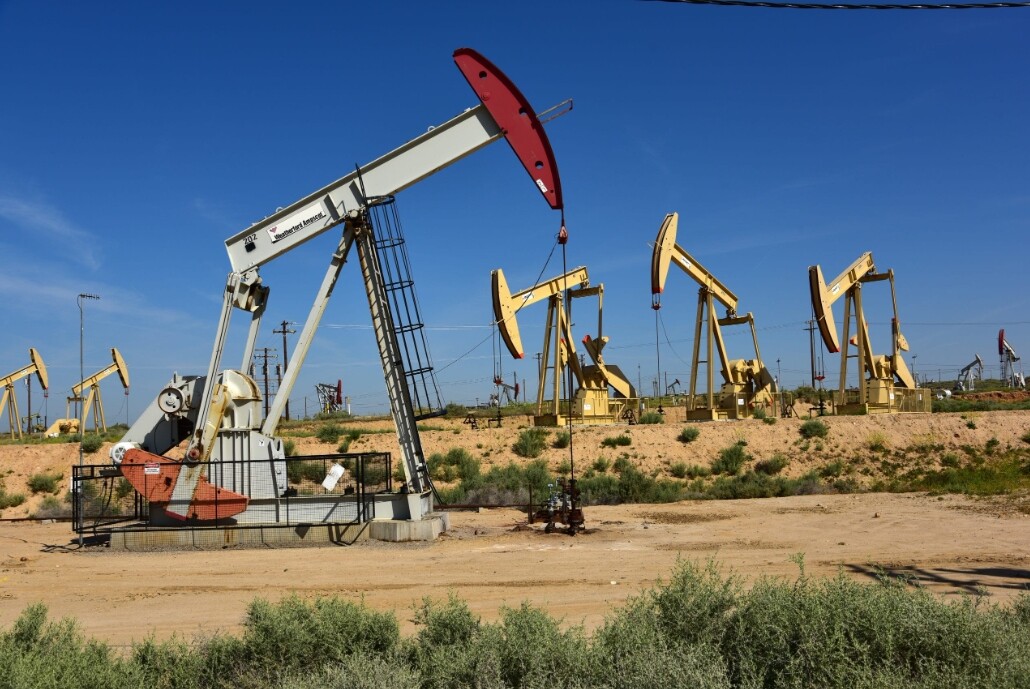
The transformation blueprints such as Saudi Arabia's 2030 Vision and the UAE's 2050 Energy Strategy aim to significantly reduce the dependence on the oil economy within the next decade. As one of the participating countries, Kazakhstan's latest energy plan explicitly requires an increase in the proportion of renewable energy to 15% by 2030. In this context, oil producing countries are shifting their dependence on oil revenue from maximizing scale to optimizing value - no longer pursuing absolute production growth, but maintaining a reasonable oil price range through supply management, in order to gain a time window and financial support for domestic economic transformation.
Market Ripples and Future Trends
The decision to suspend production has triggered multiple market reactions: Brent crude oil futures have stabilized in the range of $78-82 per barrel after the news was announced, with a narrower fluctuation range of 12% compared to the beginning of the year, indicating that the market has expected this decision. Analysts generally believe that OPEC may resume moderate production increases based on actual demand after the first quarter of 2026, but the incremental pace will be more cautious.
It is worth noting that US shale oil producers have recently released signals of slowing down drilling activities, with major companies such as Pioneer Natural Resources reducing their capital expenditures by about 8% in 2025. This suggests that a new dynamic balance may be forming among the world's major oil producing powers - traditional oil producing countries maintain market dominance by regulating supply, while shale oil producers focus more on capital returns rather than scale expansion. Keywords: international news, energy news

On the global energy chessboard, this production decision is not only a short-term market regulation, but also an adaptive adjustment of the traditional energy system in the face of historic transformation. As the multiple pressures of energy security, climate commitments, and economic reality continue to intertwine, every production decision of the oil producing countries alliance will become an important indicator for observing the evolution of the global energy power landscape. And the arrival of spring in 2026 may reveal the next chapter of this balancing art.Editor/Cheng Liting
Comment


 Praise
 Collect
 Comment

 Share
Share


Write something~