 Search


- This' logistics artery 'will continue to radiate vitality and build a closer China Africa community with a shared future
- The upgrade of the Nacala Corridor not only solves the problem of exporting goods from inland Mozambique, but also radiates to multiple countries in the Southern African Community
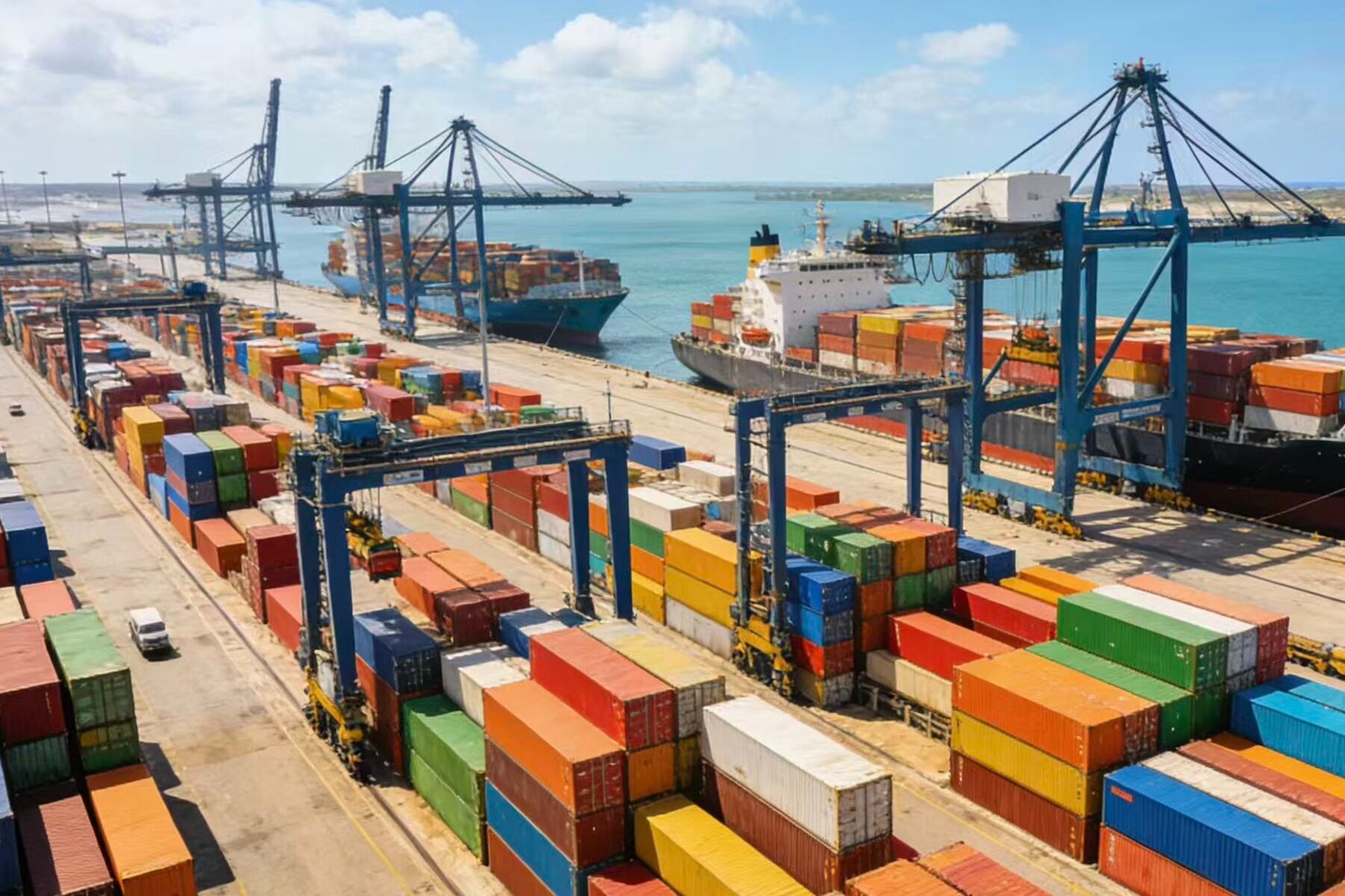
In the early morning of Nacala Port in Mozambique, the sun shines on the brand new container terminal. The cargo ship loaded with minerals and agricultural products slowly docked, and the bridge crane on the shore lifted the goods accurately, transferring them to the railway special train that had been waiting for a long time. This transportation route connecting Nacala Port with inland countries such as Malawi and Zambia used to be difficult to ship and have long transportation distances due to outdated facilities and insufficient capacity. Nowadays, with the technical support and engineering construction of Chinese enterprises, this corridor that has been dormant for many years has been revitalized and become the "golden channel" for connectivity on the east coast of Africa.
Cracking the bottleneck of infrastructure construction and creating a benchmark for multimodal transportation
The Chinese enterprise team has invested over 200 million US dollars in systematic renovation to address issues such as aging railway tracks, low port loading and unloading efficiency, and poor road connectivity in the Nacala Corridor. In terms of railways, over 300 kilometers of track have been upgraded and reinforced, using Chinese standard seamless rail technology to increase train speeds from 60 kilometers per hour to 100 kilometers per hour; In the port area, 2 new 100000 ton container berths will be built, equipped with 4 fully automatic gantry cranes. The loading and unloading efficiency will be doubled compared to before, and the annual throughput will exceed 500000 TEUs; In terms of road infrastructure, the 120 kilometer main road connecting the port and the inland hinterland has been repaired to achieve seamless connection between the "Port Rail Highway". The time for goods to be transported by land from Malawi to Nacala Port has been reduced from 72 hours to 24 hours.
In addition to hardware upgrades, Chinese enterprises have also introduced Chinese smart logistics solutions for corridors. Deploy intelligent scheduling systems along railway lines to monitor train operation status in real-time and optimize transportation route planning; The port is equipped with a container electronic tag recognition system to achieve full visual tracking of goods from factory to shipment; Simultaneously building a cross-border logistics information platform, breaking down customs data barriers in countries such as Mozambique and Malawi, reducing clearance time by 40% and significantly lowering logistics costs for enterprises.

The rise of corridor economy benefits the people's livelihoods in Central Africa
The upgrade of the Nakara Corridor not only solves the problem of exporting goods from inland Mozambique, but also radiates to multiple countries in the Southern African Community. Tobacco from Malawi and copper ore from Zambia are exported through this channel, reducing transportation costs by over 30% and increasing export volume by 25% year-on-year; At the same time, international aid supplies, industrial equipment, etc. can also be quickly transported inland, injecting momentum into the regional industrialization process. According to estimates, after the corridor is fully operational, it will create over 1 billion US dollars in trade increment for countries along the route every year.
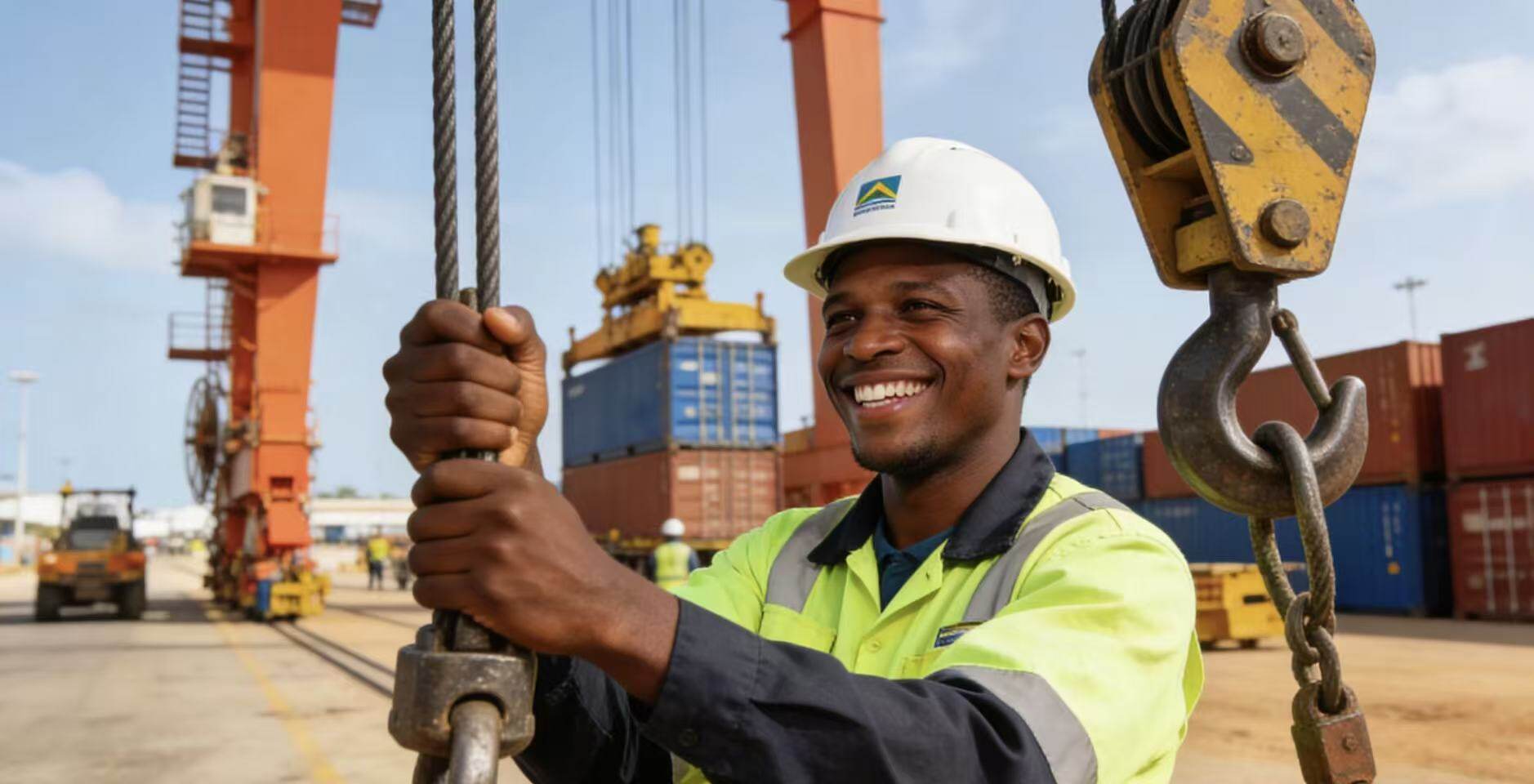
During the project construction period, a group of technical talents in fields such as railway maintenance and port operation were trained. In addition, the team also participated in the construction of 12 schools and 8 health stations to improve the educational and medical conditions of communities along the route. Before, I could only make a living by farming. Now, I work at the port and my monthly income is three times that of before. I have also learned crane operation skills, "said Mario, a local employee, expressing the feelings of many beneficiaries.

Jointly build the road of development and continue to write a new chapter of the the Belt and Road
Starting from Nacala Port, trains loaded with goods shuttle through the vast wilderness of the African continent, connecting the inland and the ocean, as well as the cooperative relationship between China and Africa. The successful upgrading of the Nacala Corridor is a vivid epitome of China Africa infrastructure cooperation under the "the Belt and Road" initiative - Chinese enterprises use technology, capital and experience to help African countries break the development bottleneck, and the development potential of the African continent also provides a broad space for cooperation between Chinese enterprises. In the future, this' logistics artery 'will continue to radiate vitality, injecting a continuous stream of power into building a closer China Africa community with a shared future.Editor/Bian Wenjun
Comment





 Praise
 Collect
 Comment

 Share
Share


Write something~