 Search


- As a key link between China Laos railway and Vietnam, it will activate the logistics channel in the north of Indochina Peninsula
- The completion of the Vientiane Yong'an cross-border railway will for the first time open up a railway artery directly connecting Laos to the ocean
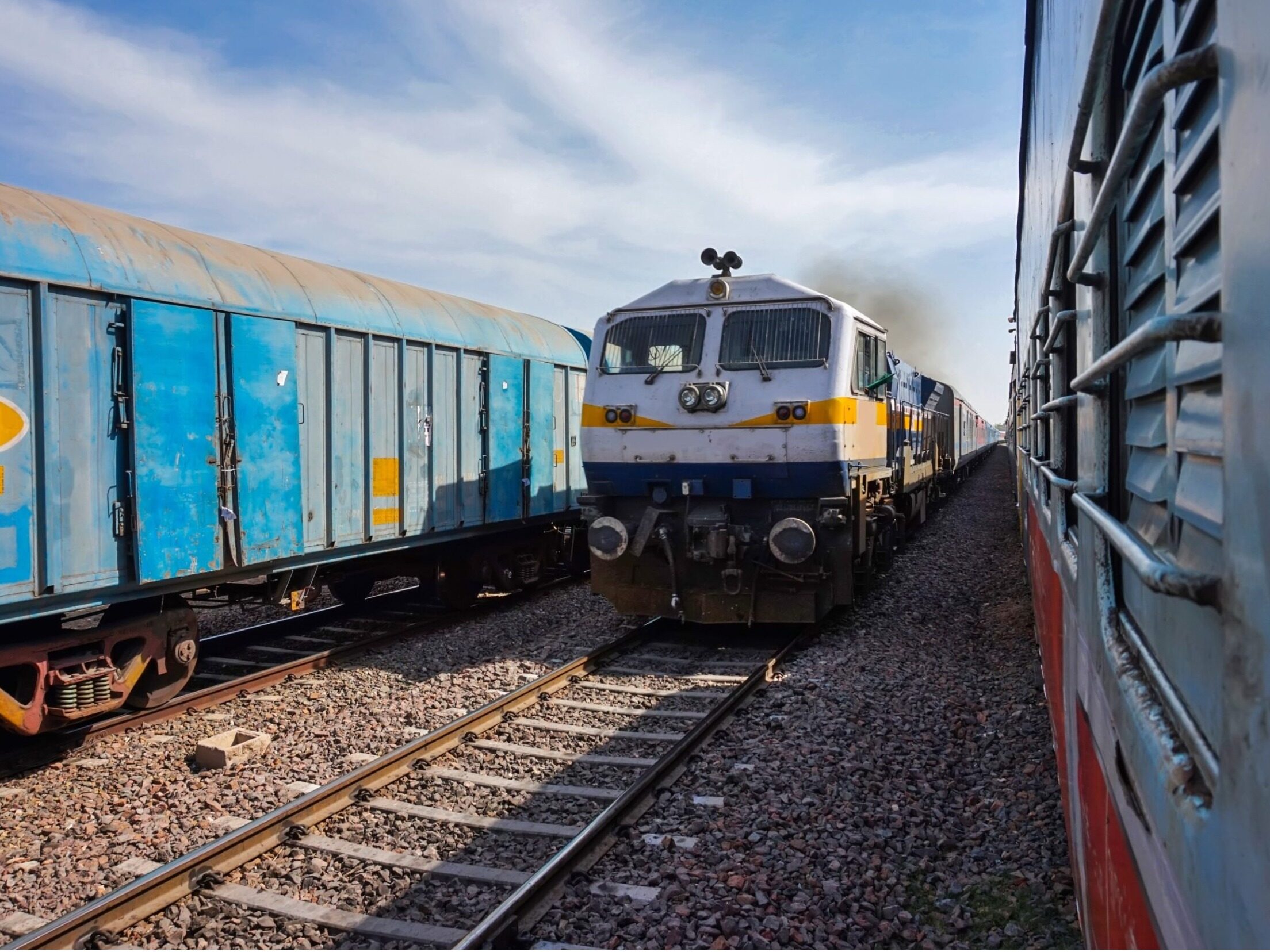
A grand project with a total investment of 6.6 billion US dollars on the map of the Indochinese Peninsula is leading the century old dream of landlocked countries towards the ocean. The cross-border railway connecting the capital of Laos, Vientiane, and the deep-water port of Yong'an in Vietnam has officially established a clear timetable by the end of 2025: construction will begin in 2026 and the entire line will be completed by 2030. This 571km long steel artery will not only completely end the history of Laos as a land locked country without a direct railway channel to the sea, but also redefine the regional traffic map - connecting the unimpeded China Laos railway to the north, and reaching the Yong'an deep-water port where giant ships can be docked to the south, making Laos a geographically closed inland hub and a key node of land sea intermodal transport connecting China and ASEAN.
From Land Lock to Land Link
As a landlocked country in the northern part of the Indochina Peninsula, the lack of an outlet to the sea is a key weakness that has long constrained Laos' development. The high logistics costs have weakened its competitiveness in terms of products and resources. Therefore, transforming a landlocked country into a landlocked country has become Laos' national strategy. In recent years, Laos has successfully opened a northbound channel connecting China's market with the help of the China Laos Railway. Nowadays, the planning of the Vientiane Yong'an Railway is the second strategic step towards breaking through to the east and seeking to enter the sea, aiming to build a more balanced and diversified external transportation network.
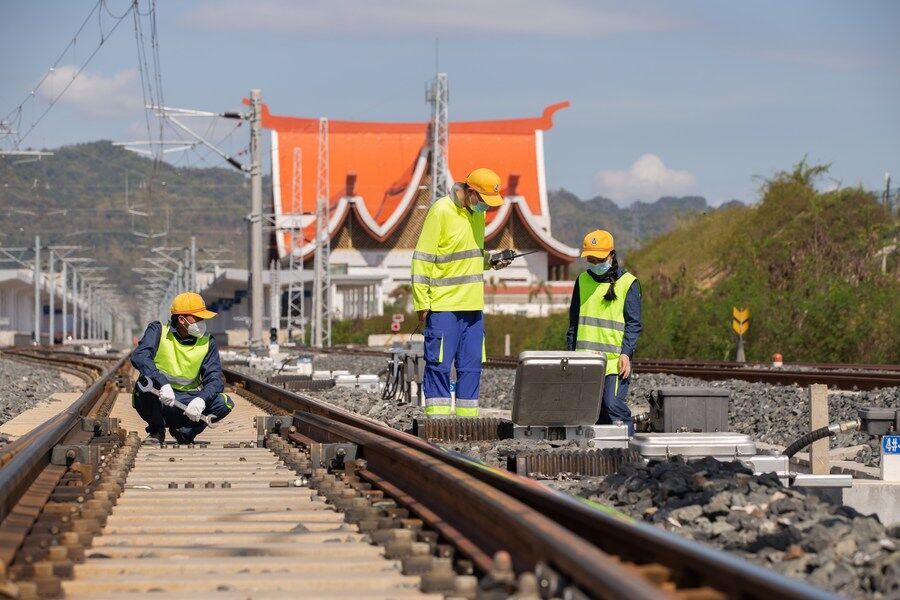
According to the detailed plan, the total length of this railway is about 571 kilometers, including about 452 kilometers in Laos and about 119 kilometers in Vietnam. The project is jointly promoted by Laos Petroleum Trading Company PTL and Vietnam Dashan Investment Co., Ltd. Deo Ca through PPP mode, reflecting a market-oriented cooperation approach. It is worth noting that the Vietnamese government has agreed to grant Laos priority use rights for berths 1 to 3 at Yong'an Port, with berth 3 being put into operation in April 2025, providing a solid guarantee for seamless railway capacity integration in the future
Weaving the railway network of the Indochinese Peninsula
The significance of the Vientiane Yong'an Railway goes far beyond connecting two neighboring countries. From a macro regional perspective, it is becoming a key puzzle in stitching together the railway network of the Indochinese Peninsula.
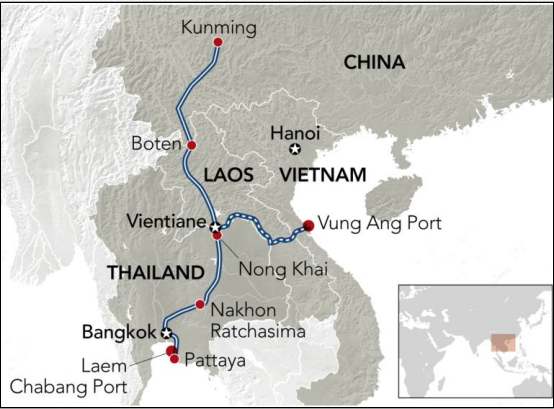
This railway will be connected with the China Laos Railway which has been successfully operated. At that time, the goods will depart from Kunming, China, pass through Vientiane, Laos, and directly reach Yong'an Port in Vietnam. A new land sea corridor that runs through the northern part of the Indochina Peninsula and connects the Pacific Ocean and the Indian Ocean is about to emerge.
This channel is expected to gradually connect with the railway networks of countries such as Thailand and Cambodia in the future, ultimately promoting the overall formation of the railway system in the Indochinese Peninsula and greatly enhancing the level of regional connectivity and integration.
Dual drive of politics and economy
The rapid advancement of this railway is inseparable from the profound political foundation of "great friendship, special solidarity, and comprehensive cooperation" between Laos and Vietnam. Frequent high-level interactions between the two countries have made it clear that they prioritize connectivity infrastructure projects, including railways. At the same time, strong economic and trade demand has injected strong practical impetus into the project. In the first 11 months of 2025, the bilateral trade volume between Vietnam and Laos is expected to reach 2.6 billion US dollars, a year-on-year increase of over 50%. Vietnam has become the second largest source of foreign investment in Laos. The completion of the railway will further unleash the enormous potential of trade, investment, and supply chain cooperation between the two countries.
At present, the preliminary work of the project is progressing smoothly. Laos has completed about 90% of the funding, survey and design, and environmental impact assessment work, paving the way for construction to begin in 2026. Vietnam is also actively promoting economic and technological assessments, with plans to launch domestic construction in 2027. Keywords: Southeast Asian Engineering Information Network
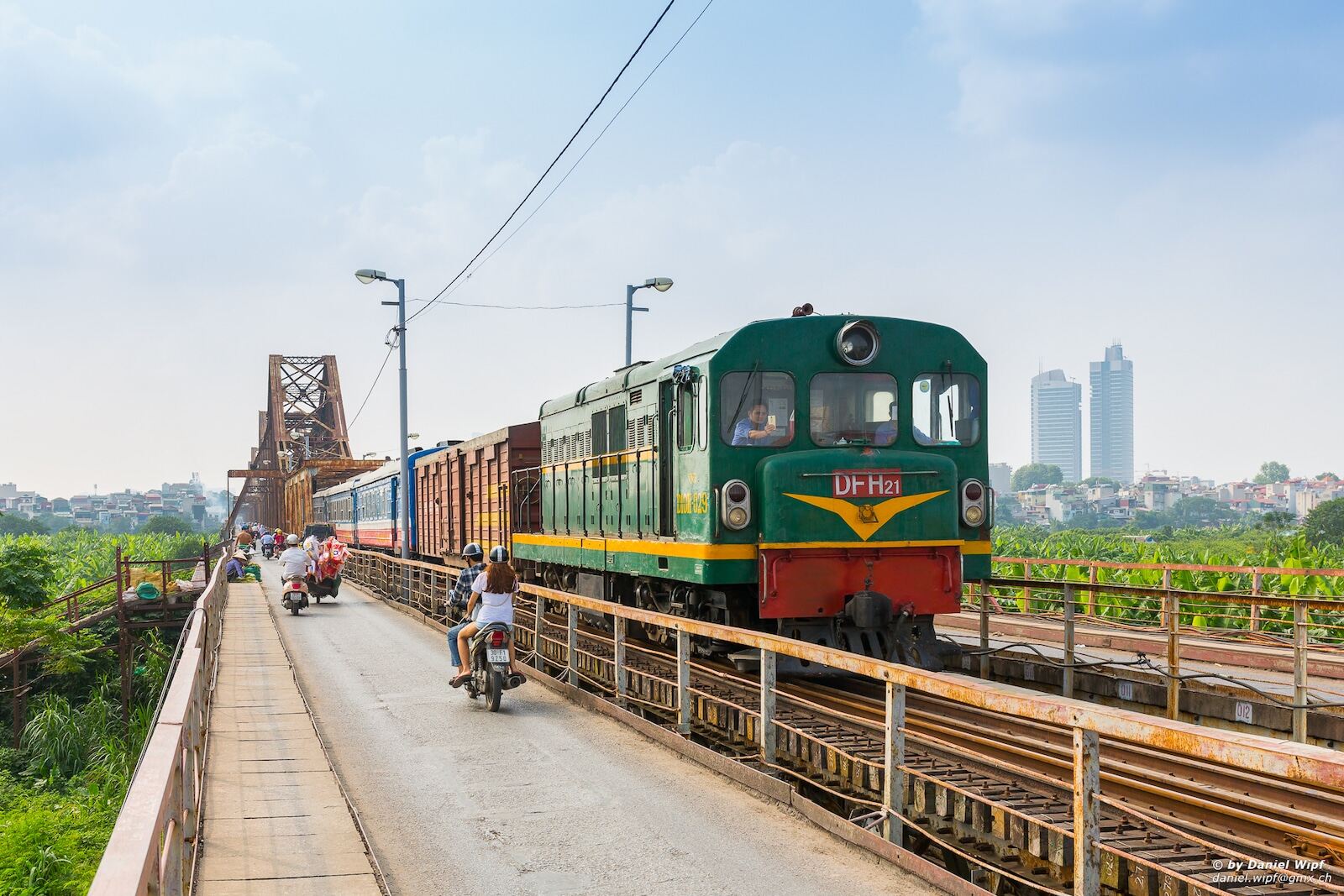
From Kunming to Vientiane, and then from Vientiane to Yong'an, steel dragons are crossing the towering mountains and changing the geographical and economic landscape of Laos. In 2030, when the first train loaded with goods departs from Vientiane towards the azure port of Yong'an, Laos' dream of becoming a landlocked country will have a more solid and open pivot, and the economic geography of the Indochinese Peninsula will also be redefined in the rhythm of the wheels.Editor/Cheng Liting
Comment



 Praise
 Collect
 Comment

 Share
Share


Write something~