 Search


- Zhang Qian's journey of clearing the sky opened up a new perspective for the Han Empire to understand the Western world
- A diplomatic mission that was defined as a failure, ultimately ignited the ambition of the Central Plains dynasty to explore the Western Regions due to its return of geographical reports and observations of local resources

In 126 BC, a ragged Han envoy went through thirteen years of exile and was captured twice. Eventually, he returned to his place of departure - Chang'an - with a loyal Hu follower and a Xiongnu wife. This person is Zhang Qian. What he brought back was not the military alliance that Emperor Wu of Han had hoped for the most, but an intangible wealth far more precious than the alliance and capable of reshaping the world order - his insight into the Western Regions.
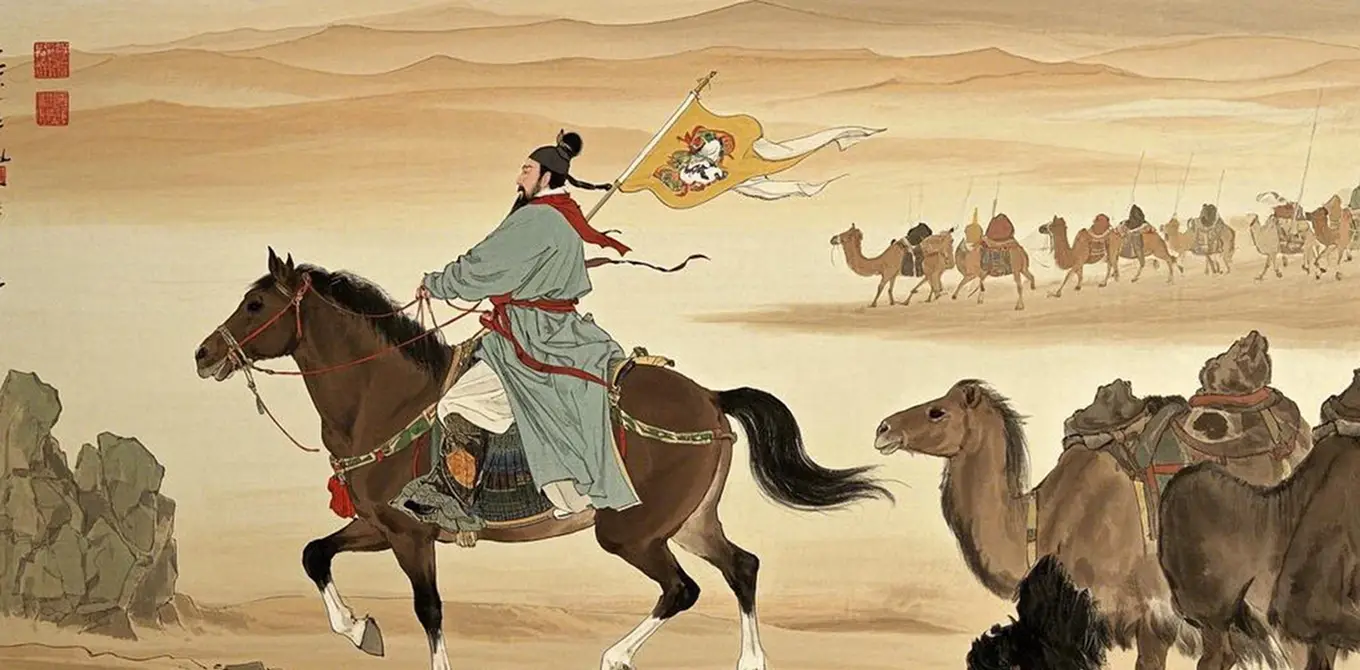
Trapped in the Xiongnu for ten years, frozen time and unextinguished flames
In 139 BC, when Zhang Qian held the Han Festival and led a delegation of over a hundred people on a journey westward, his goal was clear and urgent: to find the Dayue clan who had been defeated by the Xiongnu and migrated westward, persuade them to flank the Han Dynasty from east to west, and jointly resist the strong enemy. However, as soon as his ambition left Longxi, he passed through the Xiongnu and was detained by Chanyu. From then on, envoys from the Central Plains became shepherds on the grasslands, marrying and having children under the domes of the Xiongnu. They lived in poverty for ten years.
These ten years have been a time when our mission was forced to pause, but they have not been completely wasted. Zhang Qian's steadfastness and observation in the life of foreign tribes enabled him to deeply understand the internal logic and customs of this powerful nomadic empire. His unwavering Han Festival symbolizes the eternal flame within him. When the surveillance was slightly relaxed, he seized the crack of fate, led his follower Gan Fu, decisively abandoned his wife and children in the frontier, and ran westward again without hesitation. This time, his westward journey is no longer just a political journey, but also a journey to broaden his horizons in civilization.
Crossing the Congling Mountains, an unprecedented Central Asian world
Zhang Qian and his team crossed oasis city states such as Cheshi, Kucha, and Shule, and ultimately faced a natural barrier - the Pamir Plateau known as the Congling Mountains. Crossing the roof of the world with an average altitude of 4500 meters is a miracle of human courage and perseverance. As he descended from the plateau, a completely unfamiliar new world unfolded before his eyes.
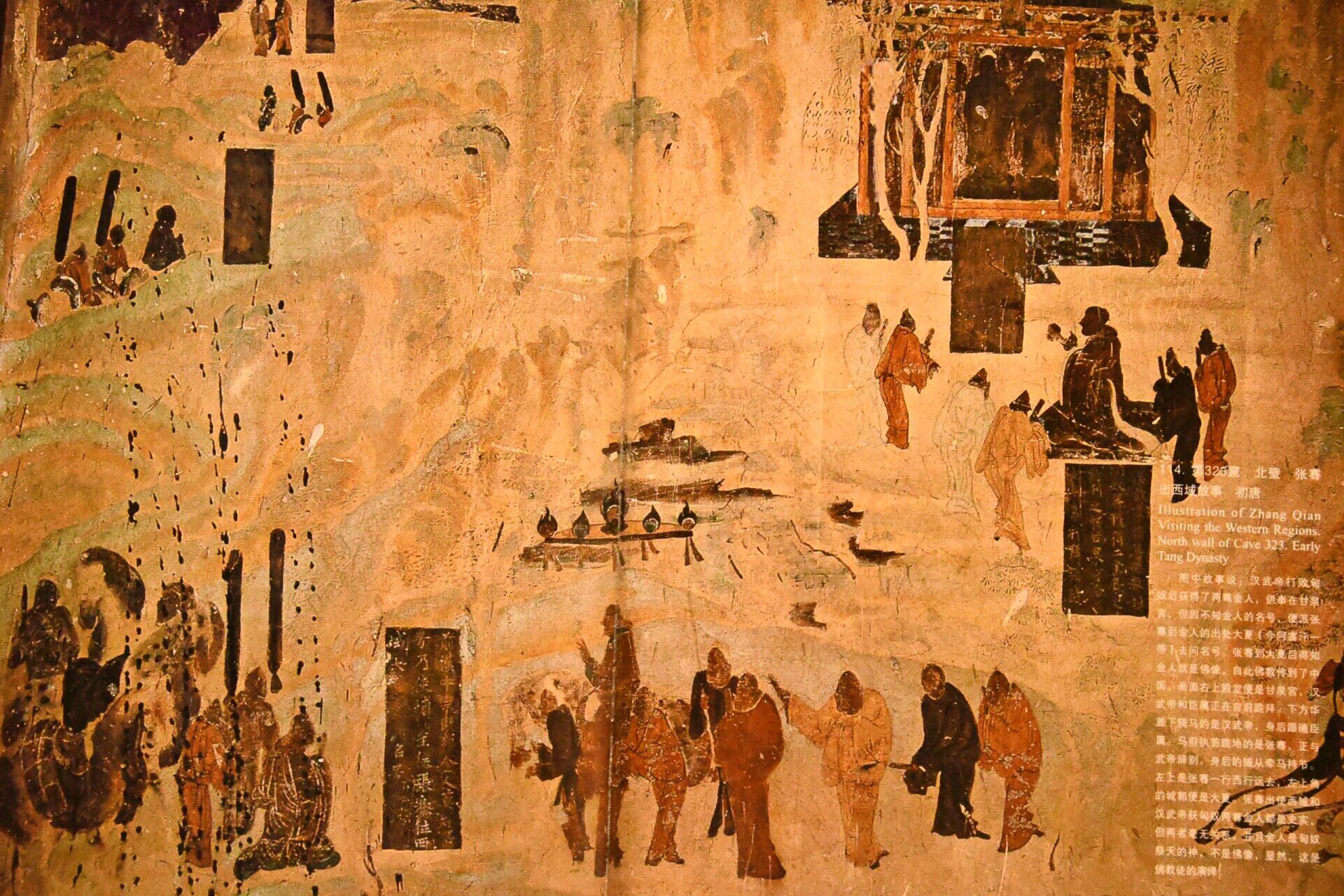
He was amazed when he first arrived in Dawan Kingdom. This country, located in the Ferghana Basin, is known for its people's cultivation of farmland and the presence of city walls and houses. It bears some resemblance to the Han Dynasty, but is renowned for producing sweat blooded horses and delicious wine. What surprised him even more was that the culture here had a strong Greek flavor. Dawan and even the Hellenistic Empire of Bactria in its south are legacies left by Alexander the Great after his eastern expedition, and its capital is believed to be the city of Alexandria in the Far East. The arrival of Zhang Qian established a direct cognitive connection for the first time between the Central Plains and the remnants of Greek civilization in the far west.
With the help of King Dawan, Zhang Qian passed through the Kangju Kingdom and finally arrived at the destination of this trip - the Dayue clan in the Amu Darya (Guishui) River basin. However, times have changed. At this time, the Dayue clan had already conquered the wealthy Hellenistic Xia kingdom, where they lived and worked in peace, with fertile land, few bandits, and peaceful aspirations. They had long lost their ambition to seek revenge against the Xiongnu. Zhang Qian's alliance proposal was politely but firmly rejected.
Unexpected gains, discovering the crossroads of the world
Although his political mission failed, Zhang Qian made a greater decision: to stay. He spent over a year systematically inspecting this land. In the Blue City of Daxia, he saw a living specimen of civilization blending: silver coins of Parthia and Roman gold coins circulating in the market; The building is a Greek style colonnade and theater; And the goods from the distant East shocked him even more - here were bamboo sticks and fine fabrics from Shu.
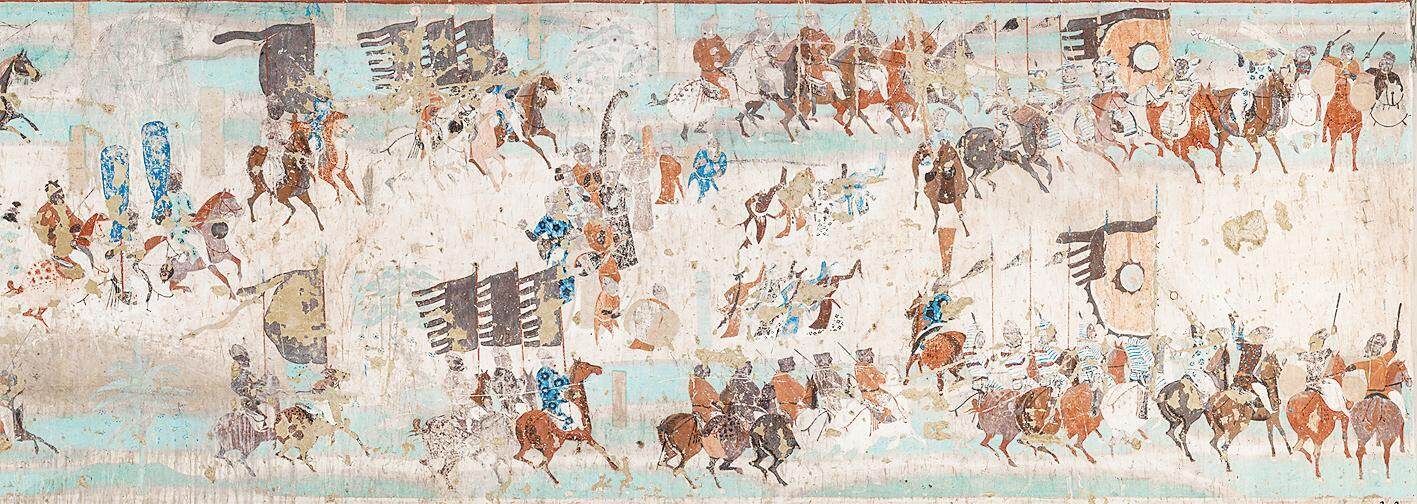
He asked for the source, and the merchant from Daxia replied that it was purchased from the body poison (India) thousands of miles southeast. This discovery was like lightning, stone, and fire, instantly outlining in Zhang Qian's mind a potential trade route from the southwest to the Western Regions without passing through the Xiongnu. This is not only a geographical discovery, but also a strategic vision: the world is far more interconnected than the Han Dynasty imagined.
He also observed that Buddhism has quietly become popular here. This laid the foundation for the Guishuang Empire, later established by the Dayue clan, to become the center of Buddhism, and for the integration of Greek sculpture techniques into Gandhara Buddhist art into Central Asia and even China, laying the earliest groundwork.
Emptying the Western Regions, the immortal achievement of a failed mission
In 126 BC, Zhang Qian returned to the east and was recaptured by the Xiongnu. One year later, he took advantage of their internal turmoil and fled back to Chang'an. At the time of departure, there were over a hundred people, but only he and Gan Fu returned. He brought back a detailed report on the thirty-six states of the Western Regions, as well as the rest of the country, the Tiaozhi (Syria), and the body poison even further away. These pieces of information completely refreshed the Han Dynasty's understanding of the world.
Sima Qian praised Zhang Qian's trip in "Records of the Grand Historian" as "chiseling through the air" - meaning to open up a hole and explore out of thin air. This precisely defines his achievements: he not only opened up a geographical channel, but also an ideological channel for the Central Plains dynasties to understand the world. Although Emperor Wu of Han did not obtain military allies, he gained an incredibly vast blueprint for the world. Based on Zhang Qian's intelligence, the Han Dynasty later passed through the Hexi region, established four commanderies, and ultimately opened up and controlled the Silk Road.
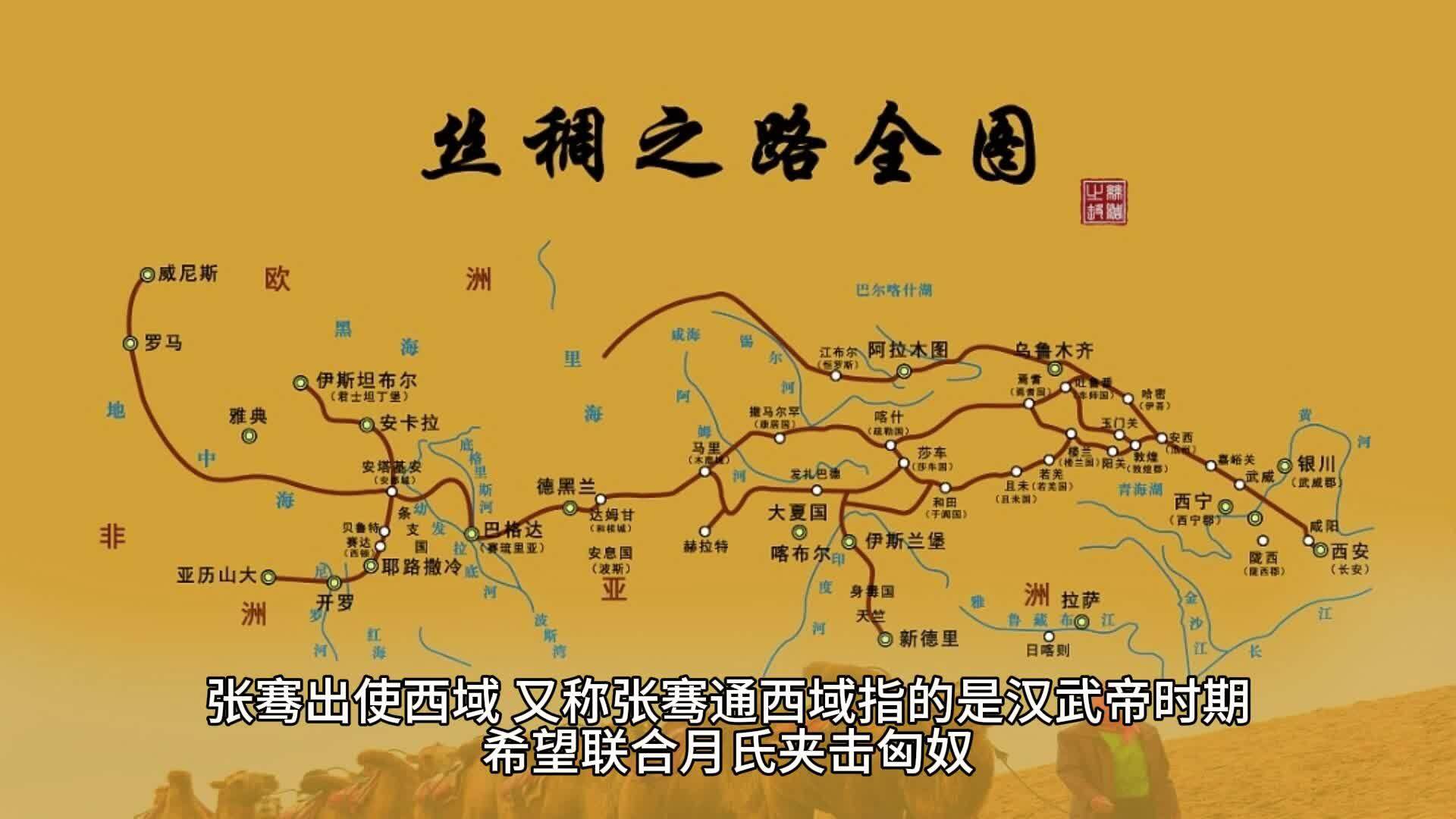
Zhang Qian's first westward journey began with a specific, utilitarian political goal, but ended with a grand epic beginning of cultural exchange. His personal failure actually led to a great geographical and spiritual expedition for the Chinese nation. The road he has walked is about to become the Silk Road connecting the East and the West; The scene of civilization blending he witnessed is about to repeat on a larger scale due to the prosperity of this path. In this sense, Zhang Qian is not only an unyielding envoy, but also an unintentional discoverer of the world. With thirteen years of arduous journey, he knocked on the door of history for the encounter of various civilizations of humanity.Editor/Cheng Liting
Comment





 Praise
 Collect
 Comment

 Share
Share


Write something~