 Search


- On the other hand, the full industry chain layout of PetroChina and Sinopec has become a drag on profitability
- The rise of CNOOC is essentially a victory of long termism - firmly focusing on the upstream high-value track

In the resource landscape of "rich coal, lacking oil and gas", the profit competition in China's oil and gas industry has never stopped. In 2024, CNOOC stood out with a hardcore performance of 420.5 billion yuan in revenue and 137.936 billion yuan in net profit. Its 32.81% net profit margin is equivalent to 17 times that of Sinopec, its 19.36% ROE is almost twice that of PetroChina, and its annual dividend of 60.713 billion yuan demonstrates its true nature as a "cash cow". As an energy giant, why can China National Offshore Oil Corporation (CNOOC) continue to "make money" in the fluctuation of oil prices and find a profitable path that crushes its peers?
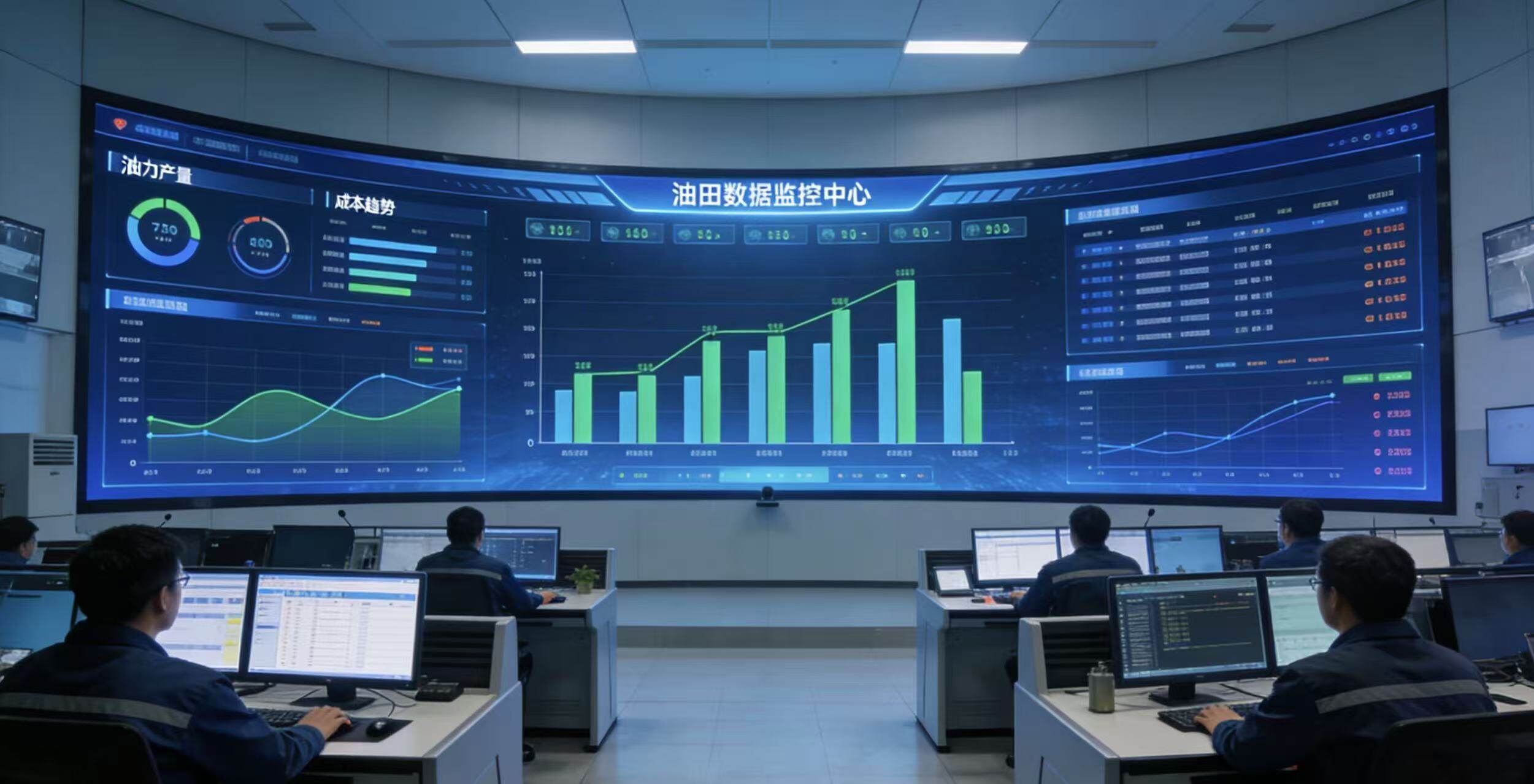
Anchoring upstream to avoid the 'profit trap' of midstream and downstream
The profit gradient of the petroleum industry chain has long been clear: upstream exploration and development is the "profit highland", midstream storage and transportation is the "buffer zone", and downstream refining and sales is the "low profit battlefield". The success of CNOOC first stems from its firm choice of high-value tracks - in the first half of 2025, 82.73% of its revenue comes from upstream oil and gas sales, completely avoiding profit losses in the middle and lower reaches.
On the other hand, the full industry chain layout of PetroChina and Sinopec has become a drag on profitability. Although PetroChina has the largest domestic oil and gas production, the high cost of onshore old oil fields combined with cyclical fluctuations in refining and sales sectors has resulted in a net profit margin hovering around 6% throughout the year; As the world's largest refining and chemical enterprise, Sinopec's "heavy downstream, light upstream" structure has made it deeply trapped in "double pressure": insufficient self-sufficiency in the upstream has pushed up raw material costs, and downstream overcapacity combined with weak consumption. In the first three quarters of 2025, the chemical sector suffered a loss of 7.429 billion yuan, with a net profit margin of only 1.42%. Even if international oil prices fall by more than 14% year-on-year in the first three quarters of 2025, CNOOC will still achieve a net profit margin of 32.63% with its pure upstream layout, demonstrating its profitability resilience at a glance.

Production increment+cost advantage to build a strong moat
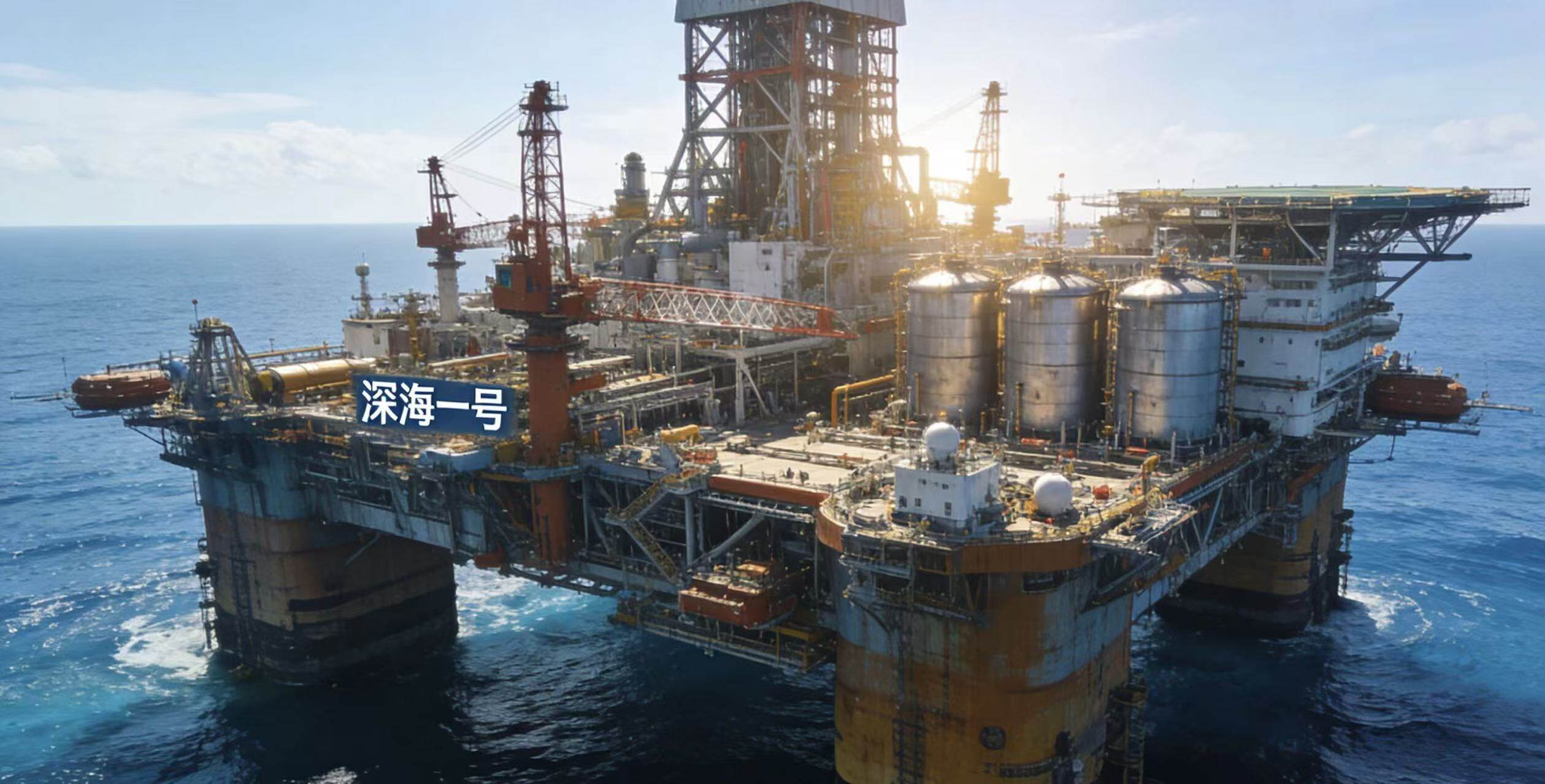
If the choice of track determines the profit ceiling, then the dual wheel drive of "production growth+cost control" gives CNOOC full confidence in high profitability. In the first three quarters of 2025, China National Offshore Oil Corporation's net oil and gas production reached 578 million barrels of oil equivalent, a year-on-year increase of 6.7%, far exceeding PetroChina's 2.6% and Sinopec's 2.2%. Domestic projects such as the second phase of the "Deep Sea One" and the Caofeidian 6-4 oil field are steadily put into operation, while overseas assets such as Yellowtail in Guyana and Mero3 in Brazil continue to contribute incremental growth. The dual wheel drive at home and abroad has opened up revenue space.
Cost control is the core trump card of CNOOC. In 2024, its barrel oil cost dropped to $29.56 per barrel, significantly lower than PetroChina's $33.08 per barrel and Sinopec's $38.41 per barrel. This advantage stems from the deep integration of technological innovation and lean management: the unmanned transformation of Qinhuangdao 32-6 Oilfield has reduced labor costs by 30%, the localization technology of "Deep Sea One" has reduced the cost of ultra deep water projects by 25% compared to international peers, the "Intelligent Drilling and Completion" technology of Wenchang 19-1 Oilfield has achieved a 30% increase in construction period, and the replacement of shore power in the Bohai Sea has saved $180 million in costs annually. Against the backdrop of a downward shift in the oil price center, the cost line as low as $29.56 per barrel has become a "safety cushion" to withstand market fluctuations.
Green transformation broadens the boundaries of growth
The profit story of China National Offshore Oil Corporation (CNOOC) hides a long-term layout of digitization and green transformation. Nowadays, offshore oil fields are no longer the traditional impression of "extensive development": Caofeidian 6-4 oil field reduces carbon dioxide emissions by 13000 tons per year by injecting associated gas back into the formation; The Wenchang 19-1 oilfield utilizes waste heat power generation equipment, generating 24 million kilowatt hours of electricity annually and reducing emissions by 23000 tons; The application of technologies such as digital twins and automated drilling rigs enables full process digital control of drilling trajectory optimization and equipment monitoring, which not only improves efficiency but also reduces risks.
The rise of CNOOC is essentially a victory of long termism - firmly focusing on the upstream high-value track, breaking through production and cost bottlenecks with technological innovation, and embracing industry trends with green transformation. Against the backdrop of late stage onshore oil and gas development and intensified global oil price fluctuations, China National Offshore Oil Corporation (CNOOC) continues to validate its logic of "high profitability and high resilience" by providing high dividend returns to shareholders and stabilizing production capacity to support national energy security.Editor/Bian Wenjun
Comment


 Praise
 Collect
 Comment

 Share
Share


Write something~