 Search


- A hybrid power project with a total investment of 900 million US dollars and a total installed capacity of 1300 megawatts has recently
- Zambian President Hicklema recently witnessed the signing of a key power project: the total investment of the project is about 900 million US dollars
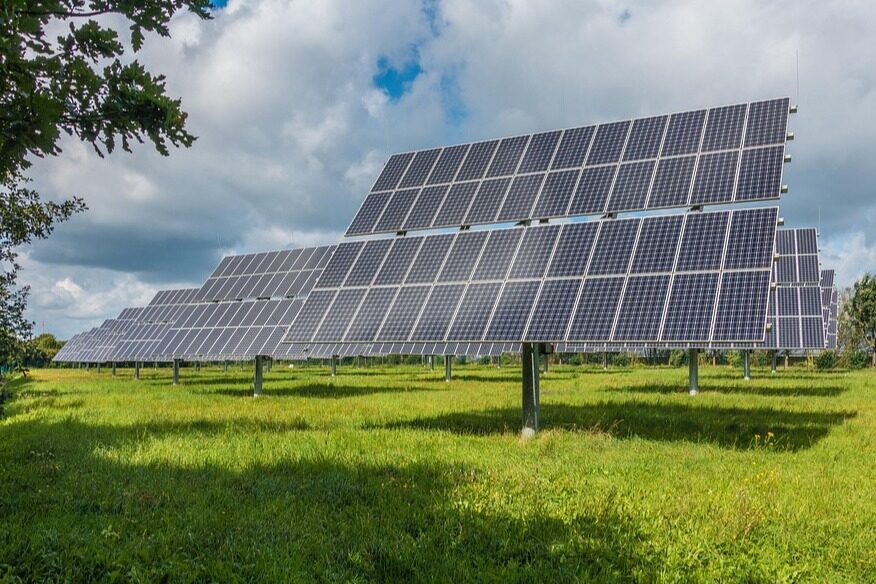
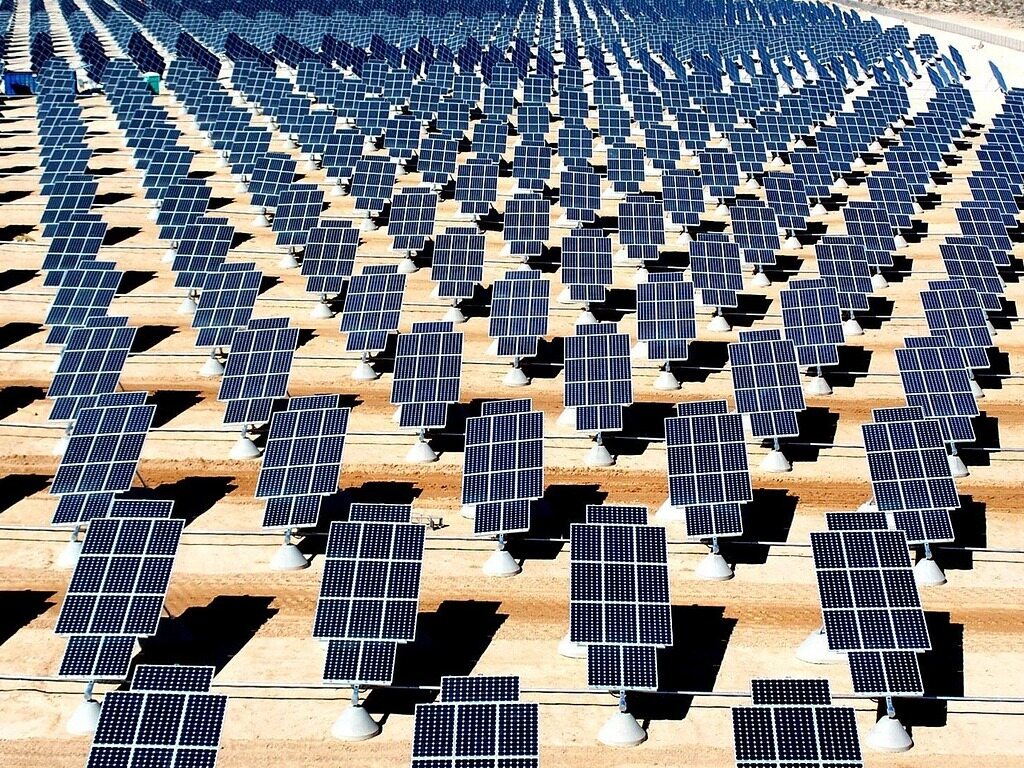
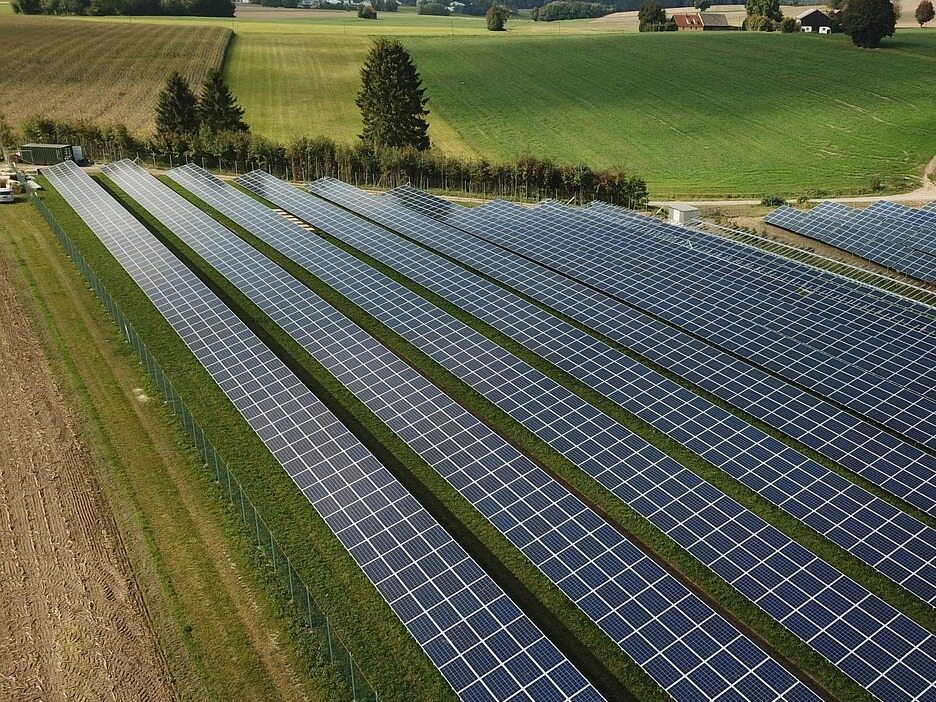
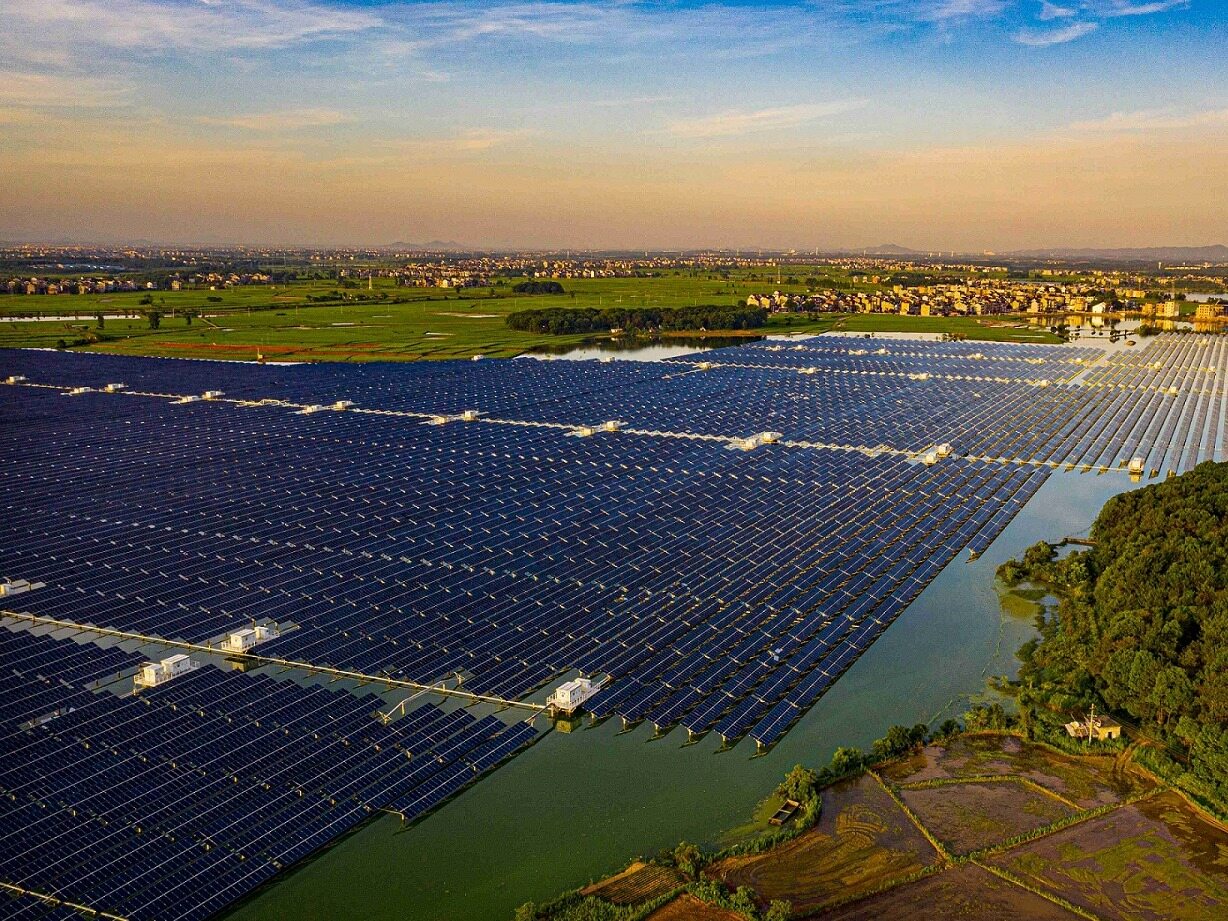
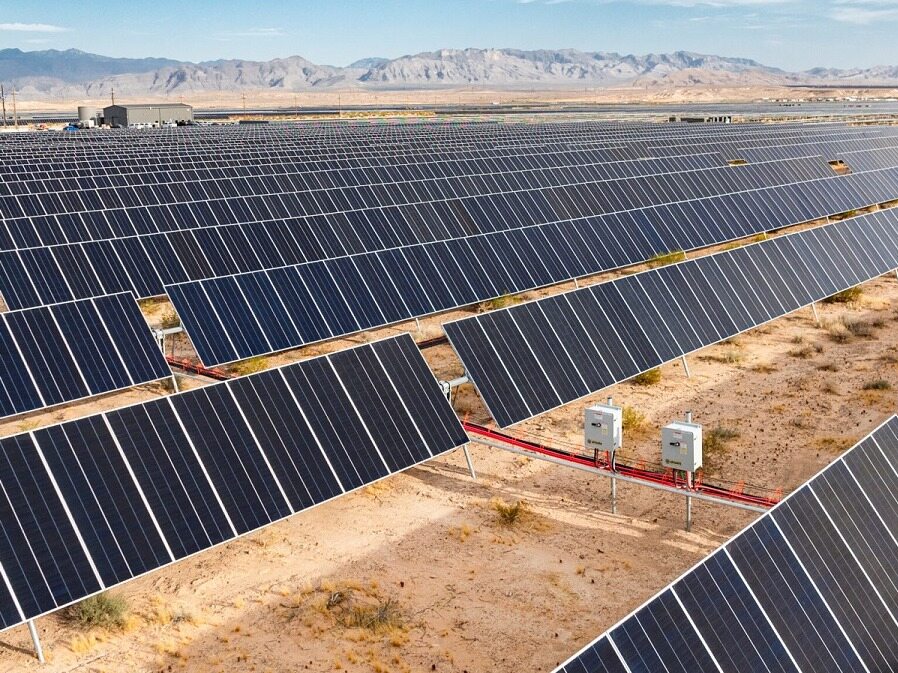
In Lusaka, the capital of Zambia, a signing ceremony personally attended by President Hicklema and described as a "game changing" event illuminated a new path for this southern African country to accelerate its energy transition. Faced with the nationwide power shortage that continues to plague the economy and people's livelihoods, a large-scale hybrid power project with a total investment of about 900 million US dollars and a total installed capacity of up to 1300 megawatts has been officially launched, including 1000 megawatts of solar photovoltaic power generation. This milestone investment marks Zambia's full effort to break its long-term dependence on single hydropower and open a new chapter in energy structure diversification.
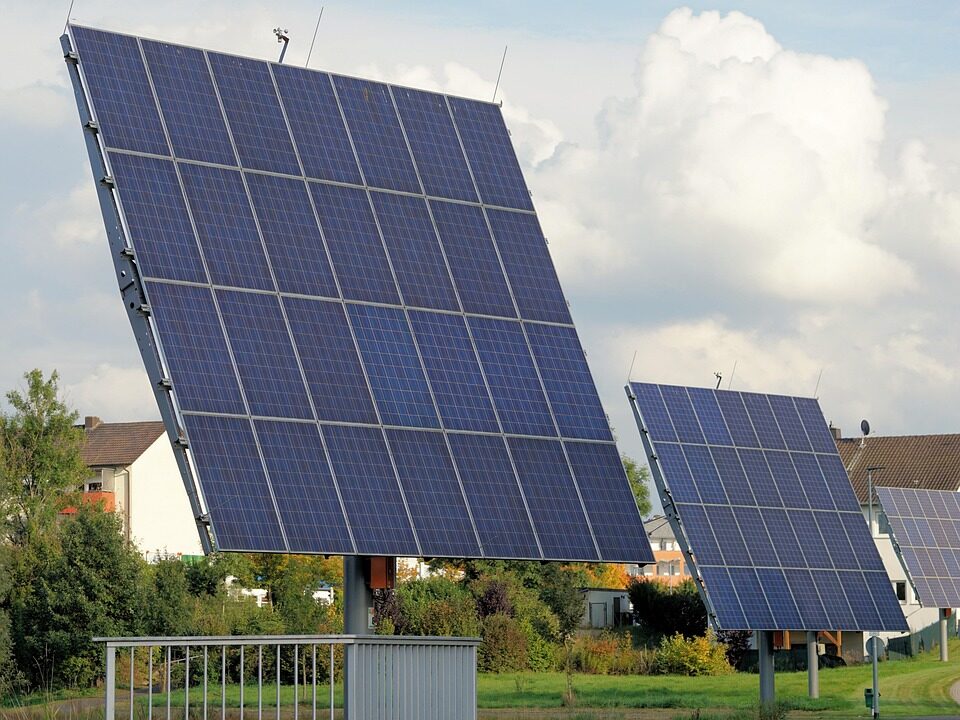
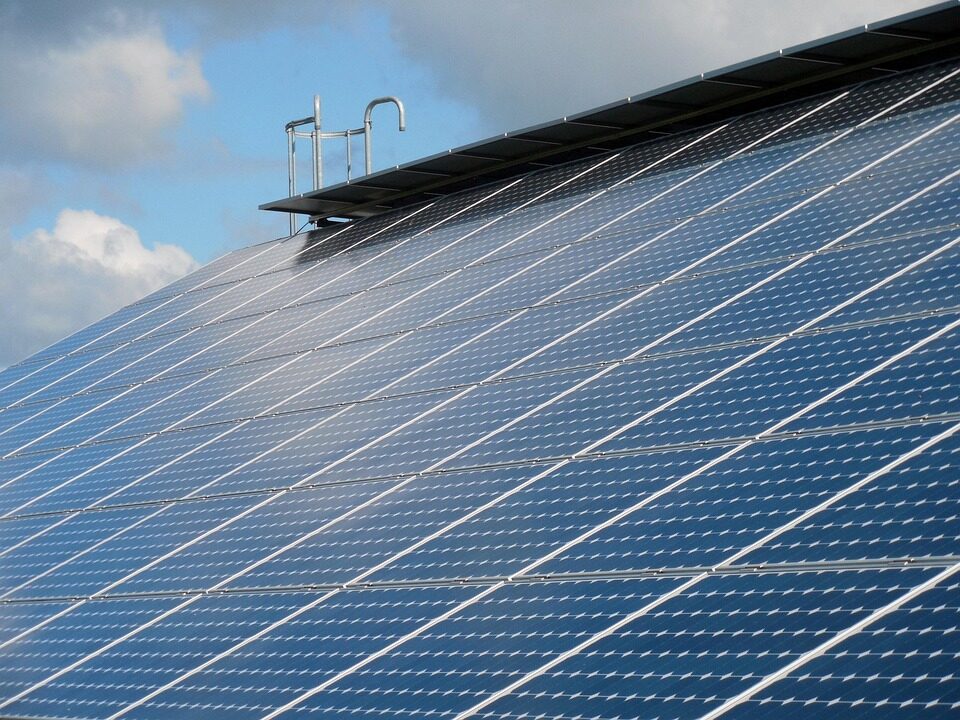
The project is jointly promoted by Amsons Group, a Tanzanian pan African industrial giant with operations in multiple African countries, and Exergy Africa, a Zambian energy developer deeply rooted in the local area. According to the signed agreement, the project will adopt a pragmatic and efficient development pace. The first 500 MW solar power station is planned to be completed and connected to the grid within 18 months, while the entire 1300 MW hybrid power generation capacity is expected to be completed and put into commercial operation within 24 months. The core design of the project reflects a balanced approach that balances clean development and energy security: a 1000 MW photovoltaic power station with an investment of approximately $600 million aims to fully utilize Zambia's abundant solar energy resources; The 300 MW coal-fired power generation units, which will be built simultaneously, will provide stable peak shaving and basic load guarantee for the power grid at night and under light conditions, ensuring the reliability of power supply.
Strategic transformation from "hydropower dependence" to "multi energy complementarity"
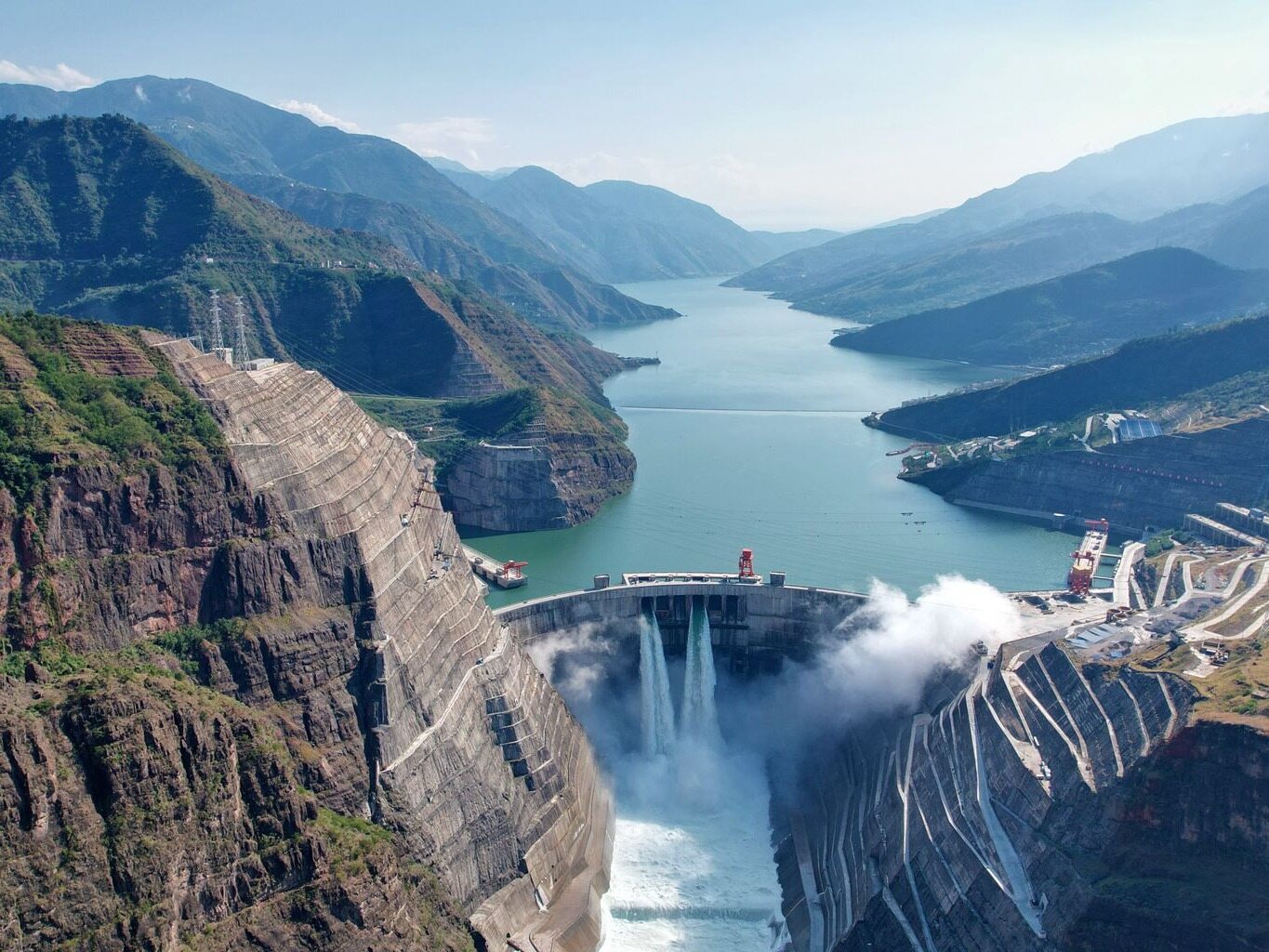
Zambia is currently facing a severe power supply crisis. About 85% of the country's electricity relies on hydroelectric power generation, but in recent years, the sustained severe drought has caused major hydroelectric power stations such as the Kariba Reservoir to drop their water levels to historic lows, severely damaging their power generation capacity. Since 2023, nationwide rotating power rationing has become the norm, not only seriously affecting residents' lives, but also dealing a heavy blow to the mining and manufacturing industries, which are the backbone of the economy. The rapid advancement of this 1300 MW hybrid power project is a direct response to this urgent crisis. After the project is fully put into operation, it is expected to significantly alleviate the domestic power shortage situation. More importantly, it will promote Zambia's energy structure to shift from a single hydropower to a diversified system of complementary multiple energy sources such as solar and coal-fired power. This transformation is highly aligned with the Zambian government's national strategic goal of achieving an additional 10 million kilowatts of power generation capacity by 2030, providing key support for economic recovery and sustainable development.
900 million US dollars outline a new blueprint for energy security
The total investment of this major energy project is about 900 million US dollars, and the fund allocation is clear and definite. Among them, the investment in the 1000 MW solar photovoltaic power plant is about 600 million US dollars, demonstrating the dominant position of renewable energy in the project; The remaining investment will be used for supporting infrastructure such as 300 MW coal-fired power plants and grid access. The project plan is rapidly advancing in two stages: the first stage aims to achieve 500 megawatts of photovoltaic grid connected power generation within 18 months; The second phase will complete the construction of all 1300 MW capacity within 24 months. This phased and rapid implementation path not only reflects the urgency of addressing power shortages, but also ensures the controllability and efficiency of project progress. The project design adopts a hybrid mode of "photovoltaic as the main source and coal-fired power regulation", which maximizes the use of clean energy while effectively ensuring the stable operation of the power grid. It has explored a practical energy development path for Zambia that is in line with the country's resource endowment and development stage.
Deep integration of regional capital and localization capabilities
This cooperation project highlights the emerging trend in the field of energy infrastructure construction in Africa. As a pan African industrial giant with business coverage in cement, logistics, manufacturing, and other fields, Amsons Group's large-scale entry into the public utility power generation sector is an important expansion of its strategic layout and reflects the firm confidence of regional capital in the potential of the African infrastructure market. As a partner, Exergy Africa, with its profound understanding of the local market, policies, and operating environment, provided indispensable localization support for the smooth implementation of the project. Keywords: Photovoltaic New Energy, Photovoltaic New Energy News
This cooperation model of "regional industrial capital+local professional platform" has successfully integrated international funds, technological experience, and localized operational capabilities, forming a strong synergistic effect. The high level of attention and direct support from the Zambian government towards the project further confirms the country's pragmatic strategy of attracting diversified investment and developing a hybrid energy system, actively exploring a new path that can ensure energy security and promote sustainable development, providing useful reference for other African countries facing similar challenges. Editor/Yang Beihua
Comment

 Praise
 Collect
 Comment

 Share
Share


Write something~