 Search


- This bridge will directly connect the traffic bottleneck between NH-922 and the Purwanchal Expressway
- This project will significantly shorten the distance and time of cross-strait travel, becoming a key physical link to improve regional logistics efficiency and activate economic ties between the eastern part of Uttar Pradesh and Bihar

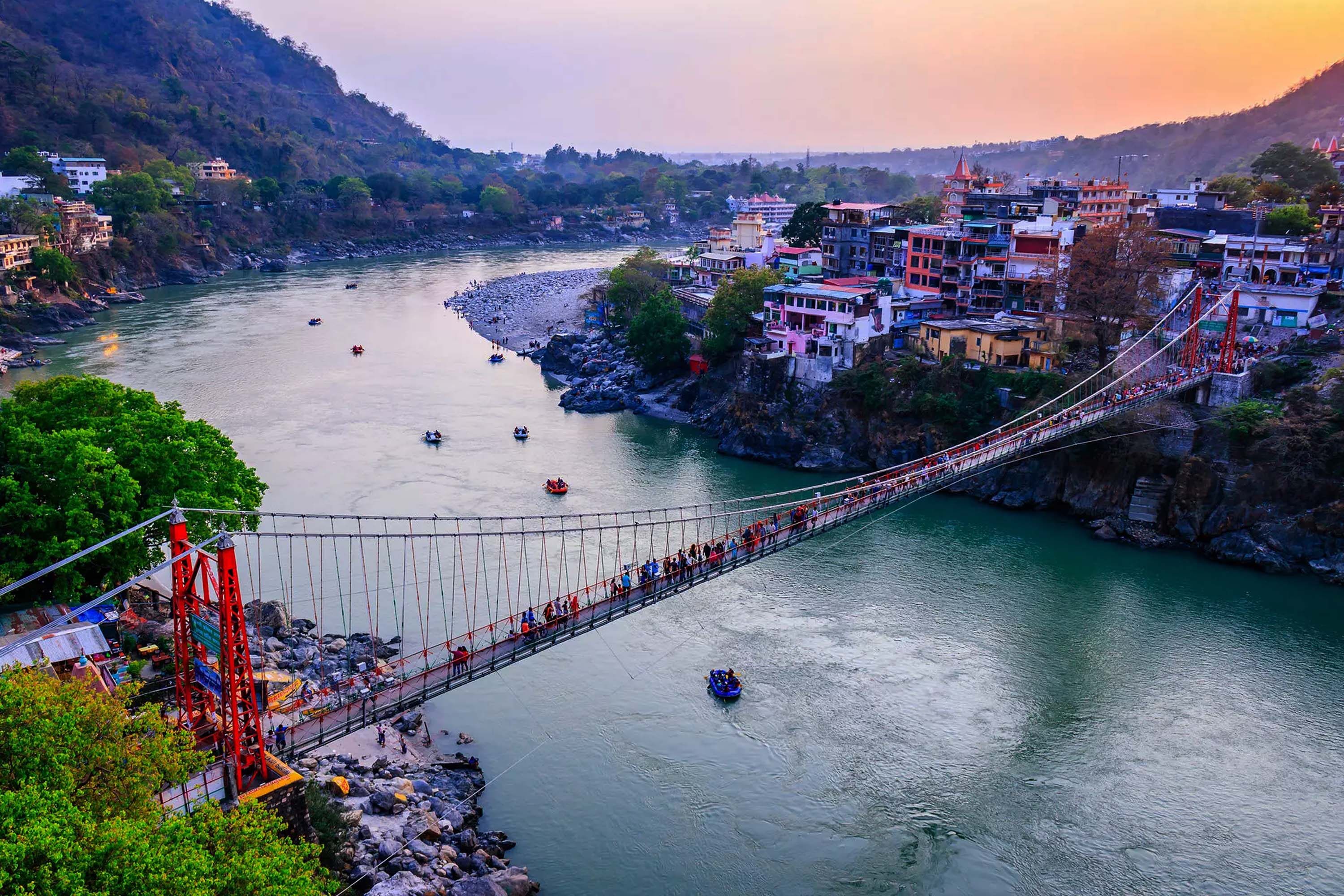
Under the strategy of infrastructure driven development, a new bridge spanning the sacred river Ganges in India is about to become a reality. This 3.2-kilometer, three lane bridge connecting Bukssar in Bihar and Bulaori in Uttar Pradesh is particularly noteworthy for its magnificent 1.2-kilometer center span. It is not only a geographical connection, but also carries the deep mission of dredging the regional economic bloodline and changing the development pattern of the Ganges River Basin.
Breaking the economic engine of geographical constraints
As the mother river of India, the Ganges has nurtured civilization while its wide channels have long formed a geographical barrier, cutting off the economic connections between the north and south banks. The direct mission of Xinqiao is to efficiently connect the two main lines of NH-922 and Pulwanchal Expressway. This means that logistics and personnel that previously required long detours or relied on inefficient ferries will now have an all-weather direct route.
The economic benefits will be immediate. Referring to similar infrastructure projects in India, a newly built Ganges Bridge has reduced the detour distance for heavy vehicles by over 100 kilometers, not only significantly reducing transportation costs and time, but also effectively alleviating the congestion pressure on the surrounding road network. The more profound impact is that it will activate the potential of the Purwanchal Expressway, bringing the eastern part of Uttar Pradesh and Bihar closer into the economic circle centered around Lucknow, promoting resource flow and industrial integration in underdeveloped areas along the route, and injecting strong impetus into regional balanced development.
A microcosm of technological ambition and strategic layout
The construction of this bridge is also a demonstration of technical capabilities. The 3.2-kilometer-long structure is supported by 40 bridge piers, of which 8 need to be constructed in the main channel of the Ganges River, which involves complex underwater engineering and challenges in dealing with hydrological changes in the river. Its 1.2-kilometer main span design places high demands on structural mechanics and material technology.
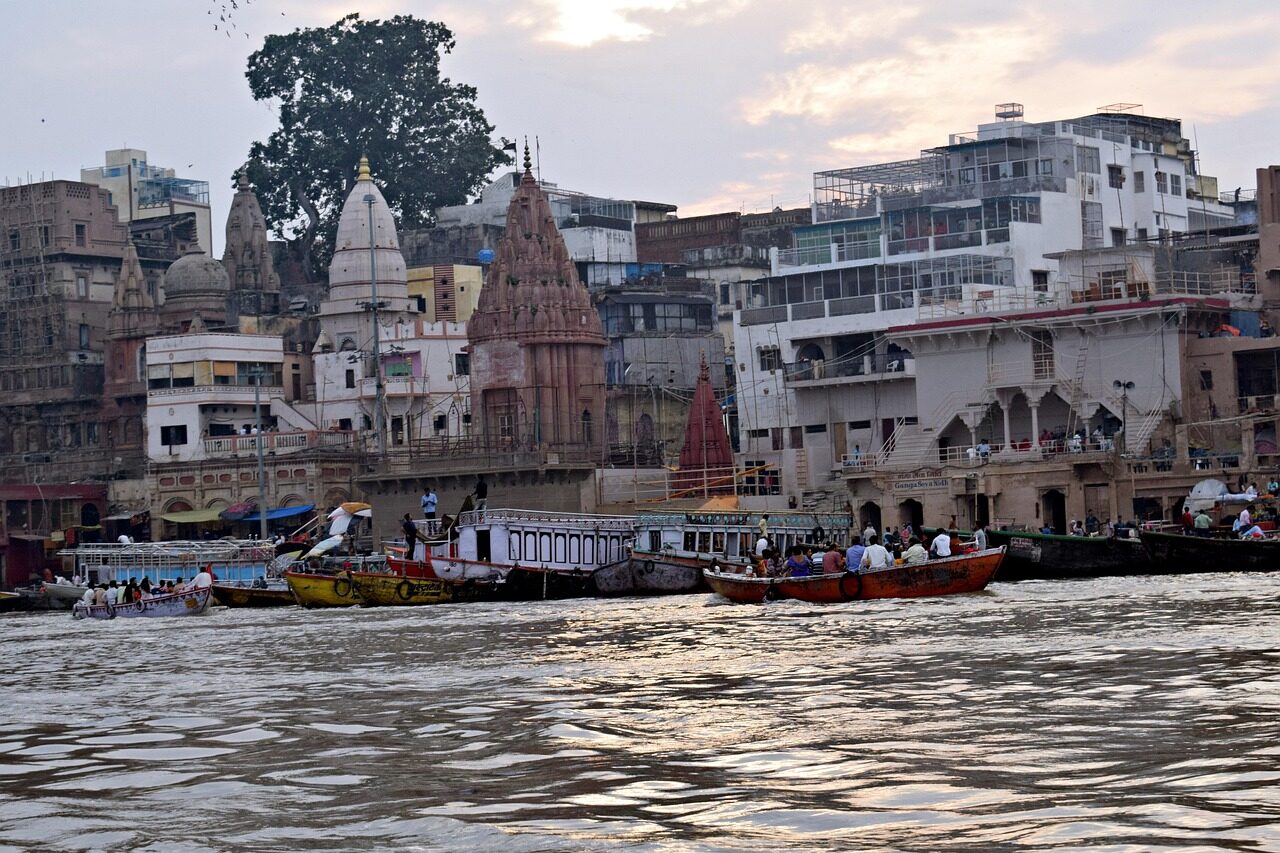
This type of large-scale river crossing project has strategic significance in infrastructure construction in India. They are often seen as key pieces in promoting internal integration within countries and strengthening regional connectivity. From a broader perspective, the construction of a new bridge on the Ganges River is in line with India's logic of building the world's tallest railway bridge in other strategic locations, such as Indian controlled Kashmir. Both reflect the national will to consolidate internal connections and enhance logistics and strategic mobility by breaking through natural barriers. Meanwhile, Bangladesh, located downstream of the Ganges River, has achieved tremendous economic success with the Padma Bridge constructed by China. This neighboring country case may also indirectly enhance India's determination to accelerate the construction of such key bridges domestically. Keywords: Foreign Engineering Construction News, Southeast Asia Engineering Information Network
This new bridge spanning the Ganges River is far more than just a simple transportation project. It is a lever to leverage India's key regional economic development, a carrier to showcase its infrastructure technology ambitions, and another important milestone in its strategic layout to strengthen vertical connections within the country and optimize its territorial spatial layout. When the bridge pier stands firm in the Ganges River, it will support the common aspirations of both sides for closer ties and a more prosperous future.Editor/Cheng Liting
Comment



 Praise
 Collect
 Comment

 Share
Share


Write something~