 Search


- The Deputy Minister of Steel of India has revealed plans to triple the import volume of Russian coking coal
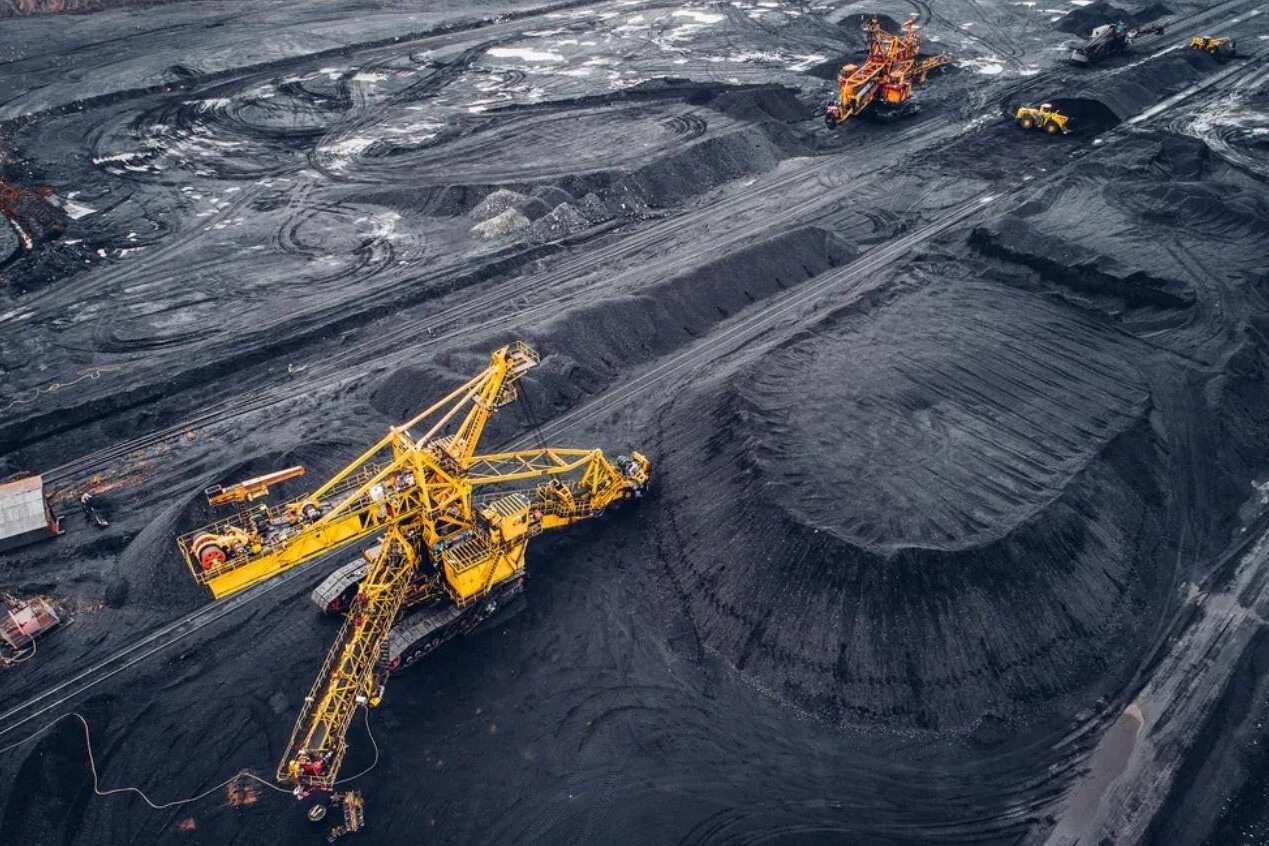
Moscow has not fully recovered in May, but the itinerary of India's Deputy Minister of Steel, S. Paoundrik, is full of urgency. On the eve of flying to Russia, he outlined a highly ambitious vision to the media: India's steel production capacity is expected to double in the next decade, and Russia's coking coal is the key ingredient for this feast. In the past month, New Delhi has received two batches of Russian delegations, and now it is his turn to visit again - this is not only a diplomatic interaction, but also a resource procurement negotiation around the ambition of 400 million tons of steel.
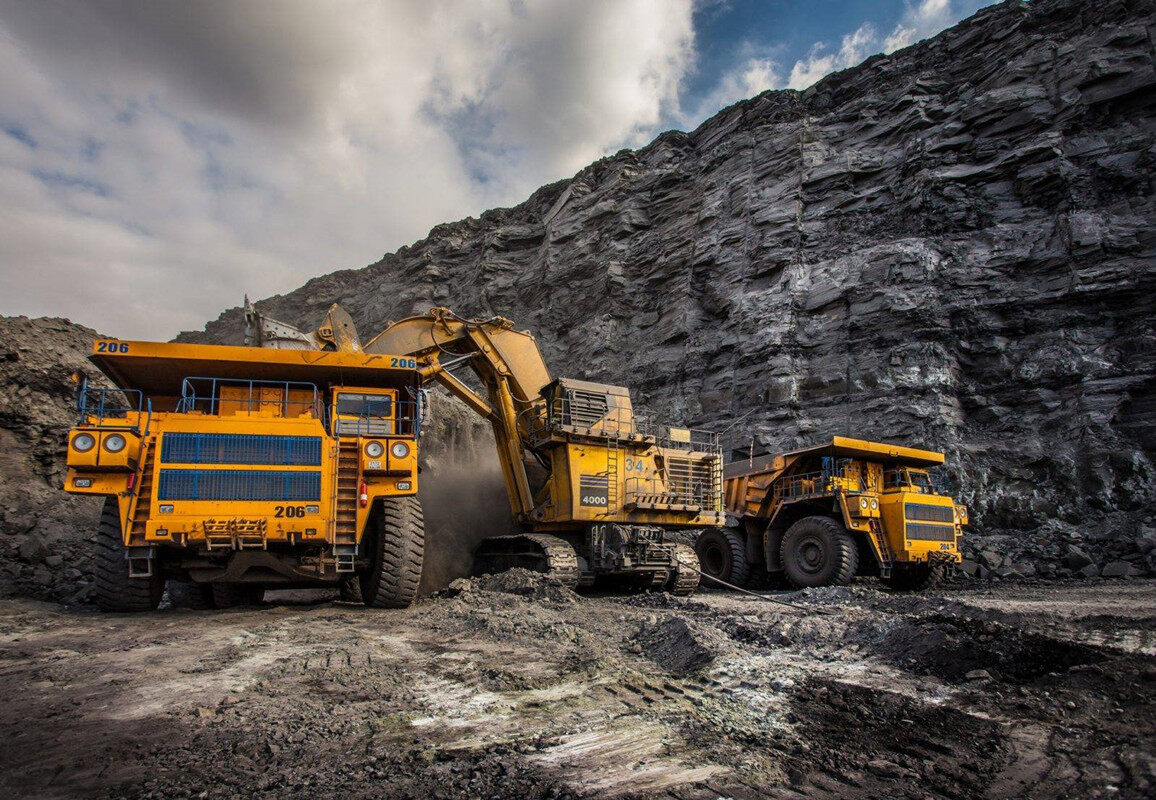
double the production capacity
In the past decade, India's steel production capacity has skyrocketed from 110 million tons to 220 million tons. But this is just the beginning. The official roadmap shows that by 2030, this number will reach 300 million tons, with 2035-2036 reaching the 400 million ton mark. The support for this growth rate is the annual increase of about 10% in domestic steel consumption, which comes from the strong demand in infrastructure, real estate, and manufacturing industries. However, steelmaking requires' food ', and India is severely lacking in high-quality coking coal. By 2025, about 90% of India's coke demand will rely on imports, and the stability of this supply chain will directly determine the speed at which the steel giant can run.
Russian Coal Upside
At present, Australia remains the largest supplier of coking coal to India, accounting for about 60%, while Russia only accounts for 15%, with an annual supply of about 8-9 million tons. But this pattern is about to be broken. Baldrik bluntly stated that as long as the price and quality are appropriate, India's procurement of Russian coal has "no upper limit", and its share is expected to double or even triple in the next few years. This means that the annual supply of coal from Russia may exceed 20 million tons. Despite the high logistics costs putting pressure on the marginalization of Russian coal, India clearly hopes to hedge these costs through direct procurement and investment to ensure long-term and reliable energy storage.keywords:Southeast Asia engineering information network
Buying minerals and gasification
In order to lock up resources, India is no longer satisfied with simple trade. Baldrik revealed that Indian companies are actively considering acquiring Russian coal mining assets - whether it is a wholly-owned purchase or partial equity participation, with the aim of upgrading cooperation from "buying coal" to "owning mines". At the same time, India is also using coal gasification technology to save itself domestically. The government has approved an incentive plan worth 375 billion rupees (approximately 3.9 billion US dollars) with the goal of achieving 100 million tons of coal gasification capacity by 2030, in order to reduce dependence on imported liquefied natural gas, ammonia, and methanol. This is a dual line battle: binding Russian resources externally, breaking through technological bottlenecks internally, and only building a solid foundation for the 400 million ton steel dream.Editor/Yang Meiling
Comment



 Praise
 Collect
 Comment

 Share
Share


Write something~