 Search


- 3.5 hours compressed to 29 minutes, completing a leap from "teaching people how to fish" to "teaching people how to fish"
- In the new era, China's engineering going global has already surpassed single project contracting and entered the stage of full chain output of "capital+technology+standards+operation"
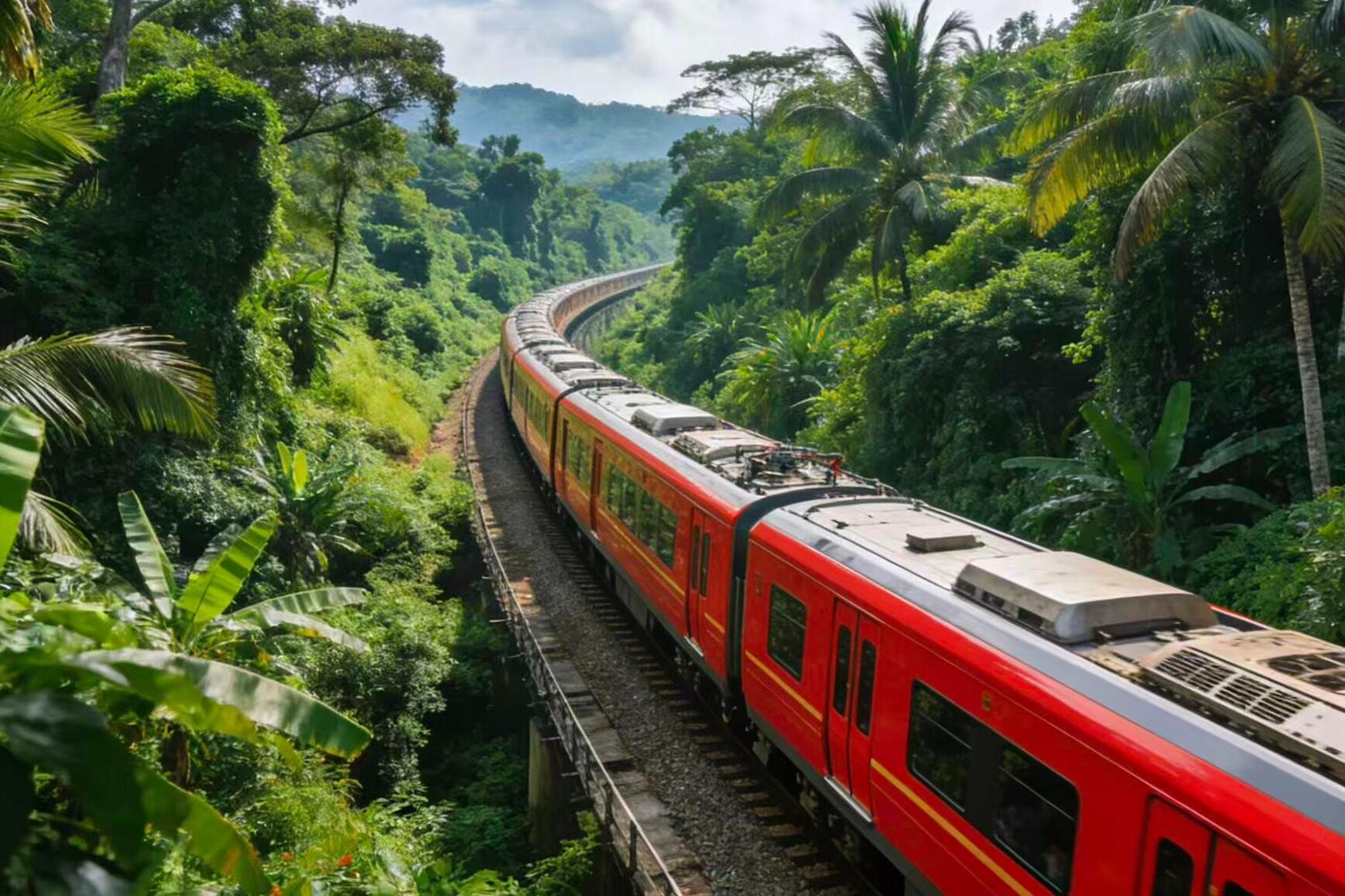
Half a century ago, the 1860 kilometer Tanzania Zambia Railway broke through on the East African Plateau. This steel dragon that crosses grasslands and canyons, without complex commercial contracts or precise project management systems, has written the prelude to China's engineering going global with the sincerity of "people pulling shoulders" and the responsibility of "brothers working together". At that time, Chinese engineers carried idealism and traveled across the ocean. The journey from Shanghai to Dar es Salaam was bumpy for months, with materials shipped by sea and communication through shouting. The so-called "project management" was more about the appointment of the organization department and the belief in bringing glory to the country. As a model of China's foreign aid projects, the Tanzan Railway carries geopolitical bonds and political commitments, solving the transportation difficulties of developing countries rather than commercial investment returns. It has won the initial trust of the global market for Chinese projects in the simplest way possible.
From 'aid narrative' to 'commercial disruption': learning to speak with rules
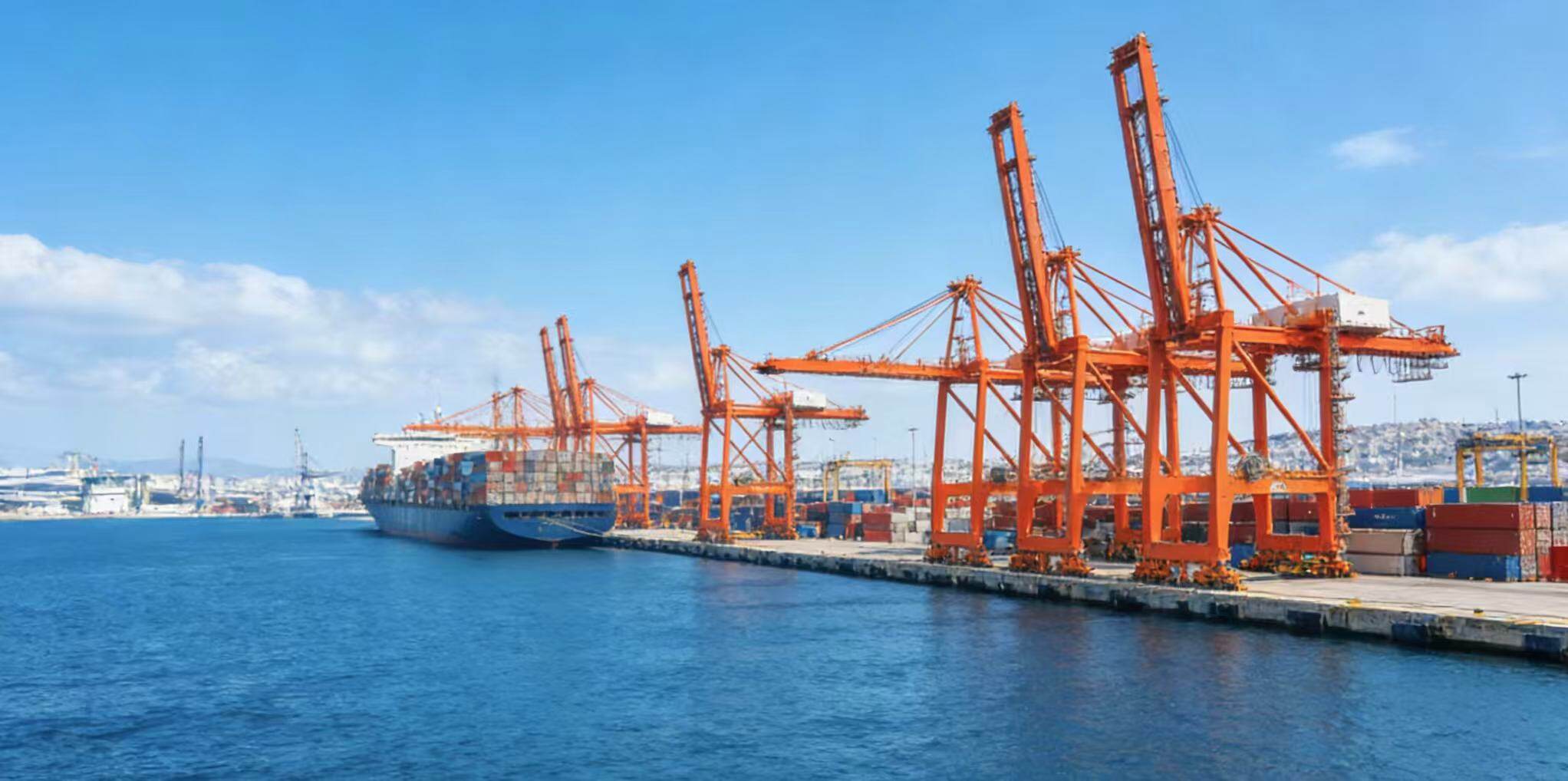
In the 1990s, the global economic landscape was reshaped, and China's overseas engineering ushered in its first paradigm shift. When "international jargon" such as Bid Bond, Performance Bond, and liquidated damages enter the view of Chinese contractors, the once "get it done and leave" aid construction logic is completely overturned by cruel commercial rules. The project disputes in the Middle East market and the claims disputes at Southeast Asian construction sites have made Chinese companies deeply understand that international engineering is not about "winning if done well", but about "speaking clearly is the key to success".
From a "contractor style" construction team to a specialized international contractor, Chinese engineers have tackled tough challenges in practice: learning to use FIDIC terms to standardize contract boundaries, using WBS (Work Breakdown Structure) to break down project processes, using P6 schedules to control construction periods, and knowing how to use Claim Letters to protect their own rights and interests. The once overlooked daily reports, visa applications, and change records have gradually become a "protective talisman" for risk isolation - it turns out that foreign PMC's daily report writing is not about "not working", but using "judicial language" to construct an auditable chain of responsibility. At this stage, Chinese engineering has undergone a transformation from being "blood and sweat driven" to being "rule driven". It has upgraded from simply exporting labor and equipment to providing EPC general contracting services. In projects such as the Lequi Deepwater Port in Nigeria and the Luanda Railway in Angola, it has deeply linked commercial logic with engineering strength, achieving the goal of "doing well while also being clear minded".

From 'Full Chain Going Global' to 'Standard Rooting': The Paradigm Revolution of Yawan High speed Railway
In the new era, China's engineering going global has already surpassed single project contracting and entered the stage of full chain output of "capital+technology+standards+operation". The landing of the Yawan high-speed railway marks a new height in this evolution - it is no longer simply "built in China", but a systematic export of Chinese standards and systems. As the first high-speed railway in Southeast Asia, the Jakarta Bandung high-speed railway not only reduces the commuting time between Jakarta and Bandung from 3.5 hours to 29 minutes, but also completes a leap from "teaching people how to fish" to "teaching people how to fish".
Faced with the blank of no high-speed railway standards in Indonesia, China and Indonesia jointly formed a working group and spent a year promoting technical docking, deeply integrating Chinese high-speed railway standards with local natural conditions and regulatory requirements, and ultimately promoting the promulgation of Indonesia's first high-speed railway standard, "High speed Railway (PM7-2022)". From adapting to high-intensity earthquake zones with "Yawanliang", to a three-tier operation and maintenance regulatory system of "1+24+643"; From the "order based training" of nearly 600 local technical talents to the operation team with 97% Indonesian employees, the Jakarta Bandung high-speed railway has proven through practical actions that true industrial output is to make standards take root and technology replicable and inheritable. This ecological model of "build&operate&integrate" continues to extend in projects such as King's Port in Saudi Arabia and the National Stadium in Cambodia. The Saudi super shipyard built by China Electric Power Construction has created multiple world records, while the Cambodian stadium built by China State Construction incorporates elements of Wu Ge Wen Ming. They are no longer isolated engineering landmarks, but economic engines that drive the upgrading of local industrial chains and create employment opportunities.

Half a century of trials and tribulations, the evolution trajectory of Chinese engineering going global is clearly visible: from the "heroic aid construction" of the Tanzania Zambia Railway, to the "commercial rule breakthrough" of the Middle East project, and then to the "standard system output" of the Jakarta Bandung high-speed railway, it is essentially a profound transformation from "physical output" to "intellectual output", and from "project thinking" to "ecological thinking". Once, we stood firm by being able to endure hardship and daring to tackle challenges; Nowadays, we have earned respect with the principles of 'auditable standards, closed-loop systems, and capital implementation'.
From the railway tracks on the African grasslands to the high-speed railway on Java Island, from the pouring of steel and cement to the construction of rules and standards, the half century of China's engineering going global is not only a history of industrial upgrading, but also a history of mutual benefit and win-win development between China and the world. In the future, when more "Chinese standards" are transformed into "international consensus" and more "Chinese ecology" empowers global development, this cross mountain cooperation path will surely write a more brilliant chapter of the times.Editor/Bin Wenjun
Comment


 Praise
 Collect
 Comment

 Share
Share


Write something~