 Search


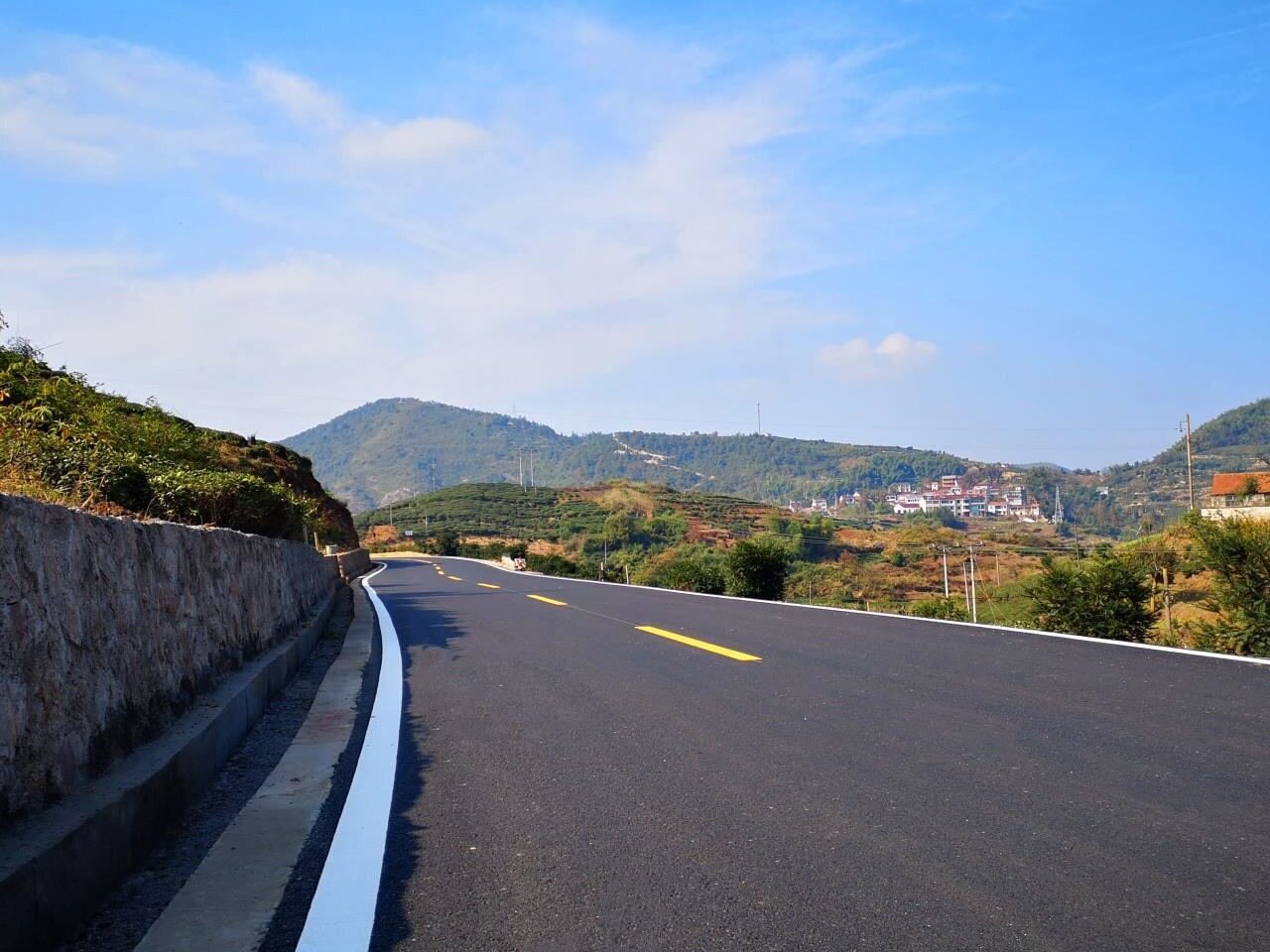
- This highway will significantly improve transportation efficiency and reduce regional trade costs
- This project is a strategic milestone for Kenya's transition from relying on sovereign debt to a sustainable, asset driven public finance model
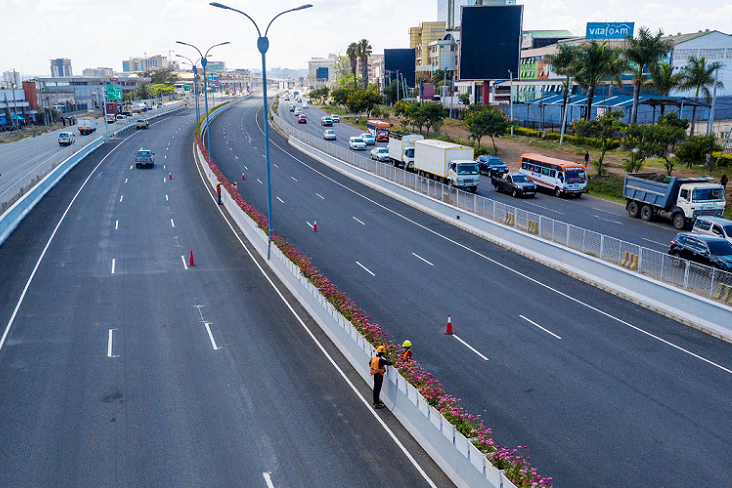
On the busiest transportation artery in East Africa, a transformation driven by a new financing model is being rapidly promoted by Chinese companies. This not only concerns transportation efficiency, but also represents Kenya's strategic choice to shift from sovereign debt to asset driven development.
Kenyan President William Ruto personally presided over the launch ceremony of the Rironi Mau Summit highway expansion project, which officially kicked off with a total investment of approximately $1.5 billion. Behind this decision is a decisive shift from years of stalled negotiations between the Kenyan government and the former French consortium. Now, China Road and Bridge Engineering Co., Ltd. and Shandong Expressway and Bridge International Co., Ltd. have become the new executing parties.
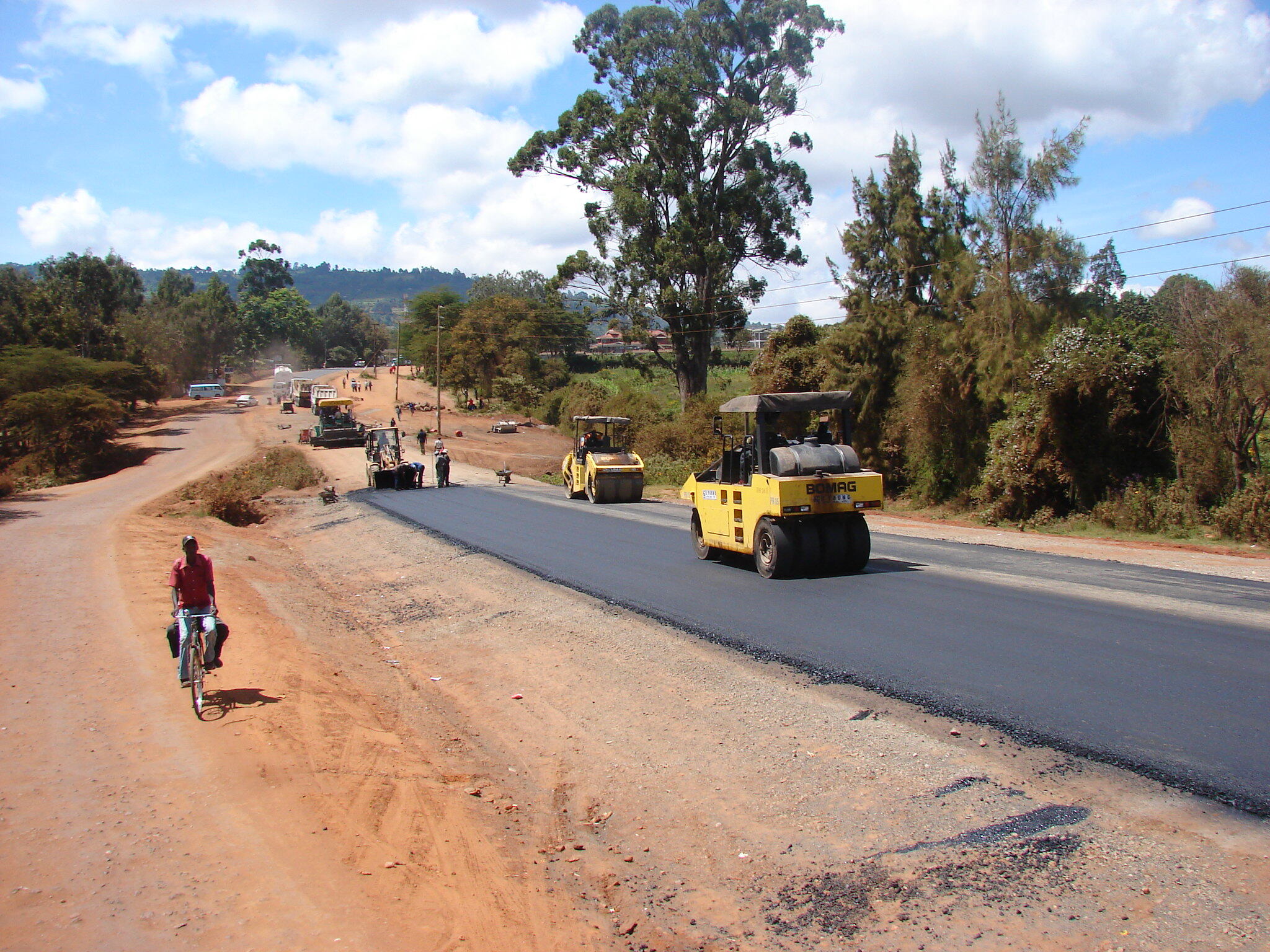
From deadlock to construction, the rapid entry of new partners
The fundamental reason for Kenya's termination of cooperation with France's Wanxi Group is the fundamental difference in risk allocation. Under the original contract, regardless of the actual traffic flow on the highway, the Kenyan government was required to pay a fixed fee based on availability, and the traffic volume risk was entirely borne by the government.
After President Ruto took office, his government's development strategy began to emphasize fiscal sustainability and tended to let the private sector take on more risks in major projects to control public debt. This is different from the previous government's emphasis on using large-scale infrastructure to drive growth. Therefore, the Kenyan side requested to renegotiate and switch to a model where both parties share income and risk, but this move was deemed by the French side to be unfeasible and ultimately led to the termination of the cooperation.
At the same time, the rapid delivery capability of Chinese companies in Kenya and even East Africa has become a prominent label. A series of landmark projects have been successfully completed from the Mombasa Nairobi Railway to the Nairobi Expressway, providing reliable alternative solutions for the local government.
This transformation is not an isolated event. Kenyan President Ruto has recently demonstrated a more flexible and pragmatic diplomatic layout, actively seeking infrastructure investment from China while consolidating traditional partnerships, in order to maximize development space for the country among multiple forces.
28 year franchise and user payment mechanism
The core innovation of this project lies in its financing and risk sharing model. It will adopt a complex government social capital cooperation model to recover revenue through a 28 year user paid fee system.
Clear project structure design: The financing framework adopts a ratio of 75% debt and 25% equity.
The first phase of the Rironi to Naivasha section is jointly constructed by China Road and Bridge Corporation and Kenya National Social Security Fund.
The second phase from Gilgil to Mau Summit will be handled by Shandong Expressway Bridge International.
This model aims to protect Kenyan taxpayers from direct fiscal responsibility and diversify risks to private investors, rather than increasing national debt. The economic advisor to the Kenyan President has called on the public to accept the PPP model, stating that it is an effective way to solve problems such as severe congestion on the Nairobi Nakuru highway.
The project design itself also has long-term considerations. President Ruto insisted on expanding the existing road into dual carriageways of four and six lanes to improve the traffic safety situation caused by frequent fatal accidents on this section, and rejected more conservative expansion plans.
After completion, private contractors will operate and maintain the highway for a 28 year franchise period, ensuring infrastructure quality through long-term asset management.
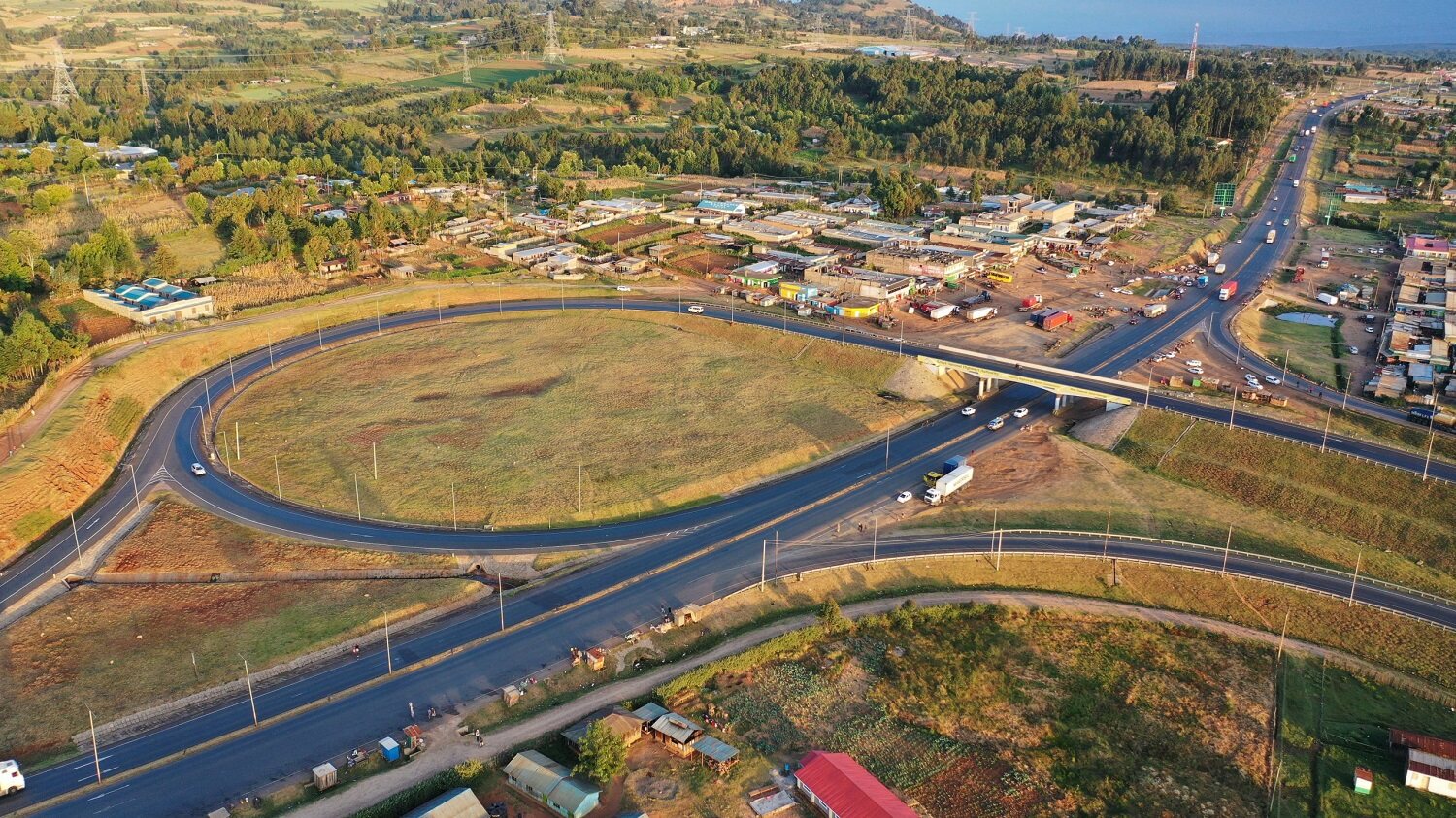
Reshaping the Northern Corridor of East African Trade Arteries
The Rironi Mu Summit highway is not an ordinary road, it is the backbone of the Northern Corridor. This corridor is an important trade route connecting Mombasa Port with key markets in inland neighboring countries such as Uganda, Rwanda, and the Democratic Republic of Congo. It is known as the busiest and most important transportation corridor in East and Central Africa. Keywords: the Belt and Road project news, the Belt and Road news
The expansion of the Rironi Mau Summit highway is not only a road widening, but also a symbol of Kenya's transformation in development thinking. It connects Mombasa Port with the vast inland market, reflecting Kenya's ambition as a regional logistics hub. After the completion of the project, it is expected to significantly reduce the severe delays faced by heavy commercial vehicles due to traffic bottlenecks, thereby lowering the overall operating costs of the region and making East African exports more competitive in the global market.Editor/Cheng Liting
Comment


 Praise
 Collect
 Comment

 Share
Share


Write something~