 Search


- As an economic powerhouse in the Gulf region, Saudi Arabia has a vast market and a well-established industrial system
- In the future, it can help Qatar's liquefied natural gas and Saudi Arabia's petrochemical products to efficiently interconnect, further activating the energy trade network in the Gulf region
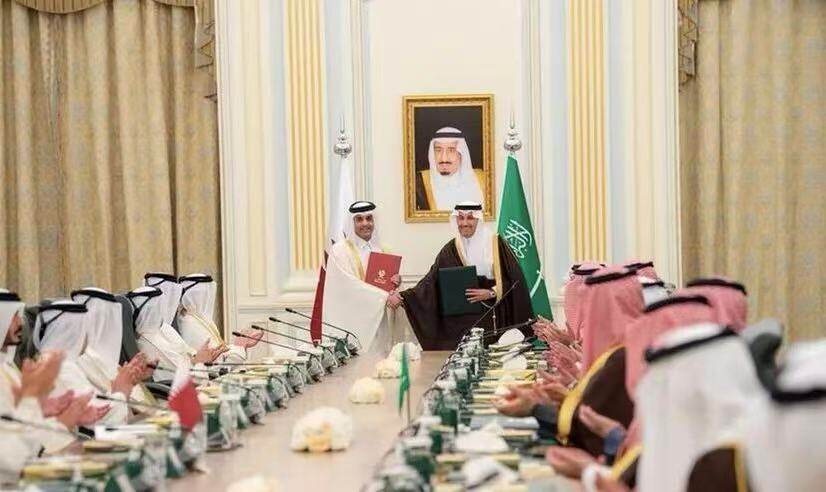
When representatives from Saudi Arabia and Qatar jointly signed a 785 kilometer cross-border high-speed rail agreement at the signing ceremony in Riyadh, it not only finalized a steel artery connecting Riyadh and Doha, but also declared a new beginning for the two countries to move from estrangement to cooperation. The neighboring Gulf countries, which had experienced years of diplomatic ties due to geopolitical differences, are now weaving a new network on the desert with railway tracks as a link, which is related to regional economy, energy interconnection, and people's livelihood. This high-speed railway line that runs through the eastern part of the Arabian Peninsula is destined to become a milestone in rewriting the geopolitical landscape of the Gulf.
The dual challenges of technological breakthroughs and regional interconnectivity
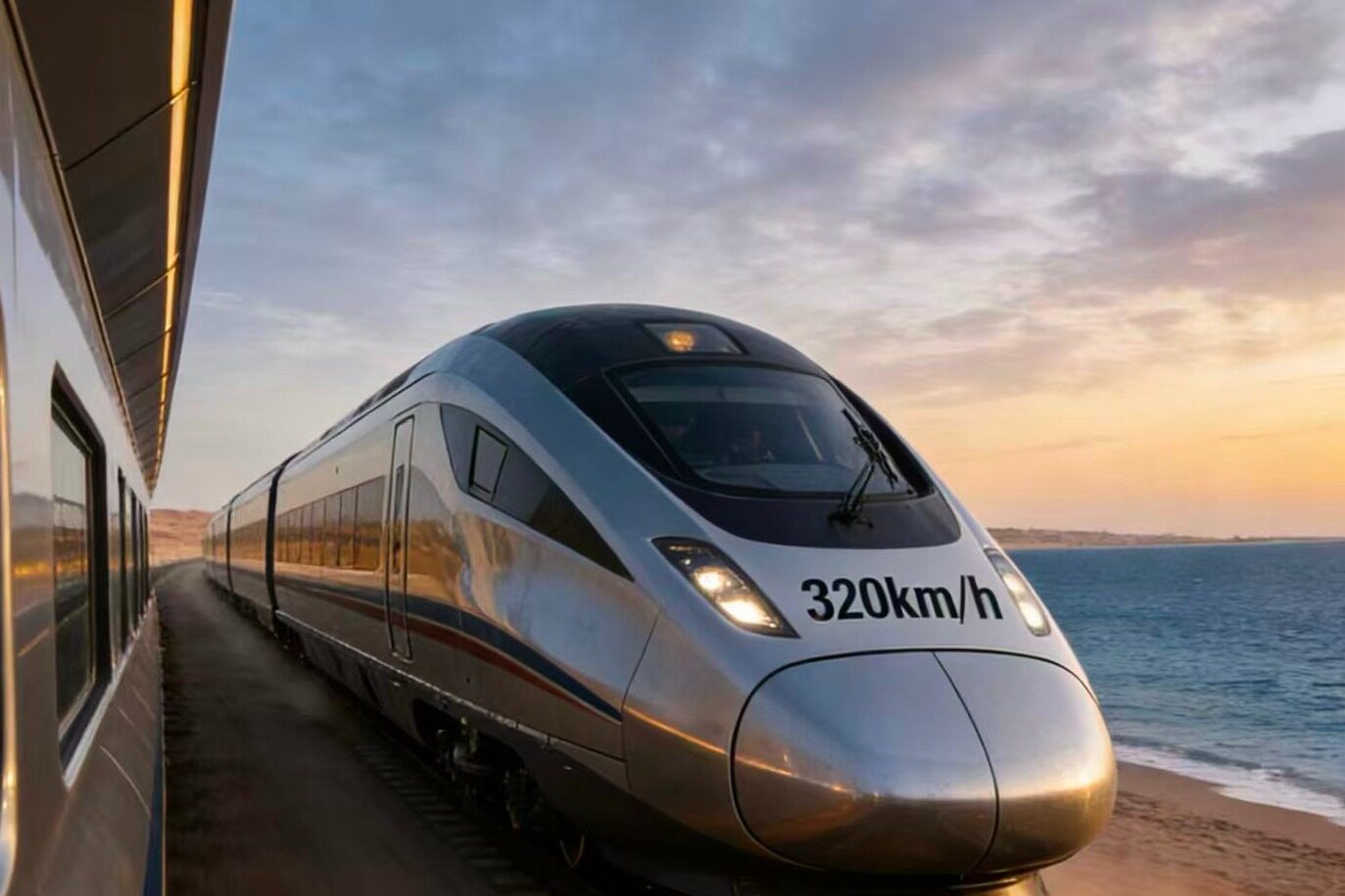
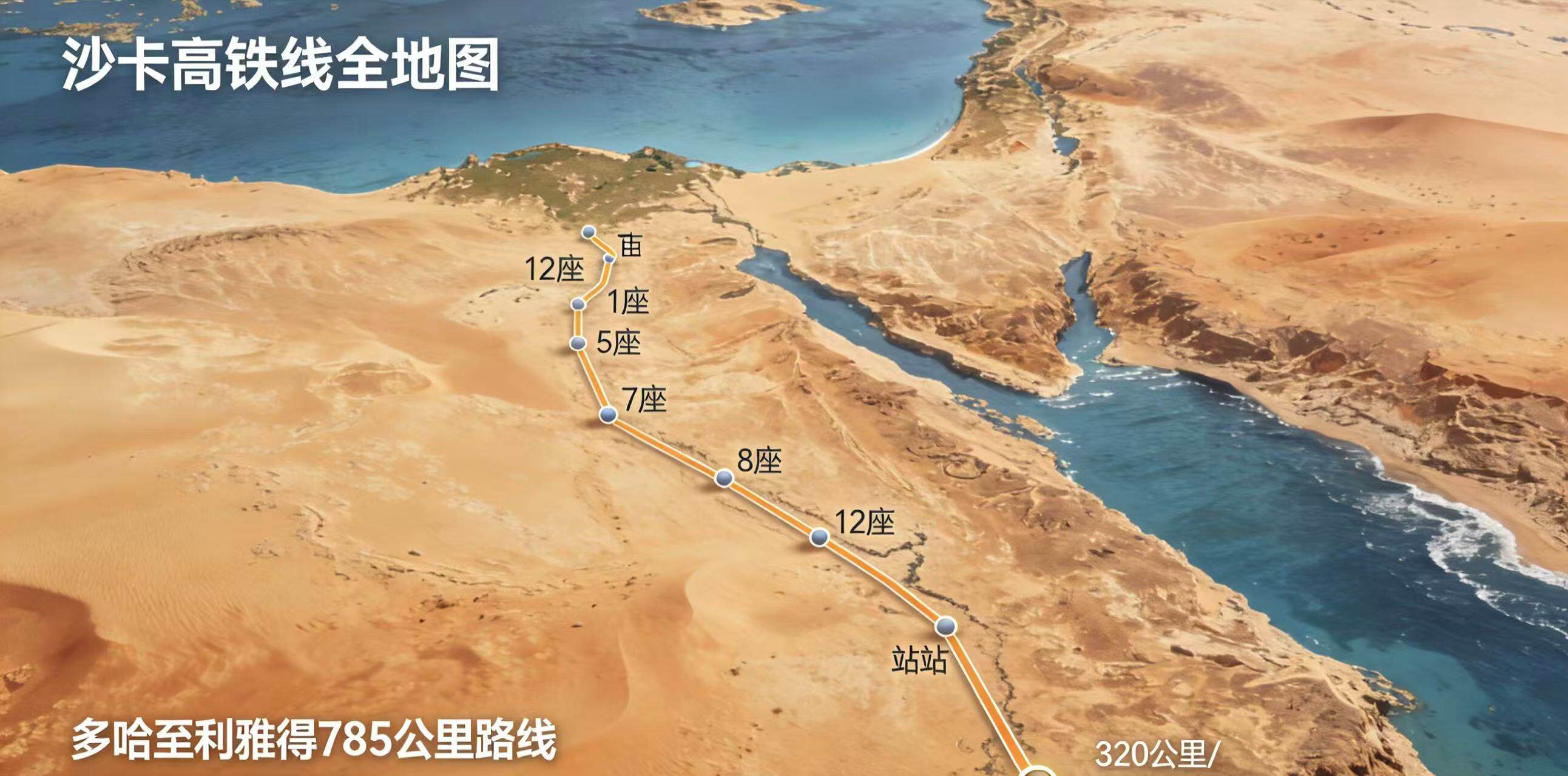
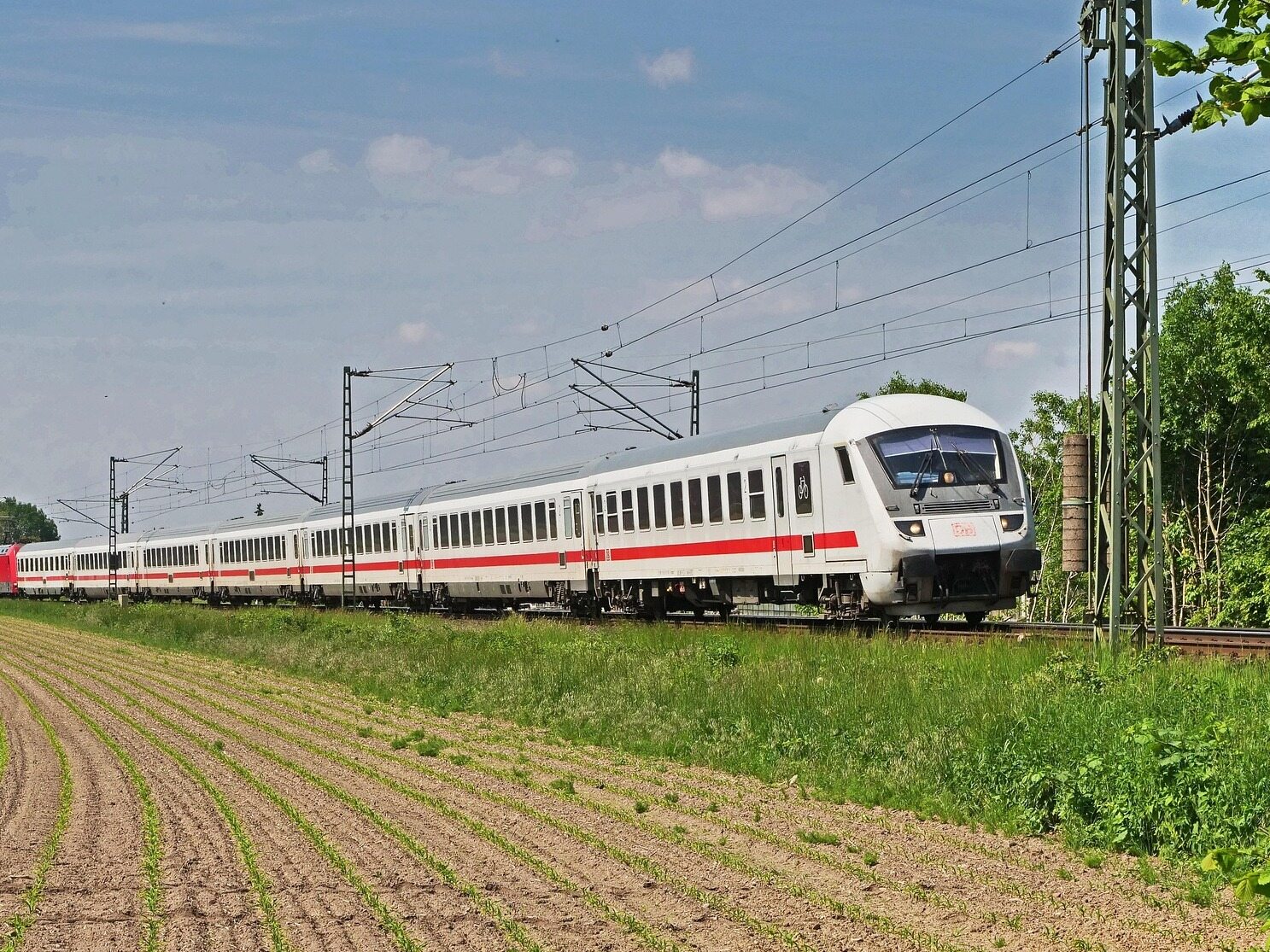
This planned high-speed railway line starts from Doha, the capital of Qatar, in the north, crosses deserts and oases along the Persian Gulf coast in the south, and finally connects to the railway hub in Riyadh, the capital of Saudi Arabia. The entire line has 12 stations and is designed to reach a speed of 320 kilometers per hour. After completion, the travel time between the two places will be shortened from the current 8 hours or more to about 2 hours.
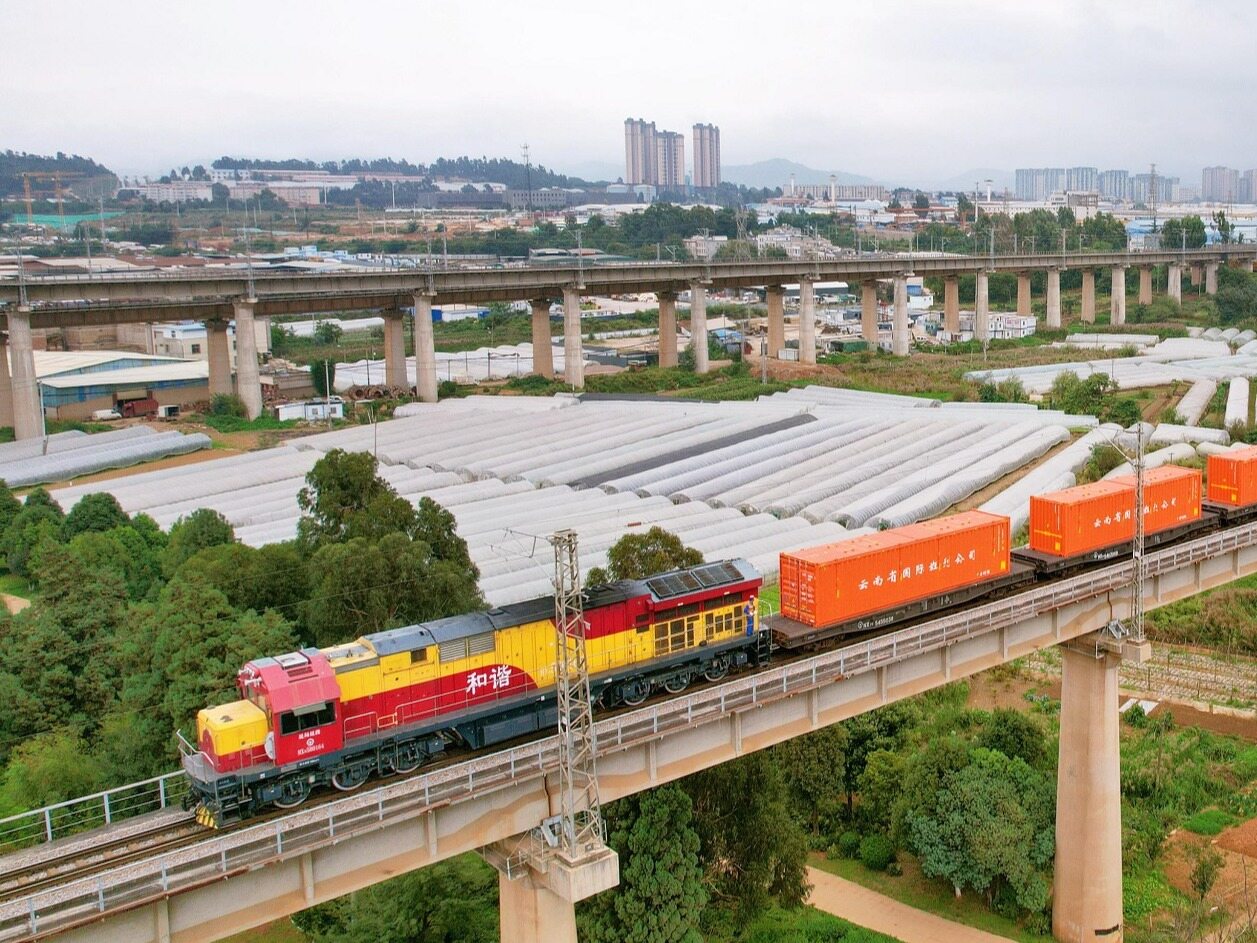
Faced with the harsh natural environment of high temperatures, sandstorms, and salt spray in the Arabian Peninsula, the technical breakthrough of the project has become the core difficulty. According to engineers involved in the planning, the line will use track materials that are resistant to wind and sand erosion and intelligent temperature control technology. The train body will also be equipped with a sand proof sealing system to ensure stable operation in extreme high temperature weather in summer. At the same time, in order to balance energy and ecological benefits, the stations along the line will be equipped with photovoltaic power supply systems to achieve full coverage of green energy. In addition to passenger transportation functions, the route will also reserve freight channels, which can help facilitate efficient interconnection between Qatar's liquefied natural gas and Saudi Arabia's petrochemical products in the future, further activating the energy trade network in the Gulf region.
Reshaping the New Link of Gulf Geoeconomy
If technological breakthroughs are the backbone of this high-speed railway, then geography and economic value are its soul. The diplomatic dispute several years ago caused a stagnation in economic and trade exchanges between the two countries, and hindered the flow of people. The landing of this cross-border high-speed railway is a crucial step in breaking the deadlock.
As an economic powerhouse in the Gulf region, Saudi Arabia has a vast market and a well-established industrial system; Qatar has gained a foothold in the global market through its energy industry and international influence. The completion of the high-speed railway will achieve complementary advantages in resources between the two countries - Saudi Arabia's agricultural and industrial products can quickly reach Qatar, and Qatar's energy products can also use Saudi Arabia's railway network to radiate throughout the Arabian Peninsula. In addition, the route will also connect the tourism resources along the route, from the desert cultural scenic spots in Saudi Arabia to the modern coastal cities in Qatar. A golden tourism route of "desert+coastal" is about to emerge, which is expected to attract over 5 million cross-border tourists every year. More importantly, this project will promote the interconnection of railway networks among Gulf Cooperation Council member countries, inject strong impetus into regional integration development, and make the story of "railway tracks as an alliance" a new model for cooperation and win-win outcomes among Gulf countries.

In the Arabian Peninsula, where deserts and oceans intertwine, this brewing steel artery not only carries the vision of cooperation between the two countries, but also outlines the future of the Gulf region from dispersion to aggregation. As the first high-speed train whizzes between the desert and the city, a new bay of interconnectivity and collaborative development is slowly unveiling its veil.Editor/Bian Wenjun
Comment

 Praise
 Collect
 Comment

 Share
Share


Write something~