 Search


- Verkor will supply Renault with 10 GWh of batteries annually, and this number will increase to 20 GWh by 2030
- Verkor has embarked on a path of "main force attack+diversified reserves". At present, ternary batteries are its core product, targeting the mid to high end electric vehicle market in Europe
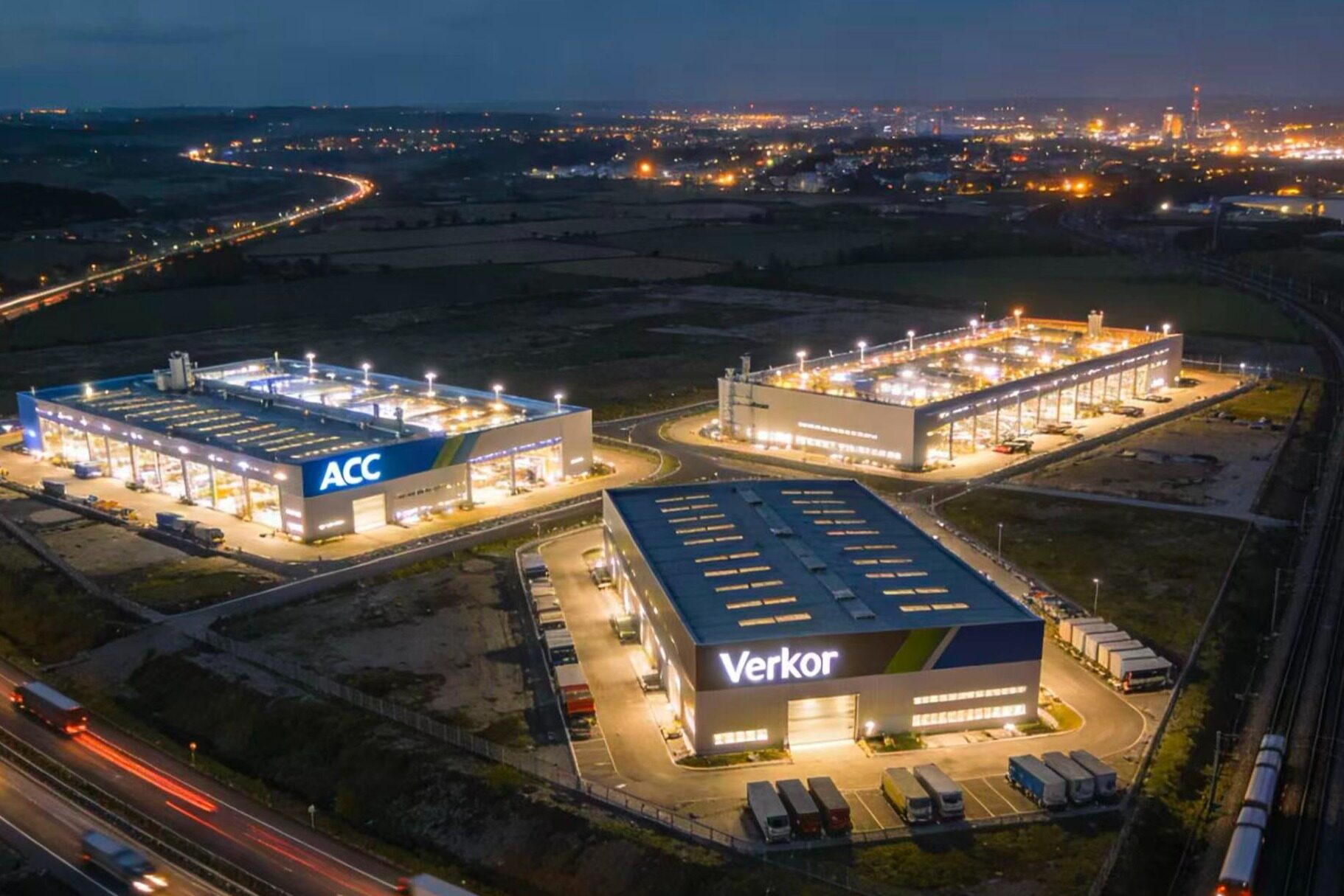
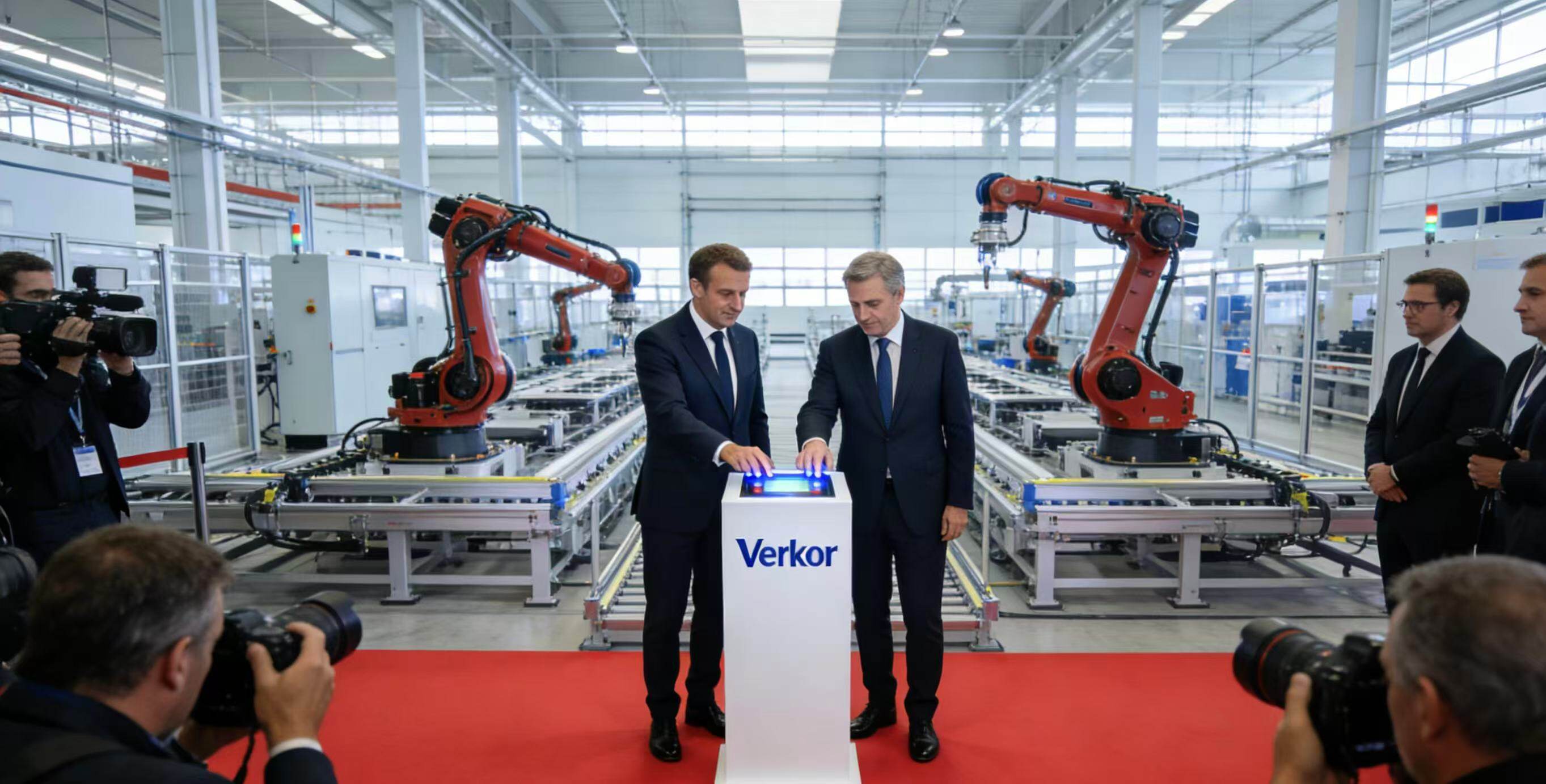
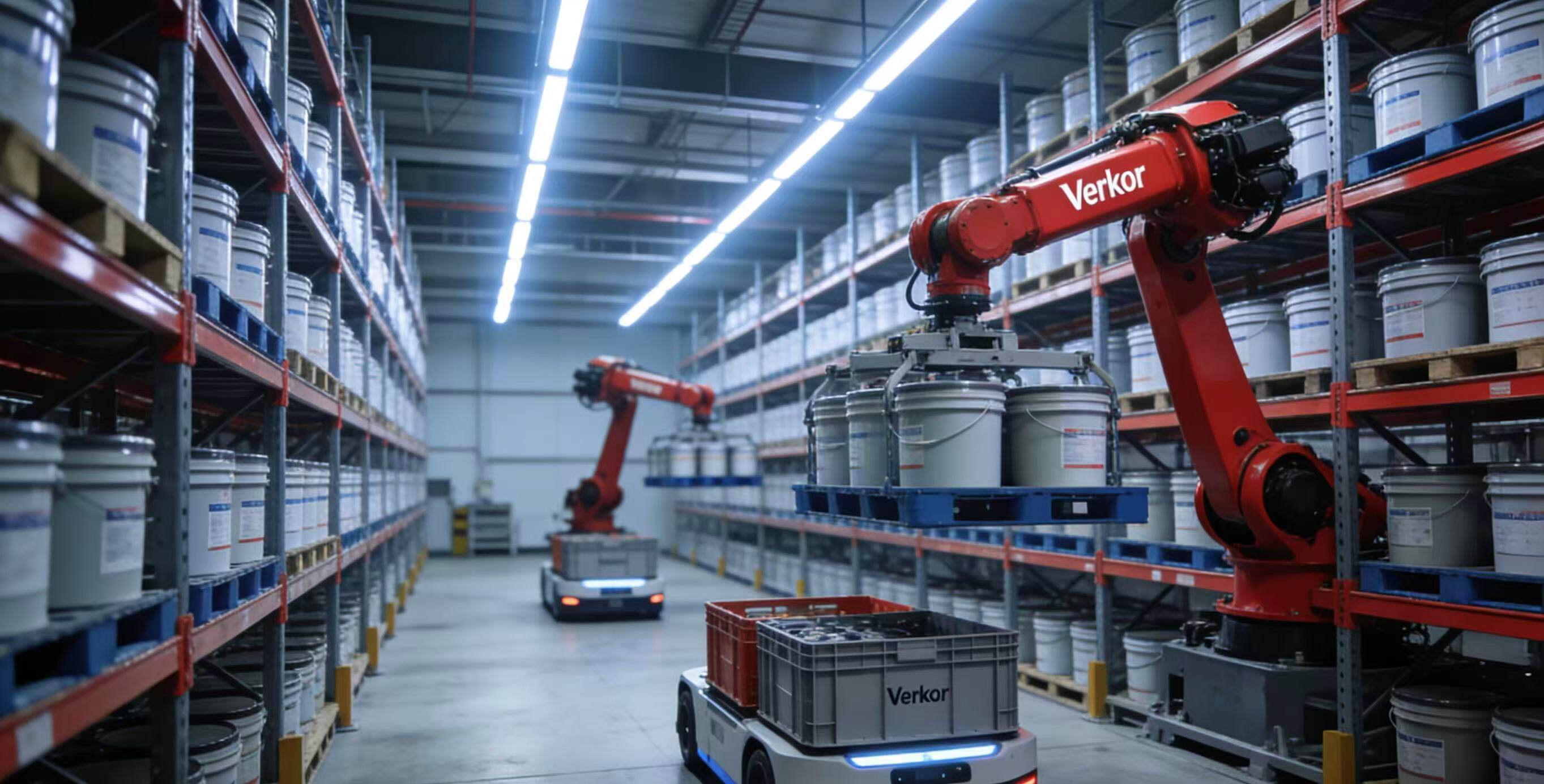
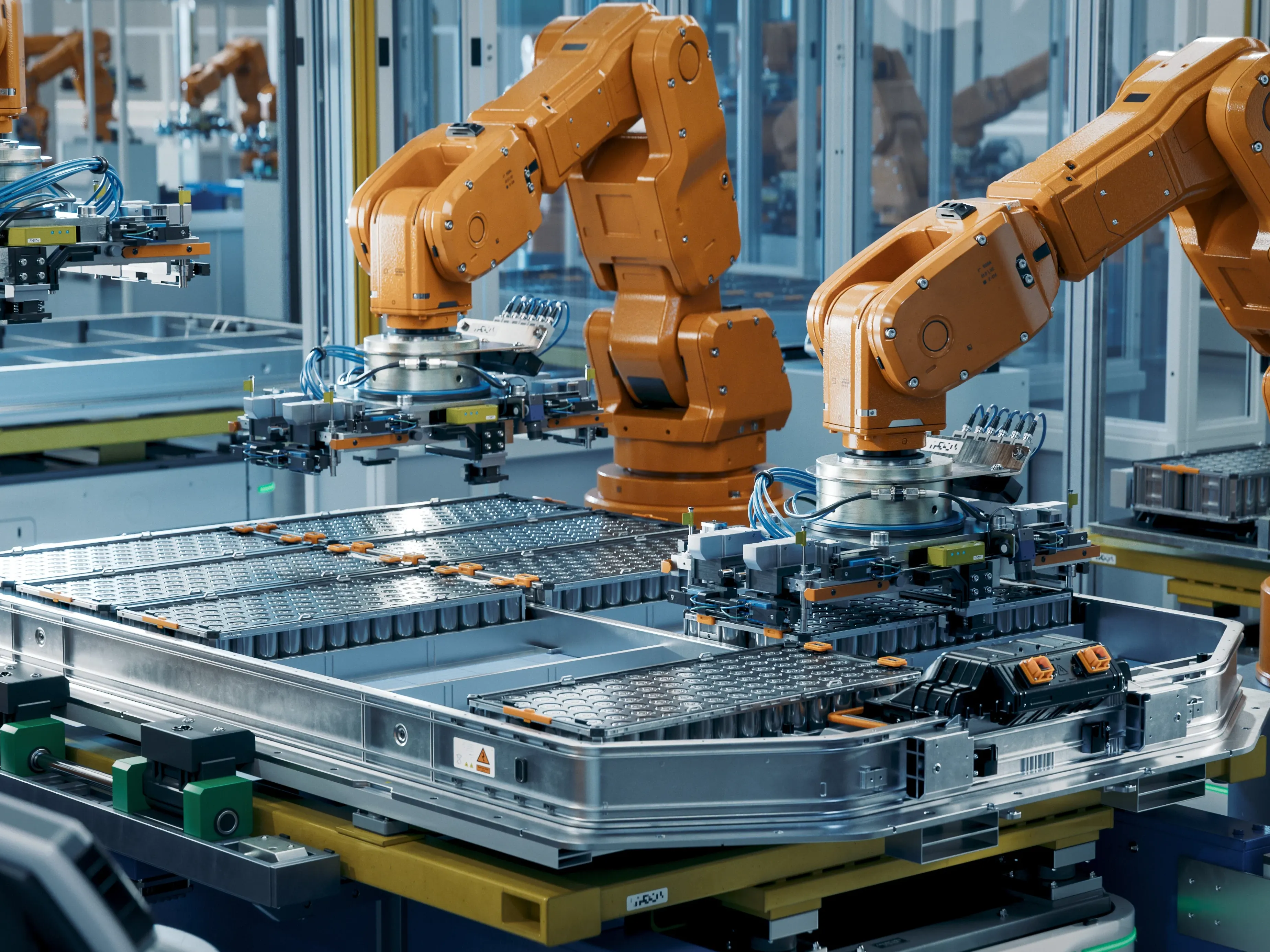
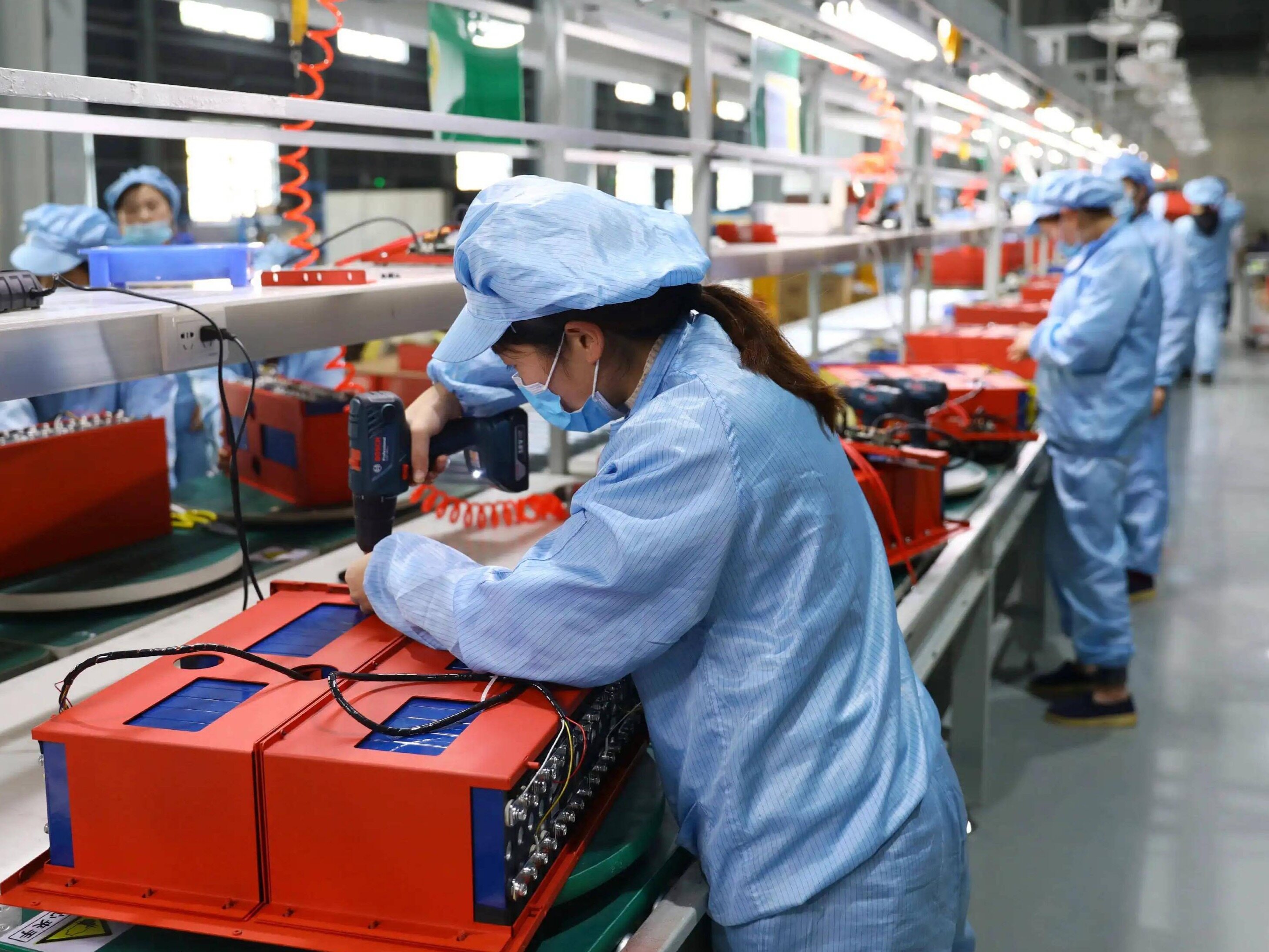
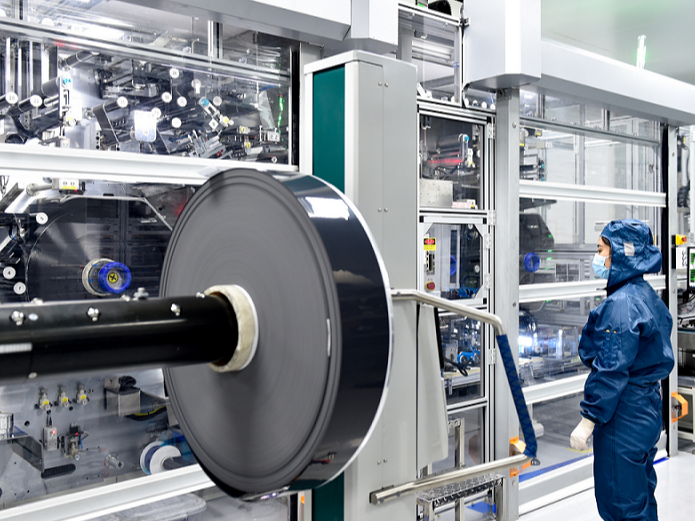
The mist in the Upper France region of northern France has not yet dissipated, and the low sound of robotic arms operating can already be heard in a modern factory area covering over 200000 square meters. As the French Minister of Economy pressed the start button, the red indicator light lit up one after another, and rolls of ternary lithium battery cells with the "Verkor" logo slowly rolled off the fully automated production line - this was the production time of Verkor's first super factory, and also the third heavyweight player welcomed to this land known as Europe's "battery valley".
The total investment is 1.5 billion euros (about 12 billion yuan), with an initial annual production capacity of 16GWh and a target of 50GWh by 2030. The landing of this factory not only enables ACC, Farview Power, and Verkor, the three giants, to form a tripartite situation in the "Battery Valley", but also carries the ambition of Europe to break away from the dependence on the Asian battery supply chain and build a closed loop of local new energy industry.
When the global power battery market was firmly dominated by Asian companies, players such as European innovative energy agency EIT InnoEnergy, Schneider Electric, IDEC Group, and others jointly gave birth to Verkor. This startup with "European heritage" has set its sights on the mid to high end power battery track from the beginning, and its shareholder lineup includes companies such as Kejie and Renault Group EQT Ventures、 Akoma and other industries and capital forces. Among them, Renault Group has become the core shareholder with a 10% stake and has established a deep symbiotic relationship with Verkor.
Starting from 2026, Verkor will supply Renault with 10GWh of batteries annually, and this number will increase to 20GWh by 2030. The products are mainly suitable for Renault C-Class and above models, as well as its high-performance brand Alpine. And the production of this super factory is the core carrier for the implementation of this agreement. Since its official launch in December 2025, Verkor has achieved the "European speed" in just two years. Behind it are the policy dividends of the EU's "Net Zero Industry Act" and the strong support of regional industrial chain coordination.
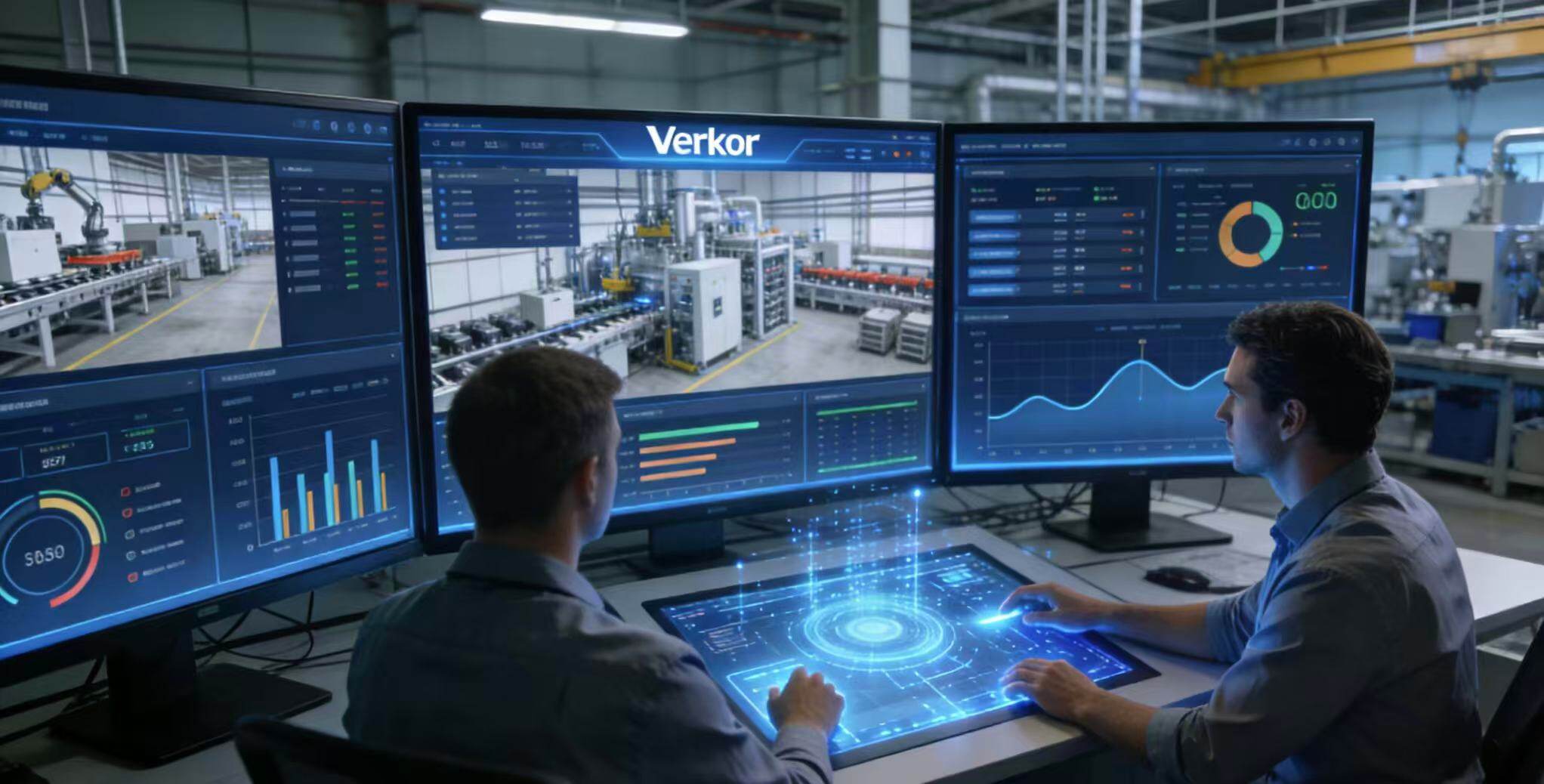
Entering Verkor's production workshop, intelligence and greenness are the most prominent labels. From the entry of raw materials into the factory to the exit of finished products, the entire process is monitored by AI systems, and the defect rate of battery cells is controlled at the top level in the industry; The battery recycling center built in conjunction with the factory adopts the "cascade utilization+material regeneration" technology, with a recovery rate of over 95% for key resources such as nickel, cobalt, and lithium, perfectly meeting Europe's stringent environmental standards. According to the plan, by early 2026, the first batch of battery units produced here will be installed on the Alpine A390 model, completing the leap from "factory" to "wheel"; By 2027, the factory will be able to meet the battery demand of approximately 300000 electric vehicles annually.
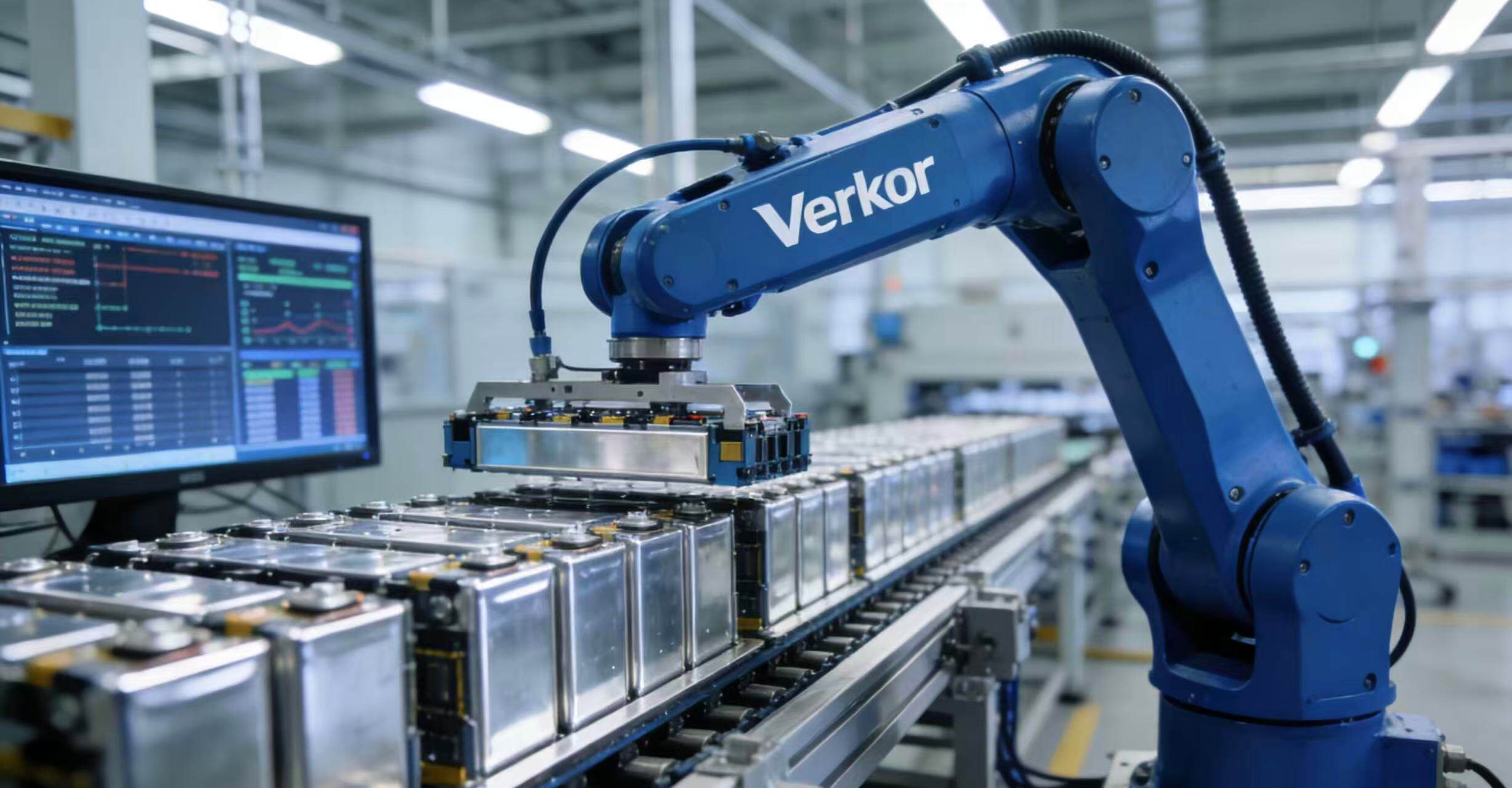
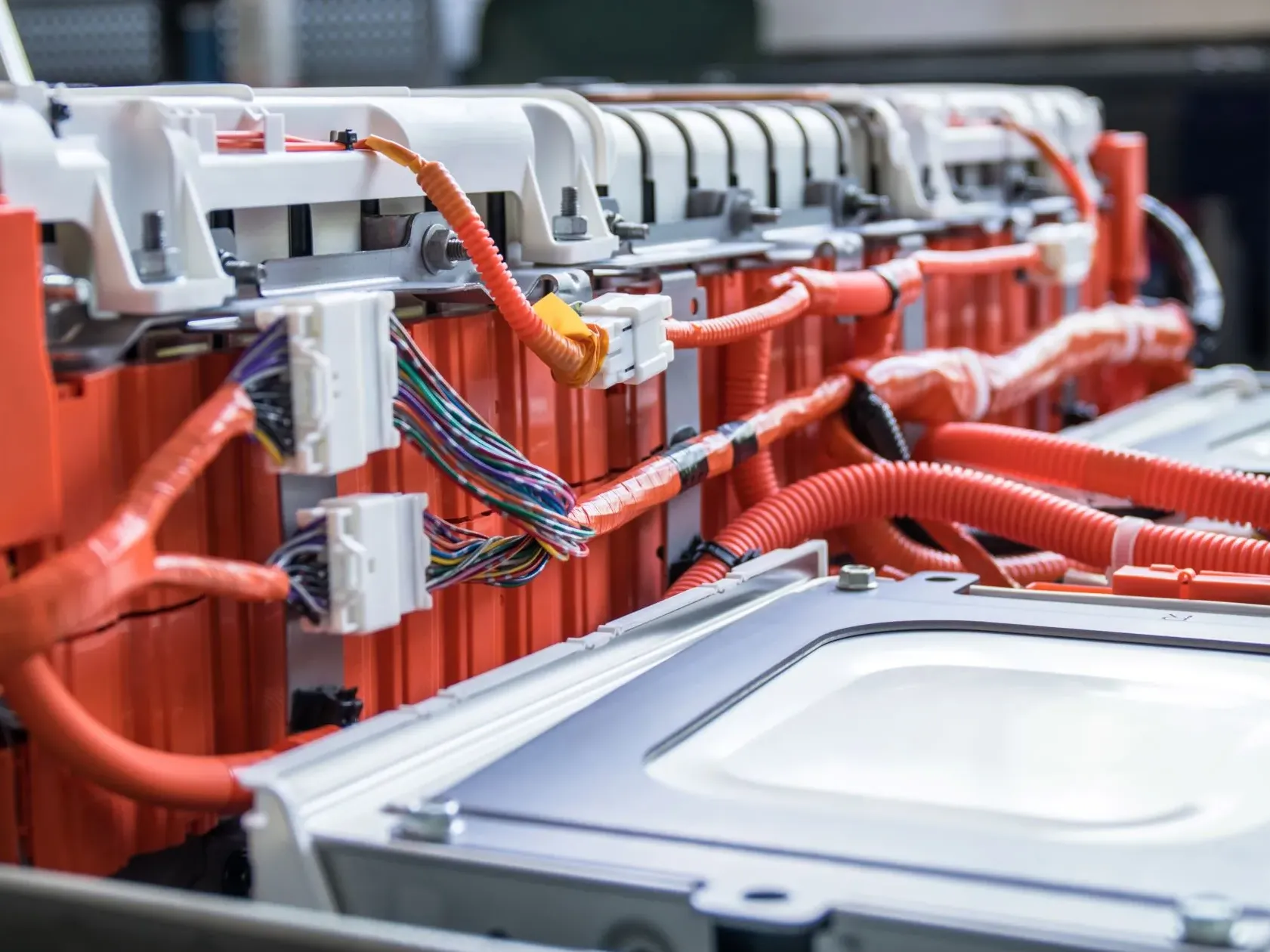
In terms of choosing the technological route, Verkor has embarked on a path of "main force attack+diversified reserves". At present, ternary batteries are its core product, targeting the mid to high end electric vehicle market in Europe; At the same time, the research and development of lithium iron phosphate and solid-state batteries are also being vigorously promoted, laying the groundwork for future technological iterations. Interestingly, its core partner Renault Group has adopted a "two legged" strategy in battery supply: on the one hand, it has partnered with Verkor to strengthen its domestic high-end supply chain, and on the other hand, through its electric vehicle subsidiary Ampere, it has reached cooperation with CATL Hungary and LG New Energy Poland factories to lock in the supply of lithium iron phosphate batteries - LG New Energy alone has promised to supply 39GWh battery packs by 2030. This dual track layout of "local+international" not only ensures supply chain security, but also achieves complementarity of different technological routes.
The commissioning of the Verkor factory has once again upgraded the industrial cluster effect of the "Battery Valley" in France. This region, which used to be supported by traditional manufacturing, has now gathered full chain enterprises such as battery production, raw material processing, and recycling, becoming the "core hinterland" of the European new energy industry. But behind the excitement, challenges also follow closely. Market analysis points out that local battery companies in Europe generally face the problem of high costs. Whether Verkor can quickly achieve economies of scale and dilute production costs during the capacity ramp up period will be the key to its foothold; The cost advantage of lithium iron phosphate batteries is becoming increasingly prominent, and the commercialization process of solid-state batteries is accelerating. It remains to be seen whether Verkor's technological reserves can keep up with the market pace.
From a broader perspective, the rise of Verkor is a microcosm of the process of self-reliance in the European new energy industry. Under the dual waves of global competition and green transformation, Europe is building its own battery industry chain through multiple means such as policy support, capital integration, and technology research and development. But this competition has never been done behind closed doors - Renault's choice to simultaneously lay out suppliers in Asia precisely confirms that "independence" does not mean "isolation".
When the first Verkor battery slowly leaves the production line, it is not only a milestone for the factory, but also a new starting point for the European new energy industry. In this race that concerns the future, the three pillars of the "Battery Valley" are only the first chapter of the European power battery story.Editor/Bian Wenjun
Comment

 Praise
 Collect
 Comment

 Share
Share


Write something~