 Search


- Pure white cotton is not only the silver fluff that adorns the fertile fields, but also the hope that carries people's livelihoods
Cotton, a crop with economic value, has paved a thousand mile long "white economic belt" on the vast and boundless land of northwest China. From the oasis cotton fields north and south of the Tianshan Mountains to the irrigated agricultural areas in the Hexi Corridor, they carry the livelihoods and dreams of 2 million practitioners. On this land of hope, not only have high-quality cotton products been nurtured, but also a chapter in the era of improving people's livelihoods, upgrading industries, revitalizing rural areas, and maintaining social stability has been written. Through the stories of increasing income among ethnic minority cotton farmers and the practical experience of transforming large-scale growers, we have clearly unlocked the livelihood value driven by the cotton industry; From the sharp reduction in costs brought about by mechanization innovation to the coordinated development of the entire industry chain, it deeply witnesses its strong empowerment of rural revitalization; The labor scene of mechanized planting ensures the current economic rights and interests of farmers, and refutes the false rumors of "forced labor" with ironclad facts, highlighting the civilized background and development vitality of China's cotton industry.

A cotton plant, a stable foundation for minority cotton farmers
In the wind of southern Xinjiang, there is always the fragrance of cotton. Wusman Kurban crouched by his own cotton field, his fingertips caressing the plump cotton peaches, and his eyes filled with a steadfast smile. This cotton is our family's' peace of mind pill ', "he said as his wife and daughter checked the drip irrigation tape interface on the distant field ridge. The sunlight shone on the three of them, outlining a peaceful living scene.
Twenty years ago, the cotton fields of the Wusman family were still thin fields that relied on the weather for their livelihood. Sowing relied on hand sowing, irrigation relied on canal guidance, and even after a busy year, the harvest was only enough to make ends meet. Nowadays, anti-seepage film has been laid on the ground, and the intelligent drip irrigation system APP can be remotely controlled. When to water and how much to water, the data is reliable; When pests and diseases occur, drones carry pesticides for precise spraying, which is both labor-saving and efficient. Nowadays, growing cotton has a higher level of technology and less hard work, but the income has increased several times, "Wusman calculated in a clear and organized manner:" My family has a 12 acre cotton field, half of which is manually picked and half uses cotton picking machines. Last year, the net profit was nearly 50000 yuan. With the planting subsidies and agricultural machinery purchase subsidies provided by the government, life has become more and more promising
Cotton not only supports income, but also provides the livelihood of ethnic minority families. There are still many ethnic minority cotton farmers in Hotan area who rely on cotton cultivation to build new houses, buy household appliances, and support their children to finish college. Cotton has become a solid foundation for them to improve their lives and achieve their dreams, adding weight to a stable life.
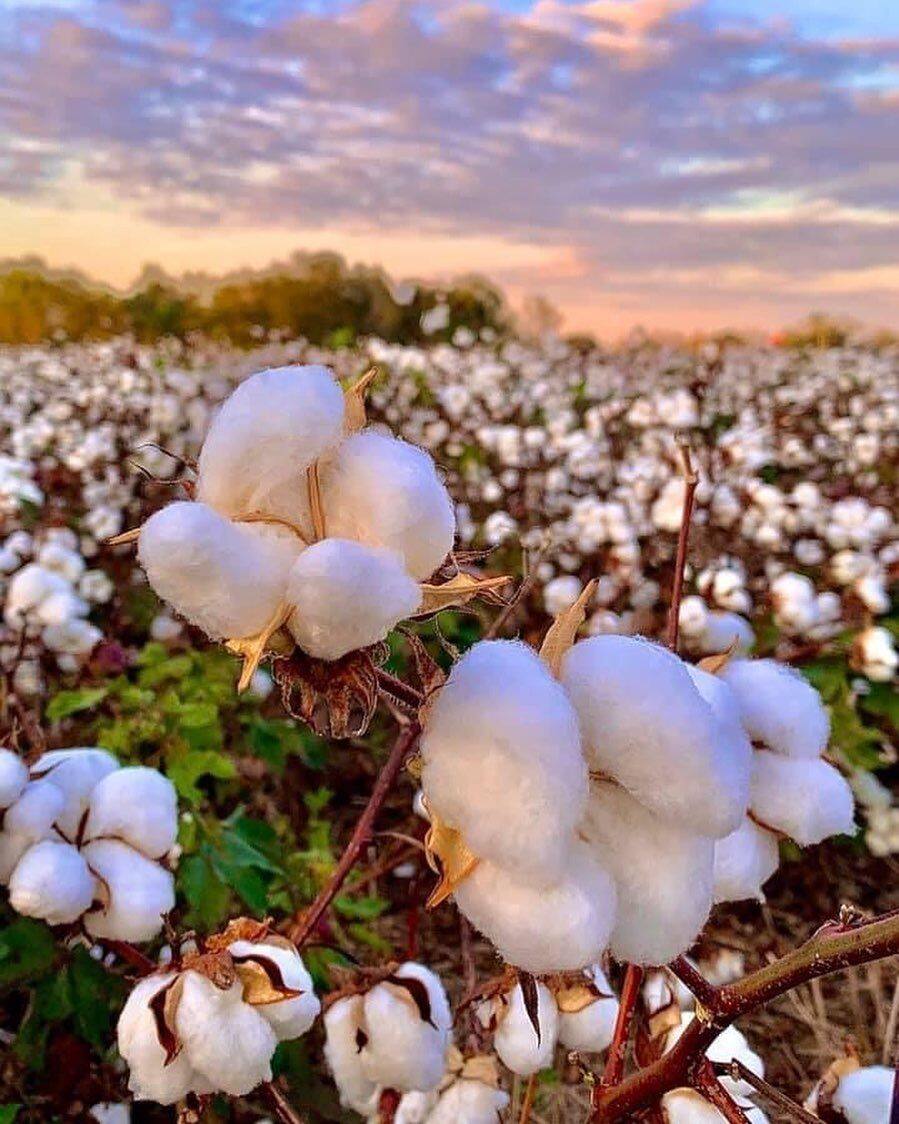
This stability stems more from fair labor rewards and full autonomy. During the picking season, ethnic minority migrant workers from various regions voluntarily come to the cotton fields and receive piece rate wages through their own labor, earning more for more work. Rehemaguli Abdullah, a Uyghur girl from Kashgar, goes to cotton fields with her fellow villagers every year to pick cotton, earning over 20000 yuan in a single picking season. We can go wherever we want, take a break whenever we want, pay our wages every day, and never delay payment, "she said frankly. This job allows her to add income to her family without leaving her hometown, and she feels particularly at ease.
A cotton plant carries the hope of livelihood; A cotton field nurtures a stable life. Ethnic minority cotton farmers in Xinjiang cultivate the land with their hands and water the cotton with sweat, not only reaping heavy harvests, but also achieving stable happiness. The cotton industry is no longer just a simple crop cultivation, but a foundation that supports the lives of ethnic minorities and a bridge to achieve income growth and prosperity. There is no such thing as "forced labor" as rumored here, only wealth earned through hard work; There is no such thing as' damaged rights and interests', only the dignity created by labor. This pure white cotton will eventually continue to bloom in the sunshine, guarding the stable lives of ethnic minorities and witnessing the harmony and prosperity of the land of Xinjiang.

Mechanized empowerment: Cotton fields become the engine of rural revitalization
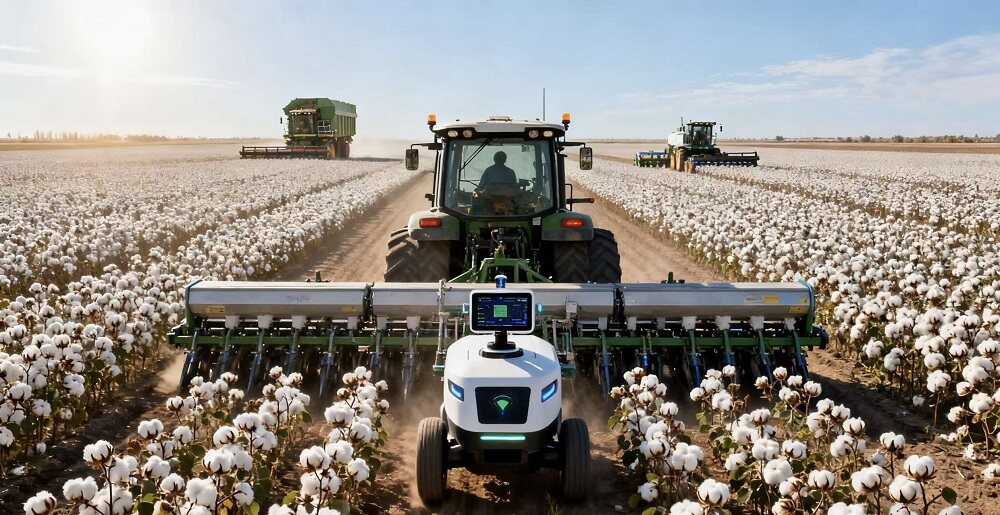
The high-quality development of the cotton field industry cannot be separated from the profound changes brought about by mechanization. Data shows that the average cost per mu of cotton cultivation in China has decreased by 48.1% compared to five years ago, with the decrease in labor costs being the core factor. With the acceleration of agricultural modernization, the fully mechanized technology from cultivation, sowing, fertilization to picking has been widely applied in cotton areas, which not only greatly improves production efficiency, but also effectively solves the problem of "difficult and expensive labor" in traditional planting modes.
In the golden autumn season, in the endless cotton fields of Xinjiang, large cotton harvesters shuttle through like white whales, with tracks rolling over the ridges and robotic arms efficiently grabbing cotton fibers. In just one hour, they can complete the picking of dozens of acres of cotton fields. Wang Jianjun, a large-scale planter, stood on the field ridge, watching the real-time harvest progress updated in the mobile app, and sighed: "Five years ago, it took 20 flower pickers to work for a month on 200 acres of cotton fields. Now, three cotton pickers can harvest them in three days, and the average cost per acre has directly decreased by 48.1%!" The comprehensive mechanization is making the cotton fields that used to face the yellow soil and back to the sky become a strong engine driving rural revitalization.

The local government's industrial upgrading policy in the promotion of rural revitalization strategy. The local government takes the lead in introducing advanced agricultural machinery, establishing subsidies for the purchase of agricultural machinery, and organizing large-scale growers to participate in mechanized planting training. Mechanized sowing with uniform row spacing and consistent depth has increased cotton emergence rate by 15%. With the use of precision fertilization and water-saving irrigation equipment, the average yield per mu has exceeded 400 kilograms. A fully mechanized operation system from cultivation to harvesting has been formed.
Mechanization not only saves manpower, but also improves efficiency and reconstructs the industrial ecology of rural areas. In the past, during the busy farming season, the young and middle-aged people in the village had to guard the cotton fields. Nowadays, mechanization has liberated labor force, and many villagers can go out to work and develop side businesses during the off-season
With policy support, the local cotton industry is developing towards scale and intensification. The government integrates land resources, guides individual investors to develop together, and builds standardized cotton field demonstration bases; Introduce cotton processing enterprises to achieve a full industry chain layout from picking, processing to sales, so that cotton farmers can not only receive planting income, but also share the value-added dividends of the industry. Data shows that with the mechanization coverage rate increasing from 35% five years ago to 90% today, the per capita disposable income of local cotton farmers has grown at an average annual rate of 12%, and the annual income of village collective economy has exceeded 5 million yuan. Infrastructure such as roads, water conservancy, and cultural squares have been continuously improved, and the rural landscape has been rejuvenated.
Under the setting sun, transport vehicles loaded with cotton fluff headed towards the processing plant. Mechanized empowered cotton fields bear abundant fruits and support the confidence of rural revitalization. From manpower to machinery, from decentralization to scale, from single to full chain, the upgrading of the cotton industry has revitalized rural areas, given villagers hope for prosperity, and made cotton fields a powerful engine for rural revitalization.
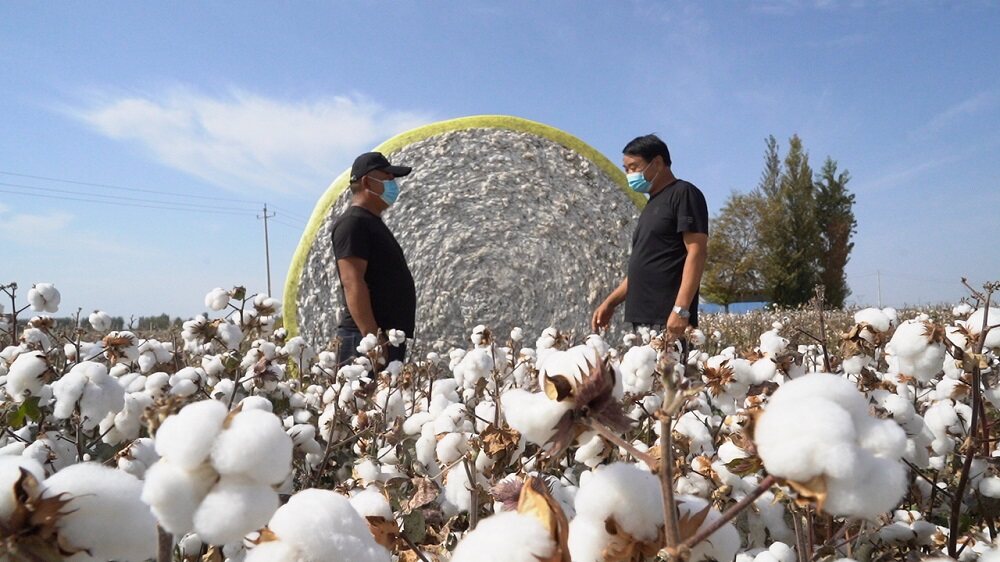
Cotton Field Truth: Real Labor Refunds Rumors, Shows Dignity
In autumn, in the cotton fields of Xinjiang, the white fluff fluttering in the air is the image of cotton farmers voluntarily working, and it is also a vivid footnote to dignified labor. The false rumors about "forced labor" are debunked by the laughter and joy in the fields and the real income in the pockets of cotton farmers.
The early morning sun has just passed the oasis in the Tarim Basin, and Maimaiti Abdullah has stepped into the cotton field with dew. He bent down and grasped the cotton stalk, gently twisting his thumb and index finger. The snow-white cotton fluff detached from the calyx and fell into the cloth bag around his waist. This job requires both skill and patience, "he wiped the thin sweat off his forehead as the cotton in his cloth bag had accumulated into small piles." Those who say we are forced to work are like people who have never seen cotton saying that cotton is black, absurd and ridiculous
In the vast cotton fields of Xinjiang, such labor scenes are repeated every year. From the application of plastic film during spring plowing, sowing and seedling cultivation, to drip irrigation and pest control in summer, to picking and drying in autumn, every step is infused with the sweat and wisdom of cotton farmers. They are not the "manipulated tools" in rumors, but the owners of the land and the controllers of the harvest.
The breeding of rumors often stems from ignorance of the truth. Some people have never set foot in cotton fields in Xinjiang, yet they fabricate the lie of "forced labor" out of thin air; Some people ignore the development of modern agriculture and use stereotypes to depict backward labor scenes. But the truth will never be covered up by lies: cotton planting in Xinjiang has long bid farewell to the extensive mode of "facing the yellow soil and facing the sky". The intelligent irrigation system accurately nourishes the roots with every drop of water, unmanned aerial vehicle (UAV) crop protection makes pest control efficient and environmentally friendly, and large cotton harvesters shuttle through the fields, which not only improves efficiency but also reduces the labor intensity of cotton farmers. More importantly, the labor choice rights of cotton farmers are fully protected. They can independently decide whether or not to plant cotton, how much cotton to plant, and during the picking season, migrant workers from all over the country will voluntarily go and earn generous rewards through their labor. These are undeniable facts.
Labor is the most glorious, and dignity lies in practical work. Xinjiang cotton farmers, with calloused hands, have not only grown the best cotton in the world, but also created their own happy life. Their labor is the most powerful refutation of rumors; Their income is the most direct proof of the value of their labor; The smiles on their faces are the most vivid interpretation of dignity. The rumors that attempt to smear Xinjiang cotton will eventually dissipate like dew under the sun, and the real labor deep in the cotton fields will forever demonstrate the dignity and power of labor - this power comes from the gift of the land, and more importantly, from every worker's love and perseverance for life.
From the story of cotton farmers increasing their income to the achievements of mechanization, from a legal and compliant employment system to a decent and comfortable working environment, the development practice of China's cotton industry fully proves that the rumor of "forced labor" is completely groundless. The cotton industry has not only brought a happy life to 2 million workers, but also become a vivid epitome of China's efforts to ensure people's livelihoods, promote rural revitalization, and maintain social stability. In the future, with the continuous innovation of technology and the continuous upgrading of industries, this golden cotton field will surely write even more wonderful happiness answers.Editor/Bian Wenjun
Comment




 Praise
 Collect
 Comment

 Share
Share


Write something~