 Search


- Expected annual power generation exceeds 2 billion kilowatt hours, meeting the electricity needs of approximately 300000 households
- This combination of "new energy+energy storage" is becoming the "golden key" for African countries to solve the problems of energy shortage and grid vulnerability
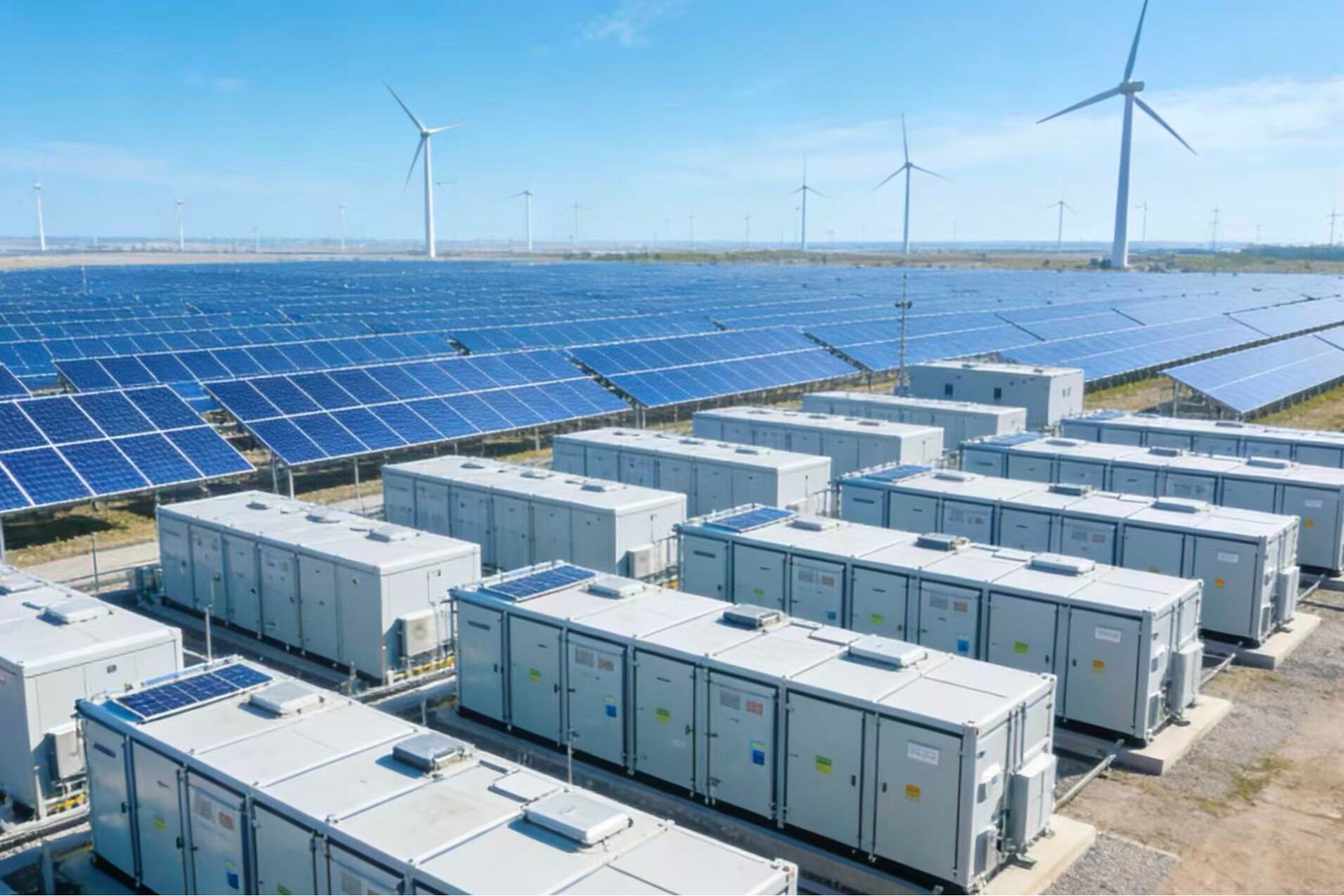
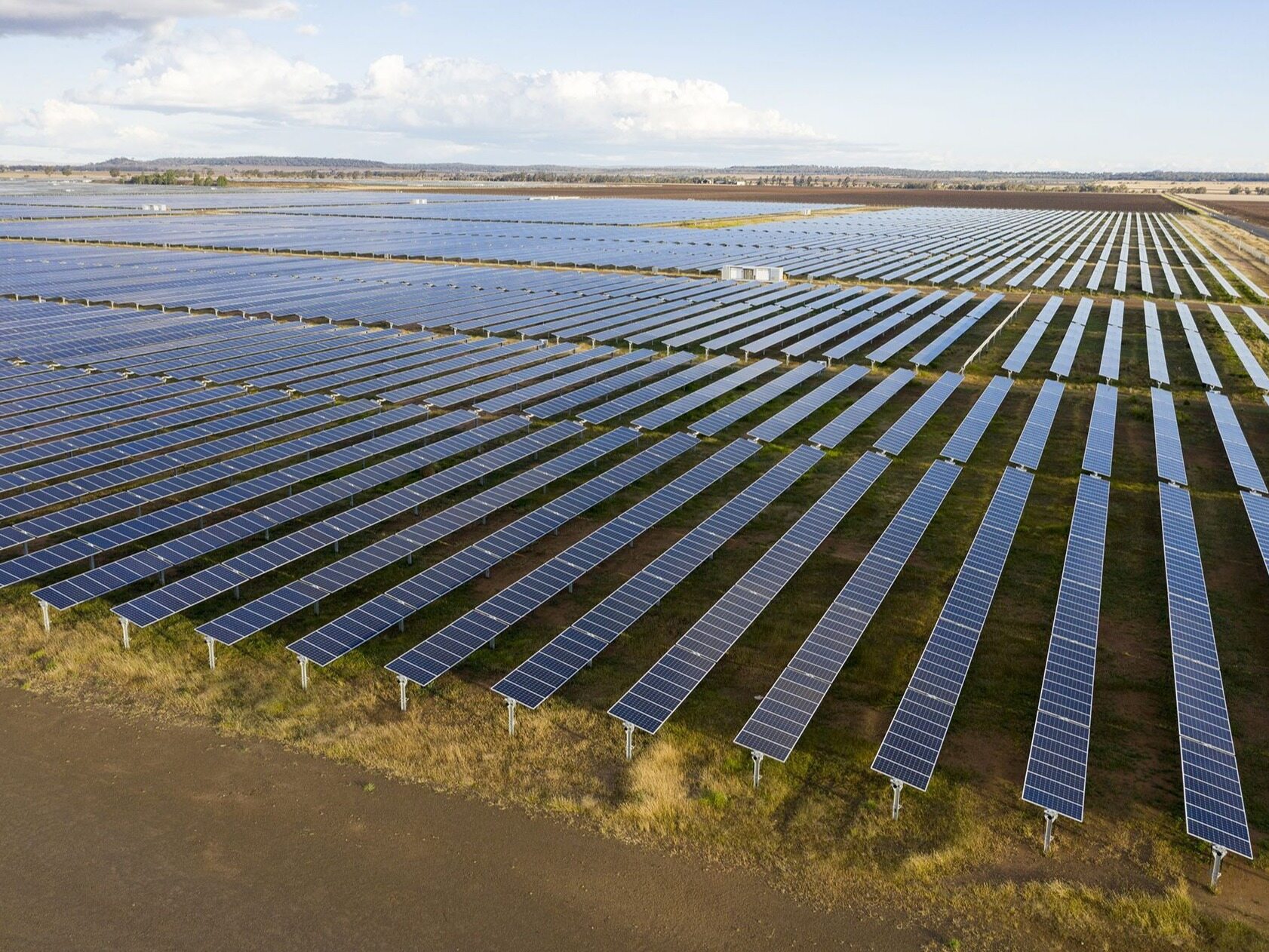
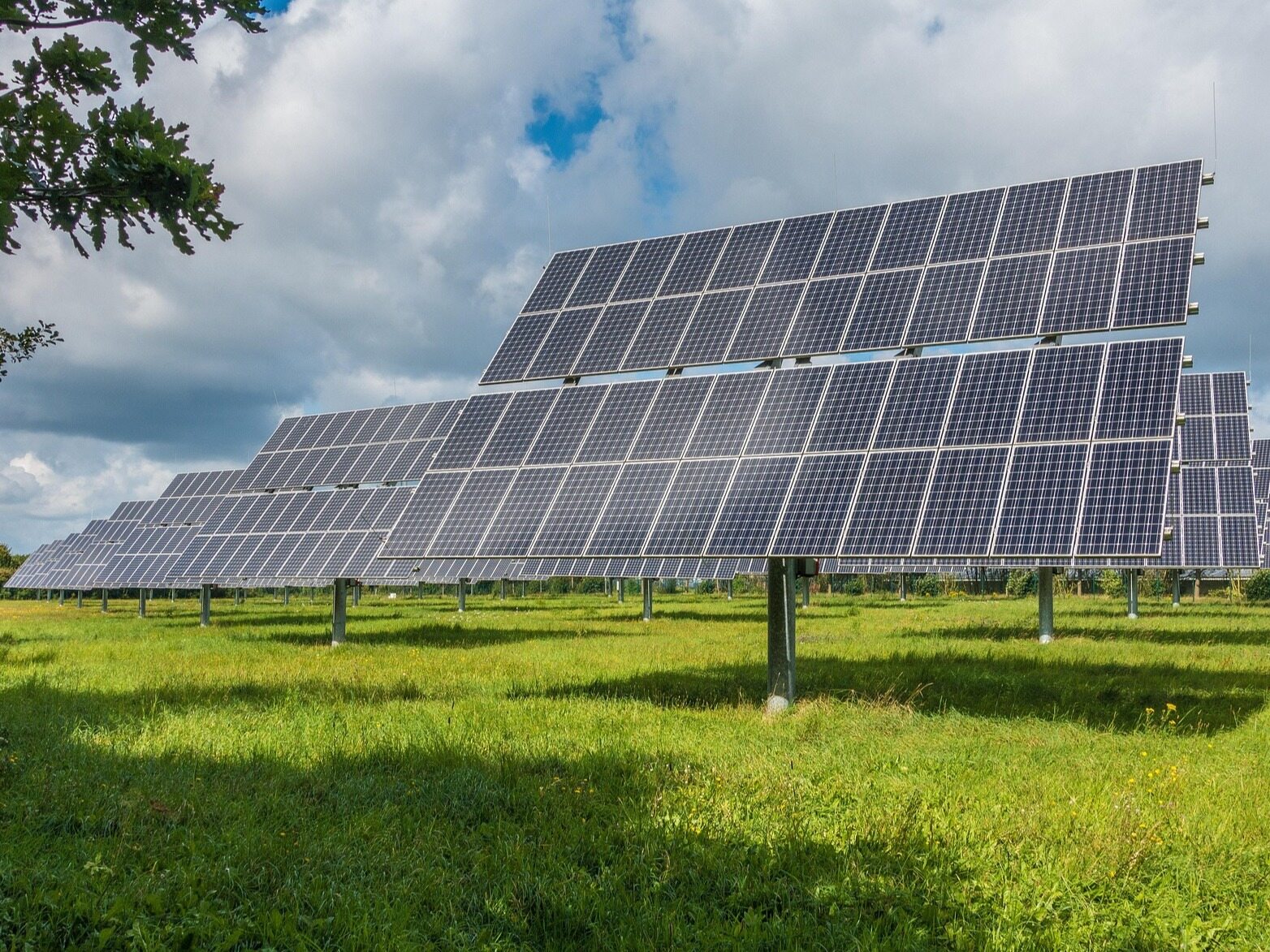
In the desert hinterland of Aswan Province in southern Egypt, an energy revolution is quietly unfolding, led by a joint effort of Chinese and Japanese companies and supported by international financial giants. The International Finance Corporation (IFC) recently announced that it will lead $571.8 million in debt financing for the Abydos II project, supporting the construction of a 1000 megawatt photovoltaic power station and a 600 megawatt hour battery energy storage system. This mega project, with a total investment of over 1 billion US dollars, is not only Egypt's largest integrated solar energy project to date, but also injects strong impetus into Africa's clean energy transformation through the innovative model of "South South cooperation+international financing".
Building a benchmark for North African solar energy storage
As the core investor of the project, the cooperation between AMEA Power, a renewable energy developer in the United Arab Emirates, and Kyuden International, a Japanese company, has attracted much attention. This is the first time Kyushu Electric Power has entered the Egyptian market, bringing advanced grid stability technology and energy storage system integration experience that complement AMEA Power's localized operational advantages in North Africa. After completion, the project will become Egypt's first "new energy complex" integrating large-scale photovoltaic power generation and long-term energy storage. It is expected to generate over 2 billion kilowatt hours of electricity annually, meet the electricity needs of about 300000 households, and reduce 1.2 million tons of carbon dioxide emissions.
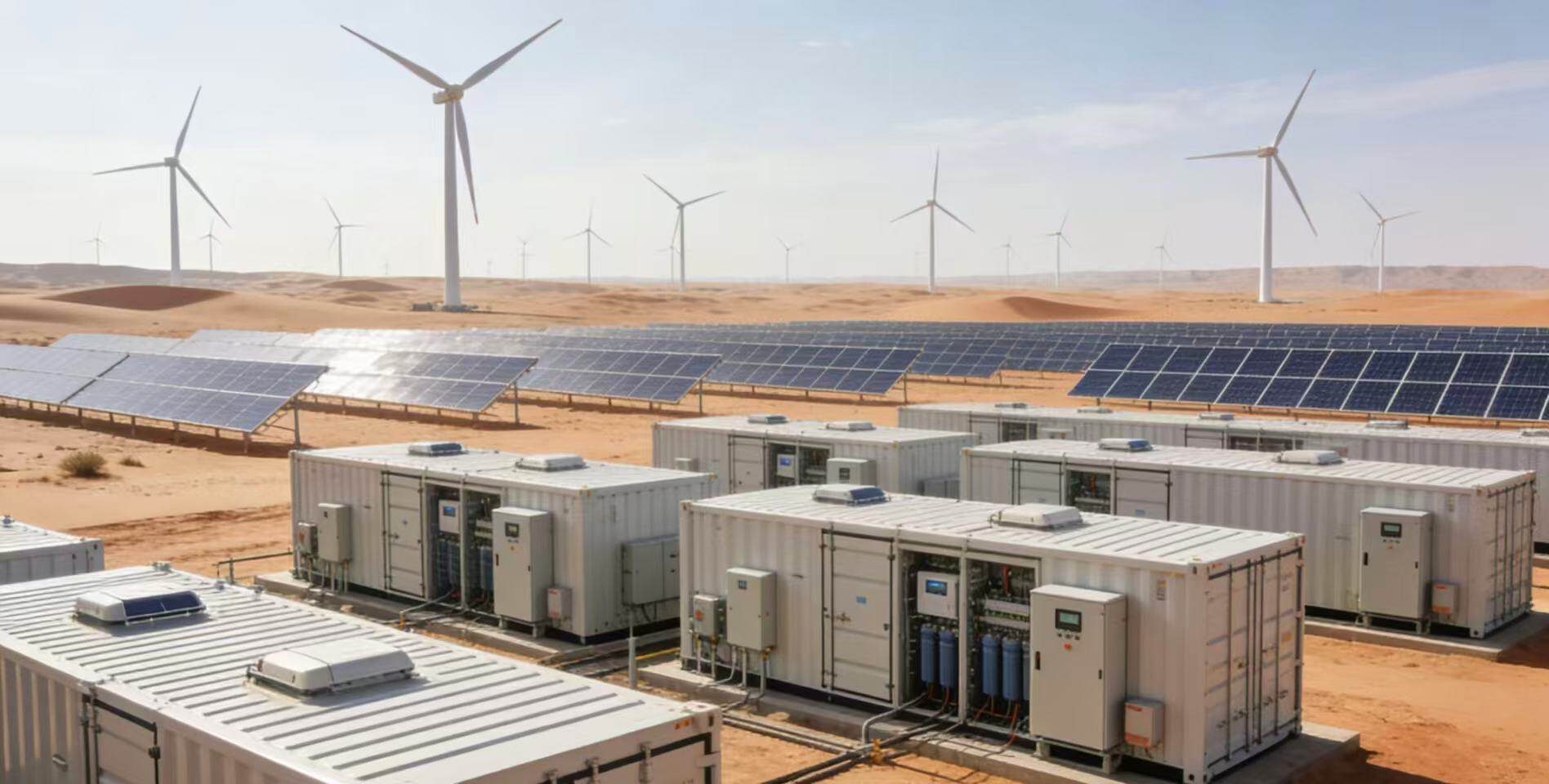
It is worth noting that the project adopts a flexible configuration scheme of "photovoltaic+energy storage", and the 600 megawatt hour energy storage system can quickly respond when there is insufficient light, stabilize the fluctuation of new energy generation, and improve the stability of the power grid. This combination of "new energy+energy storage" is becoming the "golden key" for African countries to solve the problems of energy shortage and grid vulnerability.
Innovative financing models attract attention
Behind the $571.8 million financing is a "luxury circle of friends" composed of top global financial institutions. In addition to IFC's direct investment of 83.5 million US dollars, six international institutions including the Italian Deposit and Loan Bank (CDP), the Dutch Enterprise Development Bank (FMO), and the German Investment and Development Corporation (DEG) jointly invested 465 million US dollars. The Climate Investment Fund and the Dutch government also provided 23.1 million US dollars in preferential loans. This mixed financing model of "commercial loans+preferential funds" not only reduces project financing costs, but also provides a model for private enterprises to participate in large-scale infrastructure projects in Africa through a multi-party risk sharing mechanism.
The Regional Director of IFC Middle East and North Africa stated, "This project is a model of South South cooperation, integrating the technological advantages of China and Japan with the capital strength of the United Arab Emirates through international financial instruments, bringing tangible green development opportunities to Egypt." In fact, this is the third cooperation between IFC and AMEA Power in Egypt. Previously, the two sides had jointly developed dual 500 MW photovoltaic and wind power projects, with a cumulative investment of over 1.5 billion US dollars.
Green Silicon Valley is about to emerge
The Egyptian government is vigorously promoting the "2035 Renewable Energy Strategy", aiming to increase the proportion of clean energy in the electricity structure to 42%. The landing of the Abidos Phase II project will not only help Egypt achieve this goal ahead of schedule, but also have the potential to attract more international investment. The project is located in Aswan Province, which is gradually becoming the "Green Silicon Valley" of North Africa due to its abundant solar energy resources and hydropower potential in the Nile River Basin.
The Minister of Electricity and Renewable Energy of Egypt stated that the project will provide electricity at one of the lowest clean energy prices in Egypt to date, significantly reducing Egypt's dependence on fossil fuels and creating over 2000 job opportunities. With the advancement of more and more similar projects, Egypt is transforming from an "energy importing country" to a "regional green power export hub", and may even transmit surplus electricity to Europe through cross-border power grids in the future.

Exploring the Energy Transition for Developing Countries
As a member of the World Bank Group, IFC's financing is not only a commercial investment, but also a strategic layout for promoting energy transformation in developing countries. Through a comprehensive service of "financing+technology+policy consulting", IFC has supported over 100 renewable energy projects worldwide, with a cumulative investment of over 20 billion US dollars. In Egypt, IFC not only provides funding, but also assists the government in improving renewable energy regulations, promoting grid infrastructure upgrades, and creating a favorable environment for private enterprises to participate in the energy market.
This "financial leverage+capacity building" model is being replicated in African countries such as Kenya and Morocco. Taking Kenya as an example, the 310 MW lake photovoltaic project supported by IFC has become the first unsubsidized photovoltaic power station in East Africa through an innovative "green bond+climate fund" financing structure. With the acceleration of the global energy transformation, IFC and other international institutions are becoming the "bridge" connecting the technological capital of developed countries and the energy demand of developing countries, contributing to the construction of the global energy Internet.
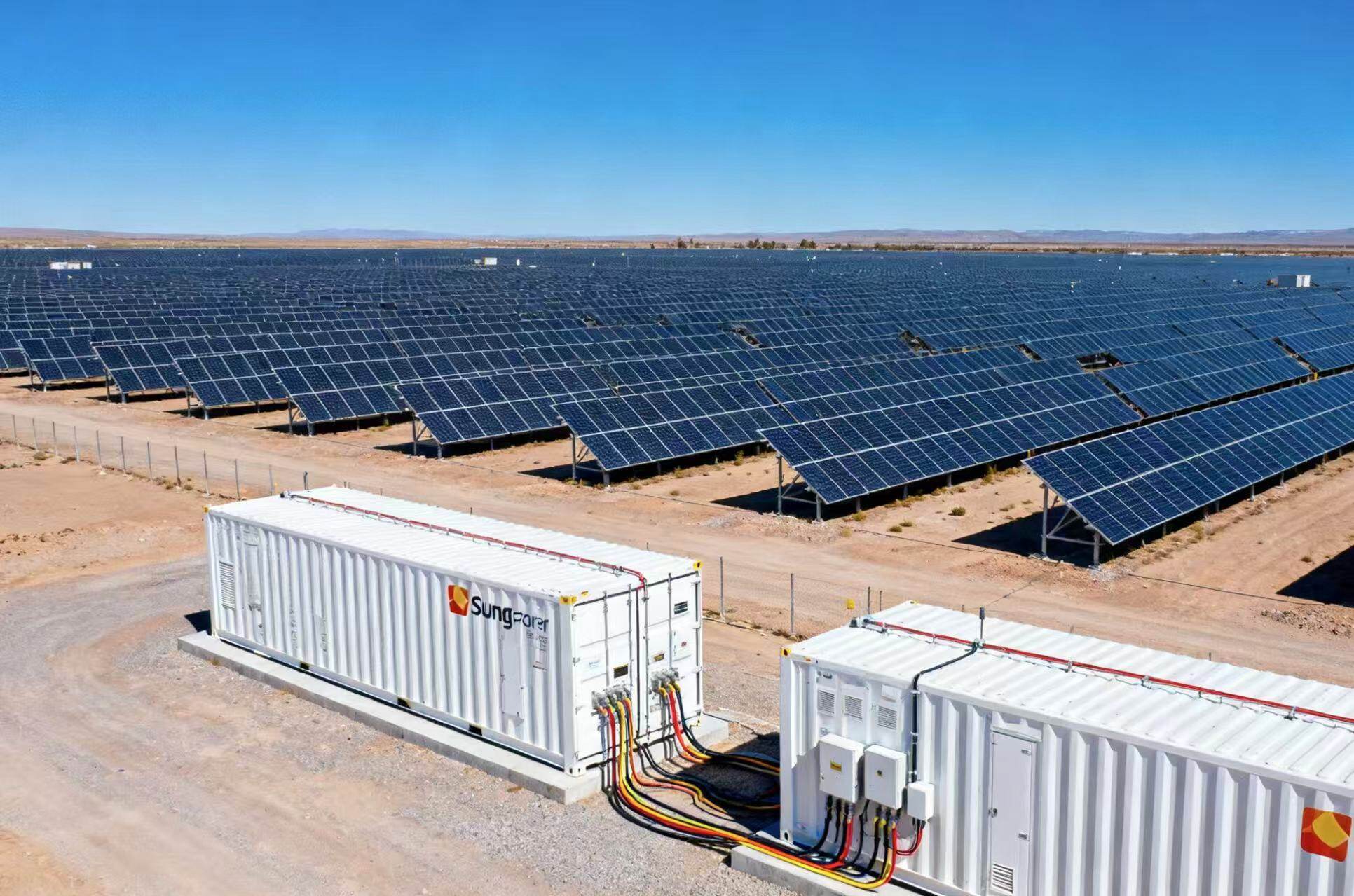
From photovoltaic panel arrays in the Egyptian desert to water solar complementary projects on the shores of Lake Kenya, an energy revolution driven by international capital and technology is spreading across the African continent. The landing of the Abidos Phase II project is not only a milestone in the cooperation between Chinese and Japanese enterprises, but also marks a new stage of "scale, intelligence, and marketization" in the development of clean energy in Africa. Driven by international institutions such as IFC, an increasing number of developing countries are forging a green and sustainable path towards energy development through innovative financing models.Editor/Bian Wenjun
Comment

 Praise
 Collect
 Comment

 Share
Share


Write something~