 Search


- Can this dormant 'energy giant' in North Africa successfully 'awaken' through this bold gamble
- The demand potential for petrochemical products is enormous. If Algeria can successfully transform
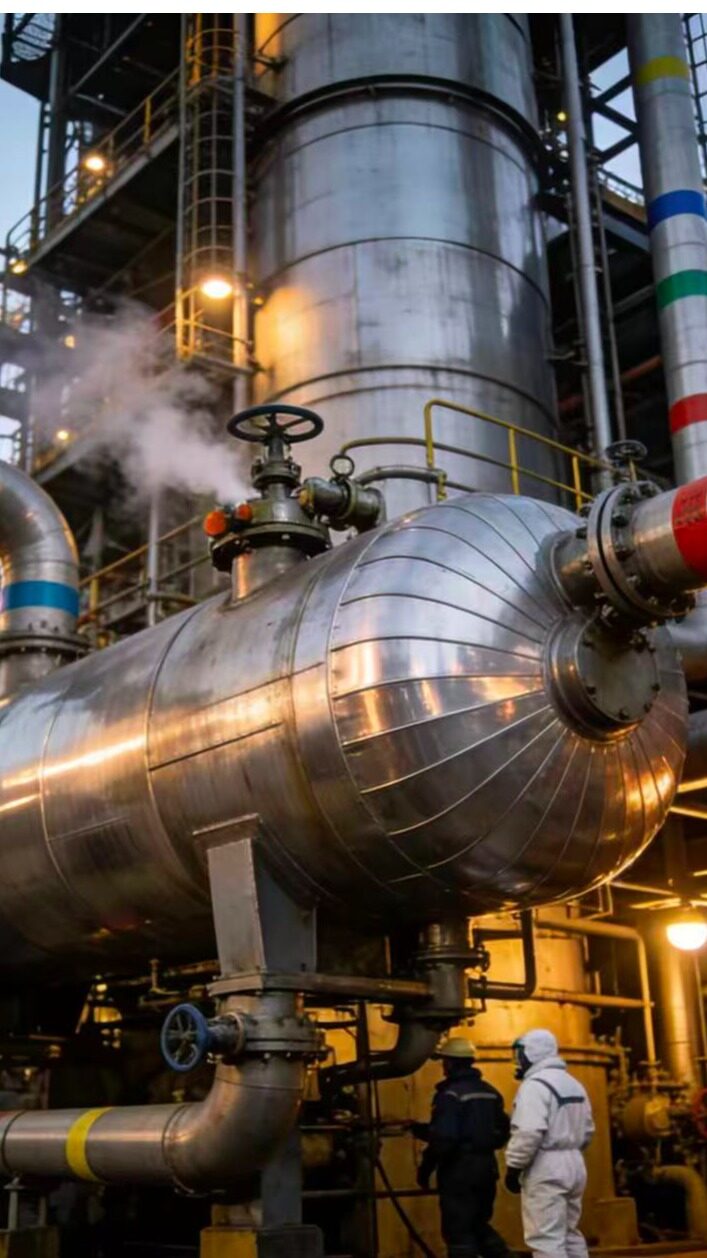
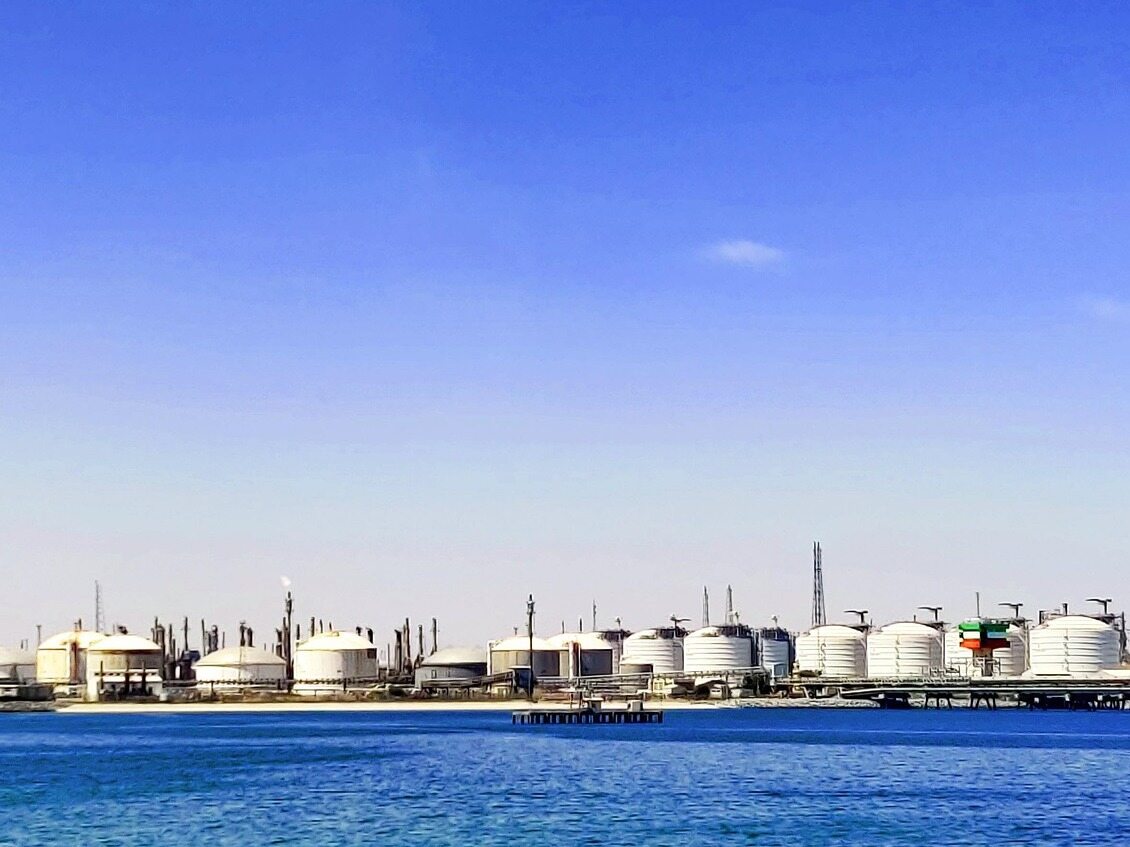
When the global attention is focused on the traditional oil tanker routes in the Middle East, an African country is quietly laying out a "big gamble" in the energy industry. Algeria, the North African country with the tenth largest natural gas reserves in the world, is facing a crossroads that concerns its national destiny: should it continue to sit idly by on oil and gas resources, or bet on the future and build a world-class petrochemical industry empire?
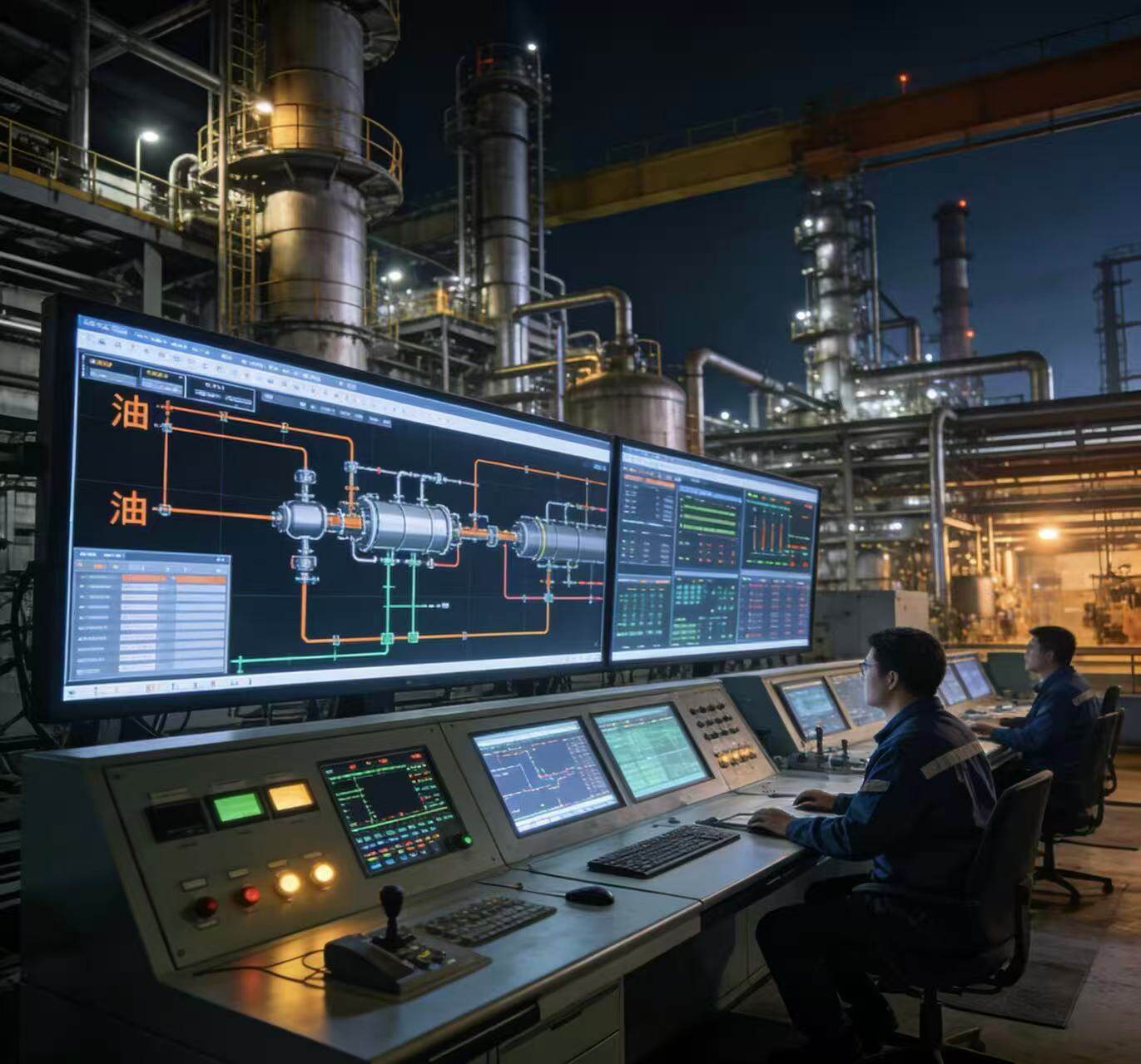
From oil and gas exporting countries to petrochemical giants
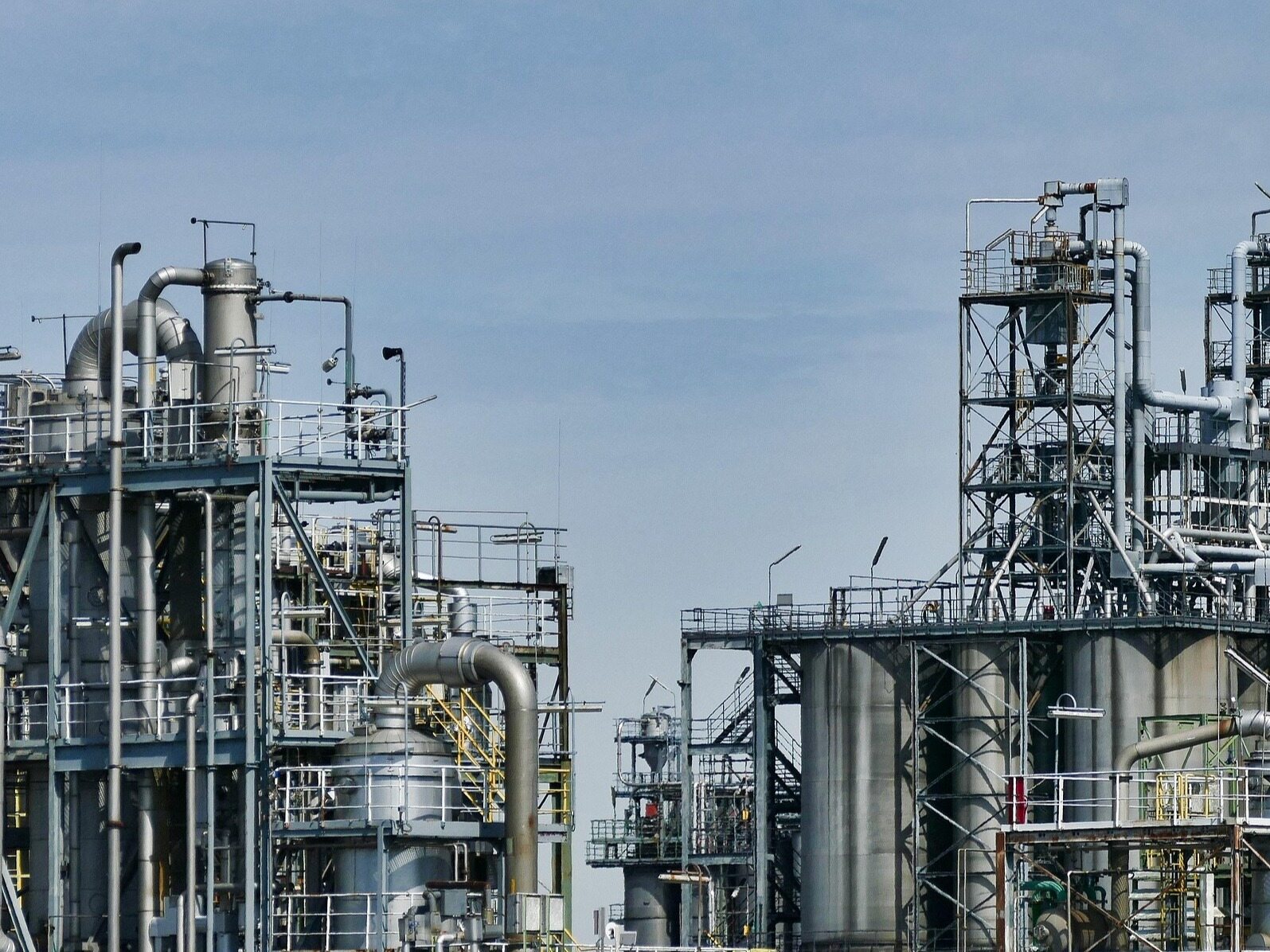
In 2026, Algeria will officially launch a super petrochemical capacity expansion plan with a total investment of up to 7 billion US dollars. This is not only the "number one project" of its energy economy transformation, but also a "gamble" that concerns the future of the country. Its core goal is to completely transform Algeria from a country that relies solely on crude oil and natural gas exports to a high value-added petrochemical product supplier for the global market.
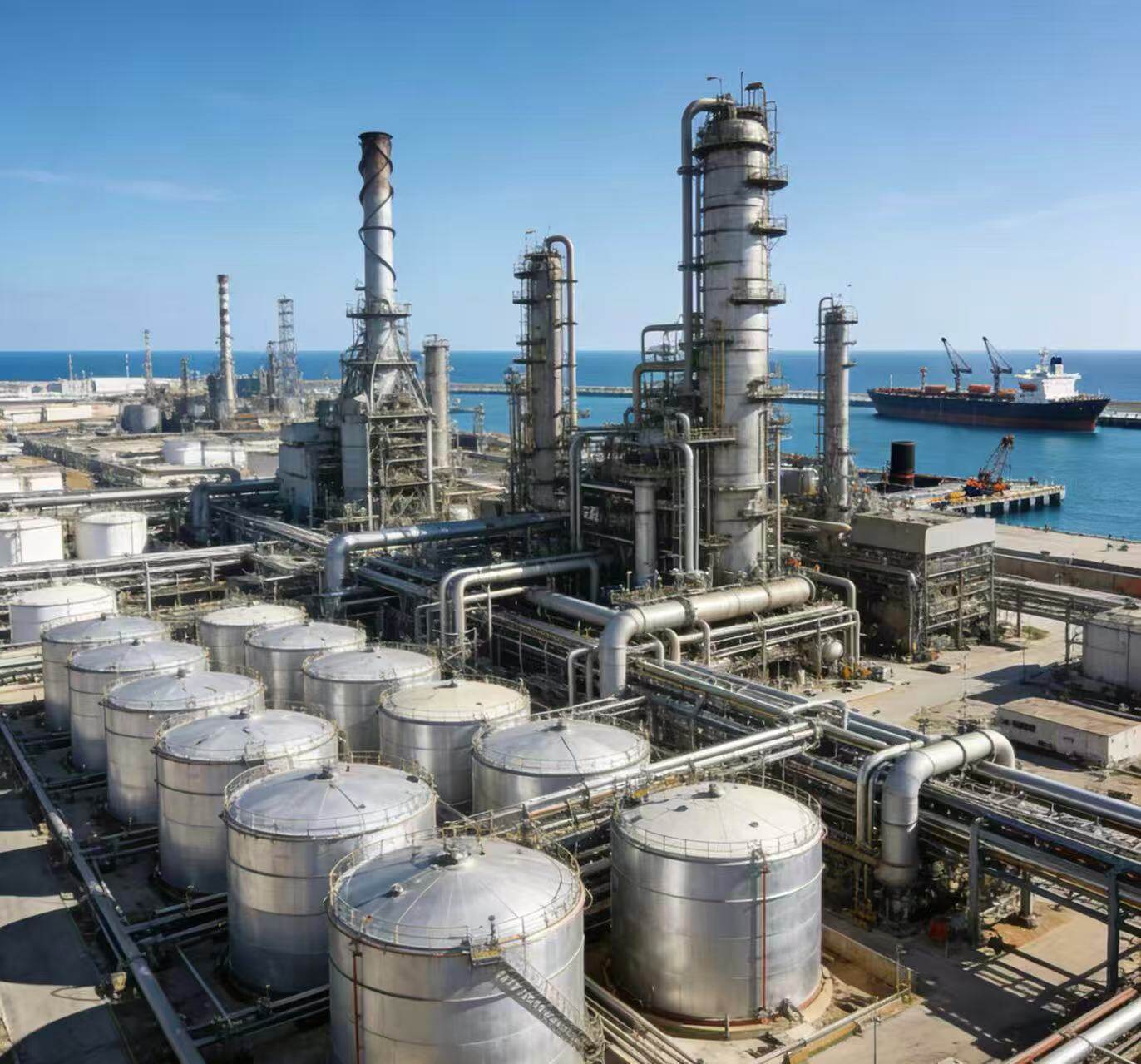
Ambitious plan to increase production capacity
Algerian Energy Minister Mohamed Alcab recently unveiled this ambitious blueprint, with impressive production schedules and capacity indicators for a series of key projects
Hassimazaud Refinery: A new refinery with an annual production capacity of 5 million tons is expected to be put into operation in 2027, which will significantly increase the self-sufficiency rate of refined oil products.
Alze Naphtha Cracking Unit: With an annual production capacity of 1.2 million tons, it is also planned to be put into operation in 2027. This is the core unit for producing basic chemical raw materials such as ethylene and propylene.
Polypropylene plant: With a total investment of approximately 1.5 billion US dollars and an annual production capacity of 550000 tons, it is the key to producing downstream products such as plastics and fibers.
Alkylbenzene production plant: With an annual production capacity of 100000 tons, it is used to produce raw materials for daily chemical products such as detergents.
Supporting processing facilities: including equipment for processing 1000 tons of liquefied petroleum gas and 300 tons of condensate oil per day, forming a complete industrial chain.
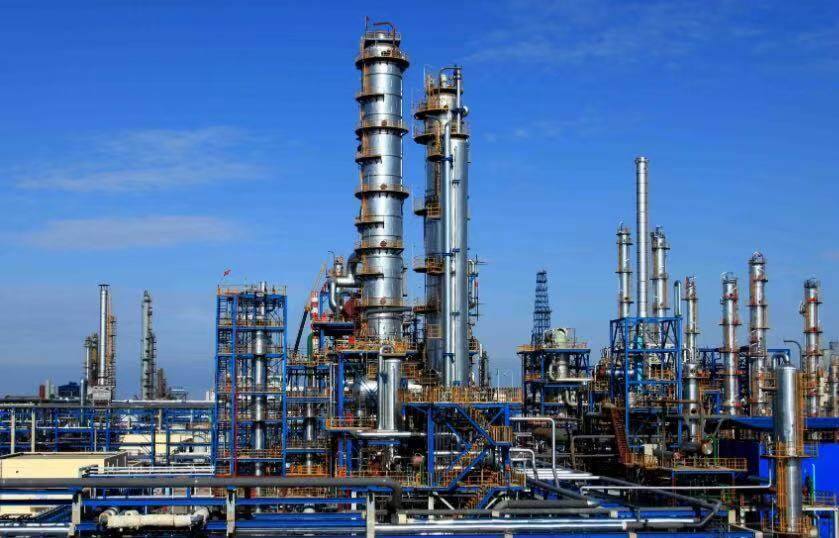
Searching for new coordinates between the Red Sea and the Mediterranean Sea
Algeria's strategic transformation coincides with a profound shift in the energy landscape in Africa. With a number of large-scale energy projects in Africa, such as the Dangote Refinery in Nigeria, being put into operation one after another, the African continent is transforming from a simple energy export destination to an important participant in the global energy market.
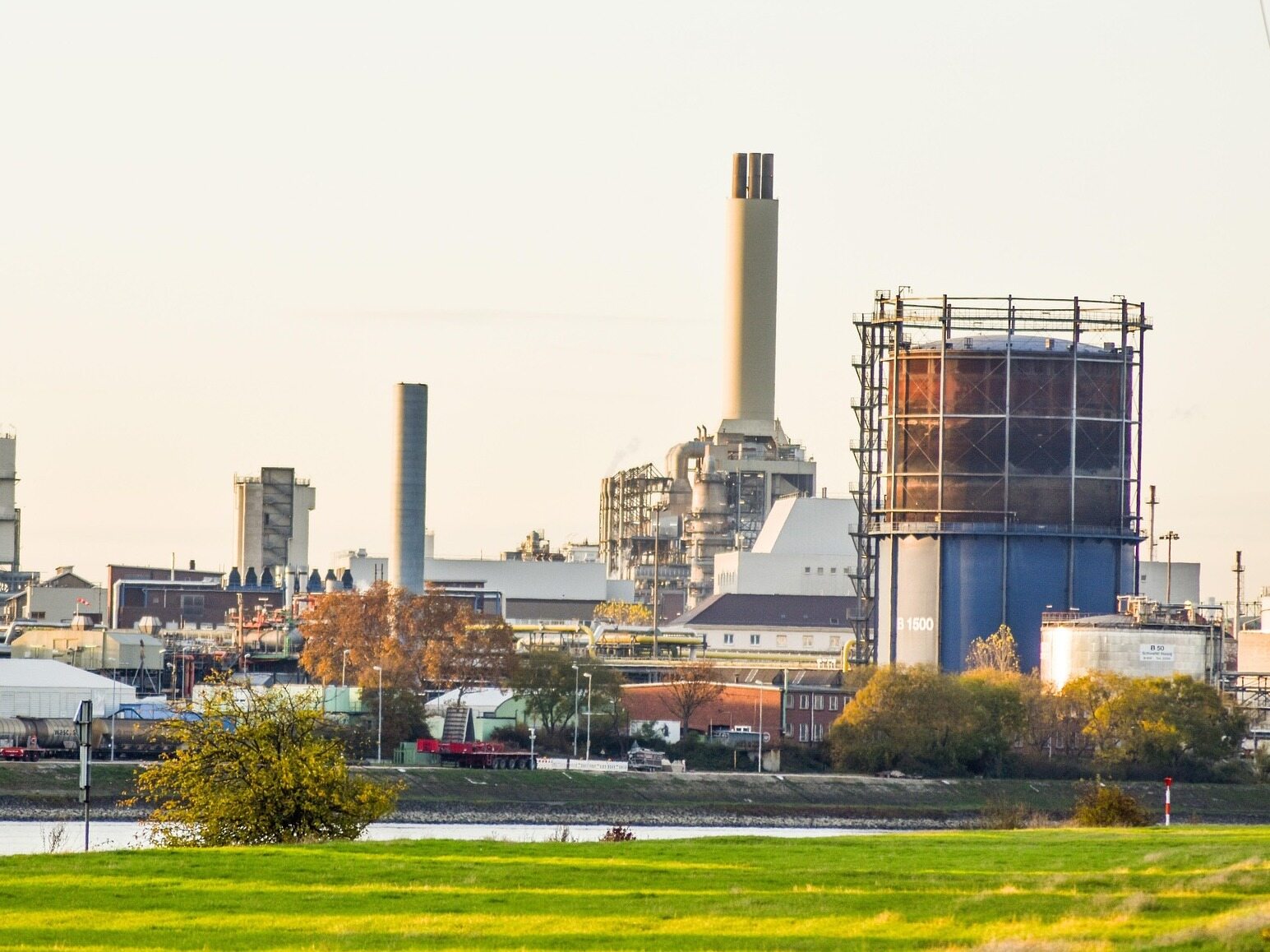
In this context, Algeria's $7 billion investment is not only aimed at getting rid of its dependence on international oil prices, but also at seizing the opportunity in this African energy revolution and rising as a core hub for the petrochemical industry connecting the Mediterranean and inland Africa.
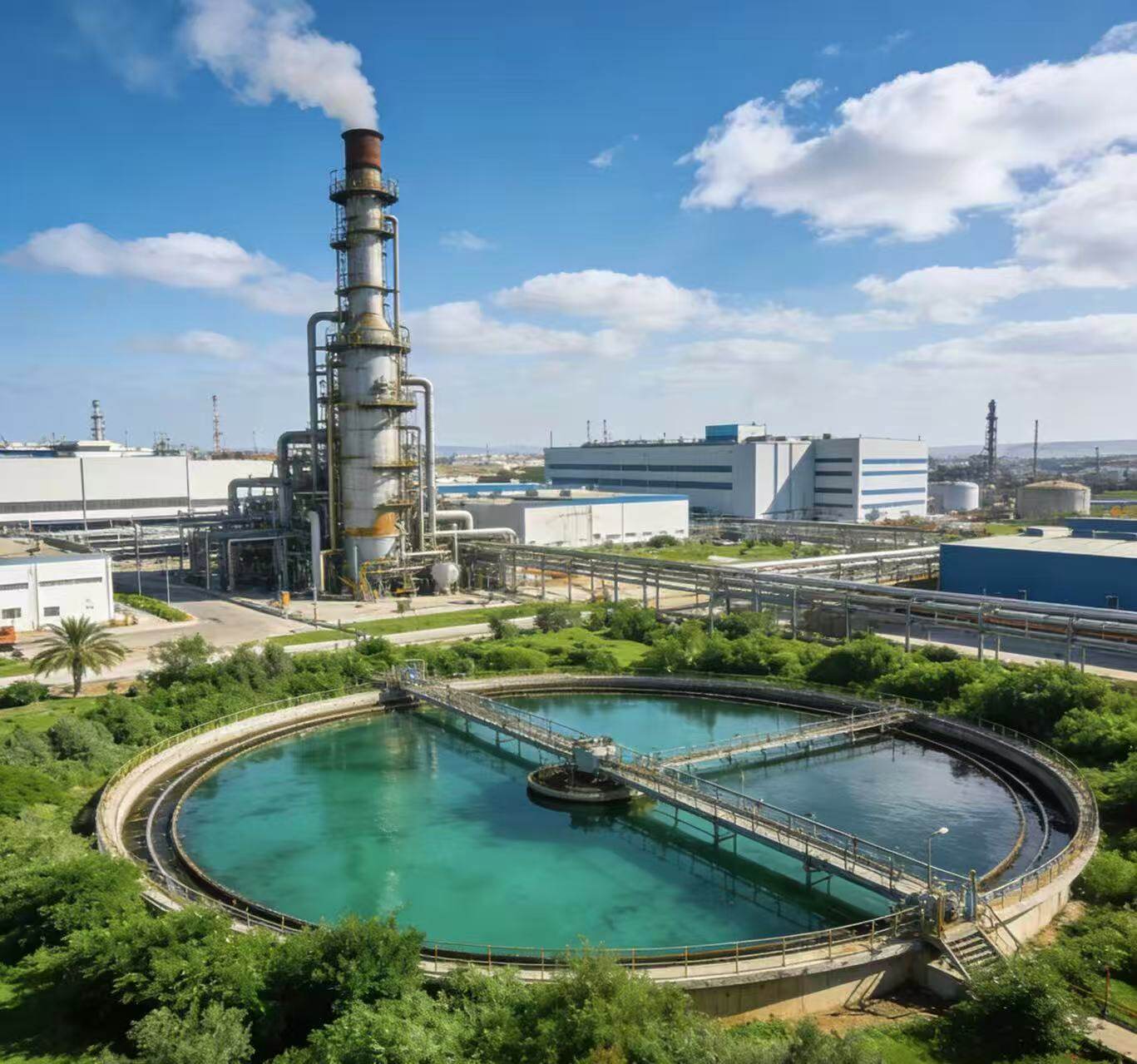
Can this dormant 'energy giant' in North Africa successfully 'awaken' through this bold gamble and transform from an oil and gas exporting country to a world-class petrochemical giant? Let's wait and see. The industrial revolution that took place between the Mediterranean and the Sahara Desert is destined to become one of the most noteworthy focuses of the global energy market in the next decade.Edditor/Bian Wenjun
Comment

 Praise
 Collect
 Comment

 Share
Share


Write something~