 Search


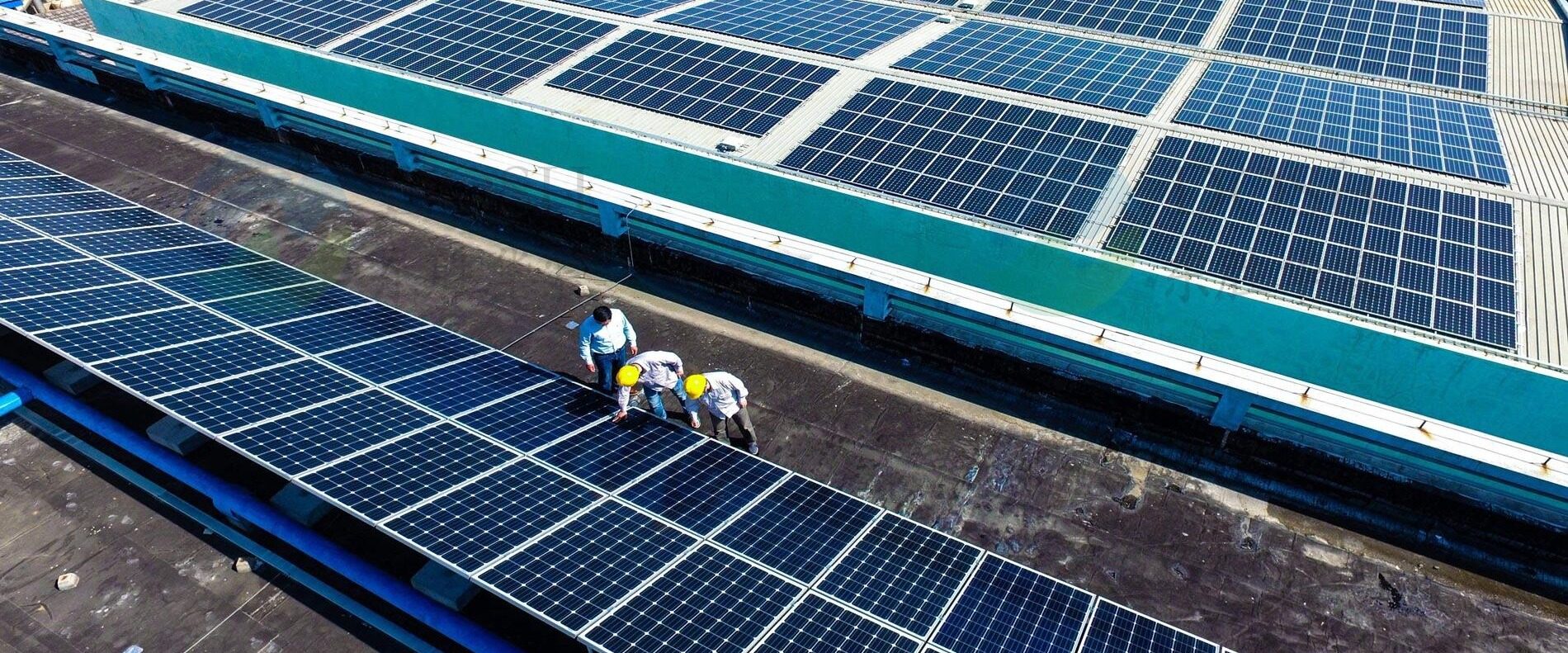
- These parks will become an important support for China to achieve its dual carbon goals
- Expected to create a production value of 3.54 trillion yuan, injecting green momentum into economic growth
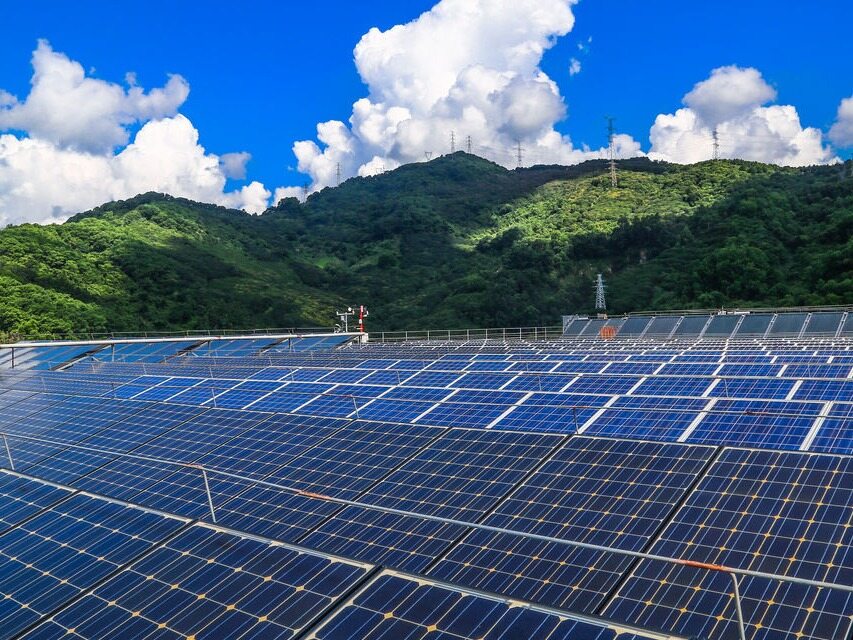
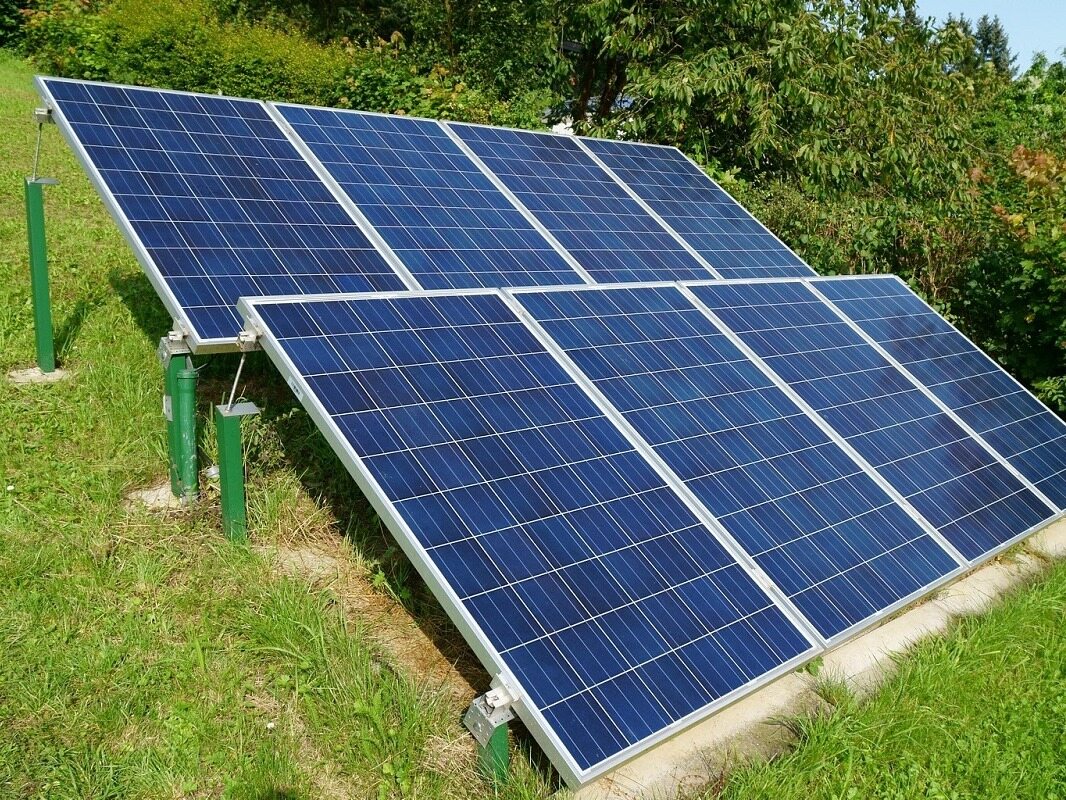
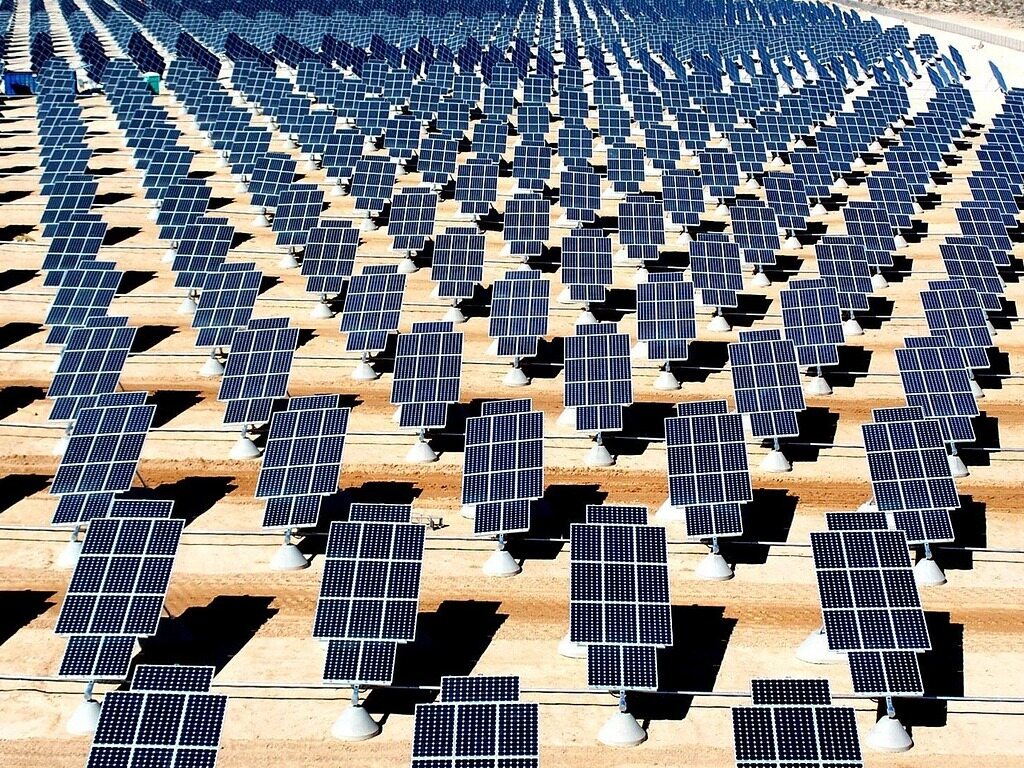
The morning sun shines on the rooftop photovoltaic panels of an industrial park in Changzhou, Jiangsu. These deep blue panels are converting light energy into electricity, providing clean power for the new energy vehicle factories in the park. A similar scenario is about to be staged simultaneously in 52 parks across the country - the National Development and Reform Commission released the first batch of national level zero carbon park construction lists yesterday, achieving full coverage in all provinces.
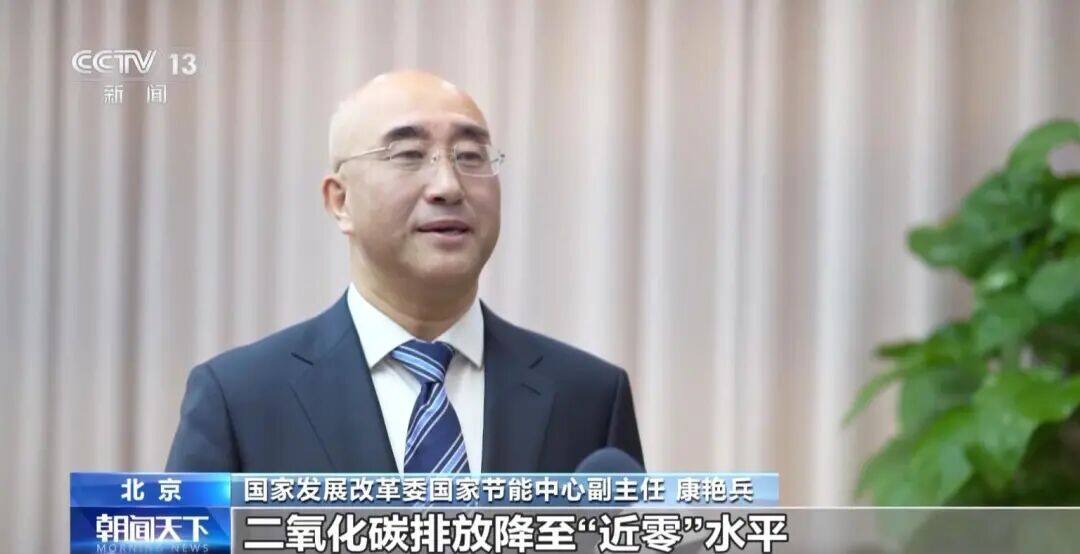
This is not only a technological revolution, but also a revolution in development concepts, "said Kang Yanbing, Deputy Director of the National Energy Conservation Center. The zero carbon park will use innovative design models to enable green energy to produce more competitive green products in the market.
What is a true 'zero carbon park'?
Zero carbon parks are not absolutely zero emissions, but rather aim to reduce carbon emissions to "near zero" levels through systematic planning. There are over 3000 national and provincial-level industrial parks in China that consume about 60% of China's energy, and their direct carbon emissions account for more than 30% of the country's total.
Parks are the most concentrated spatial units of China's economic activities and an important breakthrough point for green transformation, "explained Kang Yanbing. The core indicator of zero carbon parks is to reduce carbon dioxide emissions per unit of GDP to 0.2 or 0.3, which is equivalent to reducing carbon emissions by about 90% on the existing basis.
The first batch of 52 selected industrial parks have a clear industrial orientation, mainly focusing on low-energy and high value-added industries such as new energy equipment manufacturing, advanced equipment manufacturing, and computing power centers. These parks will achieve a decoupling between carbon emissions and output growth while pursuing economic benefits.
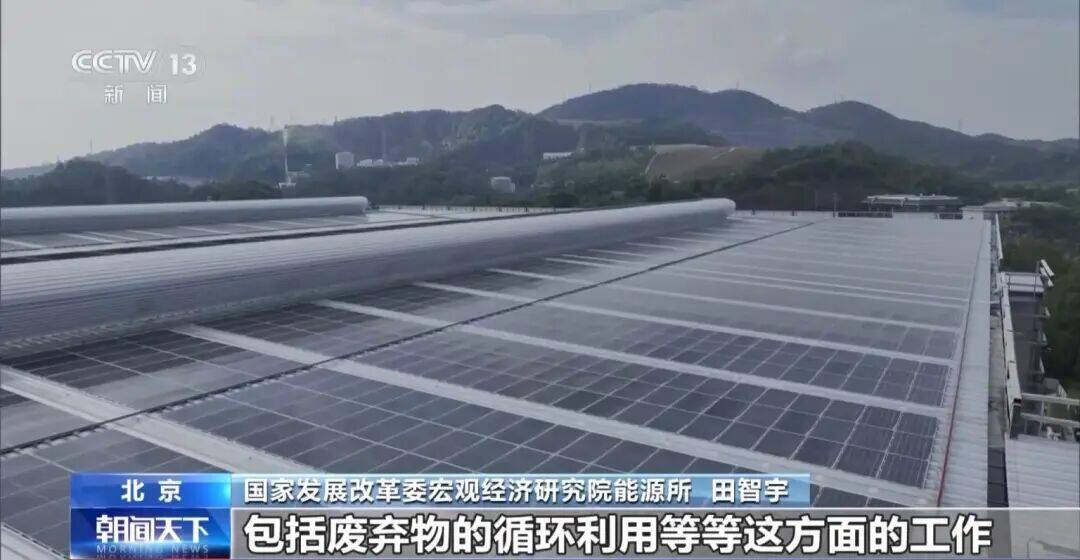
The green password with a production value of 3.54 trillion yuan
3.54 trillion yuan - this is the expected output value after the completion of the first batch of zero carbon parks. Even more astonishing is that these output values will be achieved at an extremely low environmental cost: the annual comprehensive energy consumption exceeds 60 million tons of standard coal, but the carbon emissions are less than 15 million tons.
The zero carbon park adopts the core strategy of 'green for green', "Kang Yanbing pointed out. On the one hand, it seeks the optimal solution for deep decarbonization of traditional industries such as steel and chemical industry, and on the other hand, it empowers emerging industries with green energy.
In a selected park in Inner Mongolia, a wind power equipment manufacturing factory uses its own produced wind power for production, forming a closed loop of "green energy producing green equipment". This integrated model of source, grid, load, and storage significantly increases the proportion of on-site consumption of renewable energy.
Zero carbon future driven by innovation
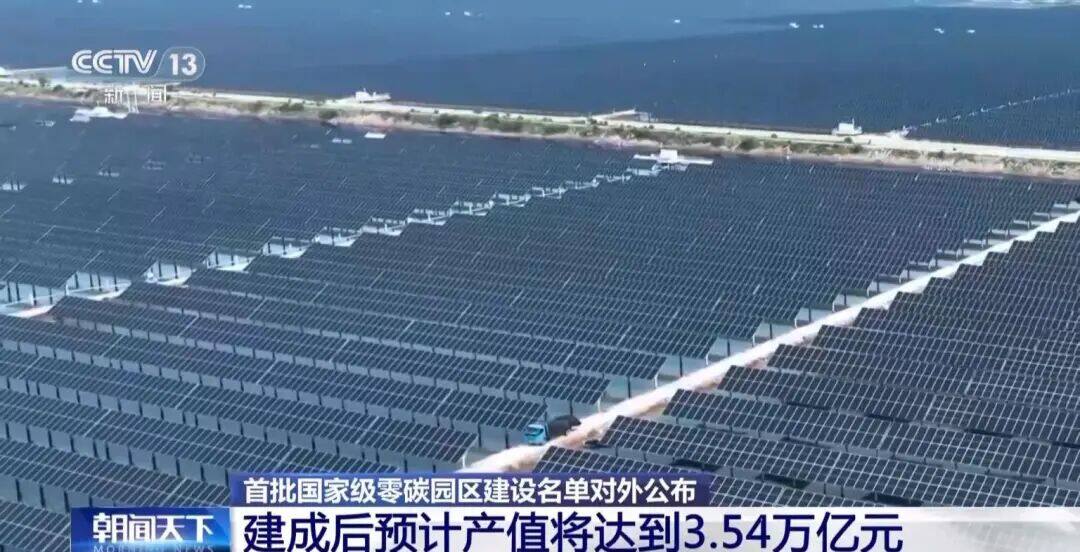
Building a zero carbon park is not only an action to reduce emissions, but also a comprehensive innovation experiment. Tian Zhiyu from the Energy Institute of the Macro Economic Research Institute of the National Development and Reform Commission stated that there is a need for coordinated promotion of technological innovation, institutional innovation, and business model innovation.
In terms of technological innovation, the zero carbon park will become a testing ground for transformative technologies; Institutional innovation involves deep level reforms such as energy and power systems; Business model innovation should enable enterprises to achieve cost reduction and efficiency improvement through carbon reduction.
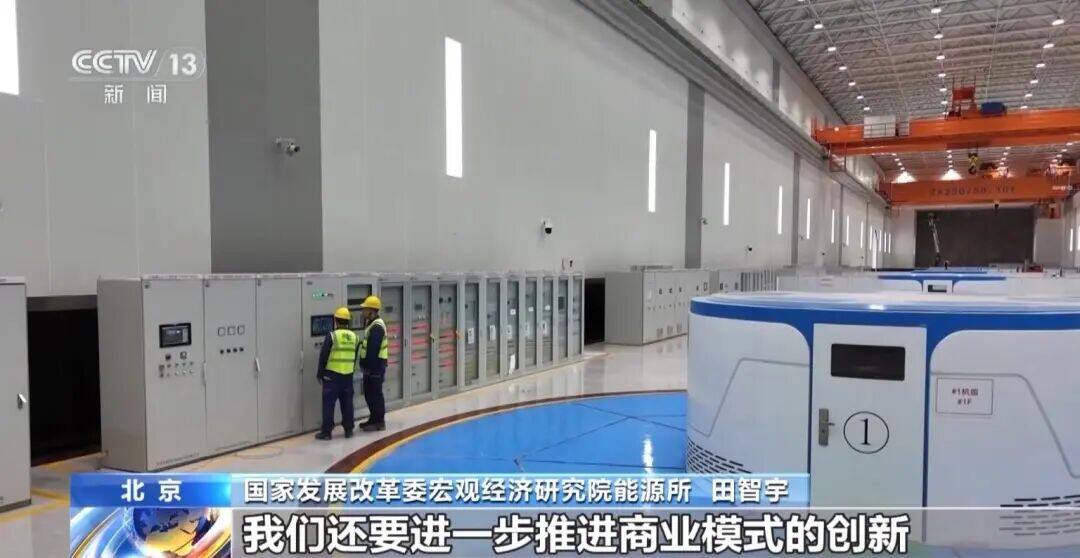
After achieving near zero carbon standards, the park still needs to pass evaluation and acceptance before it can be officially listed, "said Tian Zhiyu. This will ensure the quality of zero carbon park construction and avoid the phenomenon of" labeling ".
With the landing of the first batch of industrial parks, China's industrial landscape is quietly reshaping. Green and low-carbon is no longer just a cost item, but a new source of competitiveness. Keywords: New Energy News, Latest News on New Energy
With the start of the first batch of park construction, more traditional industrial parks have begun to plan and apply for the next batch of projects. This zero carbon revolution, ignited by 52 sparks, is quietly changing the trajectory of China's industrial development.Editor/Yang Meiling
Comment

 Praise
 Collect
 Comment

 Share
Share


Write something~