 Search


- The national production control system has successfully tamed photovoltaic fluctuations
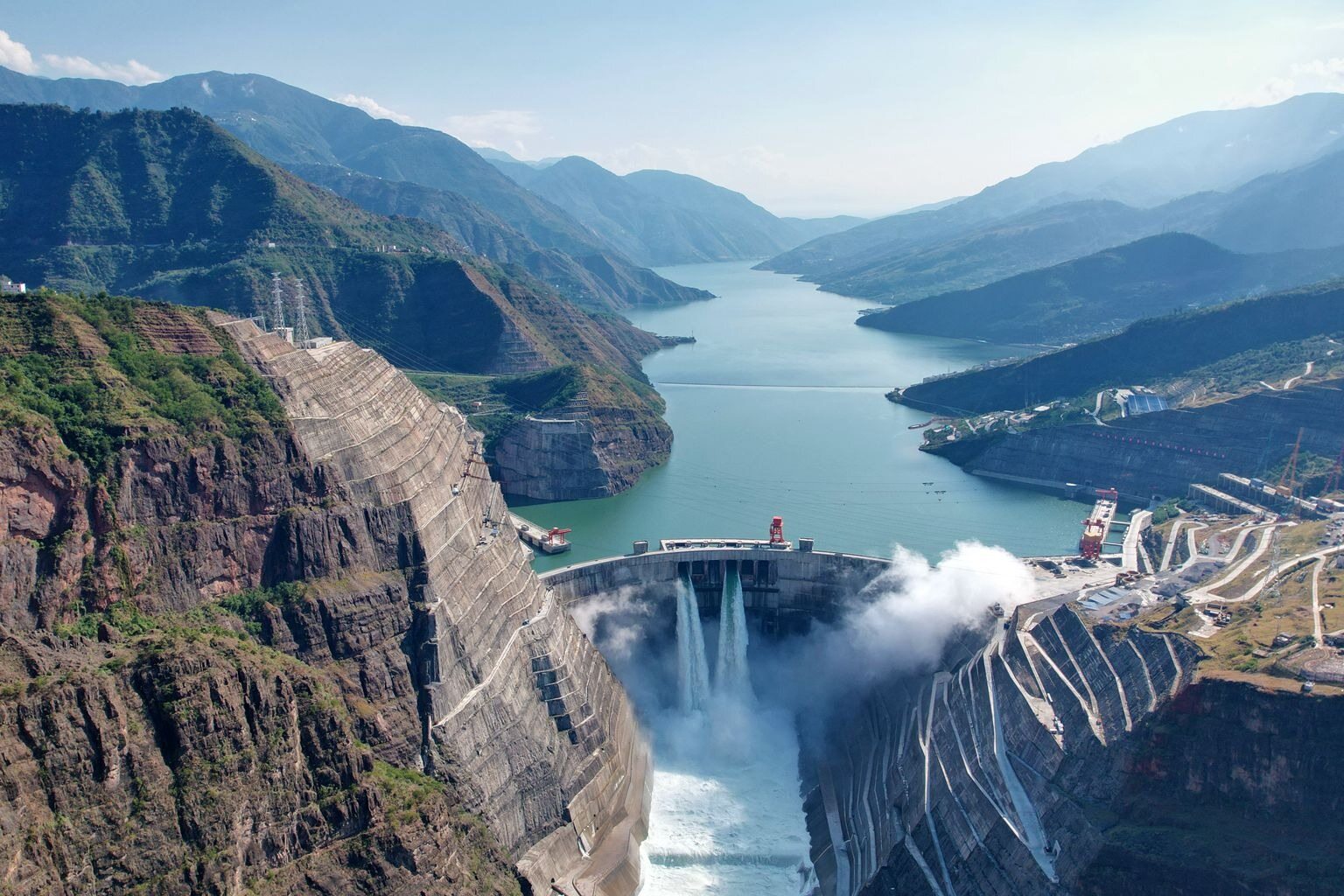
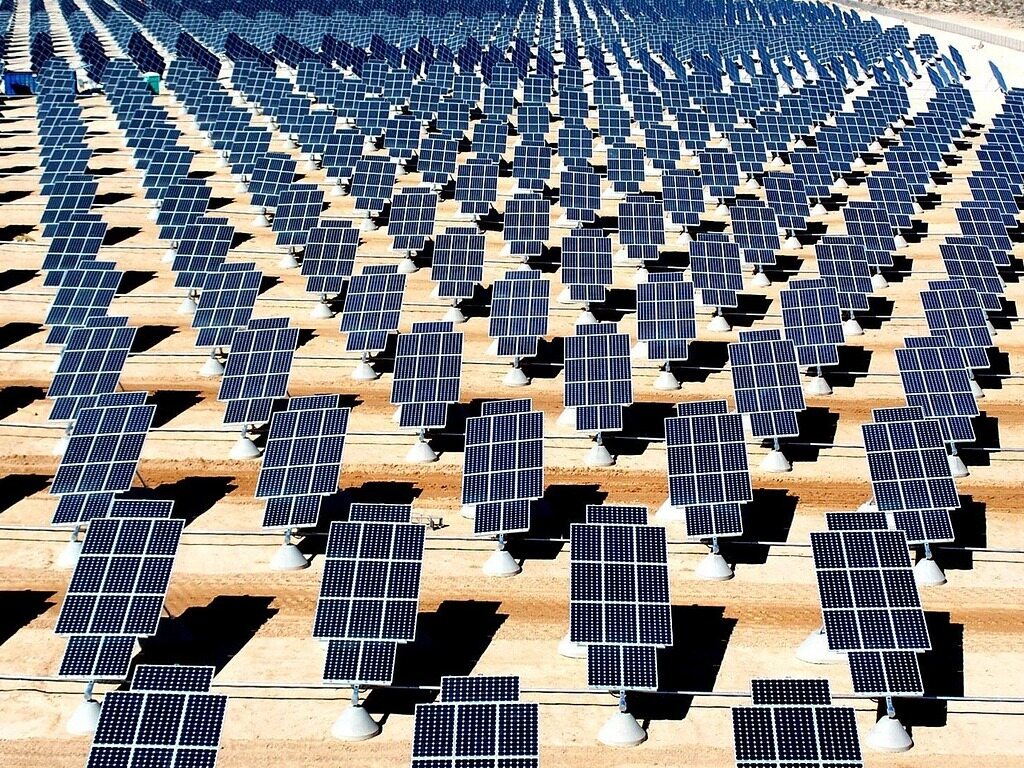
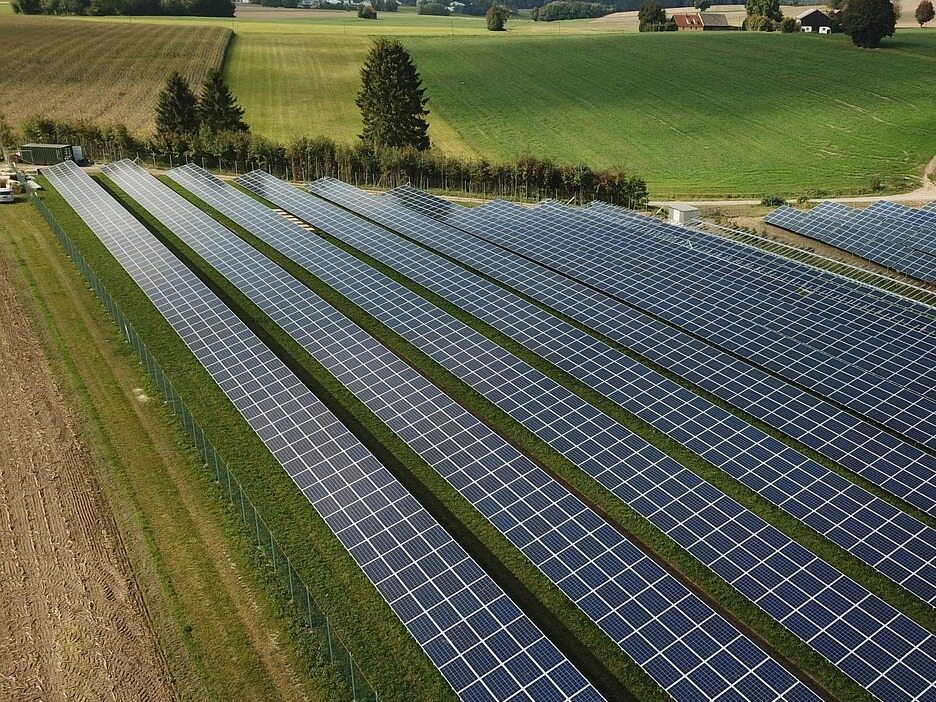
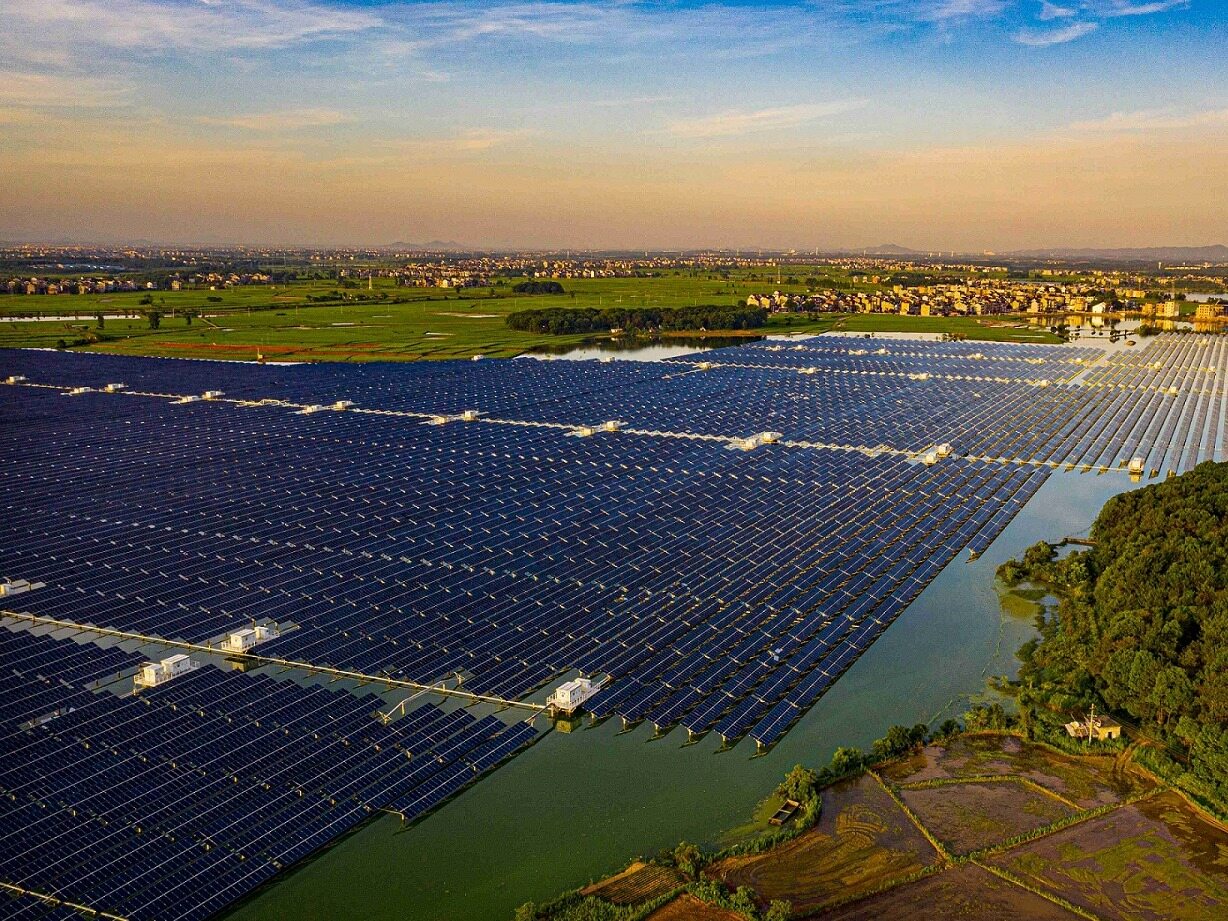
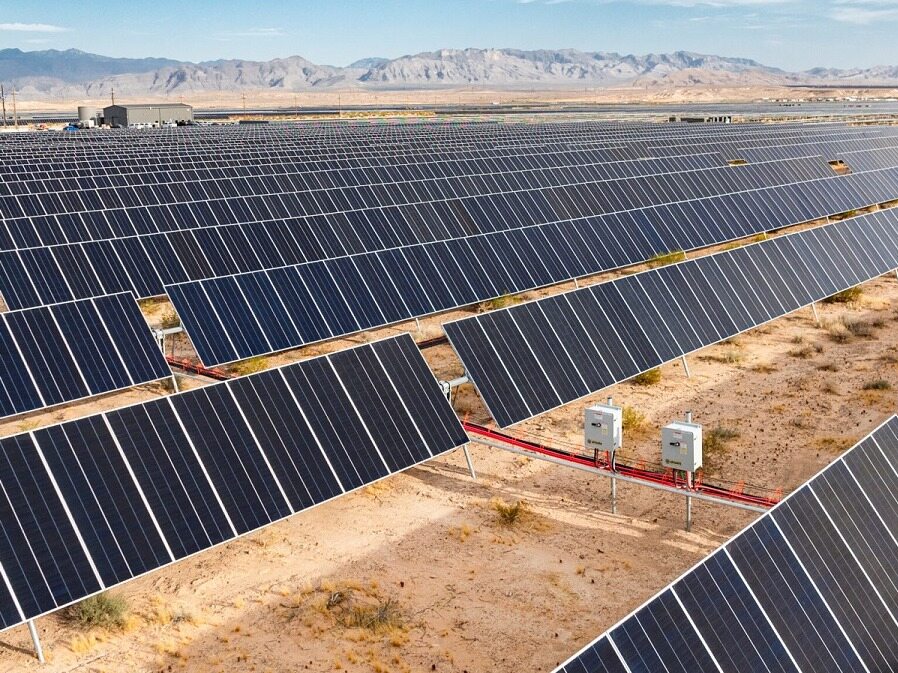
On April 25, 2026, China's first national production control system water solar complementary project was officially put into operation in Dali, Yunnan, with a total installed capacity of 5.43 million kilowatts, including 4.2 million kilowatts of hydropower and 1.23 million kilowatts of photovoltaics. Hydroelectric power stations serve as dispatchers for photovoltaics: when there are more photovoltaics, hydroelectric power is generated less; when there are fewer photovoltaics, hydroelectric power is generated more; between one increase and one decrease, the electricity delivered to the grid is stable and controllable. More importantly, this control system is entirely domestically produced and does not rely on imports.
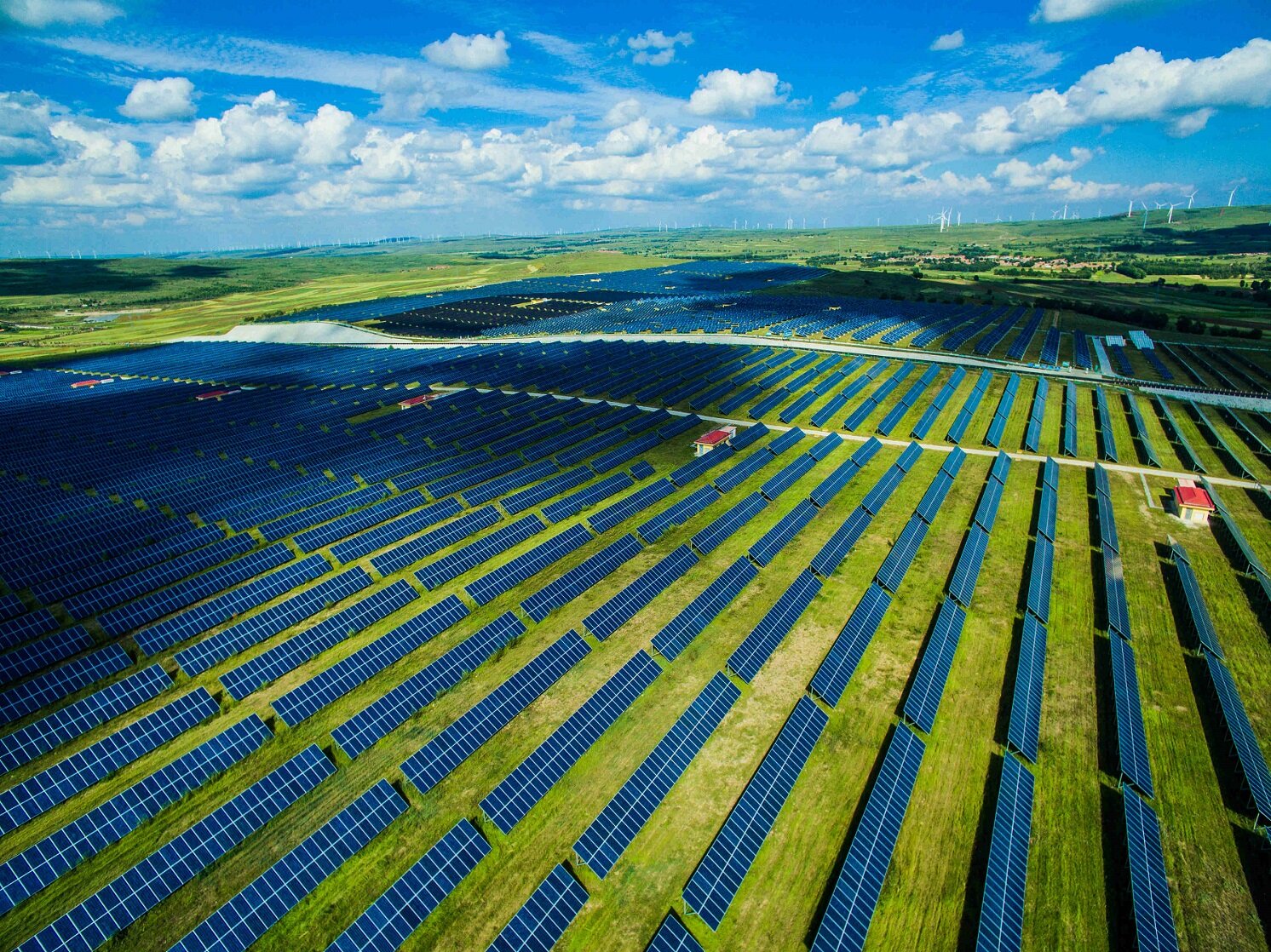
Hydropower successfully taming photovoltaic fluctuations
The volatility of photovoltaic power generation is the biggest challenge for grid connection. On a sunny day at noon, a cloud drifted in and cut off half of the power output, making it difficult for the power grid to withstand. Traditional peak shaving relies on thermal power, but thermal power units have slow load adjustment and low efficiency. Hydroelectric units start and stop quickly, adjust flexibly, and can increase or decrease electricity by hundreds of thousands of kilowatt hours in just a few seconds. In the Dali project, 4.2 million kilowatts of hydropower are on standby at any time, and the fluctuations of 1.23 million kilowatts of photovoltaics are all absorbed by hydropower. The two are combined to output a stable and reliable controllable power source.
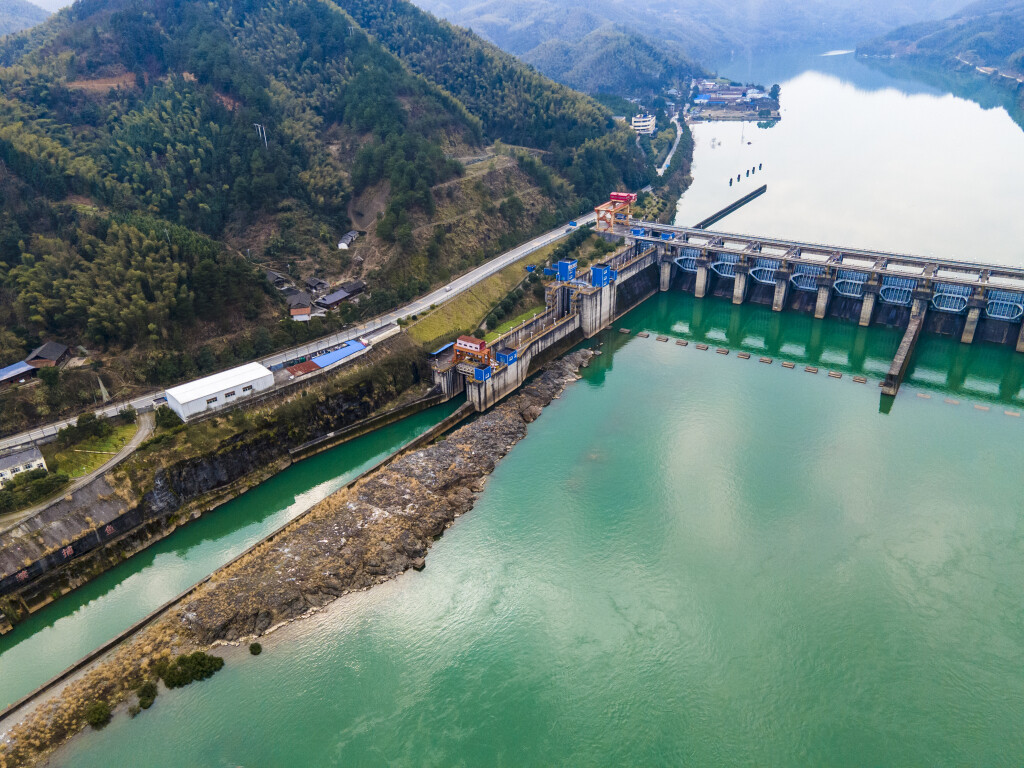
The significance of the national production control system is significant
In the past, the core control systems of such projects relied heavily on imported brands such as Siemens and ABB, which posed supply chain risks and hidden risks of underlying opacity. The Dali project has a fully autonomous control system chain from hydropower to photovoltaics, from the power station side to the dispatch side, covering PLC, DCS, dispatch platform, and communication protocols. This is the first time that China has achieved independent controllability in a 5.43 million kilowatt scale water solar complementary project, providing a replicable model for subsequent projects. Keywords: New Energy News Network, Photovoltaic, Hydroelectric
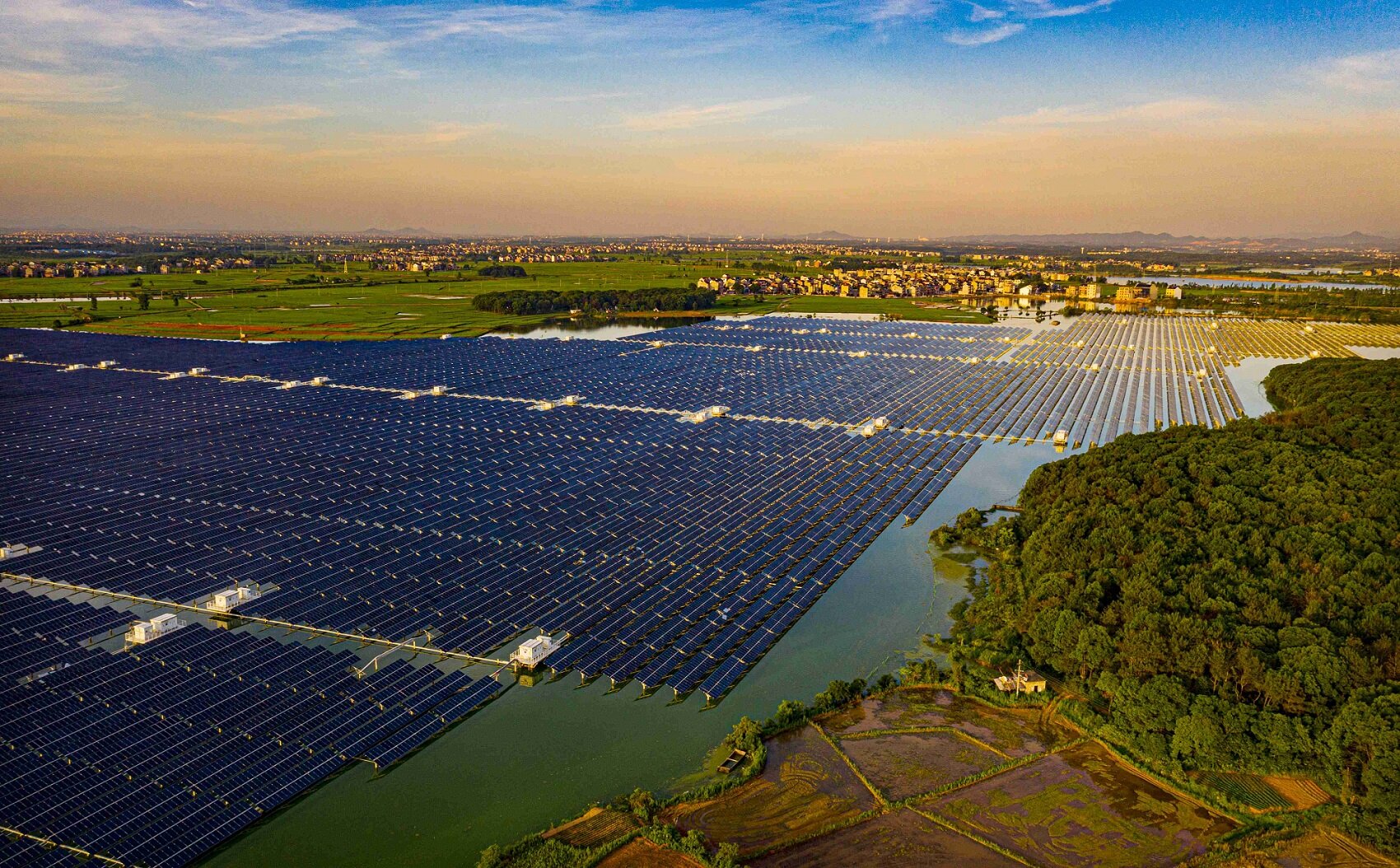
A stable power supply of 5 million kilowatts
With 4.2 million kilowatts of hydropower and 1.23 million kilowatts of photovoltaics, the annual power generation is about 15 billion to 20 billion kilowatt hours, enough for a medium-sized city to consume electricity for half a year. More importantly, every kilowatt hour of photovoltaic power is transformed into high-quality electricity through hydroelectric regulation. For Yunnan Power Grid, this is a stable large power source; For the West East power transmission of Southern Power Grid, this is a reliable output guarantee. Next, this model can be replicated in regions rich in hydropower and photovoltaic resources, such as Sichuan, Xizang and Qinghai.Editor/Gao Xue
Comment

 Praise
 Collect
 Comment

 Share
Share


Write something~