 Search


- International capital and Chinese enterprises accelerate the layout of Egypt's new energy market

On the banks of the Nile River, a green energy revolution is advancing at an unprecedented pace. Recently, the International Finance Corporation, a subsidiary of the World Bank, announced a $570 million financing for a 1GW solar power plant and a supporting 600MWh energy storage system in Egypt. This $700 million project is expected to be completed by 2026 and will become the largest solar+energy storage project in Africa. At the same time, Chinese photovoltaic giant JA Solar announced the construction of a $210 million manufacturing complex in Egypt, covering the production of photovoltaic cells, modules, and energy storage systems. Egypt is becoming a new focus of global energy transition, attracting strategic layouts from multinational companies such as the United Arab Emirates, Japan, Norway, and China.
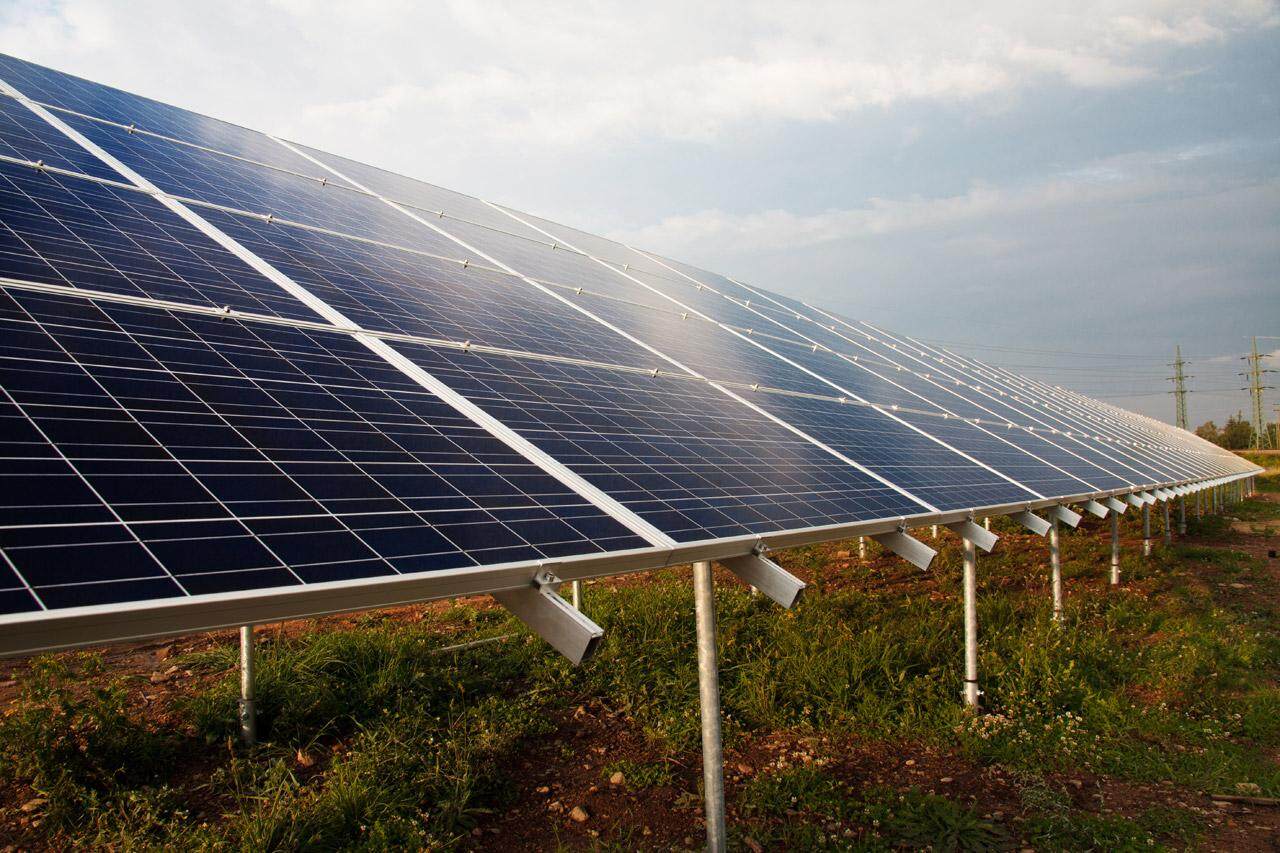
Egypt's solar energy storage project receives heavy financing
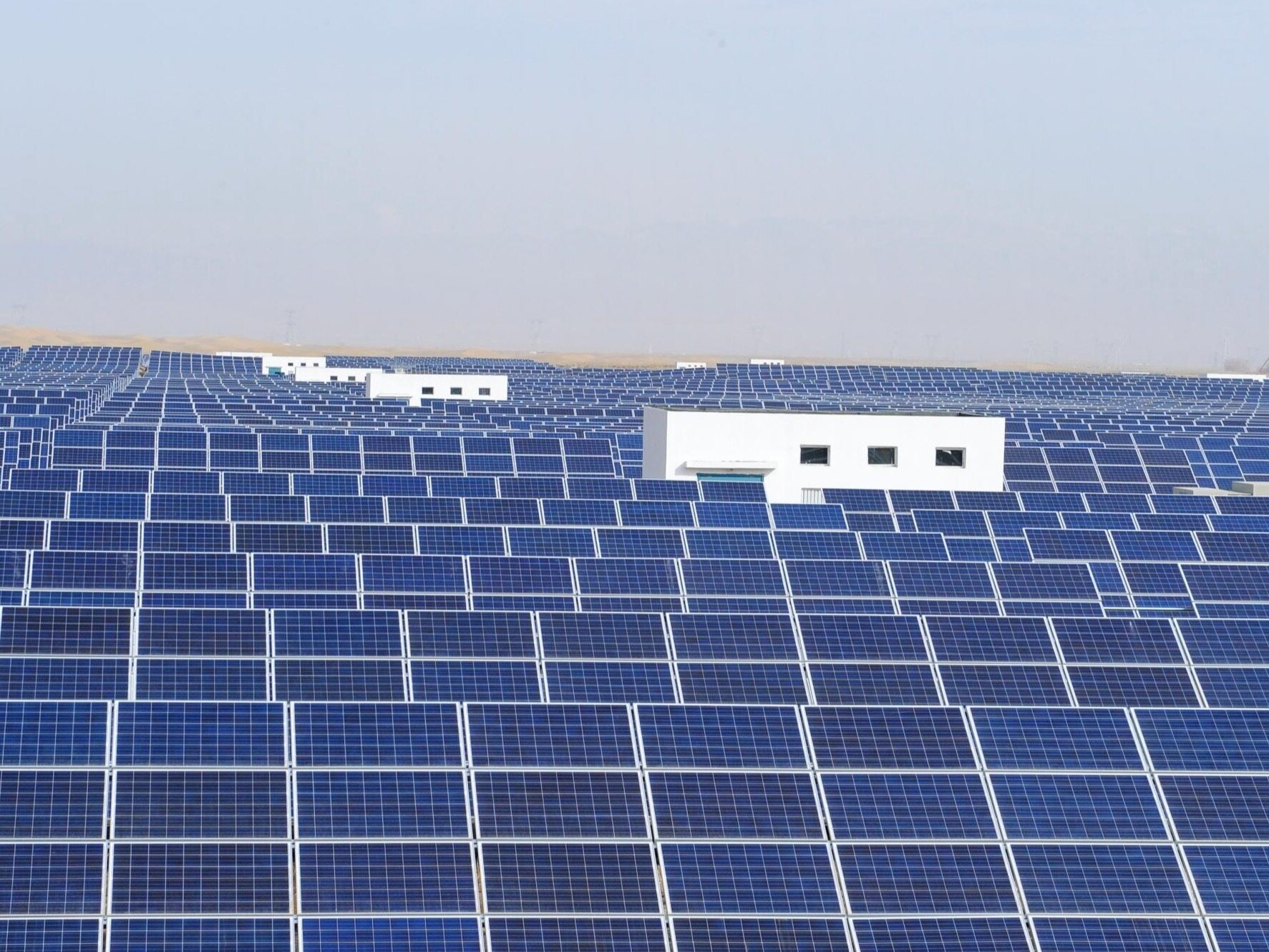
An energy revolution is brewing in the desert region of Aswan Province, Egypt. The 1GW solar+600MWh energy storage project jointly developed by Dubai developer AMEA Power and Japan's Kyushu International Corporation has made significant progress recently, with the International Finance Corporation under the World Bank leading the provision of $570 million in senior debt financing. The project is about 900 kilometers away from Luo, with a total investment of 700 million US dollars, and is expected to be put into operation in June 2026.
The financing structure of this project is diversified, including not only the International Finance Corporation's own funds, but also attracting support from the Organization of the Petroleum Exporting Countries' International Development Fund, the World Bank's Clean Technology Fund, and the Middle East and North Africa Private Sector Development Program. AMEA Power holds 60% of the shares in the project, while Kyushu International, a subsidiary of Japan's Kyushu Electric Power Company, holds the remaining 40%. This is Kyushu International's first investment in Egypt.
In fact, this is just a microcosm of the thriving development of Egypt's solar energy storage market. A few months ago, AMEA Power started construction on Egypt's first large-scale battery energy storage system - a 300MWh energy storage system to support the 500MW Abydos solar project. The company also plans to build Egypt's first independent energy storage project, including a 500MWh project in Zafarana and a 1GWh project along the Nile River. Norwegian developer Scatec has also secured $479.1 million in financing for the development of the Obelisk project, which includes 1.1GW of solar energy and 100MW/200MWh of energy storage. These projects together outline the rapid development of Egypt's energy storage industry.
JA Solar lays out production base in Egypt
While project development is in full swing, Chinese photovoltaic companies are establishing deeper industrial foundations in Egypt. On December 15th, the ATUM Solar manufacturing complex of JA Solar's joint venture officially broke ground in Egypt. The Deputy Prime Minister of Egypt and the Chairman of the Suez Canal Economic Zone Authority personally attended the groundbreaking ceremony.
This $210 million manufacturing base consists of three independent factories: one with an annual output of 2GW photovoltaic cells, all of which are used for export; The other two factories each produce 2GW of photovoltaic modules and 1GWh of battery energy storage systems annually, targeting the local market in Egypt and surrounding areas. The joint venture is supported by JA Solar, with partners including Egyptian company AH, UAE investor Global South Utilities, and Bahrain's Infinity Capital.
This layout has significant strategic importance. The Egyptian government attaches great importance to the role of this project in creating employment and reducing dependence on imported clean energy products. By localizing production, Chinese companies can not only better serve the Egyptian market, but also radiate the entire Middle East and African markets from Egypt as a base. This dual layout of "manufacturing+market" demonstrates a new strategy for Chinese enterprises in the global energy transformation - shifting from simple product exports to localized production and industrial chain integration.
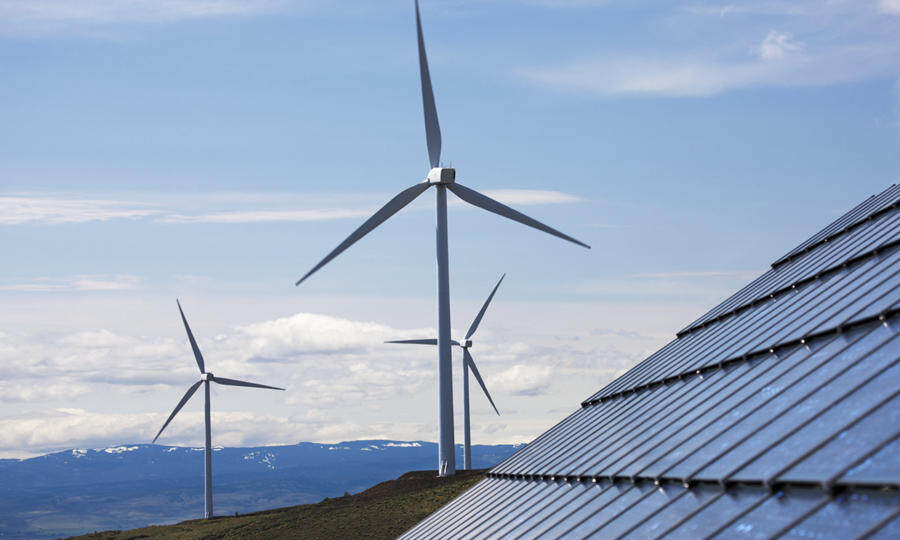
Egypt rises as a regional energy hub
The rapid development of Egypt's solar energy storage industry is driven by multiple strategic factors. From a geographical perspective, Egypt has the natural advantage of connecting Africa, the Middle East, and Europe, making it a regional energy hub. From the perspective of policy environment, the Egyptian government actively promotes energy transformation, sets clear goals for the development of renewable energy, and provides stable policy expectations for investors.
Economically speaking, Egypt has abundant solar energy resources and vast land, which gives it a natural advantage in developing photovoltaic power generation. Meanwhile, with the acceleration of industrialization and population growth, Egypt's electricity demand continues to rise, requiring diversified and reliable power supply. The introduction of energy storage systems can not only improve the stability of the power grid, but also optimize the utilization efficiency of renewable energy.
From an international relations perspective, Egypt's solar energy storage project has attracted capital and technology from multiple countries, becoming a model for international cooperation. The joint participation of enterprises from countries such as the United Arab Emirates, Japan, Norway, and China, as well as financing support from multilateral institutions such as the World Bank and the Clean Technology Fund, demonstrates the global effort to address climate change. For Chinese enterprises, the Egyptian market is not only a business opportunity, but also an important platform to implement the "the Belt and Road" initiative and promote international production capacity cooperation. Keywords: Photovoltaic New Energy Information, Latest News on Photovoltaic New Energy
With the advancement of these major projects, Egypt is expected to become a leader in the development of renewable energy in Africa and even the Middle East in the coming years. For investors and businesses interested in energy transition, the Egyptian market presents enormous opportunities while also presenting new challenges - how to achieve a balance between sustainable development and business success while respecting local culture and complying with local policies. On this land where ancient civilization and modern technology intersect, a green energy revolution has just begun. (This article is from the official website www.seetao.com of Jiandao. Reproduction without permission is prohibited, otherwise it will be prosecuted. Please indicate Jiandao website+original link when reprinting.) Jiandao website photovoltaic column editor/Gao Xue
Comment

 Praise
 Collect
 Comment

 Share
Share


Write something~