 Search


- JinkoSolar announced the signing of photovoltaic module agreements totaling over 300MW with multiple companies in Uzbekistan
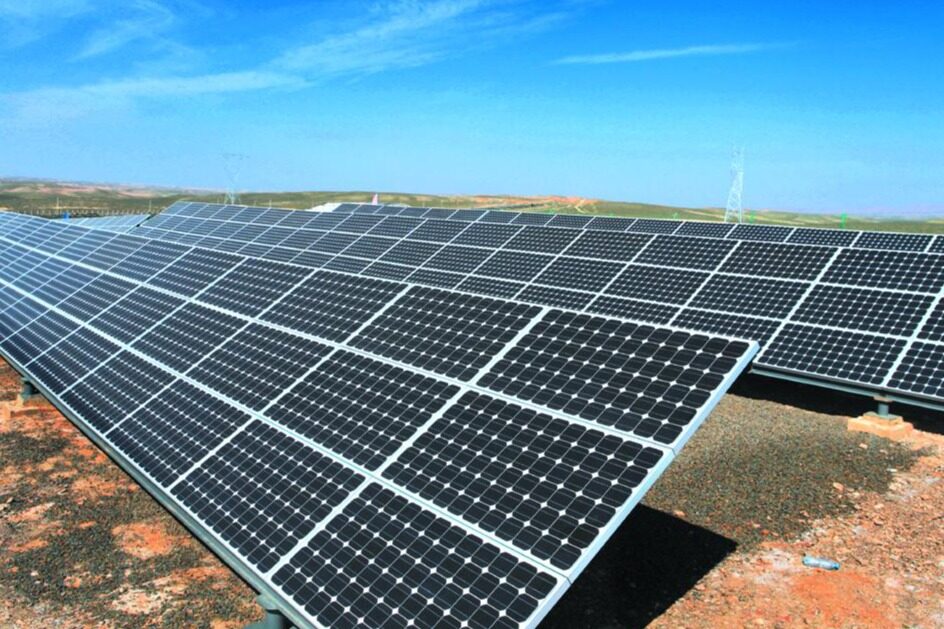
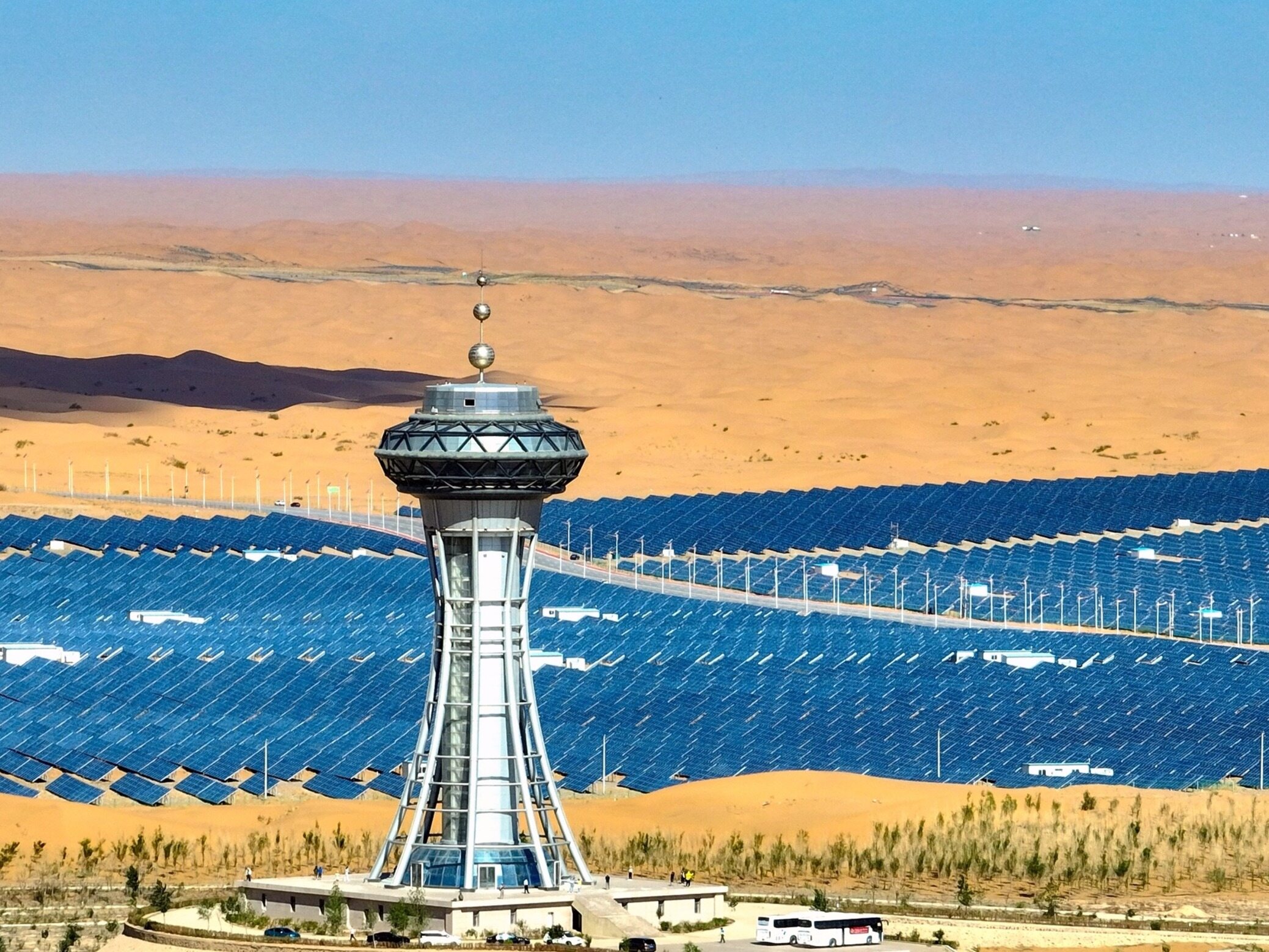
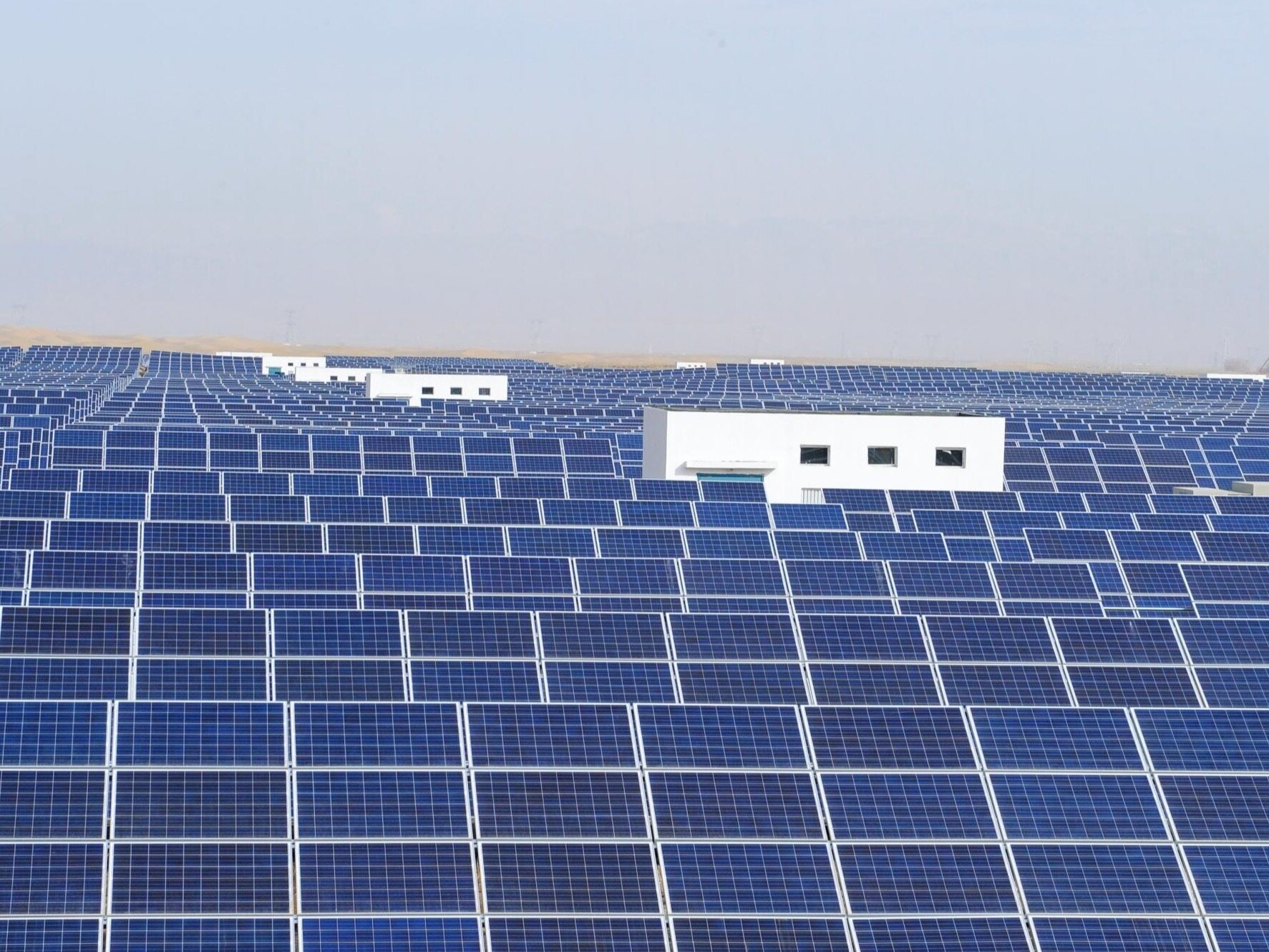
As the Gobi and deserts in Central Asia heat up under the sunlight, this vast land is quietly transforming into a hotbed for global new energy investment. Recently, China's leading photovoltaic enterprise Jinko Solar announced that it has successfully signed a supply agreement for the "Feihu 3" high-efficiency photovoltaic modules with a total capacity of over 300 megawatts in the Uzbekistan market. This is not a breakthrough in a single project, but a centralized signing with multiple local energy companies, like a fleet cluster entering the blue ocean, clearly sending a strong signal to the market: the construction of ground photovoltaic power plants in Central Asia, especially in Uzbekistan, is entering the fast lane of large-scale and efficient development at an unprecedented speed. An order reflects the rise of structural demand in a regional market.
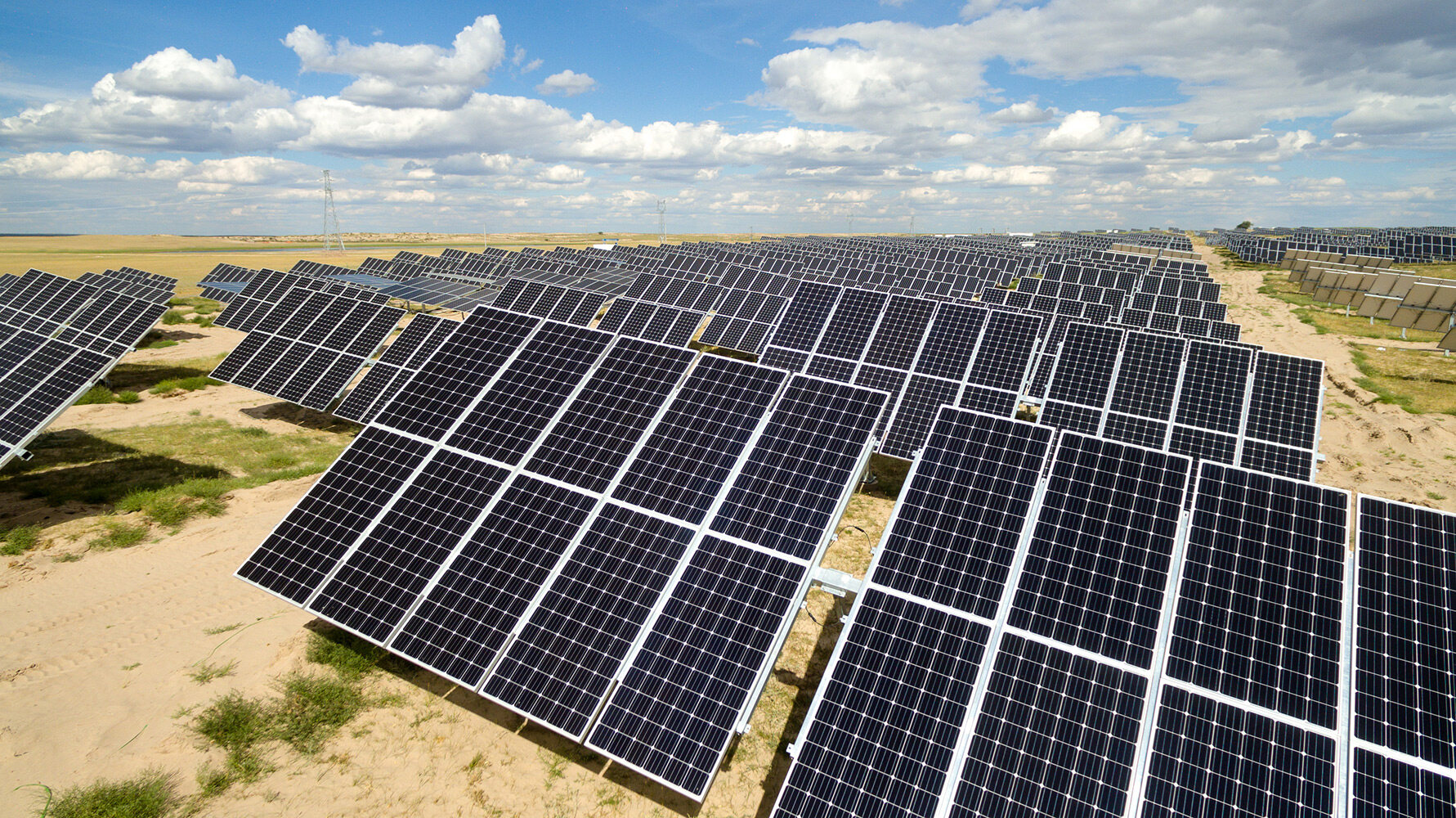
The market shift behind centralized signing
The signing of this contract by JinkoSolar presents a significant feature of "multiple customers and scale", with partners including Arif, Power Sun, Darian Solar, Deltron Energy and other local energy companies in Uzbekistan. This centralized release of procurement demand is not accidental. It marks the transition of Uzbekistan and even the Central Asian region's new energy development strategy from initial pilot demonstration projects to large-scale, centralized power plant development. The core driving force behind this shift is, on the one hand, the Ukrainian government's firm national policy of actively promoting energy structure transformation and reducing dependence on fossil fuels; On the other hand, the contradiction between the growing demand for electricity and the urgent need to upgrade the power grid infrastructure has given rise to an urgent desire for clean energy solutions that can be quickly deployed and provide stable power supply. The 300 MW component order is like a pathfinder stone, measuring the depth and breadth of local market demand.
The 'Big Test' of Component Performance in Desert Environments
However, converting Central Asian sunlight into reliable green electricity is not simply a matter of component deployment. The typical continental climate and desert terrain of Uzbekistan impose extremely strict performance requirements on photovoltaic modules. The challenge here is twofold: one is extreme temperature and radiation. In summer, the surface temperature often exceeds 50 ℃, accompanied by strong ultraviolet radiation, and the efficiency of ordinary components deteriorates rapidly in this environment, posing a severe test of reliability. The second is special lighting conditions. The vast sandy land has high reflectivity to sunlight, which not only brings additional potential for power generation gain (through double-sided power generation), but also sets higher standards for the weak light response and long-term weather resistance of components. The market has already voted with feet, and high-performance double-sided components that can withstand high temperatures, resist attenuation, and fully utilize reflected light are rapidly becoming a common choice for local power plant developers. This is not only a choice of technical route, but also a rational calculation of the return on investment for the entire lifecycle of the power station.
Flying Tiger 3 responds to market questions with technology
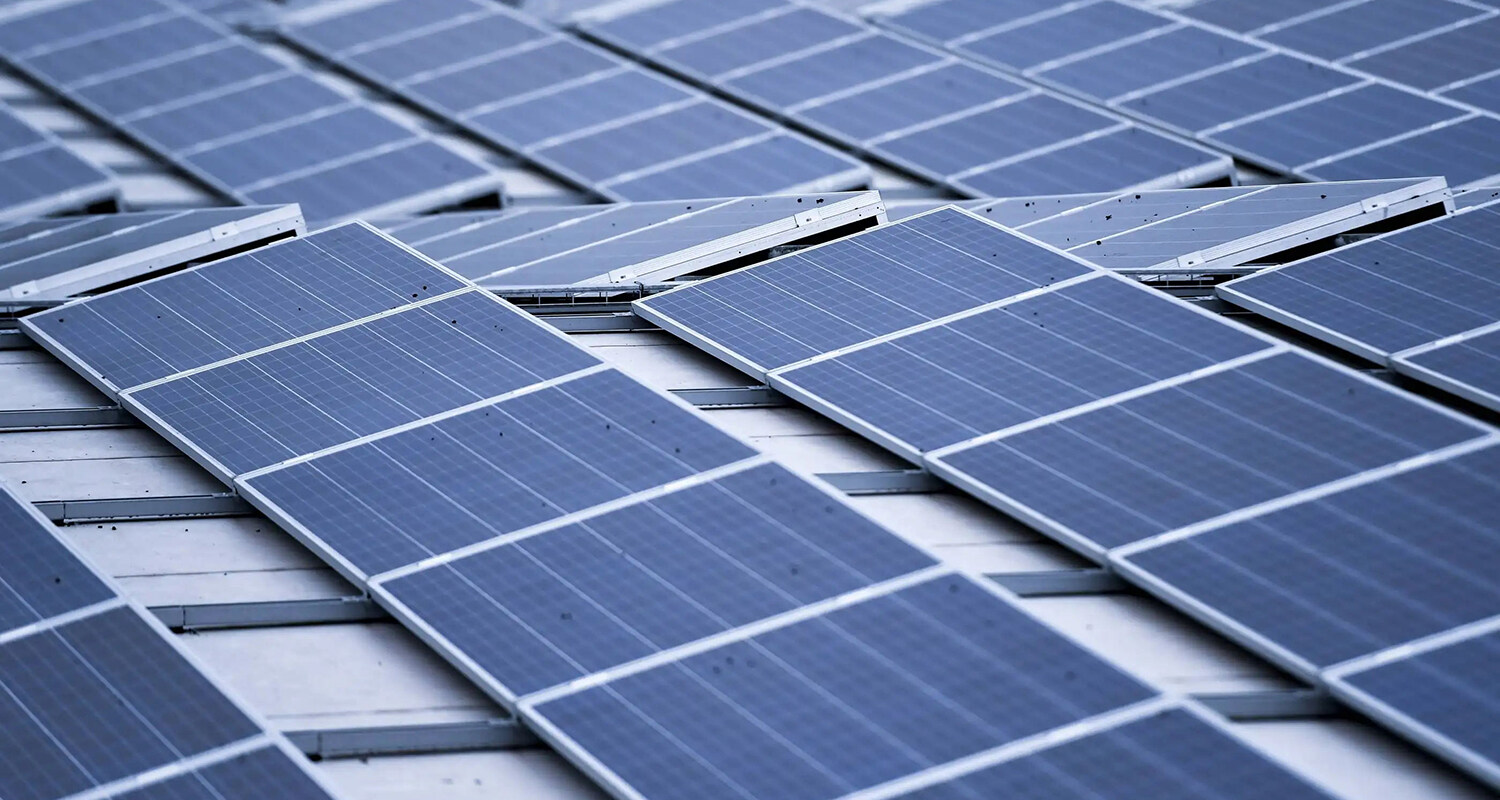
Faced with the unique "Central Asian exam questions", JinkoSolar's flagship "Flying Tiger 3" component can be regarded as a precise technical and market positioning. This component is specifically optimized for performance in desert power plant scenarios with high temperature, high radiation, and high reflection. Its maximum front power of 670 watts and 24.8% conversion efficiency ensure high energy density; With a double-sided rate of up to 85% ± 5%, it is able to fully "capture" the reflected light from sandy areas, significantly increasing the system's power generation. More importantly, its first-year decay rate of less than 1% and annual linear decay commitment of no more than 0.35% directly respond to investors' core concerns about the long-term reliability and revenue stability of the power plant. Compared to other component technology routes that may expose weak light performance in certain extreme environments, the "Flying Tiger 3", with its stable output characteristics and verified weather resistance, is more in line with the ultimate pursuit of long-term reliable operation for large-scale ground power stations in Central Asia. This is not only a successful product sales, but also a strategic victory for China's advanced photovoltaic technology brand to establish an "efficient and reliable" mental label in key regional markets. Keywords: Photovoltaic New Energy Information, Latest News on Photovoltaic New Energy
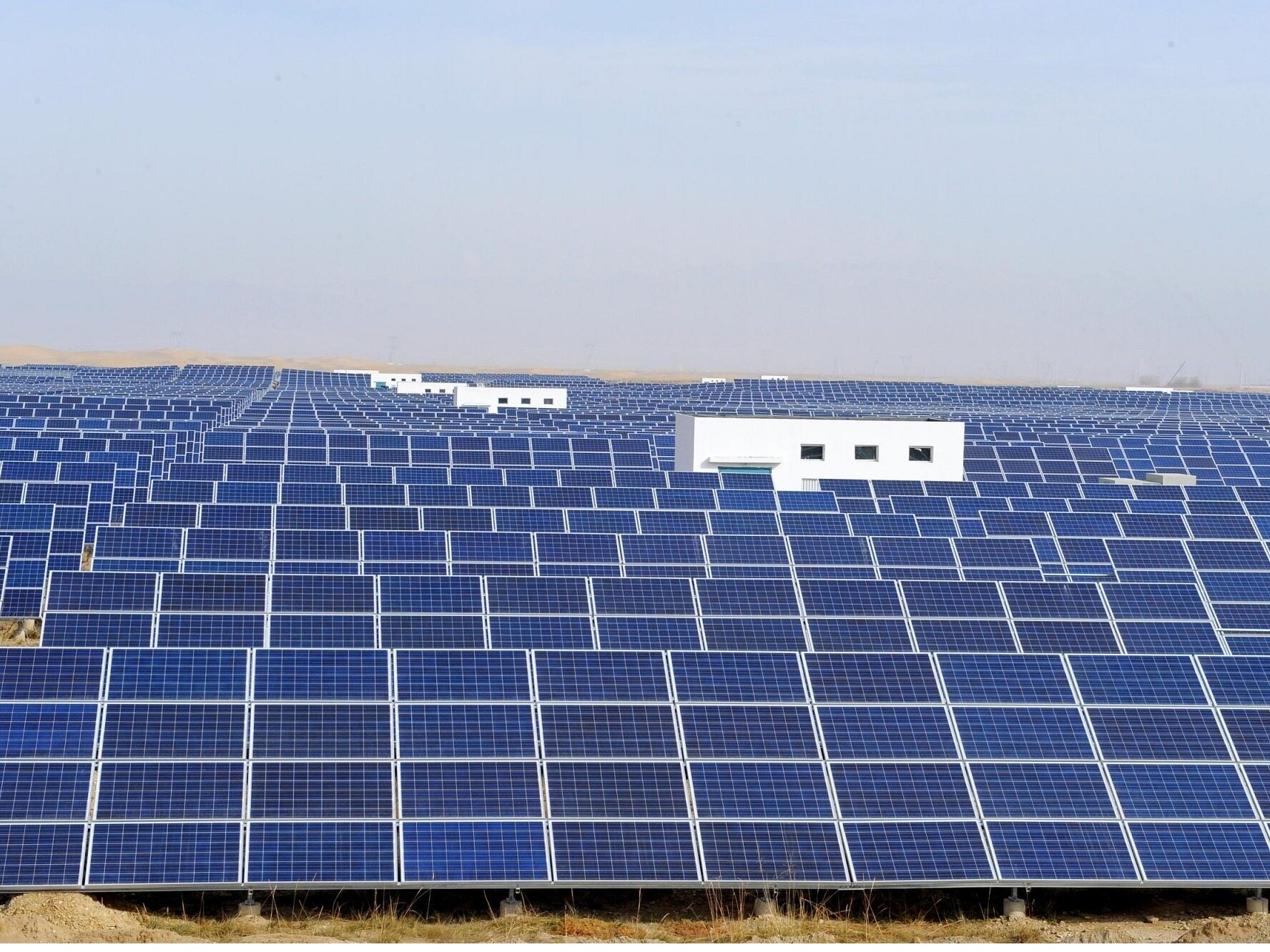
From the decision-making office in Tashkent to the Gobi Desert on the outskirts of Bukhara, Jinko Solar's module orders exceeding 300 megawatts are like a green link, connecting China's leading intelligent manufacturing with the urgent energy future of Central Asia. It indicates that in the grand blueprint for the development of new energy in Central Asia, Chinese photovoltaic companies with core technologies and a deep understanding of localized needs will play an increasingly indispensable role. The wind in the Gobi is blowing new sails for green development. (This article is from the official website www.seetao.com of Jiandao. Reproduction without permission is prohibited, otherwise it will be prosecuted. Please indicate Jiandao website+original link when reprinting.) Jiandao website photovoltaic column editor/Gao Xue
Comment


 Praise
 Collect
 Comment

 Share
Share


Write something~