 Search


- By 2030, Kazakhstan will build 42 new reservoirs and repair 37 existing ones, further strengthening security barrier in Central Asia
- Against the backdrop of frequent cross-border water resource disputes in Central Asia, Kazakhstan's water conservancy reform holds greater strategic significance
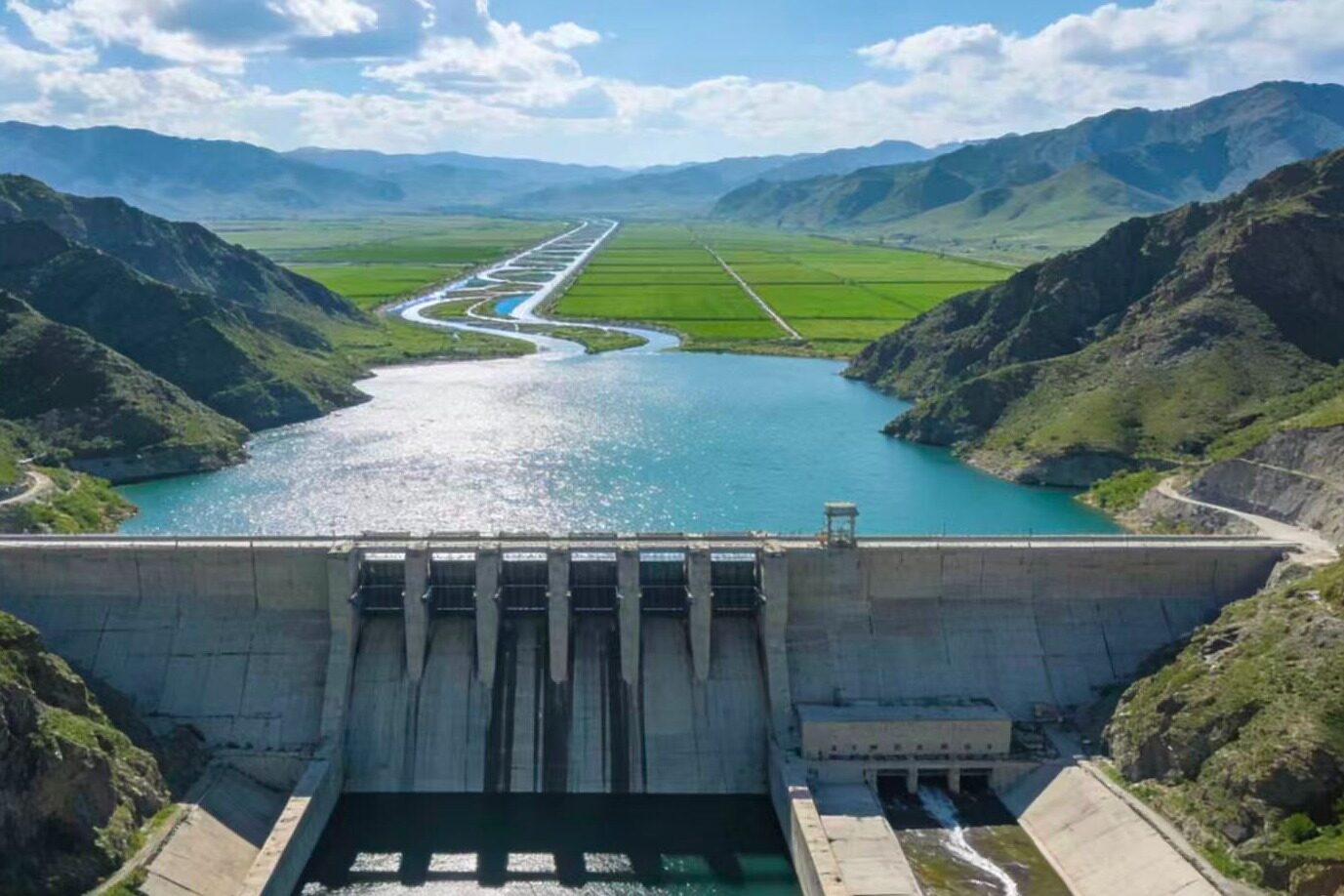
When water becomes the core issue of geopolitical and economic security in Central Asia, Kazakhstan is investing billions of dollars to solve the dilemma. In the past two years, the country has invested over 1 billion US dollars (approximately 579 billion tenge) to promote water infrastructure reform. By repairing aging facilities, building new water storage projects, and upgrading irrigation networks, it has injected "fresh water" into national development and regional stability under the dual challenges of climate change and cross-border water resource competition.
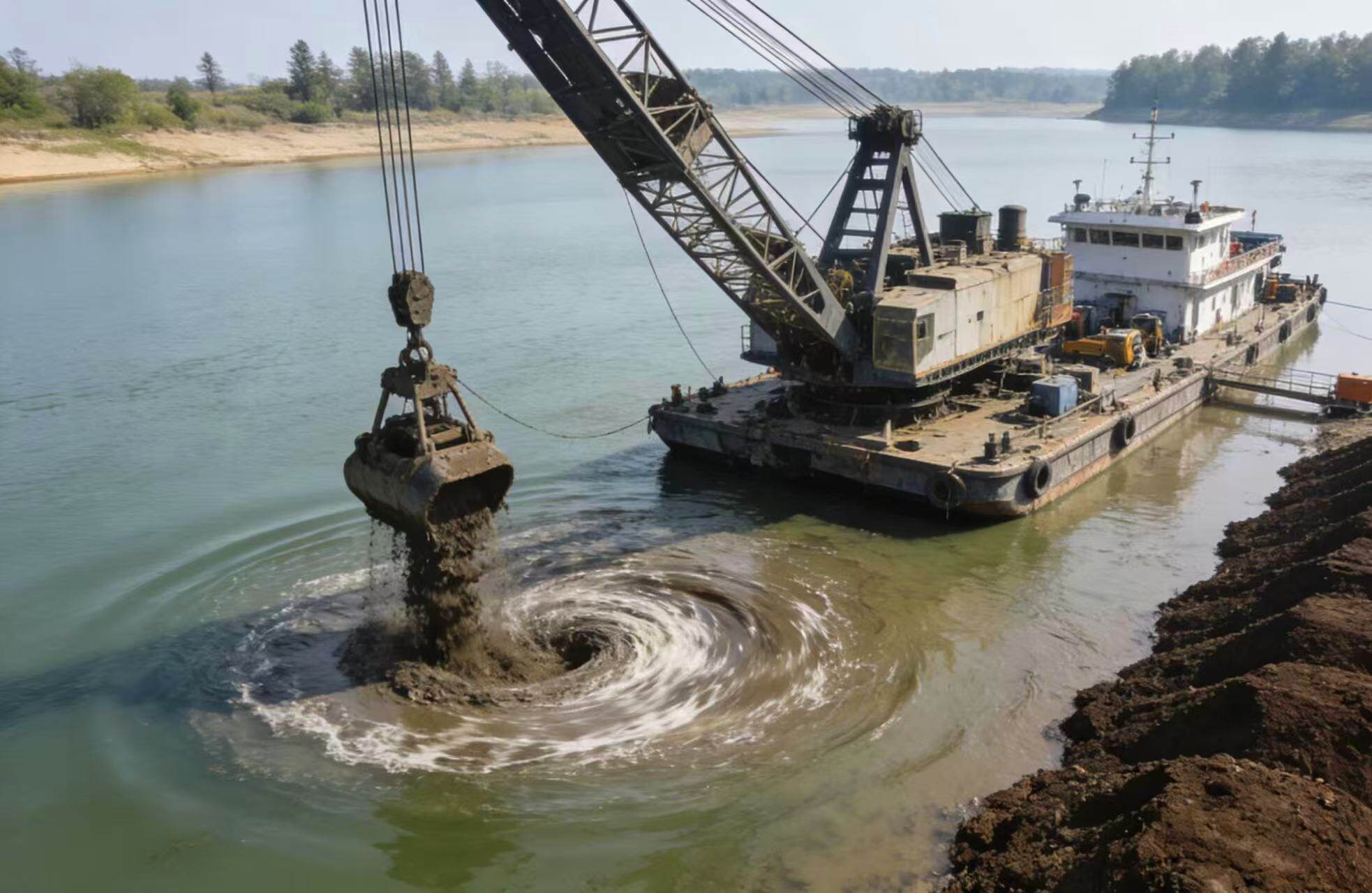
This nationwide water conservancy upgrade plan is currently one of the most important infrastructure projects in Central Asia. Kazakhstan is simultaneously advancing 145 water conservancy projects, while improving the design and feasibility study of nearly 300 facilities, focusing on tackling core water conservancy assets that have not been repaired for decades: completing the reconstruction of the Kzylagash Reservoir in Almaty Oblast and the Chalsk Reservoir in Abay Oblast, launching large-scale dredging of the Astana Reservoir, advancing the completion project of the Kapuchagai Reservoir in Turkestan Oblast, and carrying out the first major overhaul of the Kirov Reservoir in West Kazakhstan Oblast in 58 years. In addition, the Karakus Reservoir and Baidibek Ata Reservoir in Turkestan State will be completed in 2026, adding 69 million cubic meters of storage capacity. After the restoration of the Koksarai Regulating Reservoir, the total storage capacity has been increased to 2 billion cubic meters.
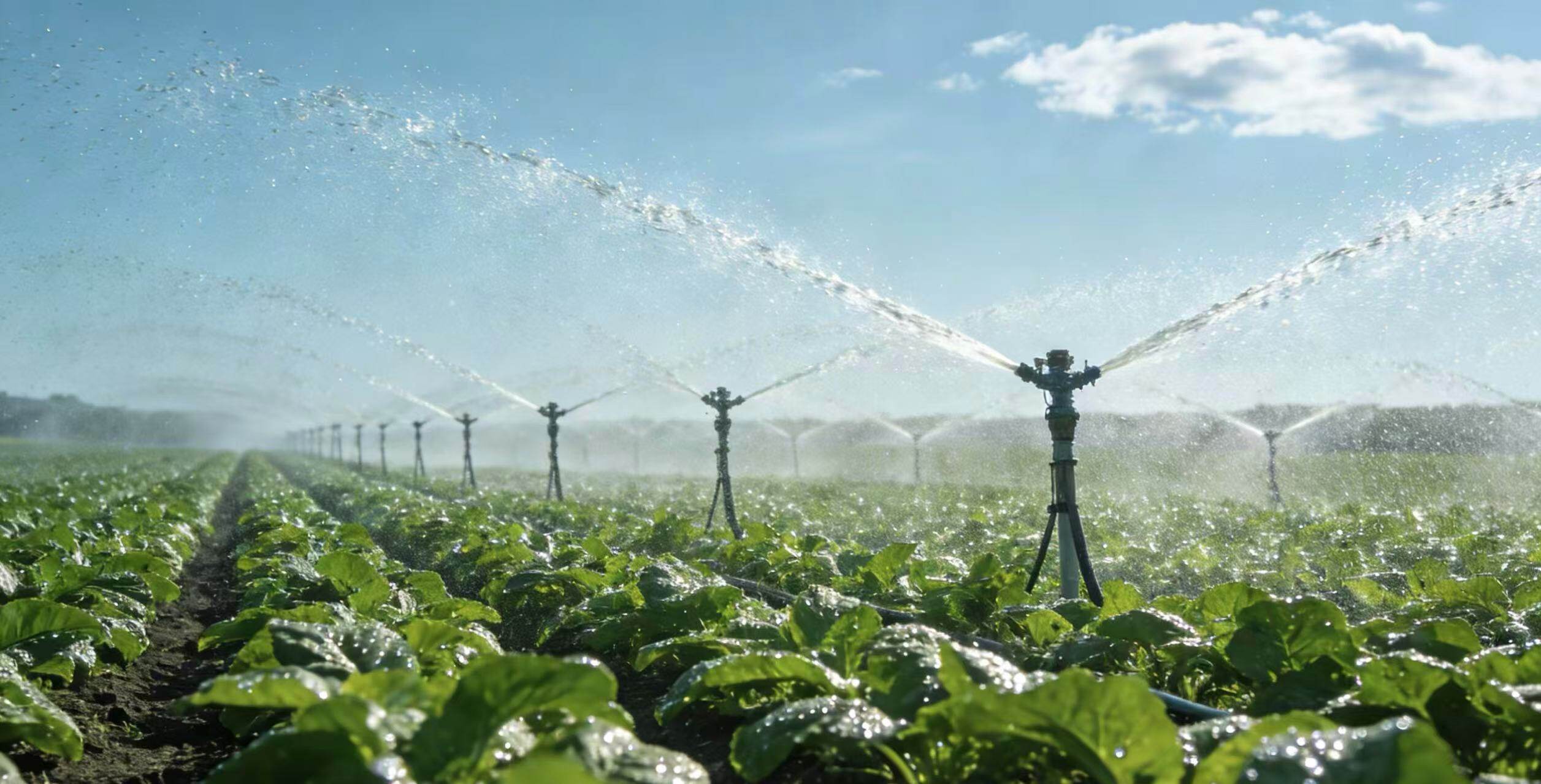
As a country where agricultural water usage accounts for over 70%, modernization of irrigation systems is the core focus of this investment. Kazakhstan has completed the restoration and renovation of 700 kilometers of irrigation networks, with plans to put 1900 kilometers of irrigation canals into operation by the end of 2025, covering 256000 hectares of farmland. By introducing digital monitoring technology, more than 3400 kilometers of water channels in 6 states have been upgraded to automation, which can reduce water resource waste by 20% -30%. Only Kizillorda state has launched an automated water monitoring project for 232 kilometers of water channels. At the same time, the government will increase the subsidy ratio for water-saving technologies to 80%, promote sprinkler irrigation, drip irrigation and other technologies to cover an average of 150000 hectares of farmland per year, and aim to achieve 1.3 million hectares of water-saving irrigation area by 2030, saving 10 billion cubic meters of water annually.
The social value of engineering is rapidly emerging. Thirteen water pipeline projects have been completed one after another, providing stable water supply to 469000 residents in 224 settlements. Among them, 32000 residents in 43 settlements have been connected to the centralized water supply system for the first time. Behind this breakthrough in people's livelihoods is the institutional guarantee of the new "Water Code" - the new code, which will come into effect in June 2025, establishes five principles of efficient utilization and comprehensive management of water resources. By strictly regulating illegal water use and regulating the cultivation of high water consuming crops, a full chain water resource management system is built. In addition, Kazakhstan has strengthened its guarantee through international cooperation, not only reaching financial cooperation with institutions such as the European Bank for Reconstruction and Development and the Islamic Development Bank, but also signing multiple cross-border water supply agreements with neighboring countries in Central Asia, laying the foundation for the rational allocation of cross-border rivers such as the Syr Darya River.

Against the backdrop of frequent cross-border water resource disputes in Central Asia, Kazakhstan's water conservancy reform holds greater strategic significance. By enhancing its capacity for independent water storage and efficient utilization, the country has effectively reduced its dependence on cross-border water resources and alleviated the water supply pressure caused by climate change and upstream hydropower station scheduling. As the Minister of Water Resources and Irrigation, Nurjan Nurigitov, has stated, these investments are not only the modernization of infrastructure, but also the "ballast stone" for national economic security and regional stability. With the advancement of the "2024-2030 Water Resources Management Development Plan", Kazakhstan will build 42 new reservoirs and repair 37 existing reservoirs by 2030, further strengthening the water security barrier in Central Asia and injecting lasting momentum into regional sustainable development.Editor/Bian Wenjun
Comment



 Praise
 Collect
 Comment

 Share
Share


Write something~