 Search


- The National Development and Reform Commission has approved a batch of major projects with a total investment exceeding 400 billion yuan
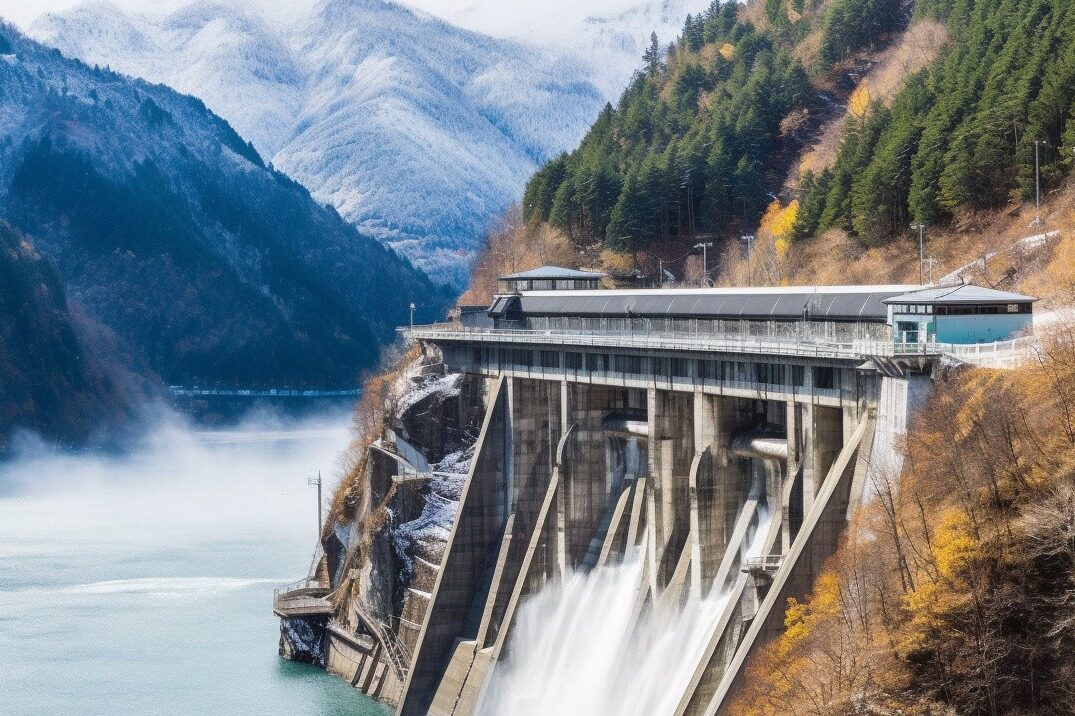
On the eve of the Winter Solstice, as the northern land gradually froze, a piece of approval from the National Development and Reform Commission ignited a flame in winter for the somewhat dormant Chinese infrastructure industry. The "project list" with a total investment of over 400 billion yuan is like a reassurance pill, directed towards those builders who are exploring and moving forward in the industry cycle. This list is not filled with traditional roads and bridges, but rather a strategic layout for the future - from the cross sea artery on the coast of the South China Sea to the "lifeline of the water network" on the Liaodong Peninsula, from the hydropower pearl on the snowy plateau to the national strategic research tool. This is not only a collection of projects, but also a clear industry indicator, announcing the beginning of a new era of infrastructure construction.
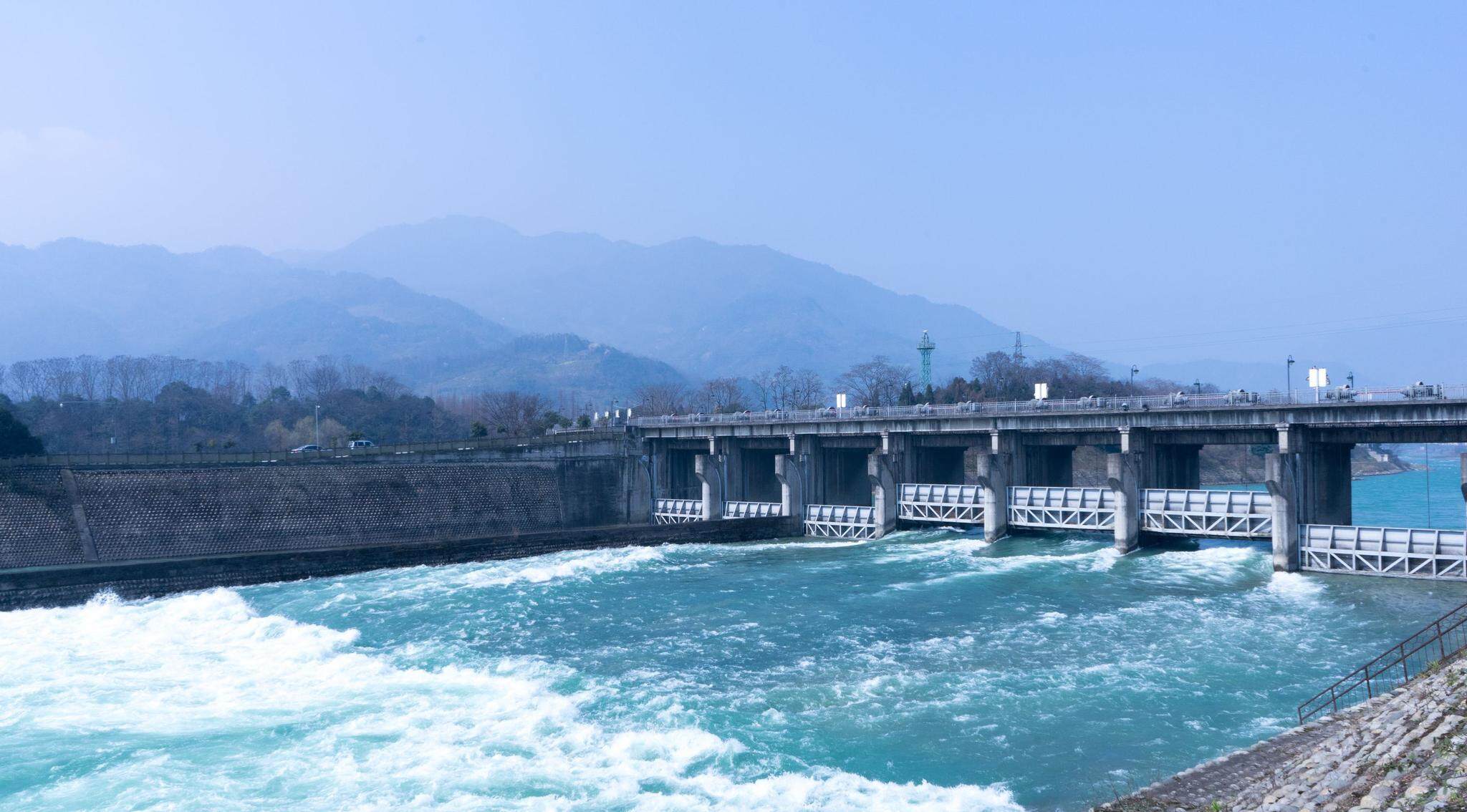
Strengthen the security of the national water network
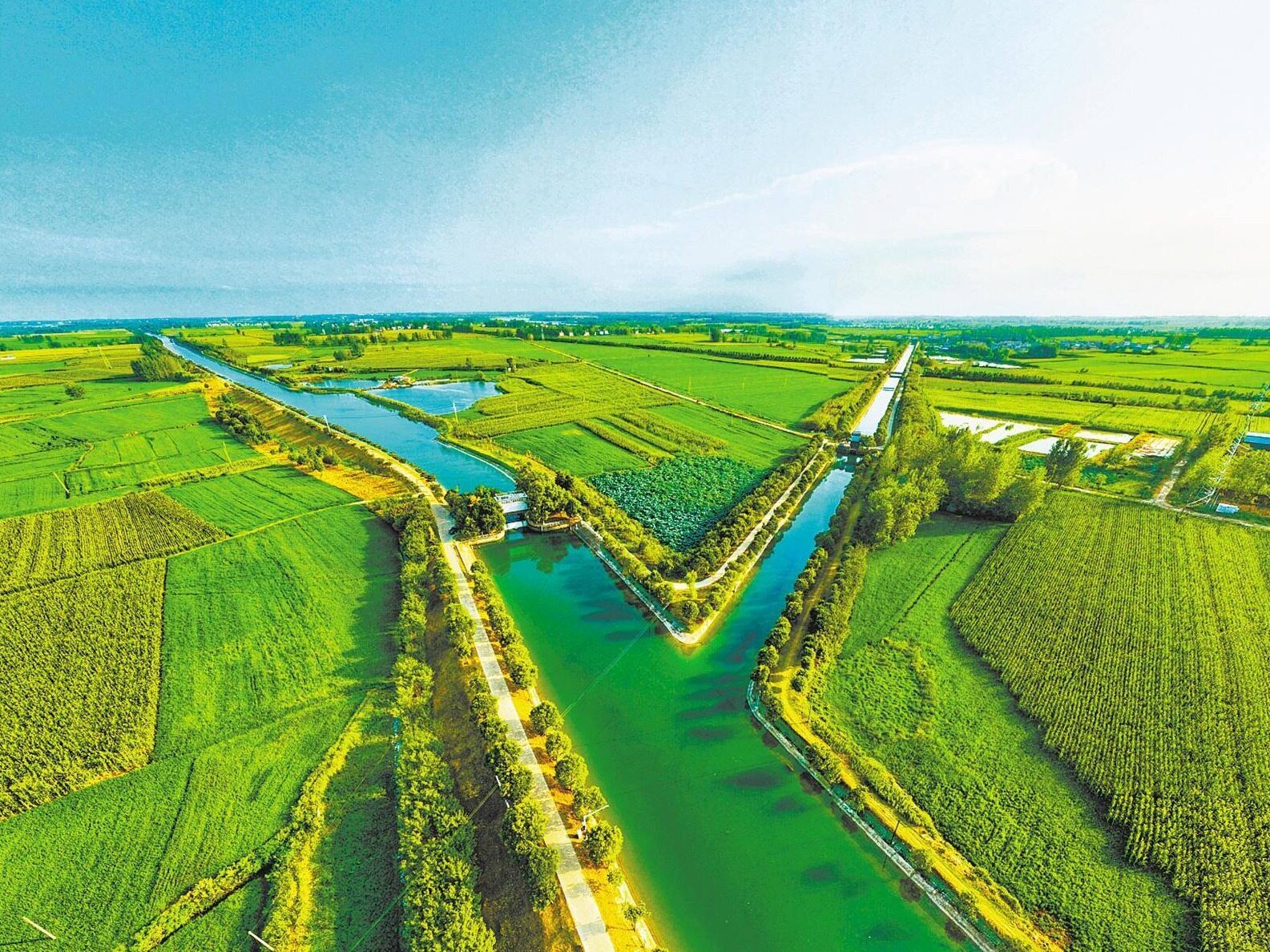
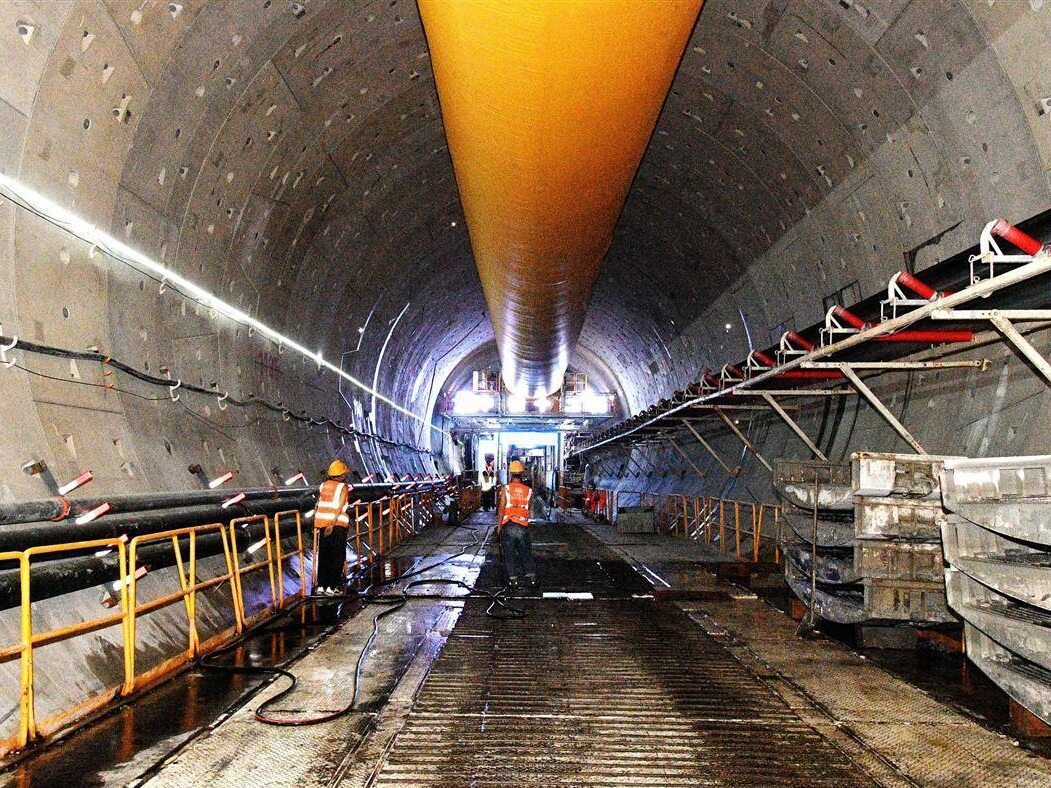
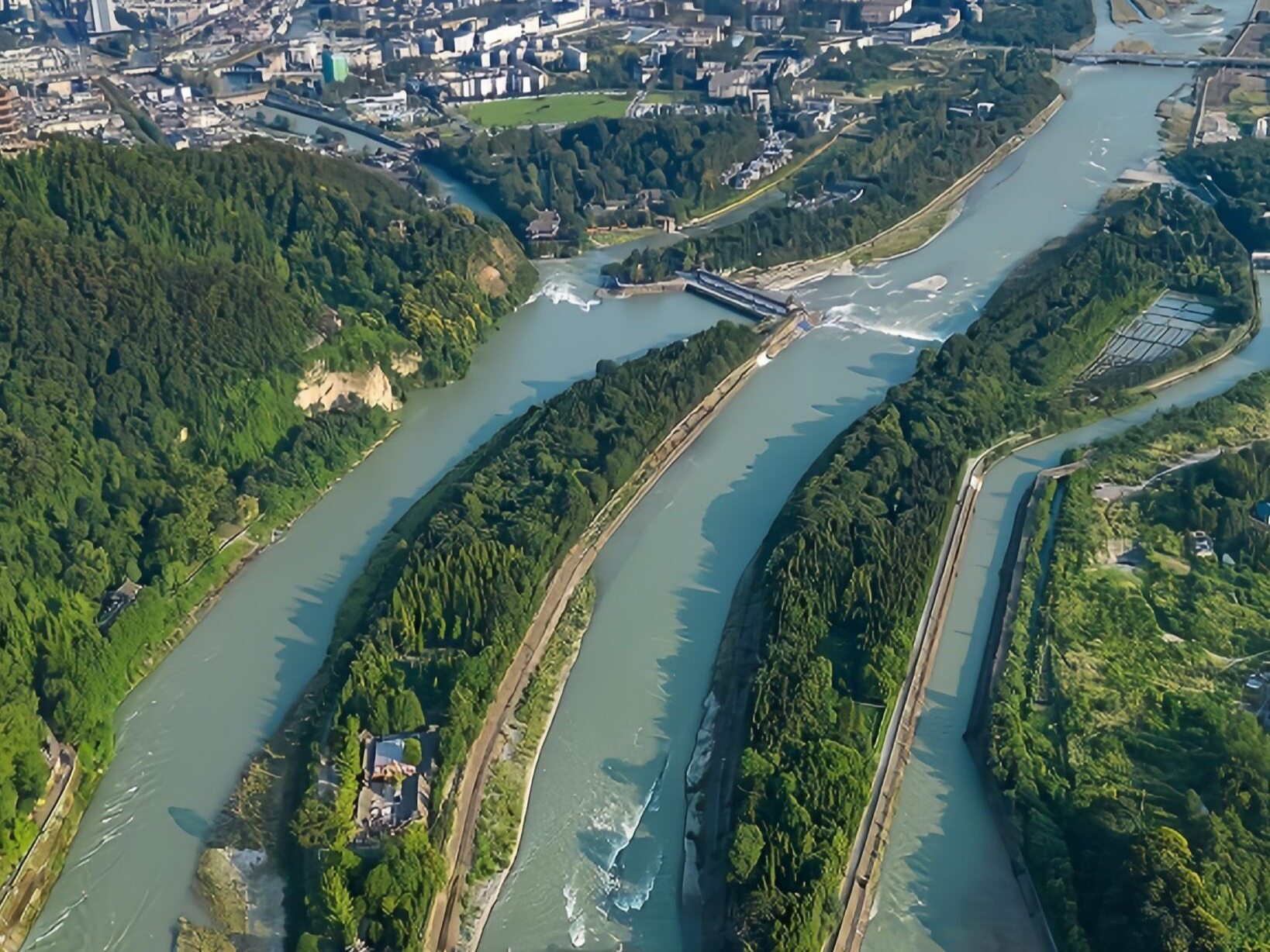
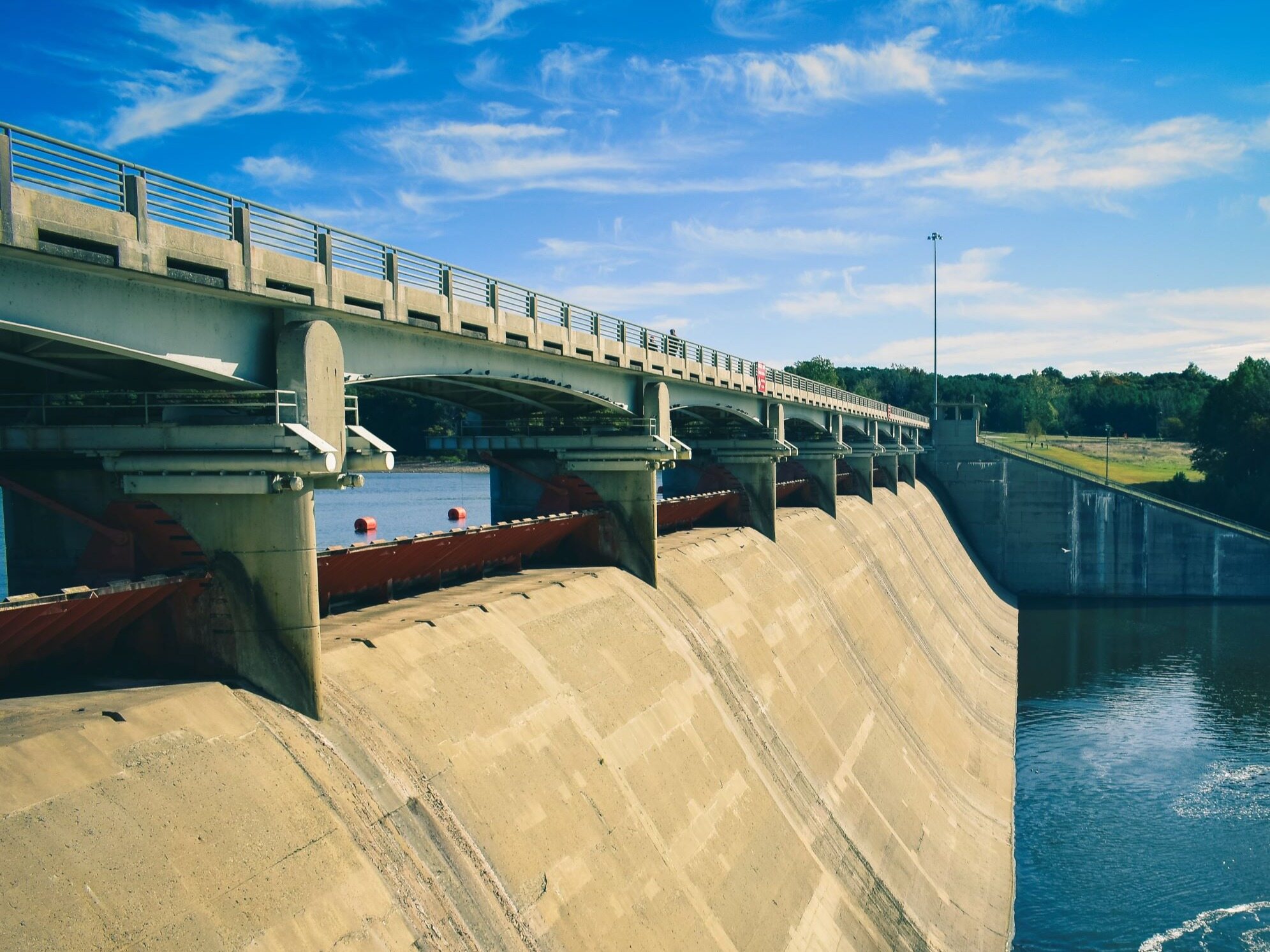
On the 400 billion dollar map, the weight of water resource allocation and clean energy development is unprecedented. The Liaodong Peninsula Water Resources Allocation Project is like an artery of "North to South Water Diversion", aiming to solve the long-term dilemma of uneven distribution and tight supply and demand of water resources in the Liaodong region. This is not only a water conveyance project, but also a strategic foundation that supports regional coordinated development, ensures food security, and serves as the lifeline of industry.
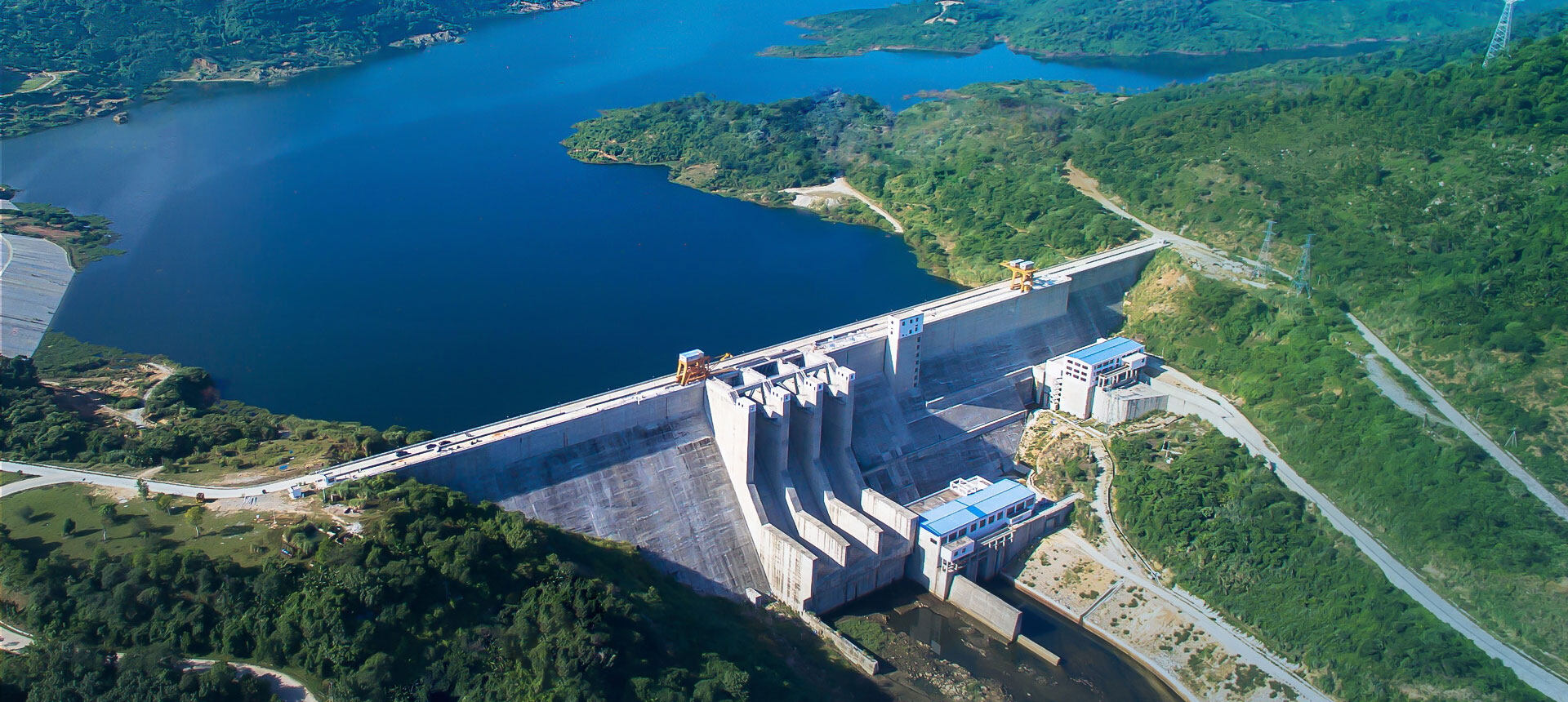
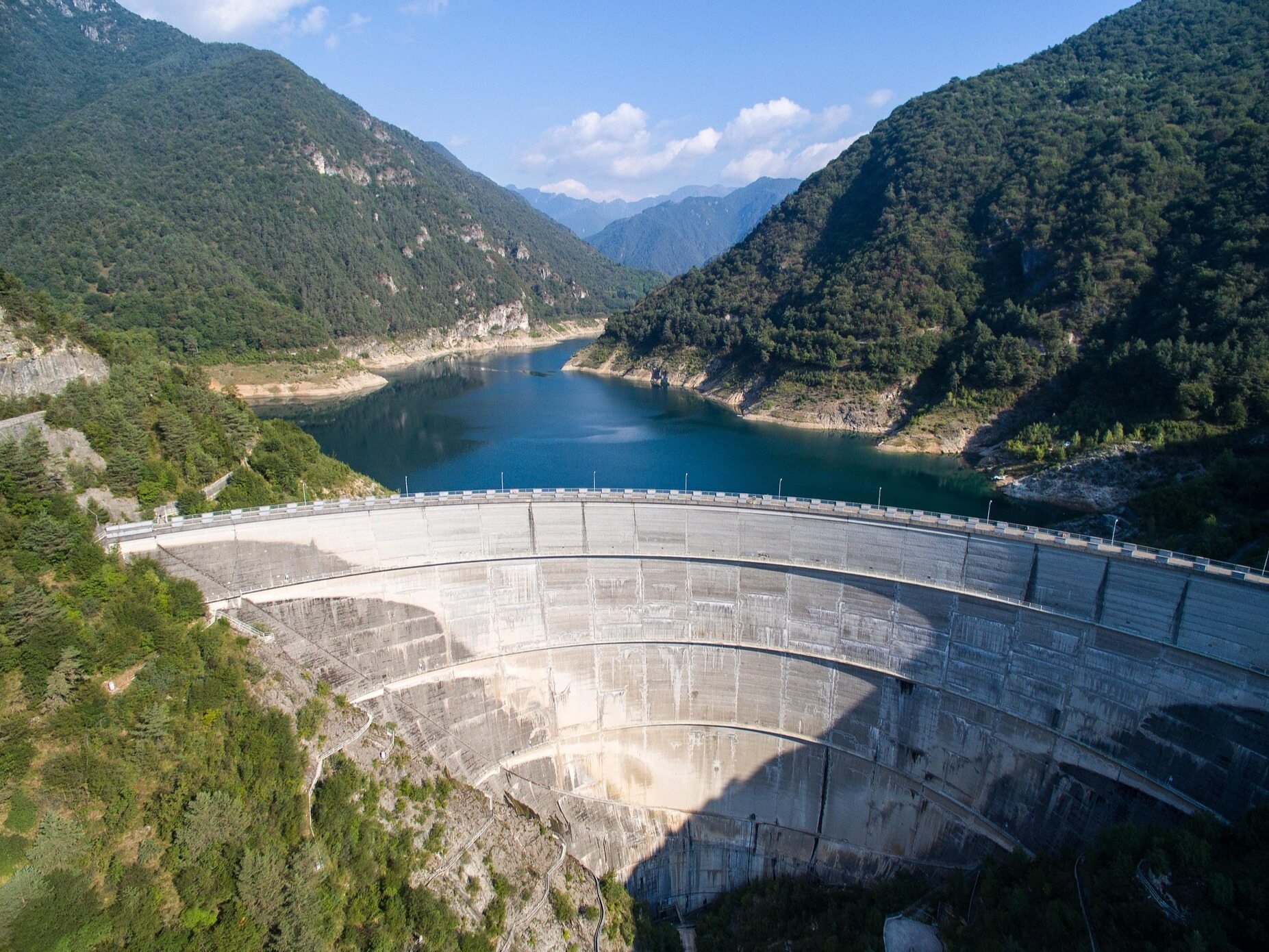
Correspondingly, the Dadu River Danba Hydropower Station located on the western Sichuan Plateau is a complex of clean energy and watershed management. It is no longer just a single power station, but a comprehensive hub that integrates power generation, flood control, and ecological dispatch, representing a new stage of refined and diversified hydropower development. This type of project has huge investment, complex technology, and long construction period, which can provide long-term and stable orders for design, construction, and equipment manufacturing enterprises in the industrial chain. It is a typical "ballast stone" type project. This also indicates that in the future, the construction of such comprehensive water conservancy hubs will become the norm in the upper reaches and tributaries of major rivers such as the Yangtze River and the Yellow River.
New infrastructure points towards the forefront of innovation
A distinctive feature of the list approved this time is the prominence of national level scientific research infrastructure. The construction of major scientific research platforms in Huairou and Yazhou Bay National Laboratories marks that infrastructure investment is deeply serving the national strategy of scientific and technological self-reliance and self-improvement.
These projects are not ordinary buildings, but "super workshops" tailored for cutting-edge scientific research. They have almost stringent requirements for the stability, cleanliness, anti vibration, electromagnetic shielding, and other aspects of building structures. For example, some laboratories require ground subsidence amplitude to be controlled at the micrometer level, which undoubtedly poses the ultimate challenge to construction accuracy and material science. This means that the competition in the future construction market will shift from "scale and speed" to "technological value". Enterprises that can participate in such projects not only require top-notch construction capabilities, but also interdisciplinary solution capabilities. This has opened up a new, high value-added "new infrastructure" track for the industry.
From 'Unicom' to 'Hub Upgrade'
The investment logic in the transportation sector is undergoing a profound transformation, from the "connection" stage of the road network to the "hub attack" stage of tackling key nodes. The construction of Guangzhou's new airport aims to strengthen the collaborative ability of the world-class airport cluster in the Guangdong Hong Kong Macao Greater Bay Area, optimize airspace resources, and is the core solution to enhance the level of international aviation hub.
More symbolically, the cross sea ferry and route project from Zhanjiang to Haikou. It is not just a transportation channel, but also a "physical bond" that connects the mainland of China with Hainan Free Trade Port. It plays an irreplaceable role in ensuring the transportation of national strategic materials, deepening the integration of the Qiongzhou Strait Economic Belt, and supporting Hainan's comprehensive deepening of reform and opening up. These types of projects often face complex geological, sea conditions, and environmental challenges, making them the "crown jewel" of engineering technology. Their advancement indicates that the main battlefield of future infrastructure will focus more on similar "bottleneck" channels, key hubs, and smart upgrade projects. Keywords: Hydroelectric New Energy, Hydroelectric New Energy News
This 400 billion blueprint clearly sends a signal: China's infrastructure construction has bid farewell to "flood irrigation" and entered a new stage of high-quality development of "precision drip irrigation". For the engineering industry, the key to survival and development is no longer simply scale expansion, but whether it can keep up with national strategies and hone irreplaceable core technological capabilities in strategic areas such as water conservancy and new energy, high-end scientific research facilities, and major transportation hubs. The world of rivers and lakes has changed, only those who follow the trend can open a new chapter in the new game. (This article is from the official website of Jian Dao www.seetao.com. Reproduction without permission is prohibited, otherwise it will be prosecuted. Please indicate Jian Dao website+original link when reprinting.) Jian Dao website water conservancy column editor/Gao Xue
Comment

 Praise
 Collect
 Comment

 Share
Share


Write something~