 Search


- This large-scale railway PPP project will provide important market opportunities for international enterprises, including CRRC
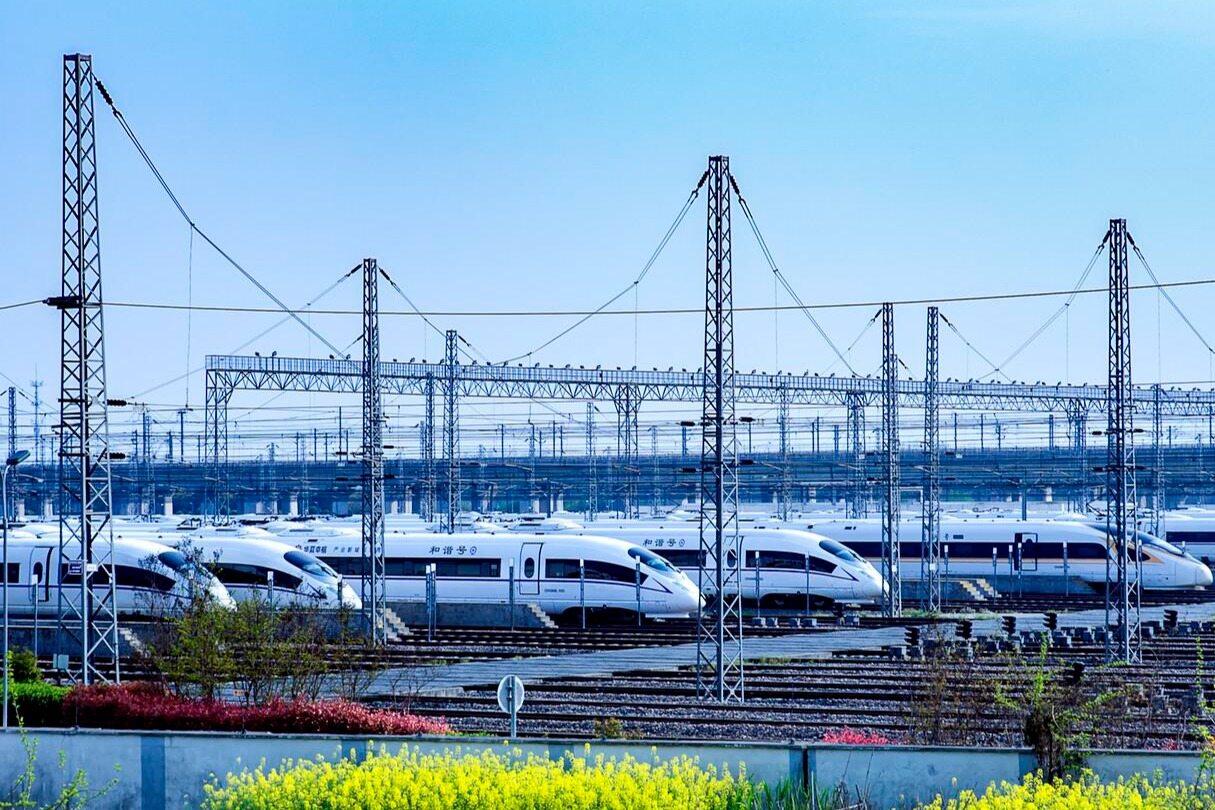
In the economic heart of South America, the state of S ã o Paulo, a massive new blueprint for rail transit is slowly unfolding. The state government has officially updated the railway PPP project plan with a total investment of up to 19 billion reais, approximately 30 billion yuan. The core is to upgrade and renovate the existing No. 10 turquoise line, and construct a new No. 14 agate line connecting Guarulhos and Saint Andr é. The bidding is expected to start in the second half of 2026, which is not only a renewal of infrastructure, but also a key step for S ã o Paulo to reshape the urban transportation pattern and move towards a more efficient future.
Dual line approach, expansion and upgrading
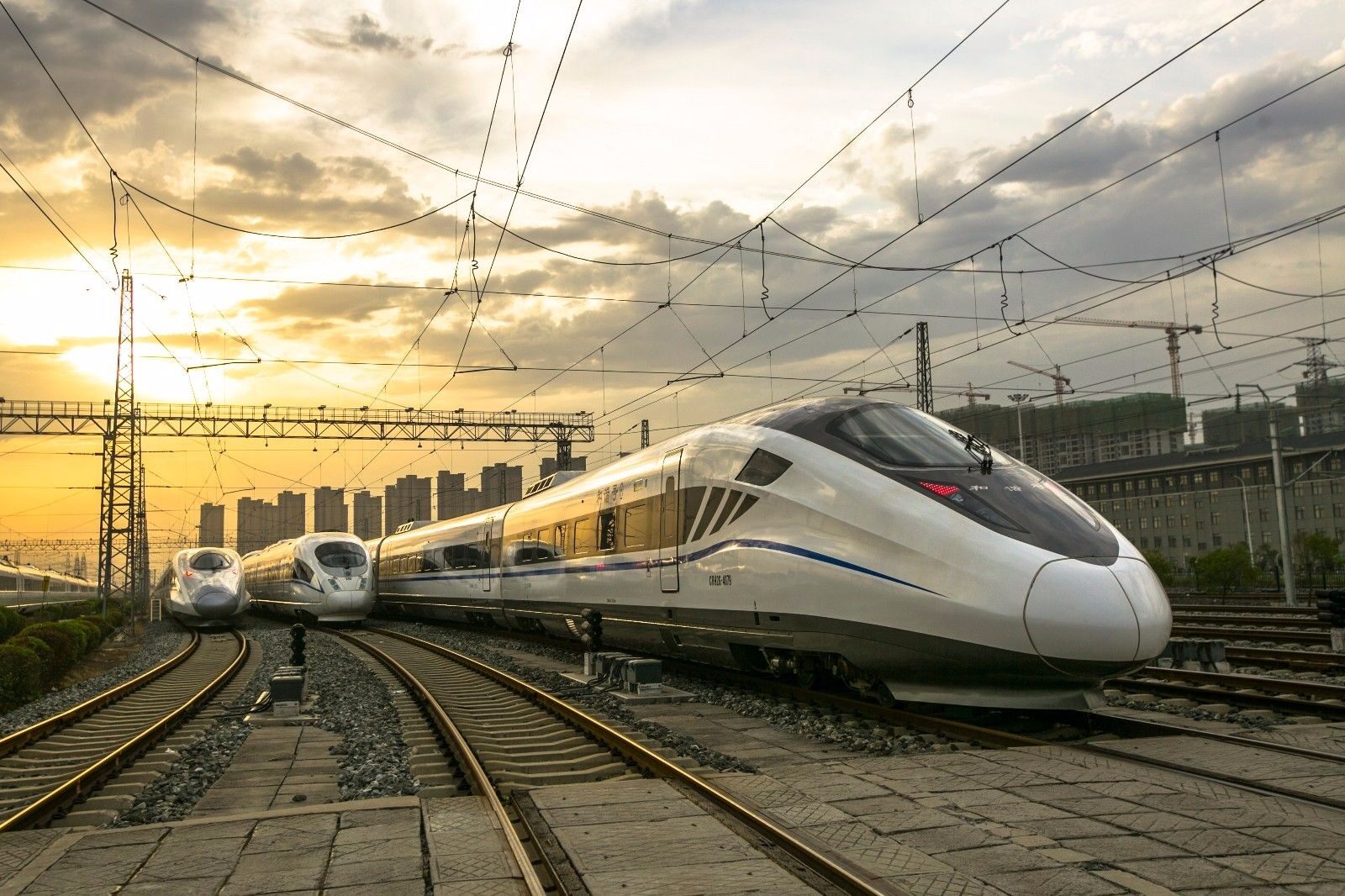
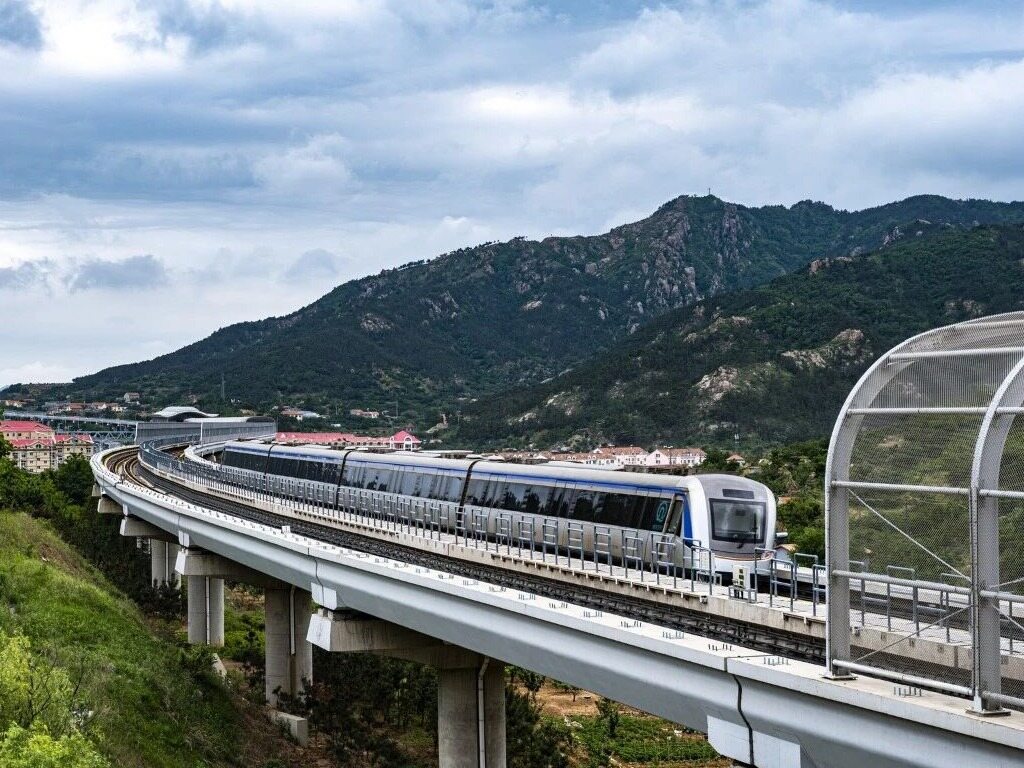
The core of this PPP project is to carry out both renovation and new construction simultaneously. On the one hand, the 100 year old Line 10 will undergo modernization and renovation, with plans to add 3 new stations to optimize coverage, and comprehensively upgrade key systems such as signaling and power supply to significantly enhance the operational capacity and service reliability of this backbone line. On the other hand, the newly constructed Line 14, with a total length of about 40 kilometers, plans to set up 23 stations, aiming to open up a fast track between the Guarulhos International Airport area and the San Andr é industrial town, effectively relieve ground traffic pressure, and promote regional economic integration. Both lines are included in a 30-year franchise contract, with the winning bidder responsible for long-term investment, financing, construction, operation, and maintenance, forming a sustainable development model.
Purchase additional trains and plan for the long term
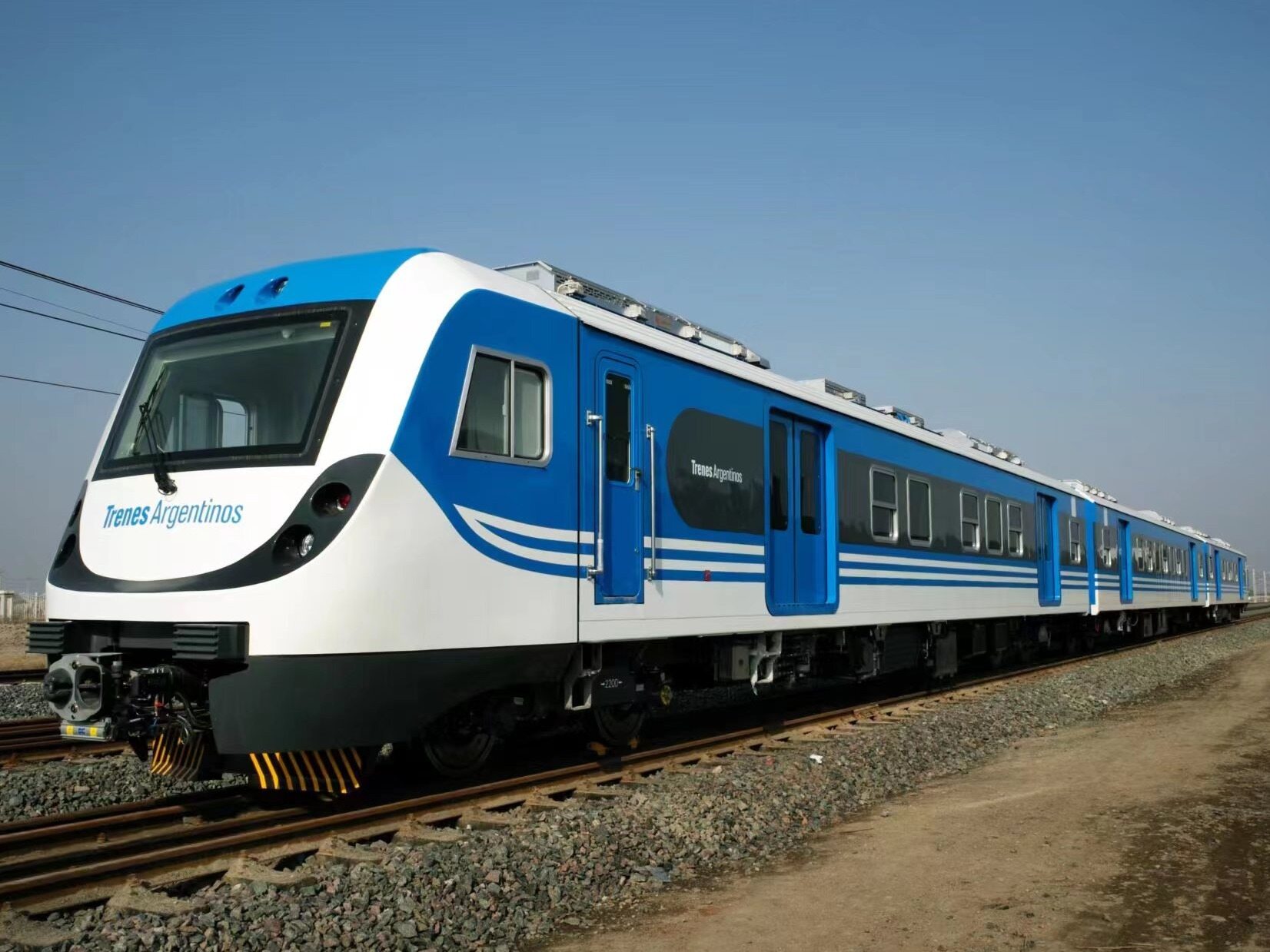
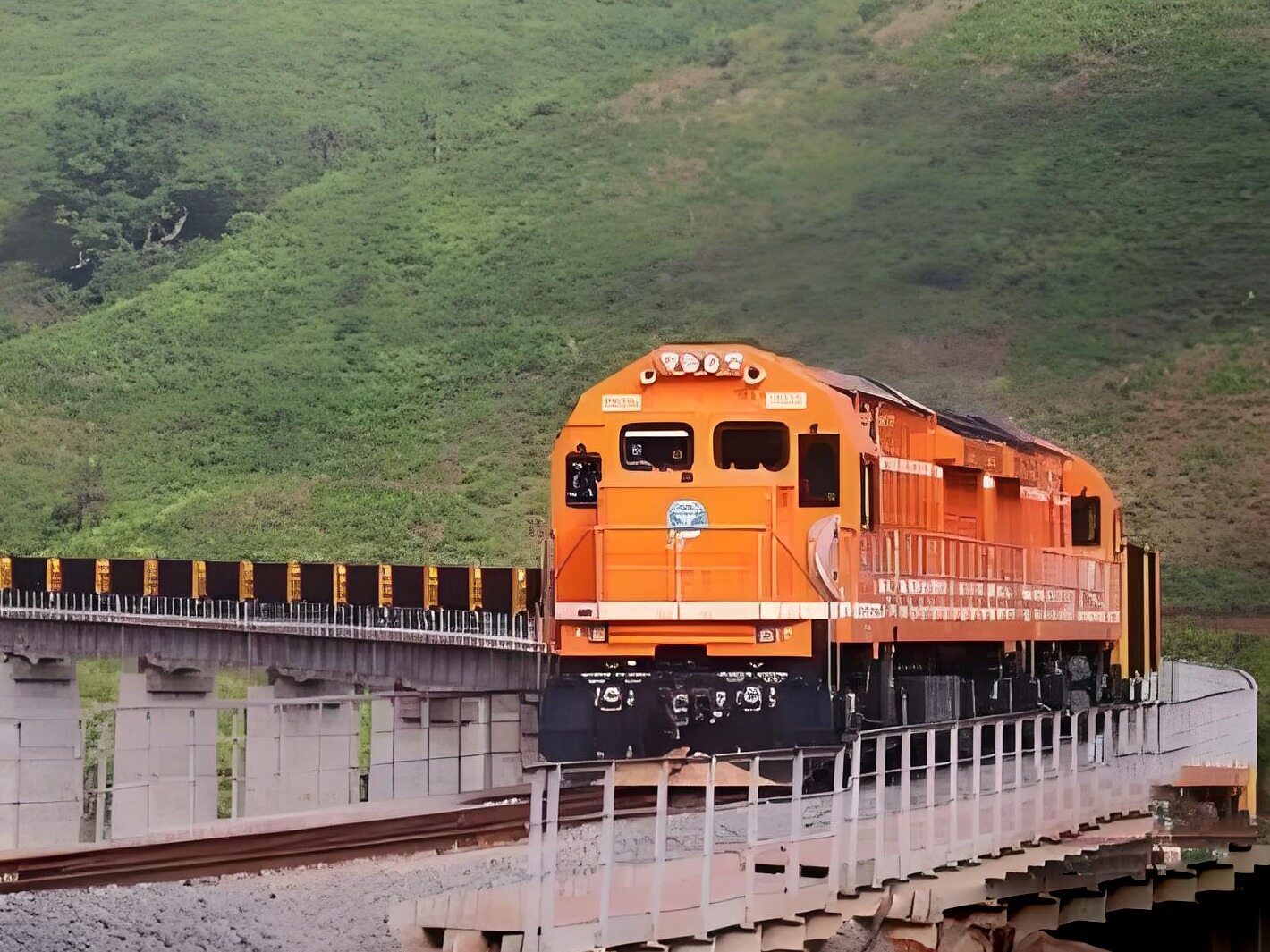
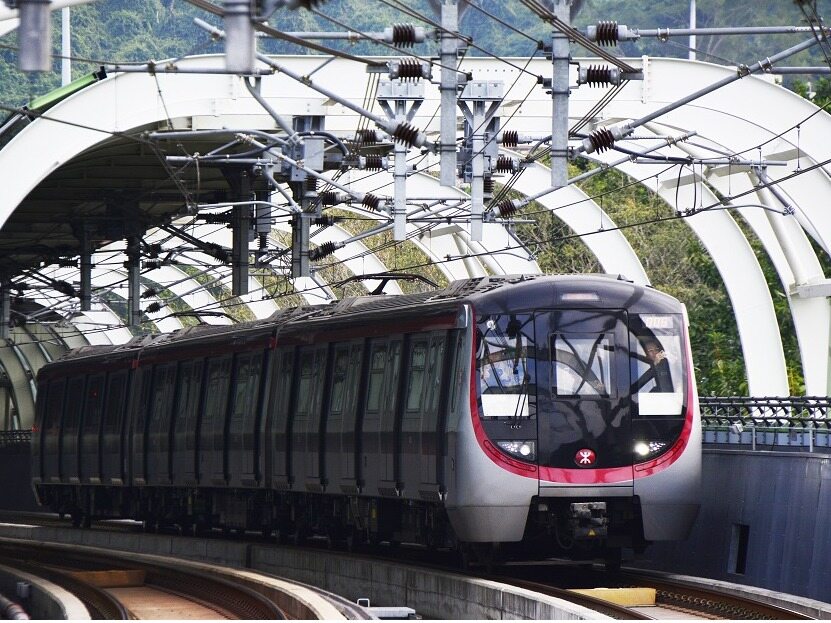
To ensure service quality for the next thirty years, the project has made advanced and detailed planning for train capacity. According to the latest revised bidding draft, the total number of train procurement has been increased from the original plan of 29 trains to 34 trains, an increase of about 18%, to cope with the expected growth in passenger flow in the medium and long term. The specific implementation path is clear: the winning bidder needs to purchase 21 brand new trains and put them into operation before 2030; At the same time, the state government plans to purchase up to 13 new trains by 2040 in order to gradually replace old vehicles. This hybrid model of "enterprise procurement+government supplementation" not only clarifies the core responsibilities of franchisees in the early stage, but also reserves flexible space for future vehicle updates, ensuring reliable transportation capacity and advanced technology throughout the entire asset lifecycle. Keywords: Traffic News
Relying on performance, deeply involved
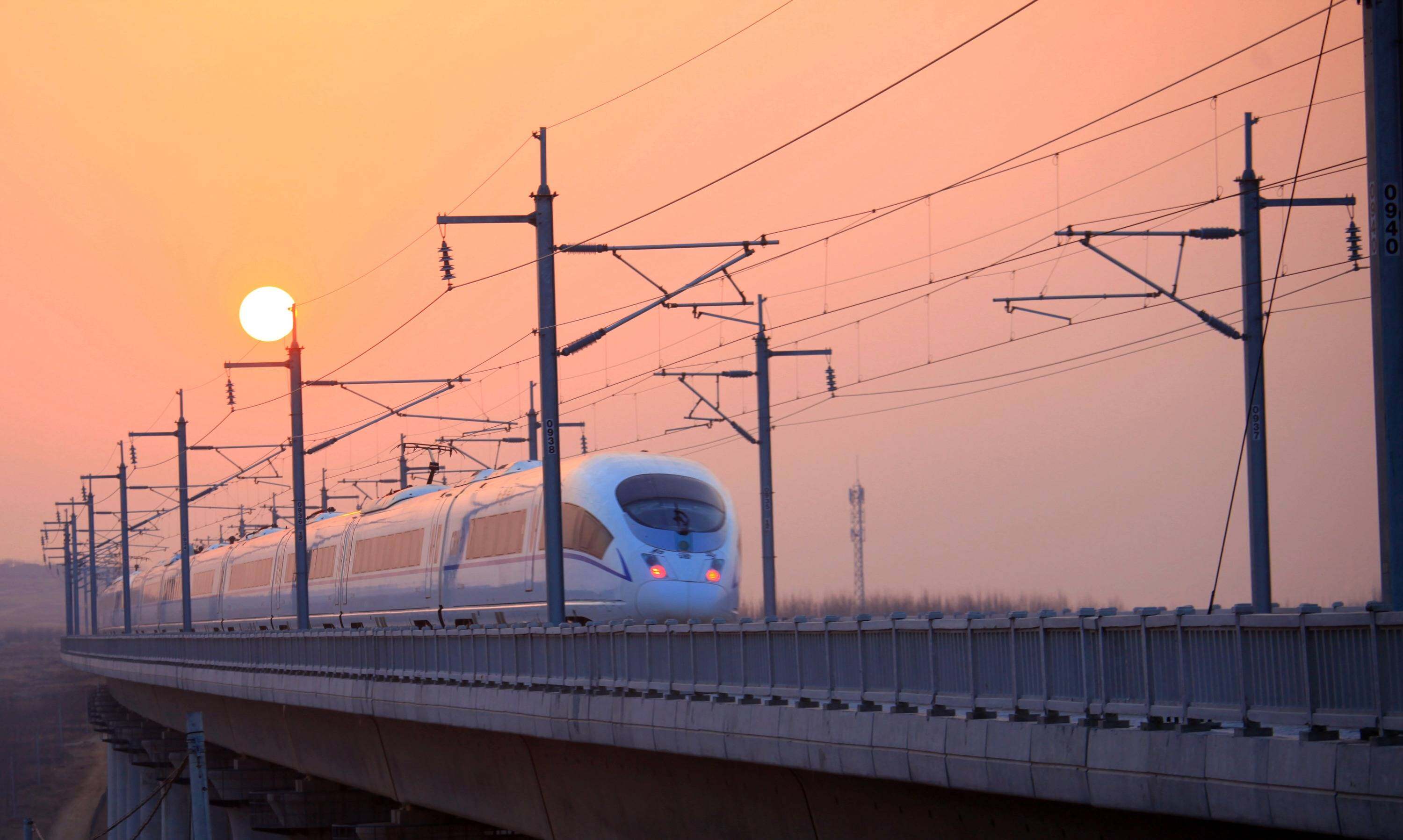
For Chinese rail transit companies, especially CRRC, which has recently made breakthroughs in the Brazilian market, this project represents a significant new opportunity. In early 2024, a consortium consisting of China CRRC Hong Kong Corporation and local Brazilian enterprises successfully won the bid for the Campinas intercity railway project in S ã o Paulo state with accurate pricing, with a total investment of approximately 13.5 billion Brazilian reals. This successful case not only proves that Chinese enterprises have the ability to provide "investment+construction+operation" full cycle solutions in complex international PPP projects, but also establishes valuable performance reputation and partnership relationships locally, laying a solid foundation for bidding for the larger and more significant Line 10 and Line 14 projects. The deep participation of Chinese enterprises is expected to bring advanced technology, mature operational experience, and competitive funding solutions to the project. (This article is from the official website www.seetao.com of Jian Dao. Reproduction without permission is prohibited, otherwise it will be prosecuted. Please indicate Jian Dao website+original link when reprinting.) Jian Dao website traffic column editor/Gao Xue
Comment

 Praise
 Collect
 Comment

 Share
Share


Write something~