 Search


- The railway project with a total investment of 17.6 billion yuan has officially started construction
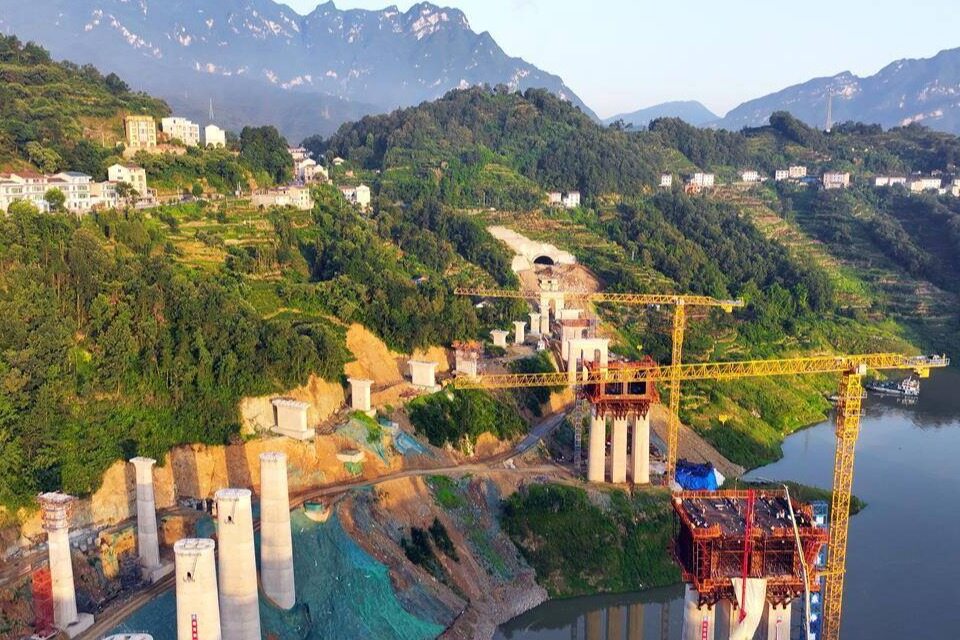
When the last day of 2025 arrives, the grand plan of Dongjiakou Port in Qingdao has not stopped, but has instead left behind a significant "key figure". At the end of the 14th Five Year Plan, a freight railway "artery" with a total investment of 17.6 billion yuan and running through four cities officially broke ground. It not only carries the future of a super port, but also affects the new pattern of regional development.
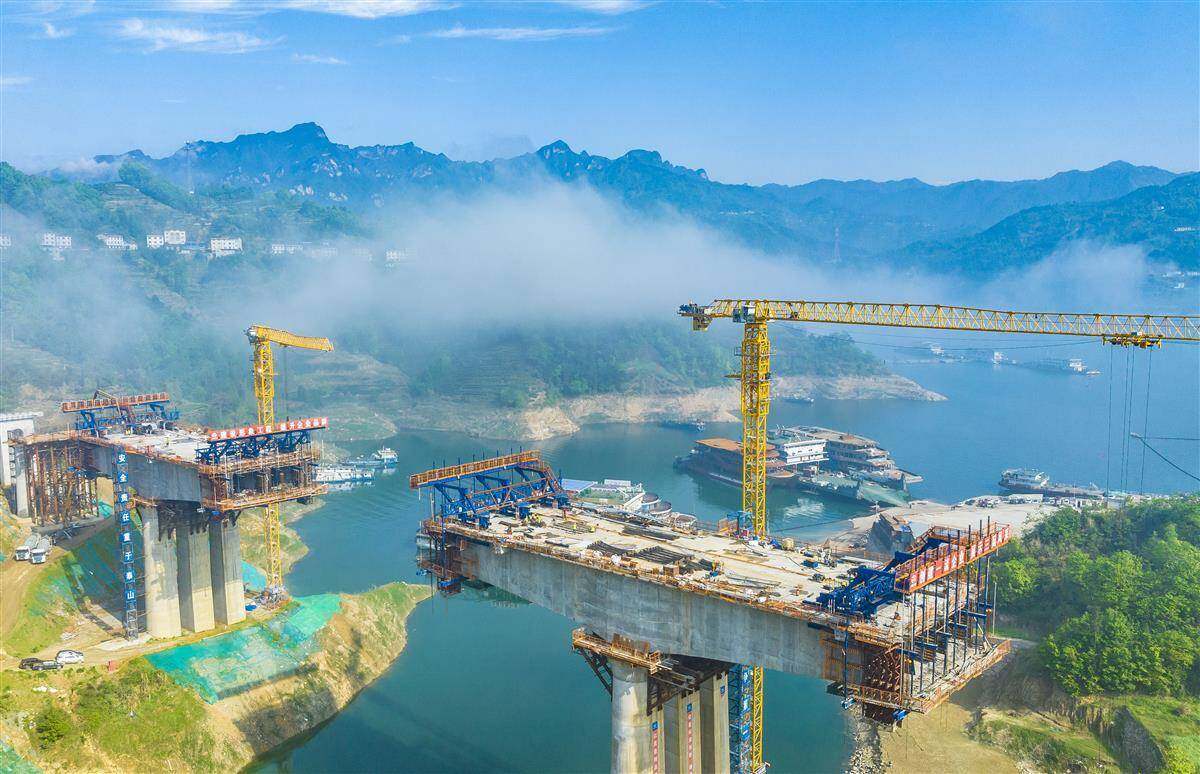
The largest freight railway project in Shandong
The expansion and renovation project of Dongjiakou Wulian Railway and Jiaoxin Railway, which started construction this time, is the largest investment and longest mileage major implementation type freight railway project in Shandong Province in 2025. The total length of the main line of the project is about 196.3 kilometers, including 62.8 kilometers of newly built lines, upgrading and renovating 133.5 kilometers of the existing Jiaoxin Railway, and constructing about 44 kilometers of connecting lines. There are a total of 11 stations and 6 railway stations along the entire line. The project starts from Dongjiakou South Station in Qingdao and runs westward through Weifang, Rizhao, and Linyi cities. It is planned to be completed and opened to traffic in 2028, aiming to build a modern railway transportation network with multiple interconnected channels.
Cracking the bottleneck of port collection and distribution transportation
This railway is positioned as the "lifeline" for the development of Dongjiakou Port Area. At present, the port area only relies on the Qinglian Railway as a mixed passenger and freight channel, with a designed annual freight capacity of 30.9 million tons. However, the actual freight volume by 2024 has reached 36.86 million tons, and the capacity has already reached saturation, seriously restricting the development of the port. After the completion of the project, the eastern end will be directly connected to Dongjiakou Port Area, and the western end will be seamlessly connected to the national trunk railway networks such as Jiaoji, Wari, Xinshi, and Longhai through the Jiaoxin Railway. At that time, the railway "artery" behind the port will be fully opened up, and it is expected that in the long run, the annual railway collection and distribution capacity will be increased by about 80 million tons, increasing the total capacity of external railway channels in the port area to 110 million tons per year, which will strongly support the strategic goal of "rebuilding Qingdao Port". Keywords: Traffic News
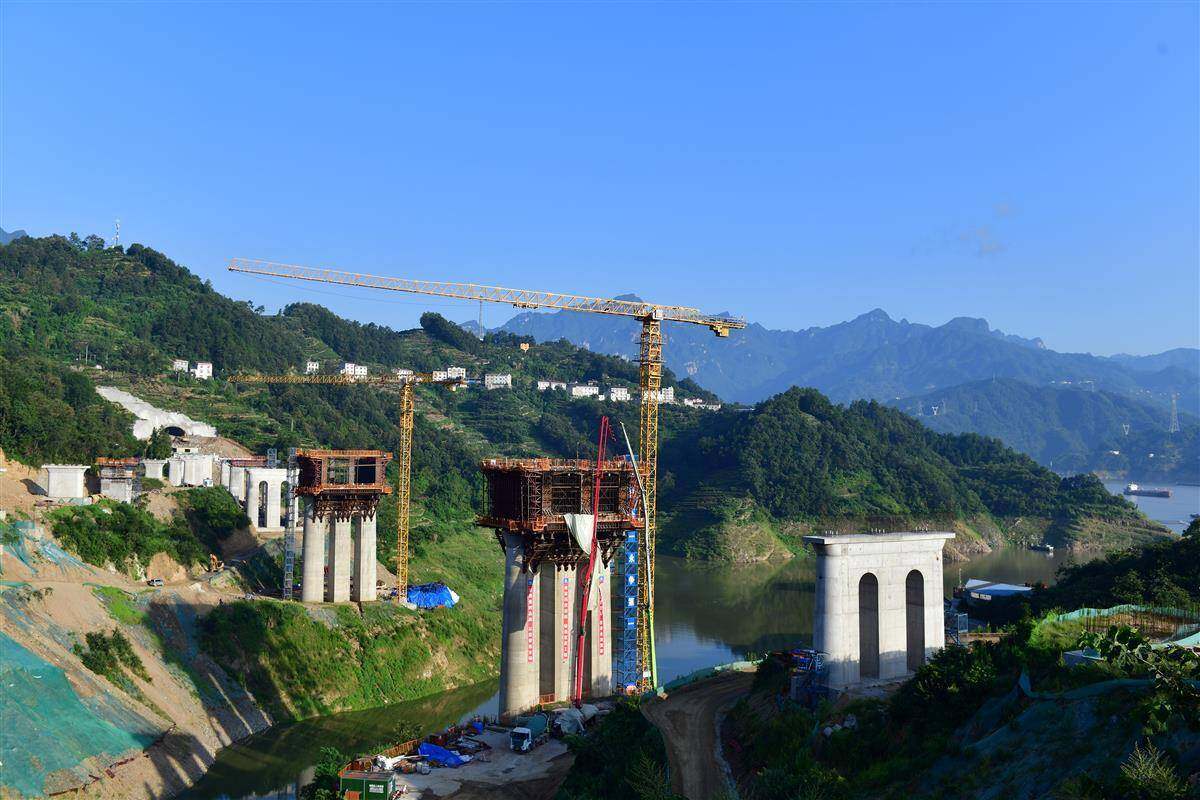
Radiating the hinterland and strengthening the hub function
The significance of this project goes far beyond the port itself. It will be the core strategic channel serving the Yellow River Basin, building a fast logistics corridor between Dongjiakou Port Area and the vast hinterland along the Yellow River Basin. This will not only greatly enhance Qingdao's ability to radiate and drive inland as an international shipping hub, further improve the layout of the eastern railway network in the country, strengthen regional connectivity, but also provide crucial infrastructure support for Qingdao and even Shandong to deeply integrate into the national strategy of ecological protection and high-quality development in the Yellow River Basin, and build an economic growth pole in the northern region. The project only took three and a half months from feasibility approval to meeting the conditions for commencement, and its efficient progress also demonstrates the determination and speed of the local government to promote the implementation of major strategic projects. (This article is from the official website www.seetao.com of Jian Dao. Reproduction without permission is prohibited, otherwise it will be prosecuted. Please indicate Jian Dao website+original link when reprinting.) Jian Dao website traffic column editor/Gao Xue
Comment

 Praise
 Collect
 Comment

 Share
Share


Write something~