 Search


- Realize efficient connection and transfer of various lines, and build a 'interconnectivity'
- After the completion of the two lines, it will effectively weave the rail transit network between the northern and western parts of Bangkok
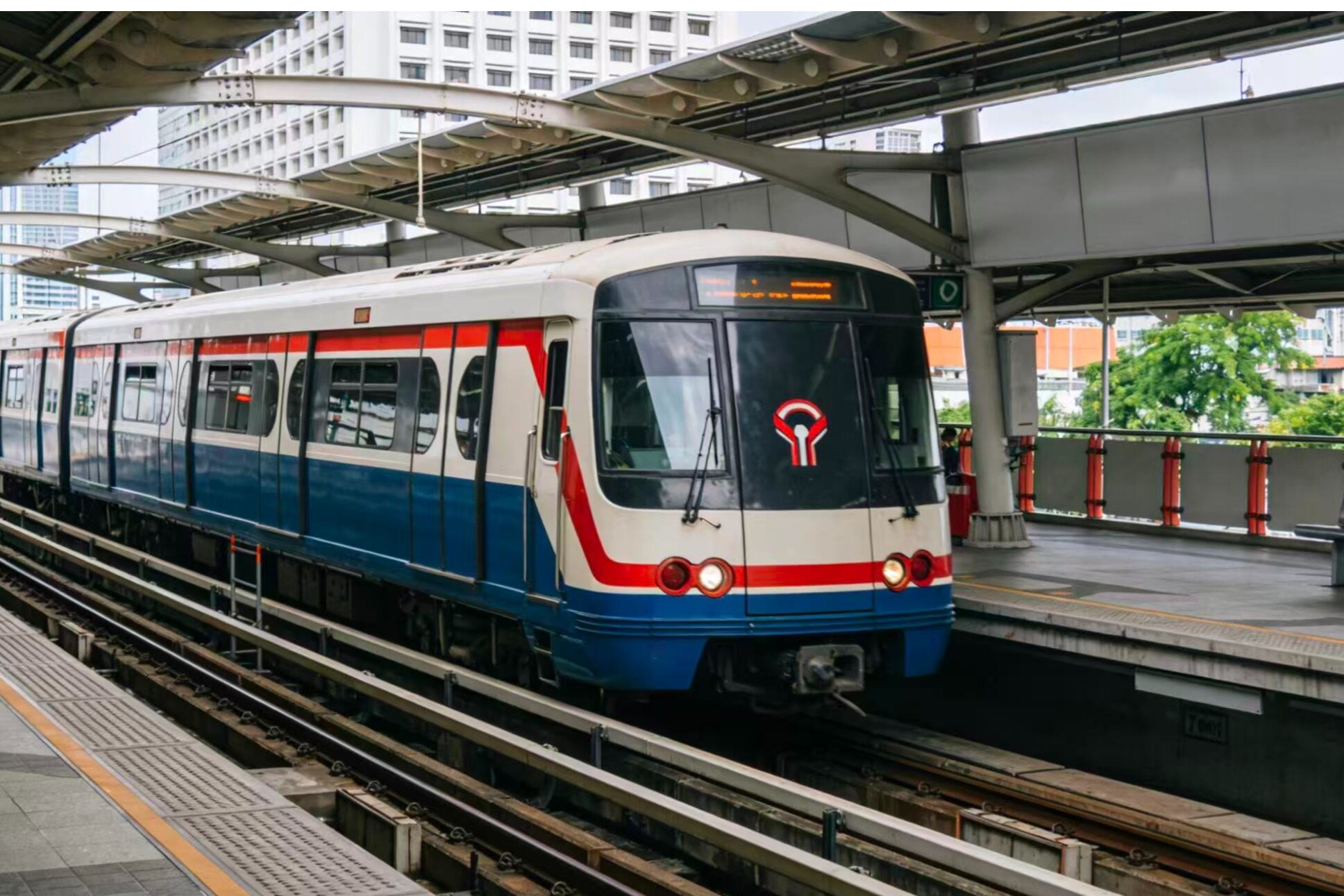
On January 6, 2026, the construction of urban rail transit in Thailand pressed the "acceleration button", and the Bangkok Red Line Commuter Railway Extension Project officially launched bidding, with a total investment of about 20 billion Thai baht (approximately 634 million US dollars). As the core project of the second phase master plan (M-MAP2) of the Bangkok Metropolitan Railway in Thailand, the project is expected to finalize the winning bidder and sign the contract in February 2026, and fully commence construction in March. The construction period is 36 months, and it is planned to be completed and put into use in March 2029.
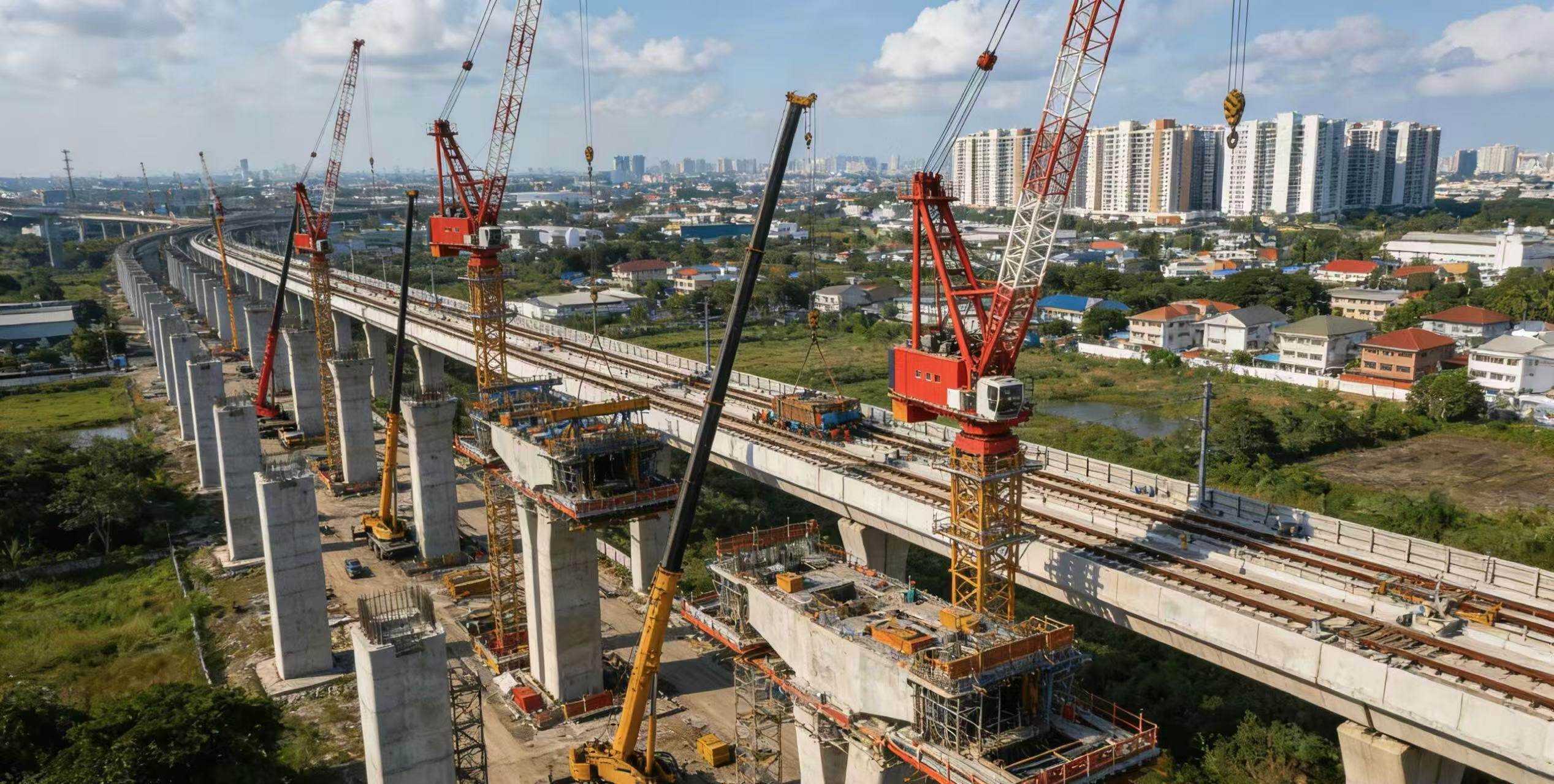
The extension project of this bidding includes two lines, with precise layout covering densely populated areas and transportation hubs in Bangkok and its surrounding areas. Among them, the Lanshi Fazheng University (Lanshi Campus) extension line has a total length of 8.84 kilometers, passing through Baton Thani City, Tanianburi County, and Kongluan County in Baton Thani Province, with a total of 5 stations and a project investment of 6.473 billion Thai baht; The Shili Lak Dalingzhan Saraya extension line has a total length of 20.5 kilometers, extending westward from Dalingzhan Station to Saraya Station, with a branch line connecting the Shili Lak area. It is planned to have 8 stations with an investment of 15.176 billion Thai baht. After the completion of the two lines, it will effectively weave the rail transit network between the northern and western parts of Bangkok, alleviating the pressure of regional ground traffic congestion.
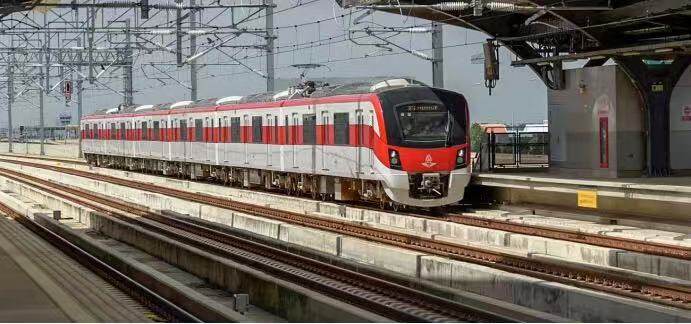
The Thai Ministry of Transport has clarified that the Bangkok Red Line Extension Project is a key rail transit flagship project to be promoted in 2026, and its implementation will leverage market investment of over 20 billion Thai baht. At the same time, the "missing link" project of the light red line and deep red line under the M-MAP2 framework is also being prepared simultaneously. The total length of the project is about 25.9 kilometers, with an investment of about 34.95 billion Thai baht. After completion, it will open up the breakpoints of the Bangkok rail transit network, achieve efficient connection and transfer of various lines, and build an "interconnected, convenient and efficient" urban rail transit system.
To ensure the smooth progress of a number of key transportation infrastructure projects, including the red line extension, the Thai Ministry of Transport has allocated a special budget of over 265 billion Thai baht (approximately 8.3 billion US dollars) in the 2026 fiscal year, with investment expenditures reaching 234 billion Thai baht. In the field of rail transit, in addition to the red line extension line, the bidding and contract signing procedures for the China Thailand high-speed railway phase II and double track railway construction phase II projects will also be launched in stages in the 2026 fiscal year. The concentrated implementation of these projects will not only improve Thailand's national transportation network, but also inject new vitality into the economic development of the Bangkok metropolitan area.
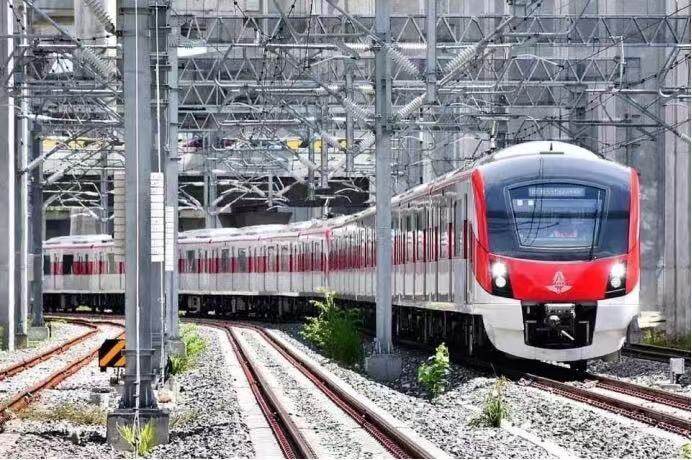
Industry analysis indicates that the construction of the Bangkok Red Line commuter railway extension will further enhance the travel sharing rate of regional public transportation, improve people's travel experience, and drive the development of related industries such as commerce and real estate along the line. With the gradual implementation of the M-MAP2 plan, Bangkok is expected to build a leading modern rail transit network in Southeast Asia, laying a solid foundation for the city's sustainable development.Editor/Bian Wenjun
Comment

 Praise
 Collect
 Comment

 Share
Share


Write something~