 Search


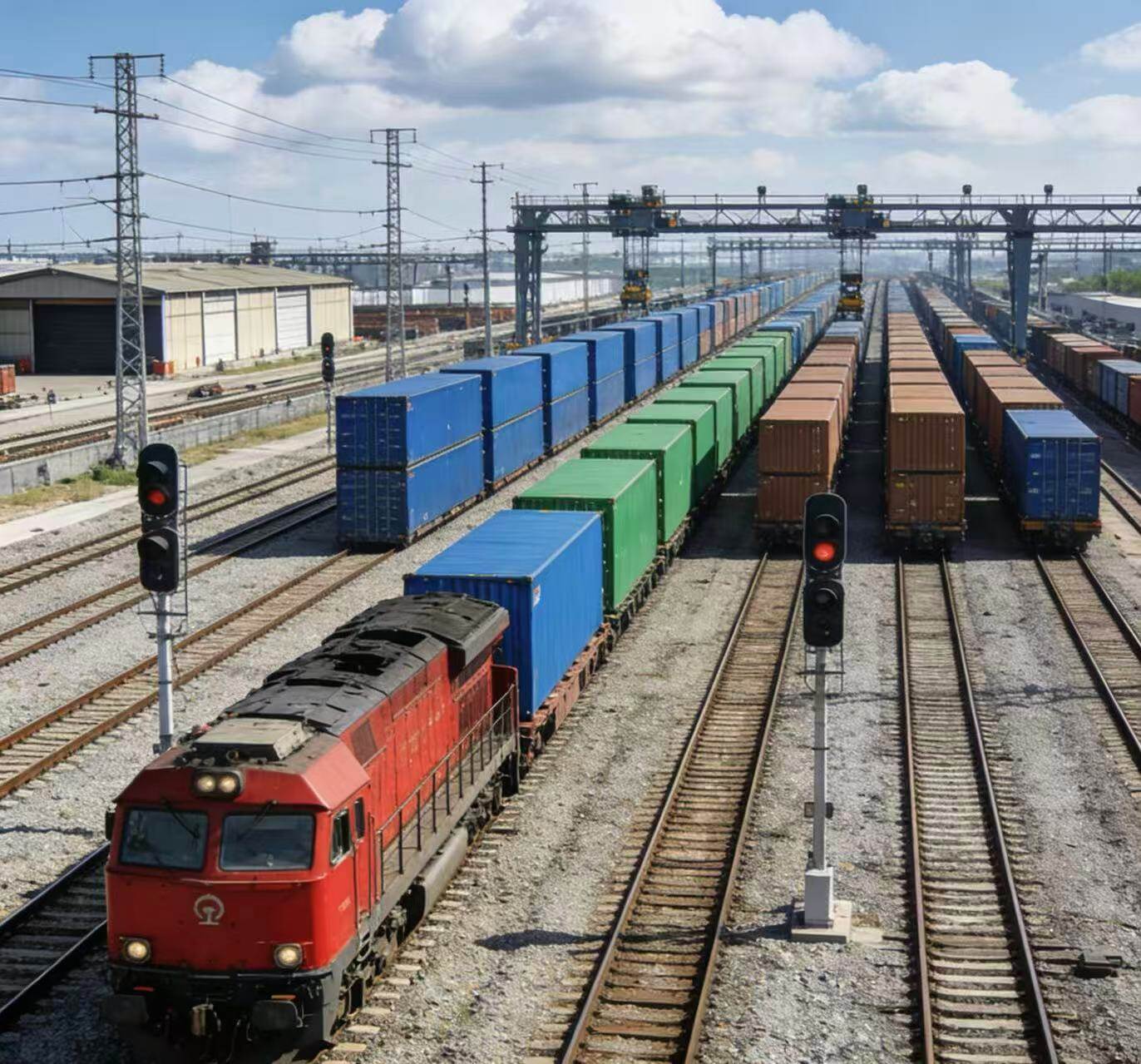
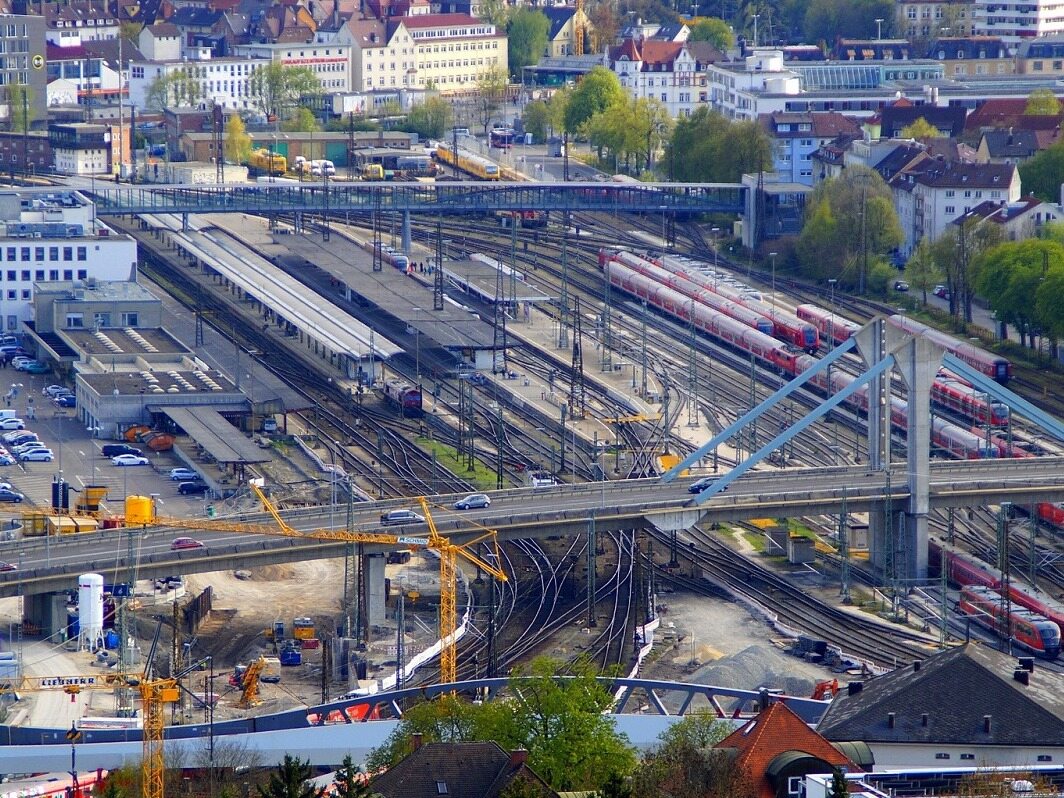
- Increase the railway collection and distribution capacity from 27 trains per day to 100 trains per day
- In 2024, there will be an increase in direct shipping routes between China, India, and the United States, with a clear trend towards larger ships
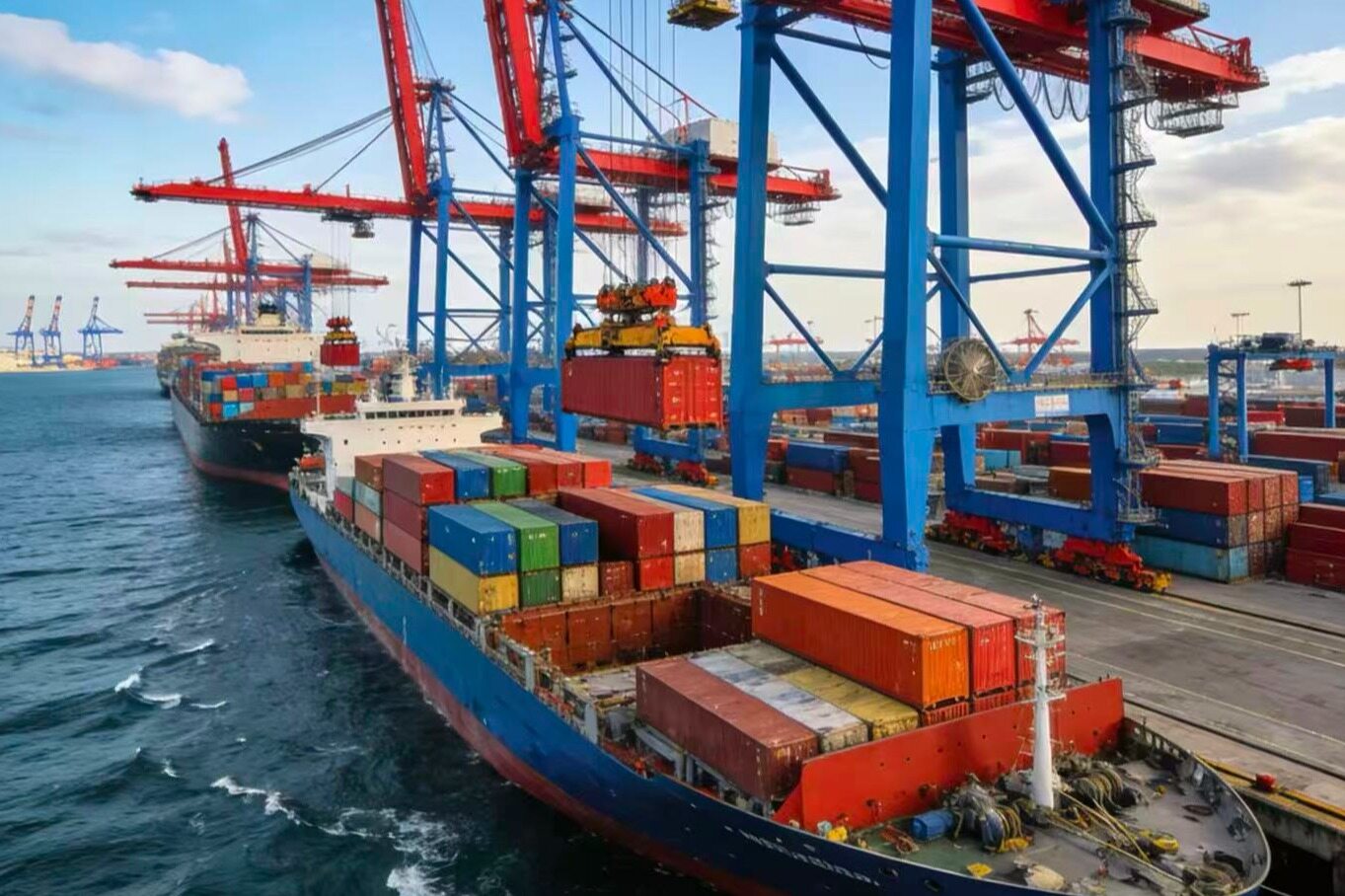
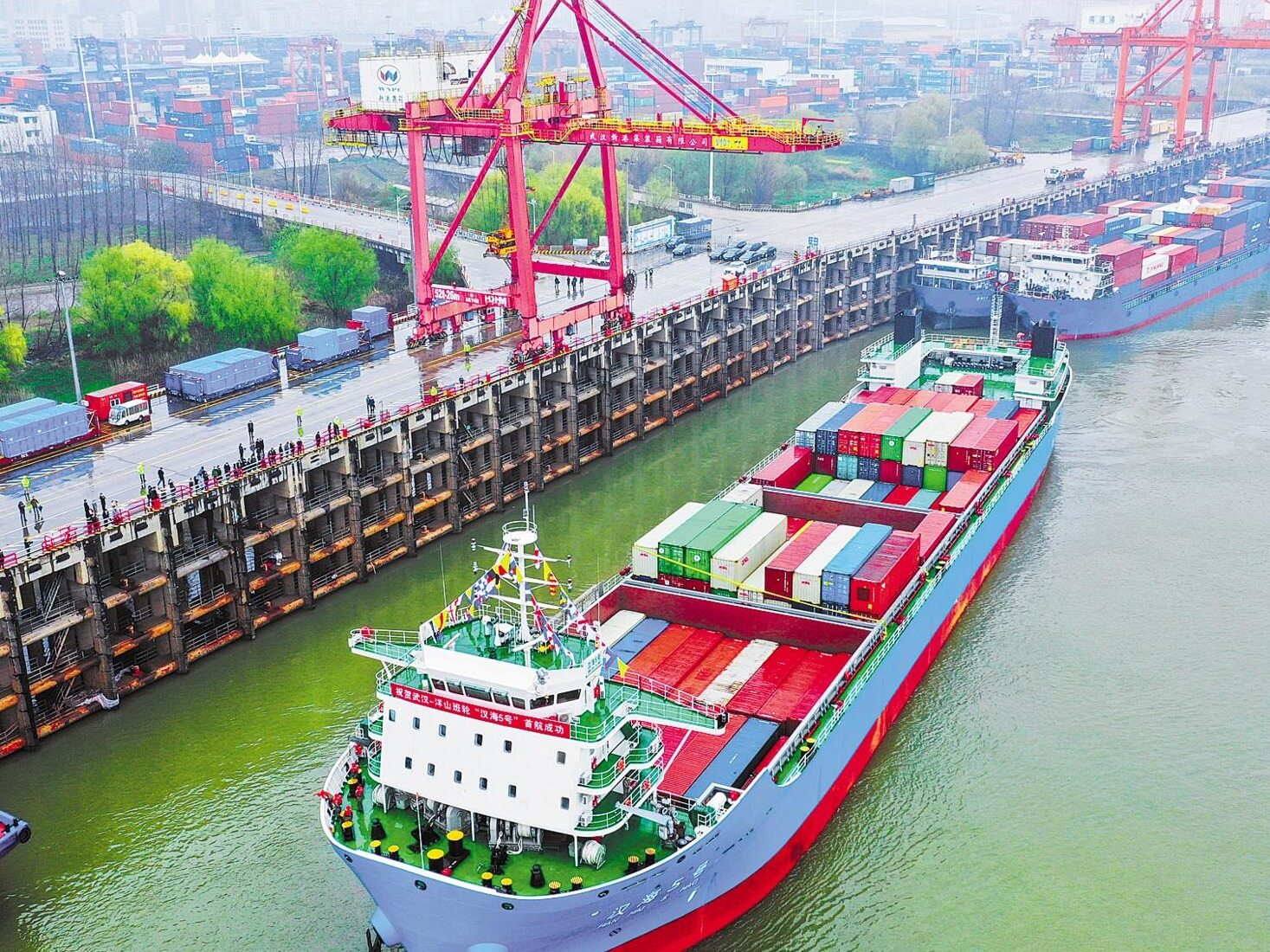
As the largest container port in India, Navasheva Port (JNPT) is located 10 kilometers east of Mumbai. Since its opening in 1989, it has become the core gateway for India's foreign trade, undertaking over 55% of the country's container transportation tasks. By 2025, the port will rank 23rd among the world's top 100 container ports, connecting over 200 ports worldwide; Relying on the dual empowerment of India's "Ocean India Vision 2030" and the "the Belt and Road" initiative, its strategic position continues to rise, and it is consolidating the core competitiveness of South Asia's trade fulcrum with large-scale infrastructure and efficient operation.
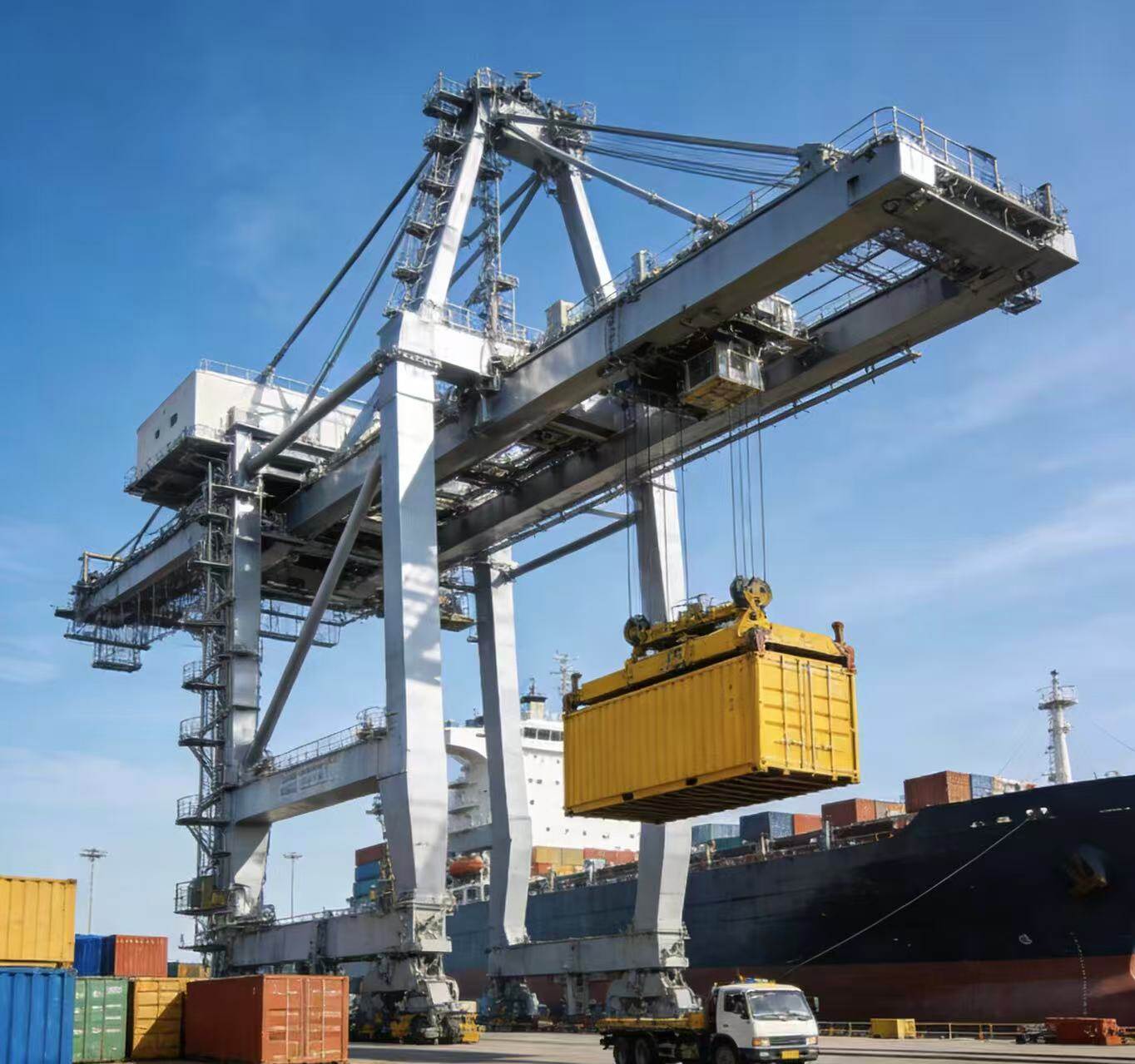
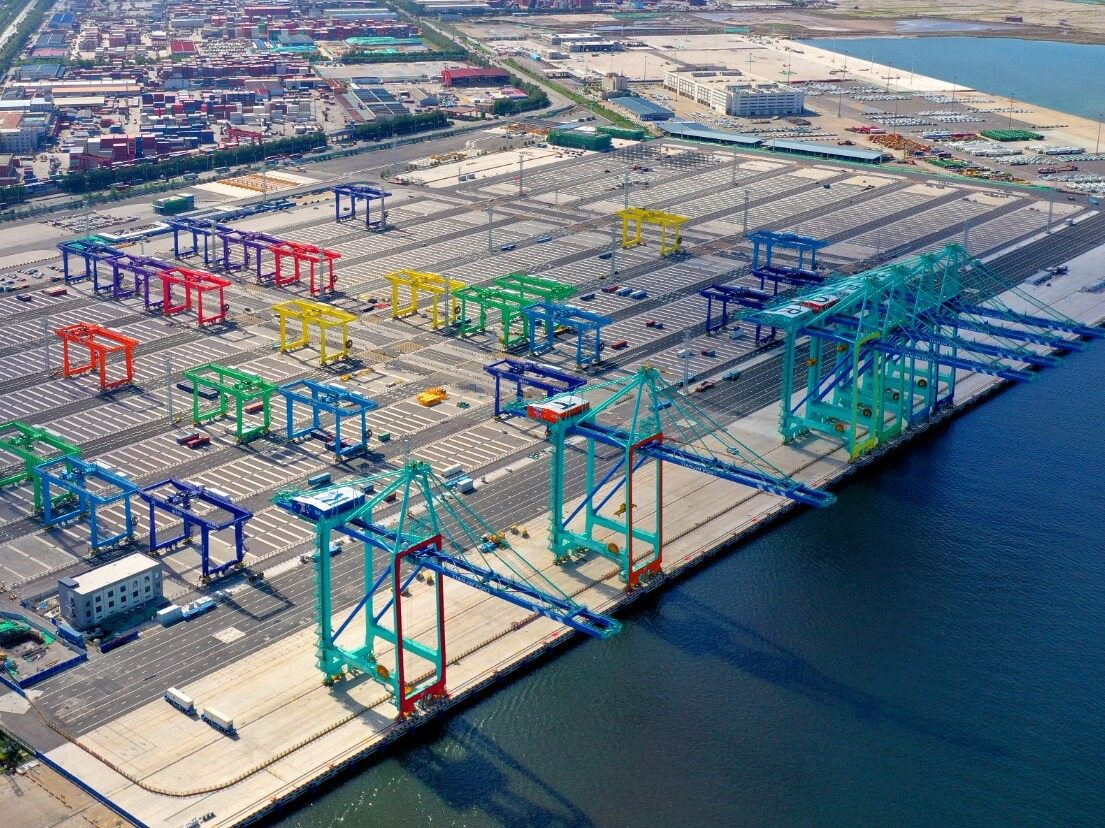
The hard core infrastructure of ports provides support for efficient operation. Navasheva Port has 5 specialized container terminals, among which the NSICT terminal has a maximum draft depth of 16.2 meters and can dock ultra large container ships; Each terminal is equipped with modern equipment such as super Panamax quay cranes and track cranes. The introduction of Zhenhua Heavy Industry's double crane quay crane at NSIGT terminal further improves loading and unloading efficiency. In the past five years, the port has accelerated its upgrading and transformation, introduced social capital through the landlord port model, completed the equipment update of NSFT terminal, promoted the second phase of BMCT terminal production, and achieved a total container handling capacity of over 10 million TEUs by 2025; The synchronized construction of dedicated freight corridors has increased the railway's collection and distribution capacity from 27 trains per day to 100 trains, significantly alleviating congestion on the land side.
The dual growth of throughput and route network highlights the strong development momentum of the port. After being impacted by the epidemic in 2020, the throughput of Navasheva Port rebounded rapidly. In the fiscal year 2024-25, the container throughput reached 7.3 million TEUs, a year-on-year increase of 13.55%. The total cargo throughput exceeded 90 million tons, and the proportion of container cargo exceeded 90%. In terms of route layout, ports have built a dense network covering Asia, Europe, the Middle East, Africa, and the Americas. The Asian route has over 20 flights per week, and the European direct route has 5-7 flights per week, attracting major global shipping companies such as Maersk Line and COSCO Shipping to dock; In 2024, there will be an increase in direct shipping routes between China, India, and the United States, with a clear trend towards larger ships and an average tonnage of 8000-10000 TEUs for docked vessels.
Policy dividends and green transformation inject long-term momentum into port development. The Indian Ports Act 2025 replaces the century old law, simplifies operational processes, and strengthens environmental standards; The "One Country, One Port Process" initiative promotes standardization of port operations and enhances trade facilitation. At the local level, Maharashtra is accelerating the construction of cross harbor connection channels, and the planned Wadwan Port will form a dual core pattern with the Nawashwa Port, breaking through the bottleneck of land resources. In terms of green development, the port is steadily advancing the construction of solar power stations and the renovation of shore power facilities, with the goal of achieving a renewable energy utilization rate of 60% by 2030, and striving to achieve international green port certification.
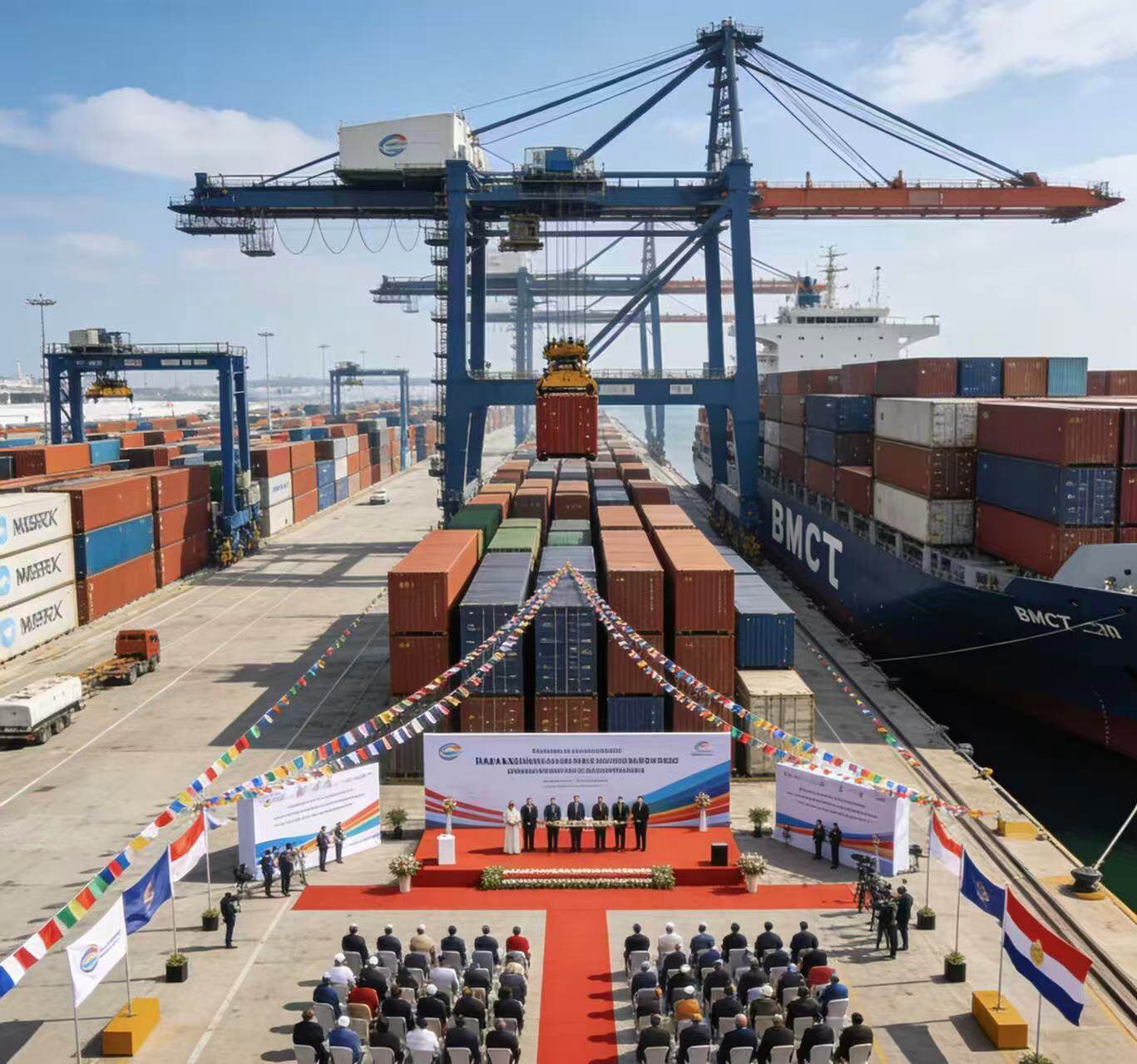
Facing the challenges of competition, Navasheva Port anchors a differentiated development path. In India, with the advantage of specialized container operations, it far surpasses comprehensive ports such as Mumbai Port; Looking at South Asia, although facing pressure from the diversion of Colombo Port's transshipment business, relying on India's vast domestic market hinterland, the proportion of goods in Hong Kong remains high. In the future, the port will focus on digital transformation and the cultivation of transportation business, accelerate channel dredging to 16 meters, and enhance the berthing capacity of ultra large ships; By 2030, container throughput is expected to exceed 12 million TEUs, and by 2047, it is expected to become one of the top ten container ports in the world, serving as a core shipping hub connecting South Asia and the world.Editor/Bian Wenjun
Comment

 Praise
 Collect
 Comment

 Share
Share


Write something~