 Search


- A Malaysian research team has innovatively proposed a series of sub concepts for agricultural photovoltaic complementarity
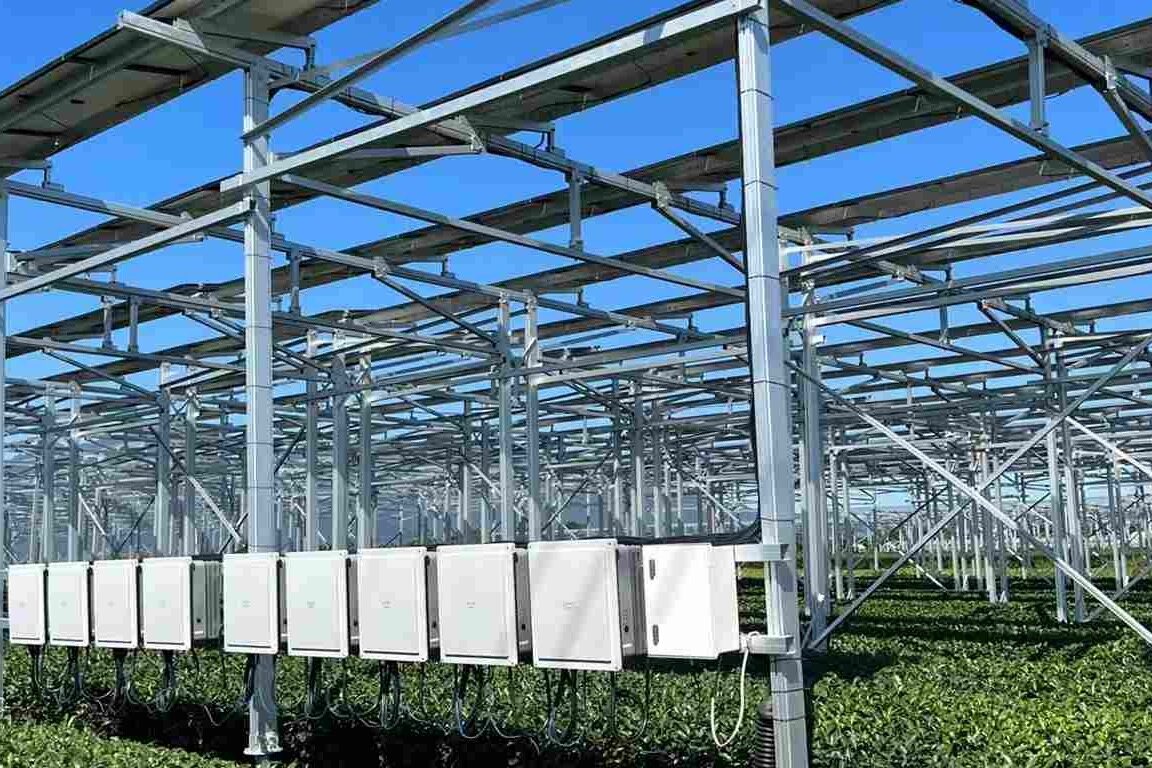
In the research laboratory of Sultan Abdullah University in Pahang, Malaysia, a group of scientists are attempting to redraw the future of the solar energy industry using a series of vivid new vocabulary - "cow manure," "sheep manure," "vegetable manure," "fruit manure," and even "fish manure. This is not a word game, but an academic initiative aimed at breaking the boundaries of thinking, attempting to liberate photovoltaics from a single "energy generator" role to a "biodiversity habitat" that can integrate with complex life systems. This study, published in an international journal, marks the transition of the agricultural photovoltaic complementary concept from the extensive "photovoltaic+agriculture" to the refined and ecological 2.0 era.
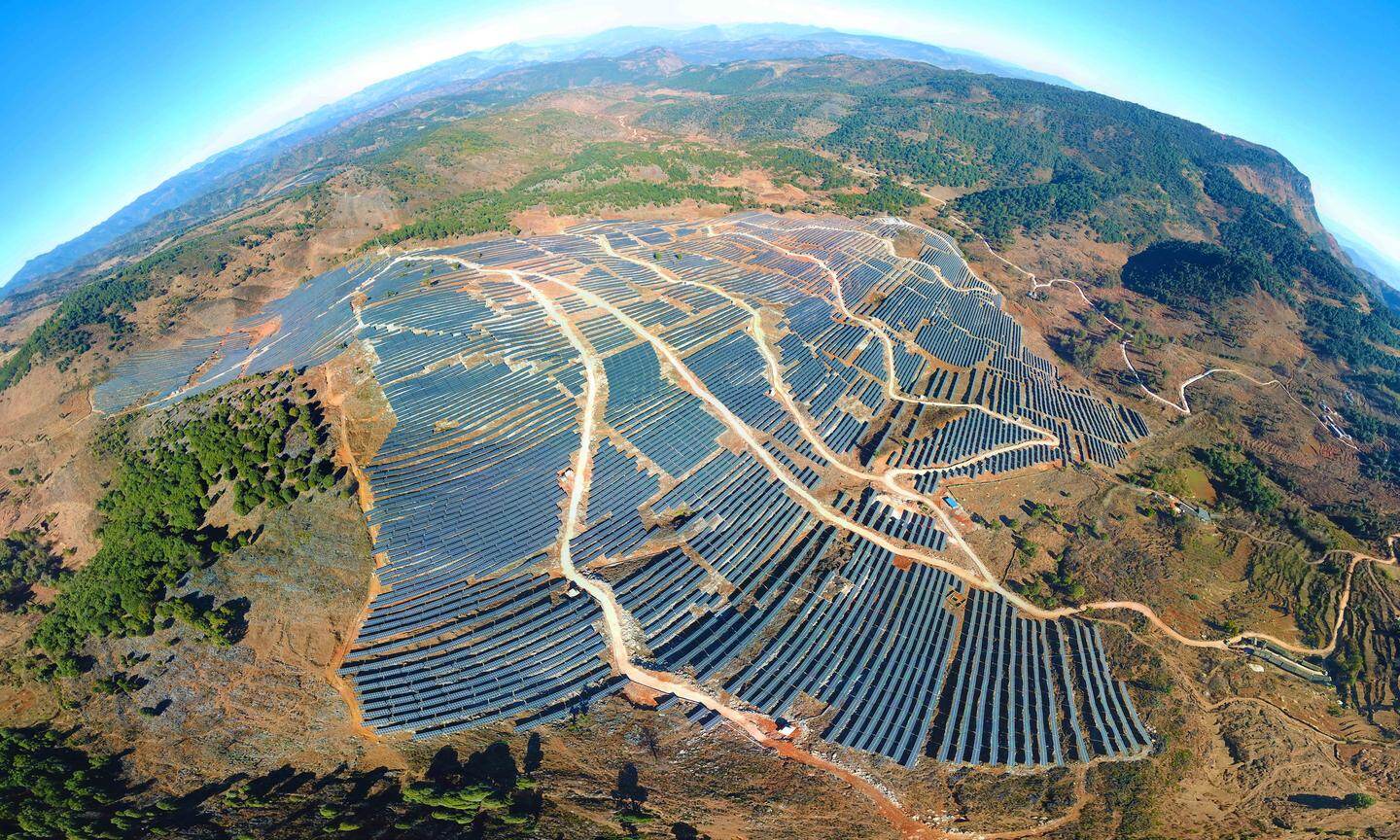
From "photovoltaic+" to precise collaboration
The traditional concept of "agricultural photovoltaic complementarity" is somewhat vague, while the new classification system proposed by the Malaysian team provides a refined theoretical framework for the collaborative design of photovoltaics and different biological forms for the first time. They systematically defined four main categories: livestock photovoltaics, crop photovoltaics, water-based photovoltaics, and animal photovoltaics, and derived sub concepts such as "cow photovoltaics" (cows and sheep grazing under photovoltaic panels), "vegetable photovoltaics" (planting vegetables and fruits between photovoltaic panels), and "fish photovoltaics" (combining water-based photovoltaics with aquaculture). This naming convention is intuitive and aimed at helping stakeholders such as farmers and investors quickly understand how photovoltaics are specifically embedded in their production activities. The core idea is "collaborative design", which means that solar energy infrastructure needs to be integrated with specific animal and plant ecosystems from the beginning of project planning, achieving a win-win situation for power generation, production, and ecological protection.
Beyond the ecological and production value of power generation
The new framework profoundly reveals the diverse value of agricultural photovoltaic complementarity beyond energy production. In livestock photovoltaics, photovoltaic panels provide shade for livestock, effectively reducing heat stress. Studies have shown that they can even help reduce intestinal methane emissions in ruminants, achieving a dual improvement in emissions reduction and animal welfare. In crop photovoltaic mode, the shading effect of solar panels can regulate the microclimate in the field, reduce water evaporation, and improve soil moisture retention capacity, which is particularly beneficial for the growth of some economic crops that are resistant to sunlight and prefer shade. Water photovoltaics cleverly utilize water cooling to improve the power generation efficiency of photovoltaic panels. At the same time, its shaded area provides a good growth environment for fish or microalgae and can inhibit the growth of harmful algae. The most innovative one is animal photovoltaics, which is combined with conservation institutions such as zoos. The photovoltaic system not only supplies power to the park, but also creates habitats for animals that are closer to nature, have shading and abundant capacity effects, and have low-carbon operation, species protection, and public education functions. Keywords: Photovoltaic New Energy Information, Latest News on Photovoltaic New Energy
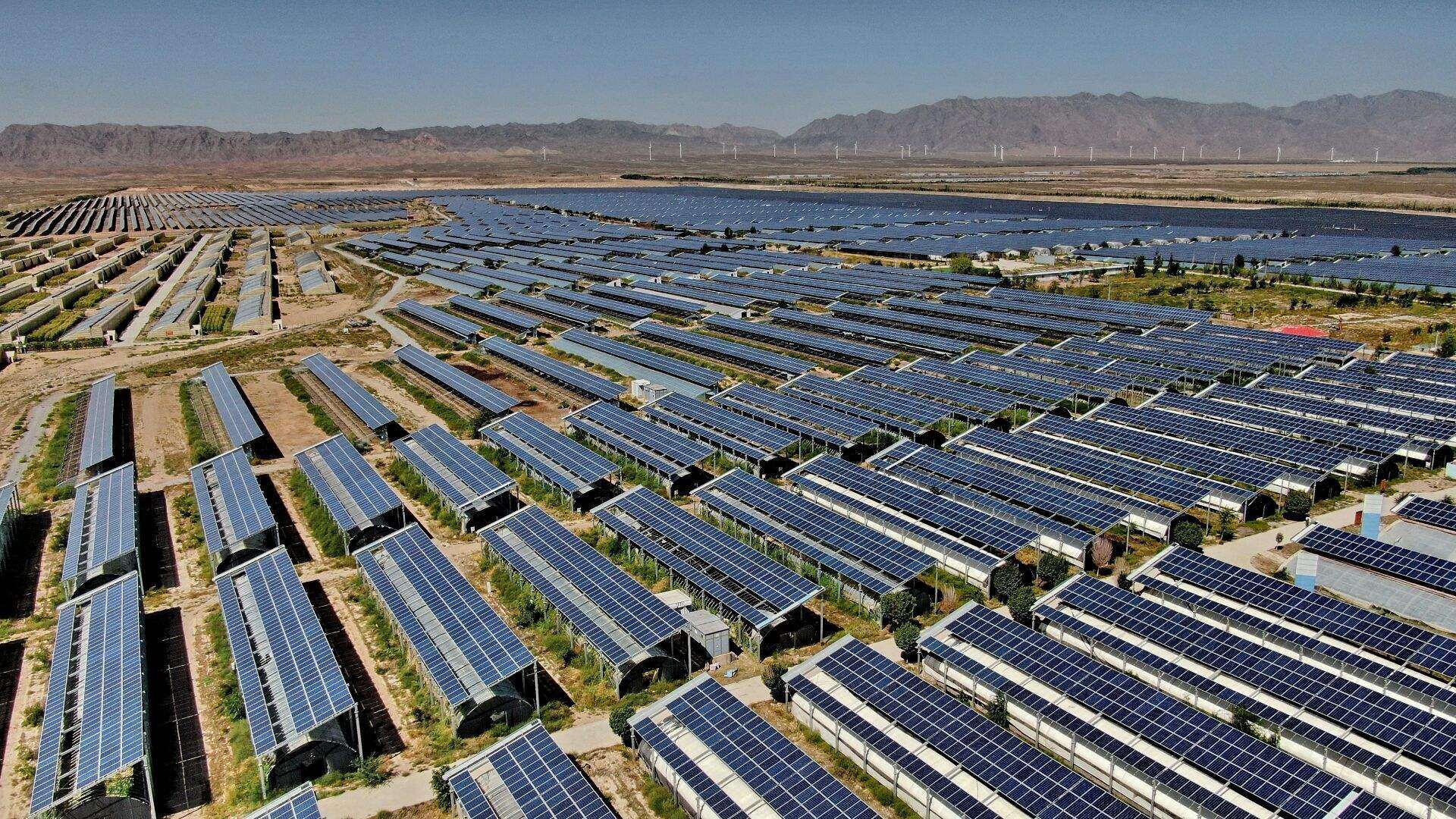
Outline a new paradigm of sustainable land use
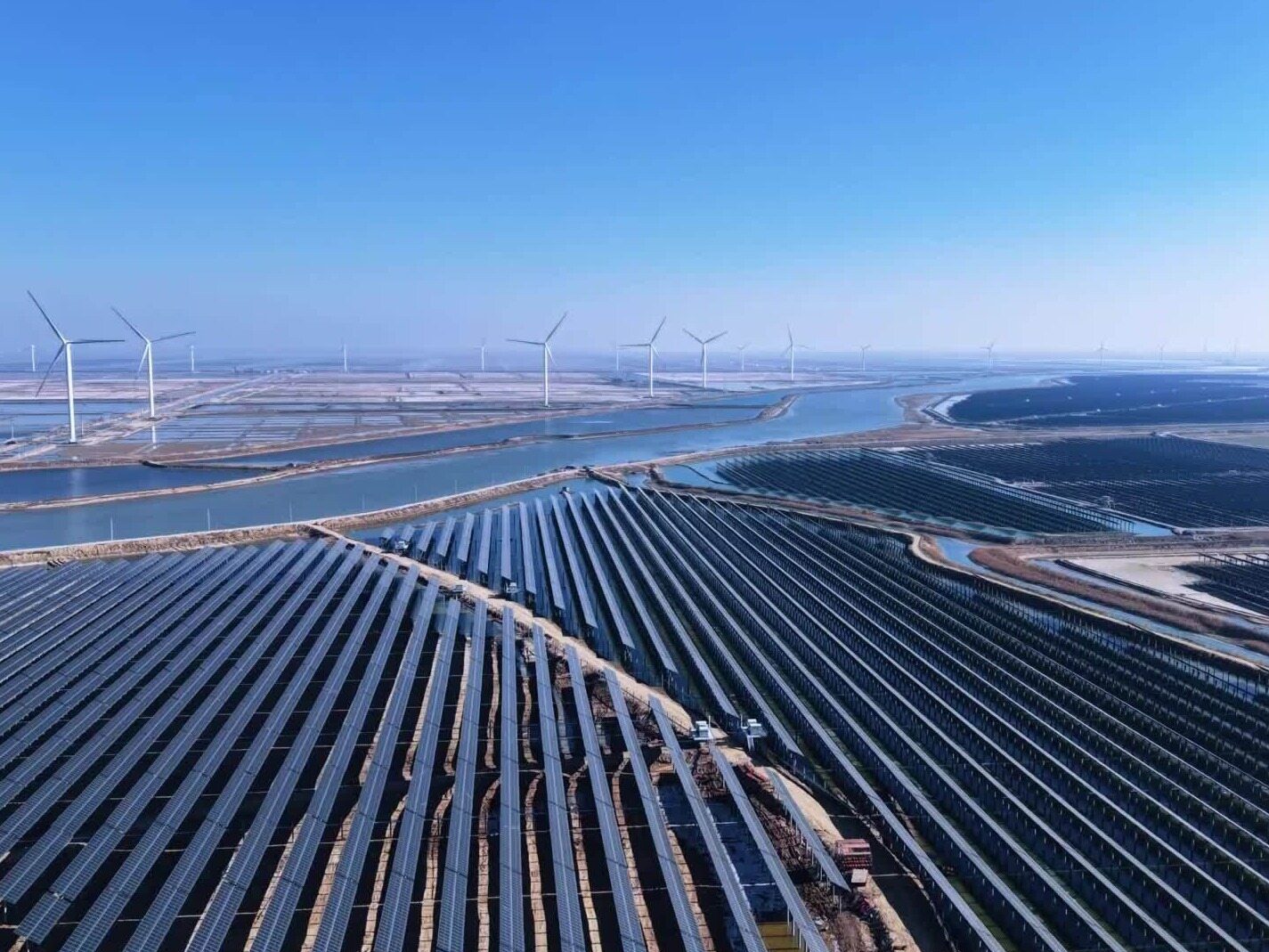
This new conceptual system is not just talk on paper, it is a summary and refinement of numerous successful business cases worldwide. It clearly points out a sustainable path for future comprehensive land use: the same piece of land can simultaneously produce clean electricity, agricultural products, aquatic products, and carry the functions of biodiversity conservation and climate resilience enhancement. The research team emphasizes that this will greatly expand the value dimension of photovoltaic projects and attract a wider range of social groups to participate in energy transformation. For areas with scarce land resources, this "one land, multiple harvests" model can significantly improve land use efficiency and economic benefits; For the global efforts to address climate change and ecological crisis, it provides an actionable blueprint that combines the development of renewable energy with ecosystem restoration and the enhancement of agricultural production resilience. This marks that the photovoltaic industry is evolving from a technology intensive industry to a comprehensive solution platform that connects energy, agriculture, ecology, and communities. (This article is from the official website www.seetao.com of Jiandao. Reproduction without permission is prohibited, otherwise it will be prosecuted. Please indicate Jiandao website+original link when reprinting.) Jiandao website photovoltaic column editor/Gao Xue
Comment


 Praise
 Collect
 Comment

 Share
Share


Write something~