 Search


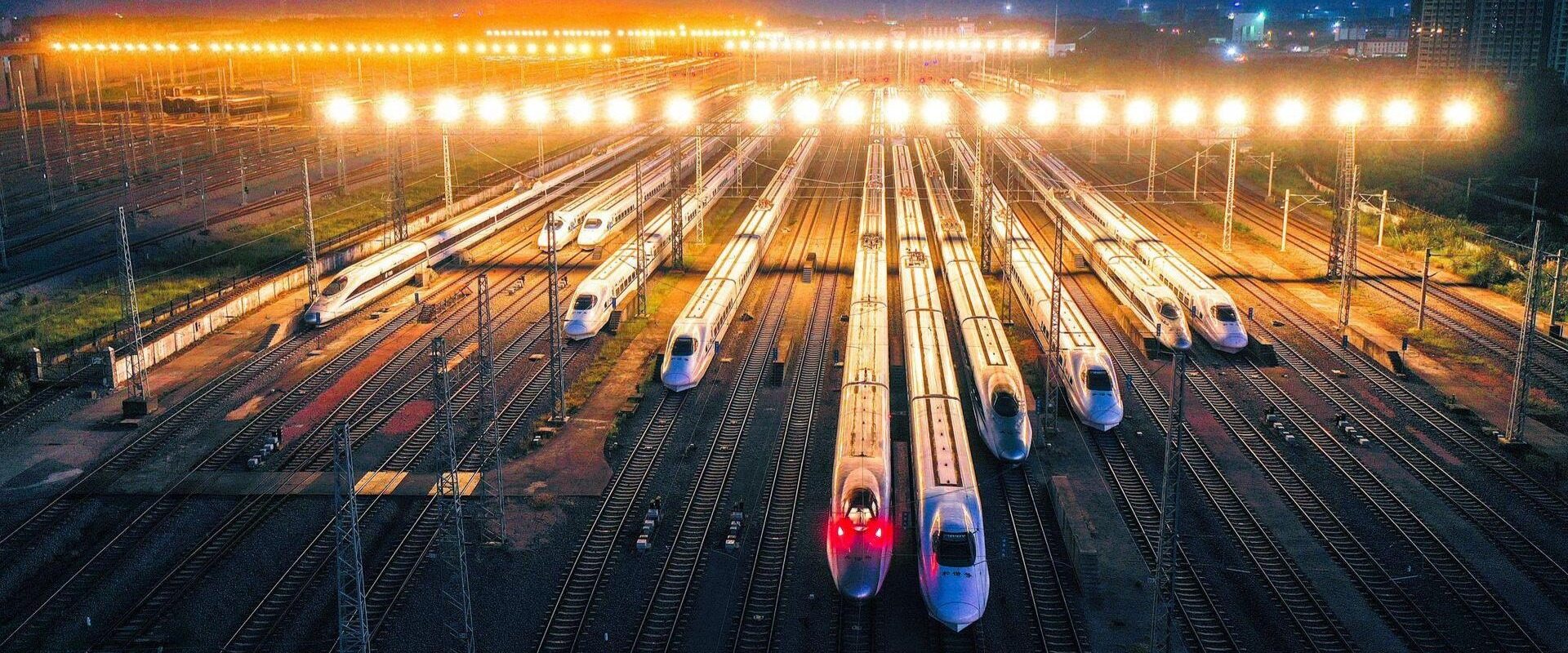
- The project has milestone significance for improving the national "Eight Verticals and Eight Horizontals" high-speed railway network
In January 2026, the National Development and Reform Commission of China approved two major high-speed railway projects: the Zhanjiang Haikou cross sea ferry high-speed railway officially landed, and Hainan will bid farewell to the history of not being connected to national high-speed railways; The Fuyang Huanggang high-speed railway has been approved simultaneously, and the revolutionary old areas of Dabie Mountains have welcomed the first high-speed railway artery with a speed of 350 kilometers per hour. At the same time, the preliminary work of the Nanxinhe Railway is accelerating, and a key link in the central horizontal high-speed railway network is about to be strengthened.
The natural barrier becomes a clear path, Hainan welcomes the era of high-speed rail
The Zhanhai High speed Railway Project is the finishing touch of the "Eight Verticals and Eight Horizontals" main channel of China's high-speed railway network, including the Baohai (Silver) Channel. The route starts from Zhanjiang North Station in Zhanjiang, Guangdong in the north, passes through Leizhou and Xuwen in the south, crosses the 22.5-kilometer-wide Qiongzhou Strait by railway ferry, lands in Haikou, Hainan, and is connected to the existing Hainan Island high-speed railway.
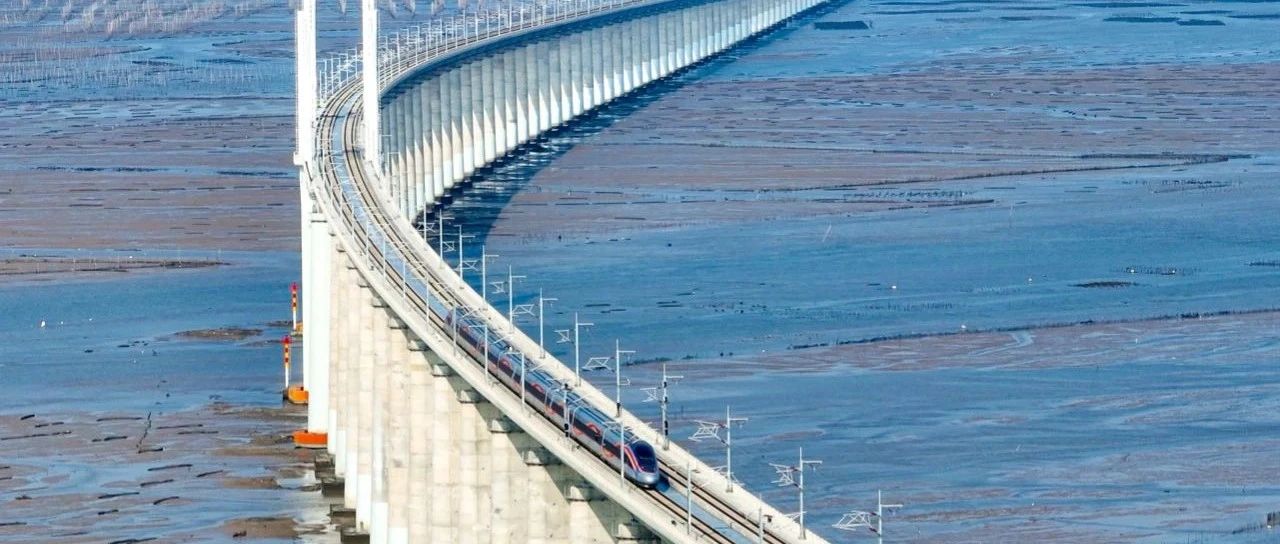
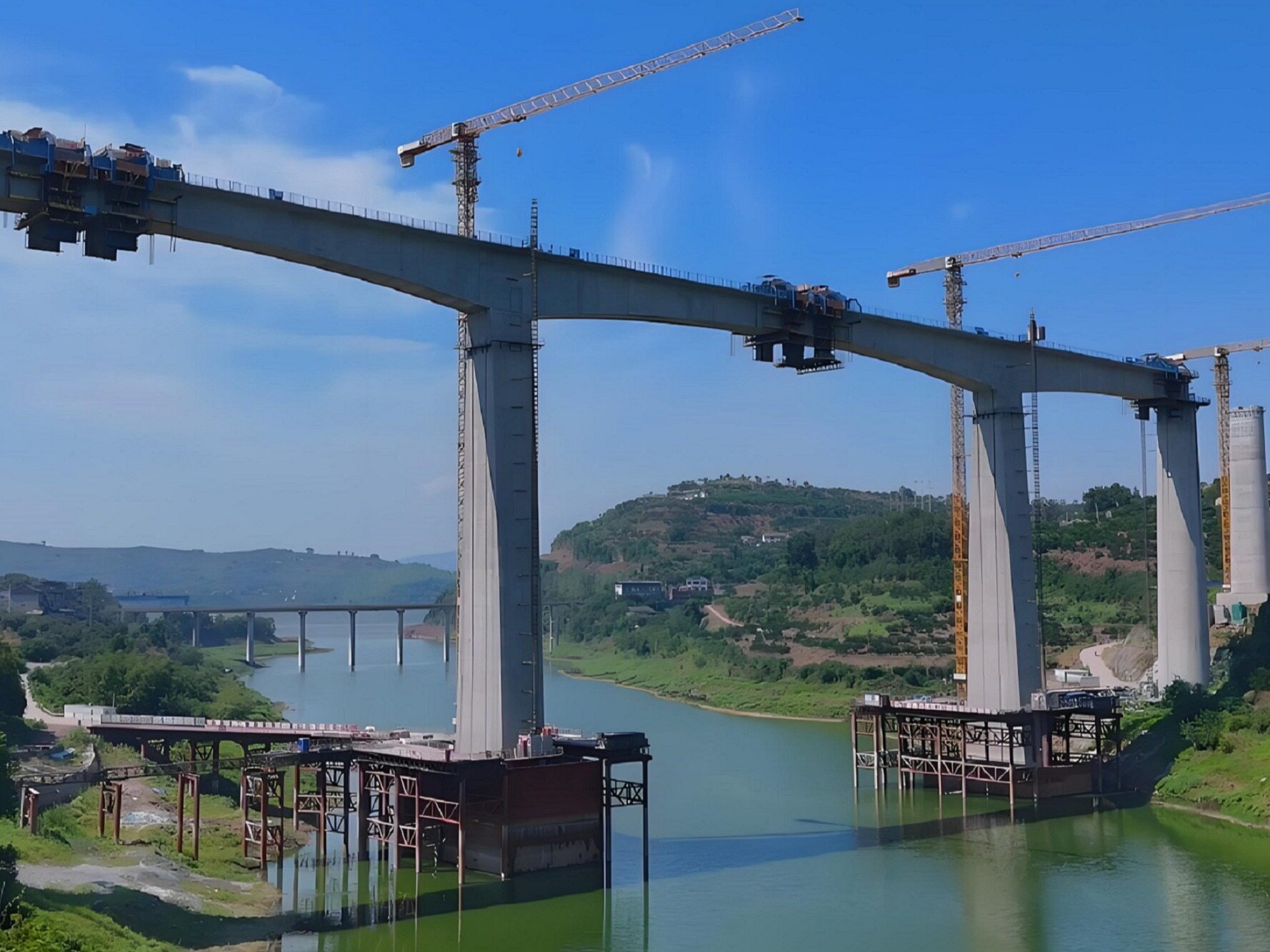
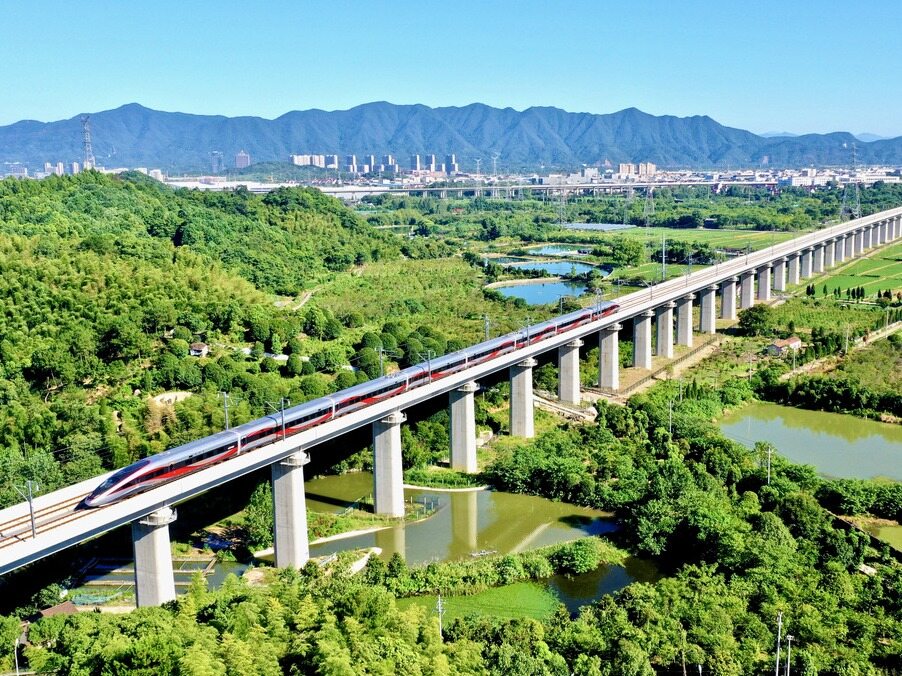
The onshore part of the project is 132.3 kilometers long, with bridges accounting for 73.8%, making it a "railway built on bridges". The most eye-catching sea crossing scheme adopts a ferry mode of "people crossing the sea by boat". Passengers do not need to transfer, high-speed trains can directly board dedicated roll on/roll off ships, complete sea transportation, and then disembark from the ships to continue the land journey. To this end, a new port station (Xuwen South Station, Haikou North Station) and six high-speed rail roll on/roll off ship berths will be built in Xuwen, Guangdong and Haikou, Hainan respectively.
The project had already started preliminary work as early as 2018, and after years of argumentation, review, and optimization, the dust finally settled. After a construction period of 4 years, an efficient and convenient cross sea passage will leap onto the blue waves. It will not only greatly enhance the transportation capacity and travel experience of the Qiongzhou Strait, but more importantly, it will completely connect the "Ren Du Er Mai" of Hainan Free Trade Port's external rapid railway transportation, truly integrating it into the national high-speed railway network and laying a solid foundation for the rapid flow of personnel and materials and deep economic linkage.
High speed rail enters old areas, drawing up a new vision for revitalization
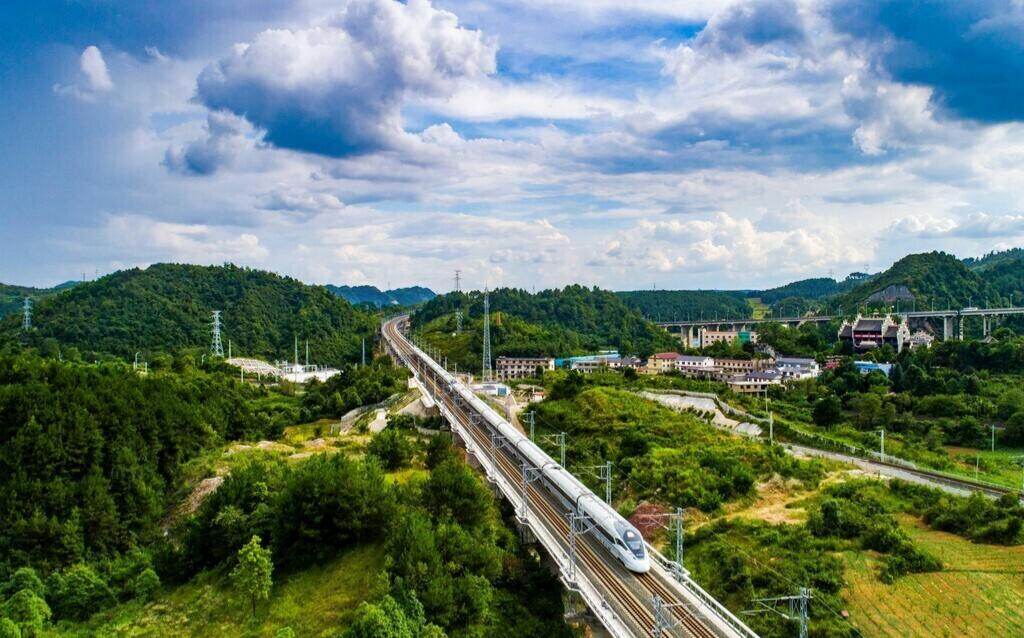
If the Zhanhai high-speed railway solves the problem of connecting islands, then the Fuhuang high-speed railway solves the development problem of mountains. This line starts from Fuyang West Station in Anhui, runs through Xinyang, Henan, and ends at Huanggang, Hubei, and connects to the Jiujiang hub. The total length of the main line exceeds 318 kilometers, with a designed speed of 350 kilometers per hour.
The project covers an area of over 50000 square kilometers at the border of Anhui, Henan, and Hubei provinces, benefiting a population of approximately 25 million. This revolutionary old area, centered around the Dabie Mountains, boasts beautiful mountains and abundant resources, but has long been constrained by transportation bottlenecks. The construction of the Fuhuang high-speed railway will put an end to the history of the region without a north-south high-speed railway trunk line.
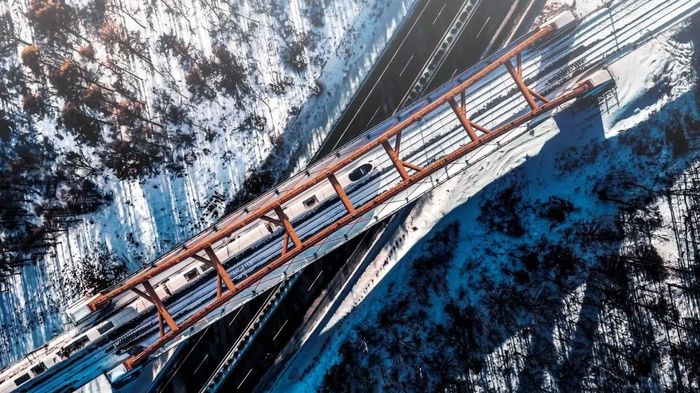
To the north, it can be directly connected to the Beijing Tianjin Hebei region through high-speed railways such as Shanghe Hangzhou and Jinggang. To the south, it can be directly connected to the Guangdong Hong Kong Macao Greater Bay Area through high-speed railways such as Jinggang and Wujiu. To the east, it can conveniently connect to the Yangtze River Delta. After completion, the travel time from the hinterland of the Dabie Mountains to central cities such as Hefei and Wuhan will be shortened to about 1 hour, and half day direct travel to major cities such as Shanghai and Guangzhou can also be achieved. This is not only a speed increase in transportation, but also a historic opportunity for the old areas to integrate into major national regional strategies, undertake industrial transfer, develop characteristic tourism, and attract talent to return. It is a real "road to revitalization".
Central connectivity, adding new engines to development
In addition to the two approved main lines mentioned above, there is also good news about another major horizontal channel - the Nanyang Xinyang to Hefei high-speed railway (Nanxinhe Railway). The feasibility study report has recently passed the technical review of China Railway Group, and the National Development and Reform Commission is organizing relevant review work.
As an important component of the national medium and long-term railway network planning, the Nanxinhe high-speed railway is also designed with a speed of 350 kilometers per hour. It is like a 'golden belt', horizontally connecting multiple longitudinal high-speed railway arteries such as Zhengzhou Chongqing, Yangtze River, Xulan, etc., which will effectively fill the gap in high-speed railway in some areas of southeastern Henan and western Anhui.
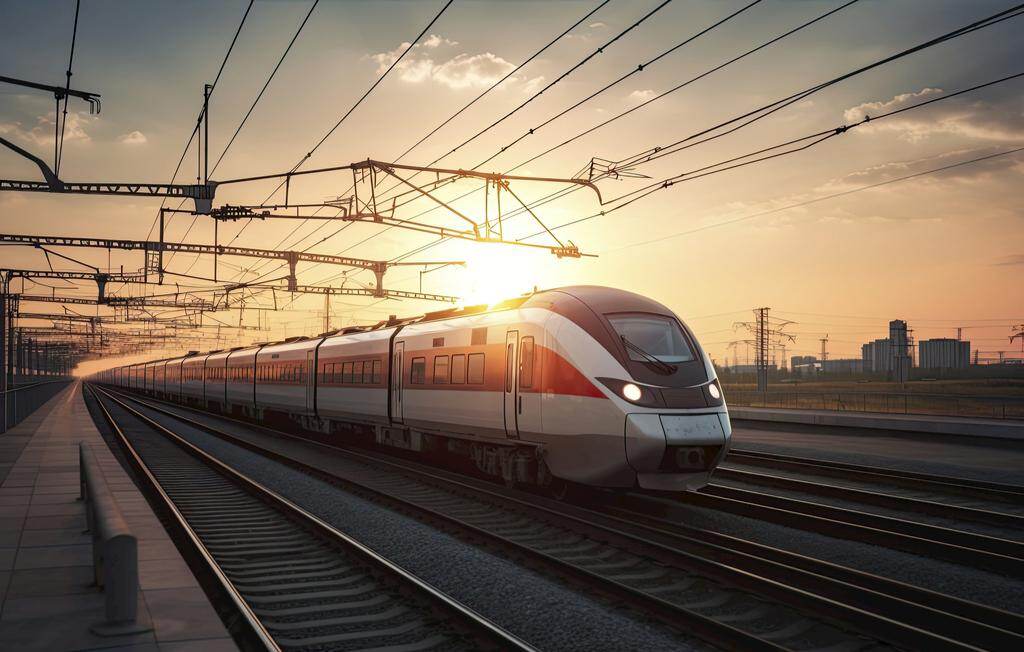
It is no coincidence that the three high-speed railways of Zhanhai, Fuhuang, and Nanxinhe, running from south to north and from east to west, will make significant progress simultaneously at the beginning of 2026. This marks the deepening of China's high-speed rail network construction from the construction of the backbone framework to a more refined, networked, and filled in blank areas direction. They together form a solid puzzle of the national comprehensive three-dimensional transportation network, which is of great significance for improving the "Eight Verticals and Eight Horizontals" high-speed rail network, promoting regional coordinated development, and serving major national strategies. Keywords: infrastructure engineering information, railway construction
From crossing the waves of the South China Sea, to traversing the Dabie Mountains, and finally connecting the hinterland of the Central Plains, where the steel rails extend, time and space are reshaped, and opportunities are surging. These three soon to be built high-speed railway arteries not only carry the people's longing for convenient travel, but also the hope for regional balanced development, roaring towards a vibrant future.Editor/Yang Meiling
Comment

 Praise
 Collect
 Comment

 Share
Share


Write something~